
Why Study Model and Biological Sample Selection Matter in TB-500 Analytical Research
A technical review of how experimental models and biological matrices influence TB-500 peptide analysis, metabolism, and interpretation of research findings. Distinguishes in-vitro, animal, and sample-specific results, highlighting methodological limitations and the importance of context in peptide research.

Introduction: The Importance of Study Model and Biological Sample in TB-500 Research
The analytical study of peptides such as TB-500 (Ac-LKKTETQ), a synthetic derivative of thymosin β4, requires careful consideration of both the experimental model (e.g., in-vitro, animal, or human) and the biological sample (e.g., plasma, serum, urine, or cell culture medium) used. These choices critically influence the detection, quantification, and interpretation of peptide metabolism, activity, and potential applications. This article examines why these factors matter in TB-500 research, drawing on recent analytical and metabolic studies, and clarifies the limitations and context of current evidence.
Defining TB-500 and Its Analytical Challenges
TB-500 is a synthetic peptide corresponding to the N-acetylated LKKTETQ sequence, derived from the active site of thymosin β4. It has been studied for its potential biological activities, including actin binding and wound healing, primarily in preclinical models. Analytical research on TB-500 faces several challenges:
- Metabolic instability: Peptides are often rapidly metabolized in biological systems, generating multiple metabolites with distinct properties.
- Matrix complexity: Biological samples such as plasma, serum, or urine contain numerous endogenous peptides and proteins, complicating detection.
- Analytical sensitivity: Detecting low concentrations of TB-500 and its metabolites requires highly sensitive and specific methods, such as ultra-high-performance liquid chromatography coupled with high-resolution mass spectrometry (UHPLC-MS).
The choice of study model and biological sample directly impacts these challenges and the reliability of research findings Source 1, Source 2.
In-Vitro vs. In-Vivo Models: Distinct Research Contexts
In-Vitro Models
In-vitro studies typically use isolated enzymes, cell cultures, or serum to investigate peptide metabolism and activity under controlled conditions. For TB-500, in-vitro models have been used to:
- Characterize metabolic pathways by incubating the peptide with specific enzymes or serum.
- Assess cytotoxicity and biological activity (e.g., wound healing) in cultured fibroblasts.
These models allow precise control over experimental variables and facilitate mechanistic studies. However, they lack the complexity of whole-organism systems and may not fully replicate in-vivo metabolism or distribution Source 1.
In-Vivo Animal Models
Animal studies, such as those in rats or horses, provide a more integrated view of TB-500 metabolism, distribution, and elimination. For example:
- Rat urine samples have been used to track TB-500 metabolites over time following administration.
- Horse plasma samples have enabled detection of TB-500 and its metabolites after subcutaneous dosing.
These models capture systemic processes, including absorption, distribution, metabolism, and excretion (ADME), but species differences can limit extrapolation to humans Source 1, Source 2.
Biological Sample Selection: Plasma, Serum, Urine, and Cell Culture Media
The choice of biological matrix for TB-500 analysis is critical for several reasons:
- Plasma and serum are commonly used for pharmacokinetic studies, reflecting circulating peptide and metabolite levels.
- Urine provides information on renal elimination and the presence of stable metabolites.
- Cell culture media is relevant for in-vitro metabolism and activity assays.
Each matrix presents unique analytical challenges, such as protein binding, enzymatic degradation, and matrix effects on detection sensitivity Source 1, Source 2.
Analytical Methods: Sensitivity, Specificity, and Validation
Recent studies have employed advanced analytical techniques to quantify TB-500 and its metabolites:
- UHPLC-Q-Exactive Orbitrap MS/MS: Used for simultaneous quantification and structural identification of TB-500 and its metabolites in in-vitro and rat urine samples. This method offers high sensitivity and specificity, enabling detection of low-abundance metabolites and validation of analytical performance Source 1.
- Mixed-mode anion exchange solid-phase extraction (SPE): Applied to extract TB-500 and related peptides from horse plasma, followed by high-resolution mass spectrometry. This approach avoids the need for costly immunoaffinity purification and allows multi-analyte detection Source 2.
Method validation typically includes assessments of specificity, precision, recovery, and limits of detection. However, matrix effects and sample preparation protocols can significantly influence results.
Metabolite Profiling: Study Model and Sample Influence
The metabolic fate of TB-500 varies depending on the experimental model and biological matrix:
- In rat urine, Ac-LK was identified as the primary short-term metabolite, while Ac-LKK persisted as a long-term metabolite up to 72 hours post-administration Source 1.
- In horse plasma, both N-acetylated LKKTETQ (TB-500) and its metabolite N-acetylated LK were detected after subcutaneous administration Source 2.
- In in-vitro enzyme systems and human serum, the formation and stability of metabolites may differ from in-vivo conditions due to the absence of whole-organism metabolic pathways.
These findings underscore the importance of matching the study model and sample type to the research question—whether the goal is to understand metabolic pathways, detect doping, or assess biological activity.
Biological Activity Assessment: Model-Dependent Outcomes
The evaluation of TB-500’s biological effects is highly dependent on the experimental context:
- In fibroblast cell culture assays, neither TB-500 nor its major metabolites showed cytotoxicity. Notably, only the metabolite Ac-LKKTE demonstrated significant wound healing activity compared to controls, suggesting that previously reported effects may be attributable to metabolites rather than the parent peptide Source 1.
- Animal models may reveal systemic effects not observable in vitro, but species-specific metabolism and physiology must be considered.
These results highlight the need for careful interpretation of biological activity data, particularly when extrapolating from in-vitro or animal studies to other contexts.
Methodological Limitations and Interpretation Challenges
Several limitations must be acknowledged when interpreting TB-500 analytical research:
- Abstract-only data: Both cited studies are available only as abstracts, limiting access to full methodological details and comprehensive results.
- Species differences: Metabolic pathways and peptide stability can differ substantially between species, complicating cross-species comparisons.
- Matrix effects: Endogenous substances in biological samples may interfere with peptide detection or quantification.
- Metabolite activity: The biological effects of TB-500 may be mediated by its metabolites, which can differ in activity and stability from the parent compound.
- Lack of human data: No controlled human studies are reported in the supplied sources; findings are limited to in-vitro and animal models.
Researchers and readers should be cautious in drawing conclusions about clinical relevance or safety based on these preclinical findings.
Practical Checklist for Interpreting TB-500 Analytical Studies
When evaluating TB-500 research, consider the following:
- What is the study model? (In-vitro, animal, or human?)
- Which biological sample was analyzed? (Plasma, serum, urine, cell culture medium?)
- What analytical methods were used? (Are they validated for sensitivity and specificity in the chosen matrix?)
- How were metabolites identified and quantified? (Are authentic standards used?)
- What are the main findings and their context? (Are effects observed in vitro, in animals, or both?)
- What are the limitations? (Abstract-only data, species differences, matrix effects?)
- Are biological activities attributed to the parent peptide or its metabolites?
This checklist can help readers critically assess the robustness and relevance of TB-500 analytical research.
Reader Questions: Navigating TB-500 Research Evidence
- How do in-vitro findings relate to in-vivo outcomes for TB-500?
- Can results from animal models be extrapolated to humans?
- What are the implications of detecting TB-500 metabolites in urine or plasma?
- How do analytical methods impact the detection and interpretation of TB-500 and its metabolites?
These questions reflect common challenges in peptide research and underscore the need for careful study design and interpretation.
Evidence Limitations and Key Takeaways
The current evidence on TB-500 analytical research is limited to in-vitro and animal studies, with findings reported only in abstracts. Key points include:
- Study model and biological sample selection critically influence the detection, quantification, and interpretation of TB-500 and its metabolites.
- Analytical methods must be validated for the specific matrix and research question.
- Metabolite profiling reveals that biological activity may be mediated by TB-500 metabolites rather than the parent peptide.
- No controlled human studies are reported; extrapolation to clinical contexts is not supported by current evidence.
- Methodological limitations, including species differences and matrix effects, must be considered when interpreting results.
Researchers should prioritize transparency in reporting study models, sample types, and analytical methods to facilitate reproducibility and accurate interpretation.
For research and educational purposes only. Not medical advice. Research products are not for human or veterinary use.
Sources
- Simultaneous quantification of TB-500 and its metabolites in in-vitro experiments and rats by UHPLC-Q-Exactive orbitrap MS/MS and their screening by wound healing activities in-vitro. https://pubmed.ncbi.nlm.nih.gov/38382158/
- Doping control analysis of seven bioactive peptides in horse plasma by liquid chromatography-mass spectrometry. https://pubmed.ncbi.nlm.nih.gov/23318763/
Continue exploring
TRACE THE EVIDENCE
Sources & further reading
RELATED PRODUCT INFORMATION
From the Certified Pep catalog.
Product references are informational, not a recommendation for human use. Prices and availability must be verified at retailer checkout.
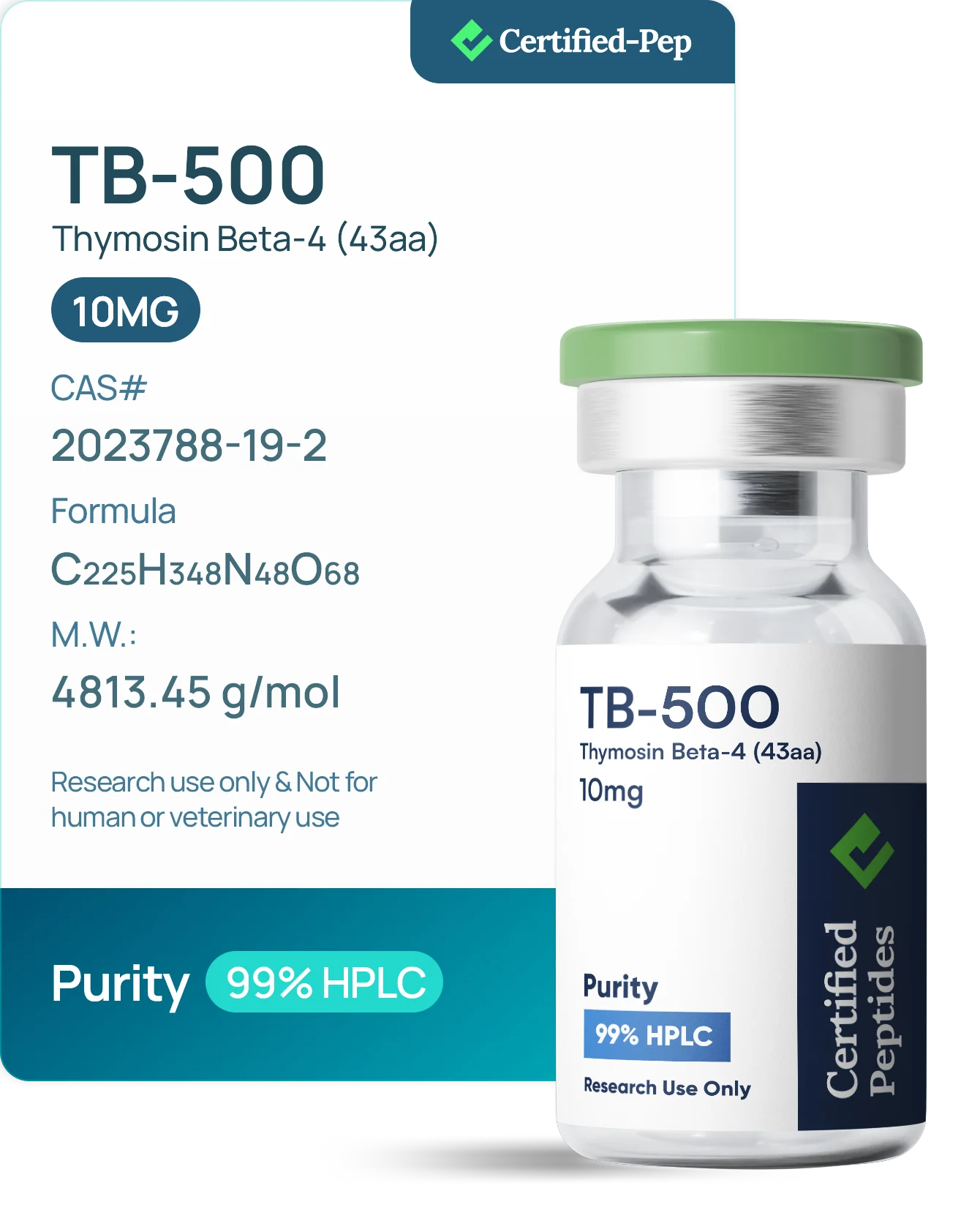
TB-500 10 MG
USD 70.00
In stock
Last synced: 2026-11-01 10:07
Add to retailer cart ↗View product details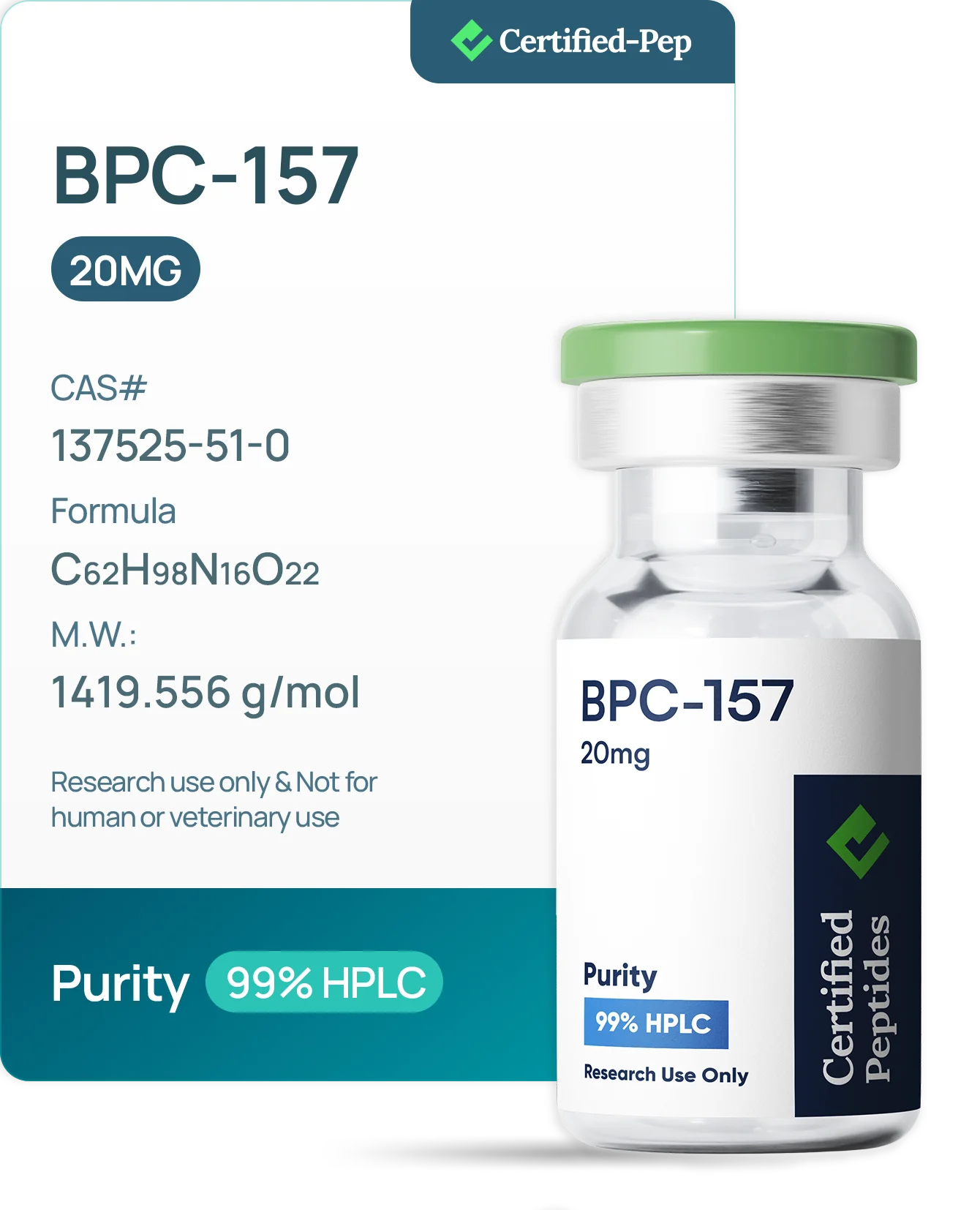
BPC-157 20 MG
USD 90.00
In stock
Last synced: 2026-11-01 10:07
Add to retailer cart ↗View product details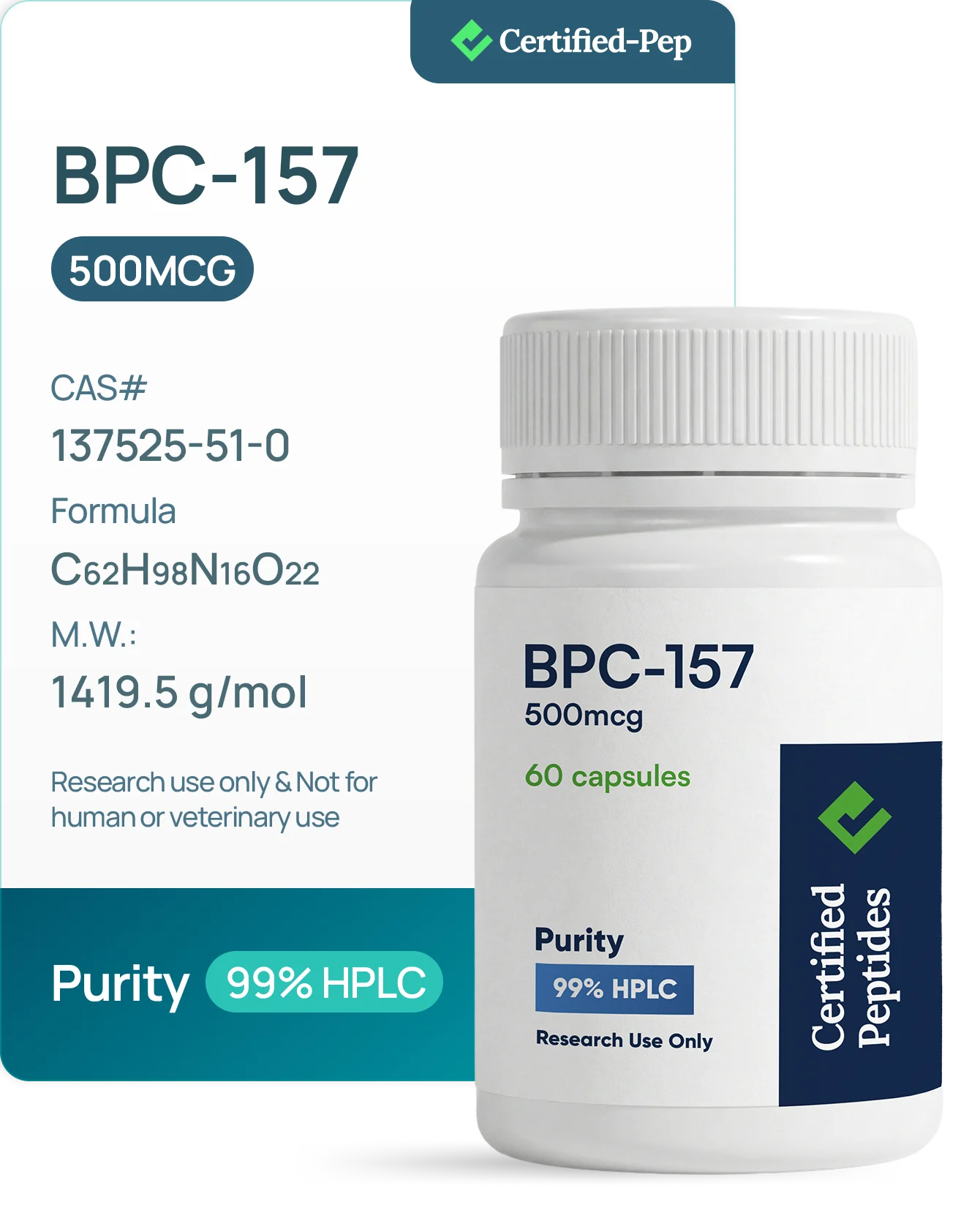
BPC-157 500 mcg 60 CAPSULES
USD 160.00 USD 100.00
In stock
Last synced: 2026-11-01 10:07
Add to retailer cart ↗View product details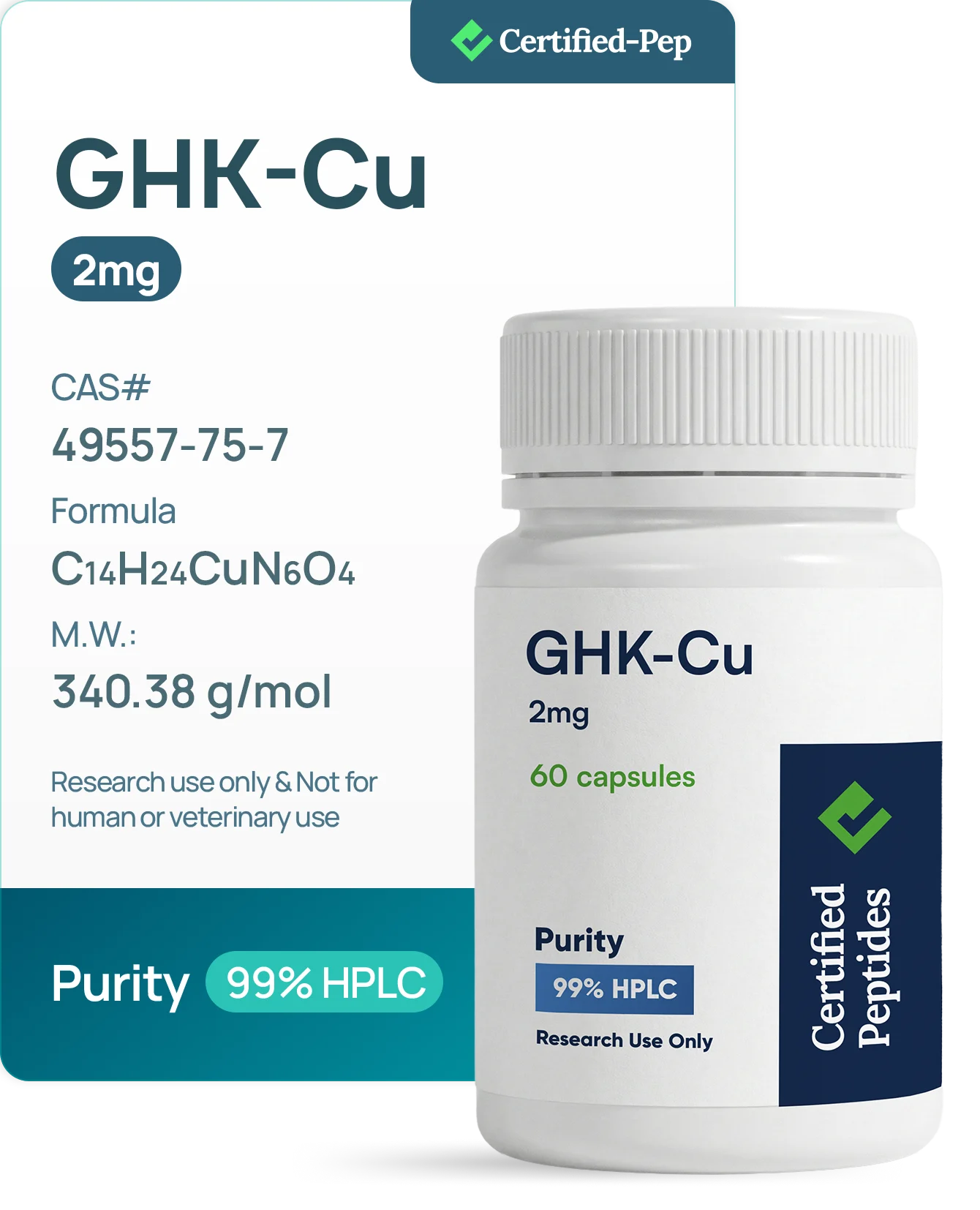
GHK-CU 2MG 60 CAPSULES
USD 198.00 USD 160.00
In stock
Last synced: 2026-11-01 10:07
Add to retailer cart ↗View product details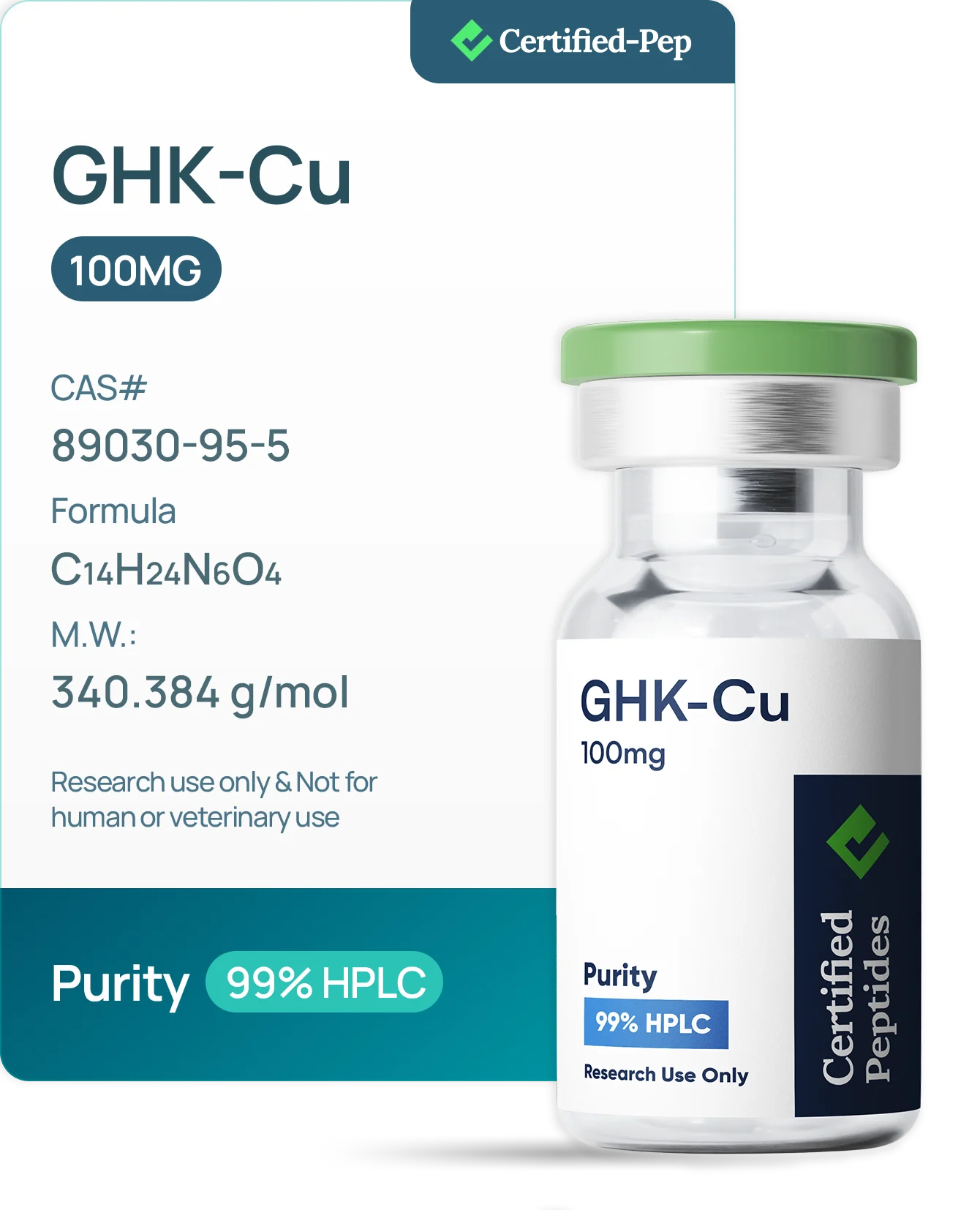
GHKCU 100 MG
USD 59.00
In stock
Last synced: 2026-11-01 10:07
Add to retailer cart ↗View product details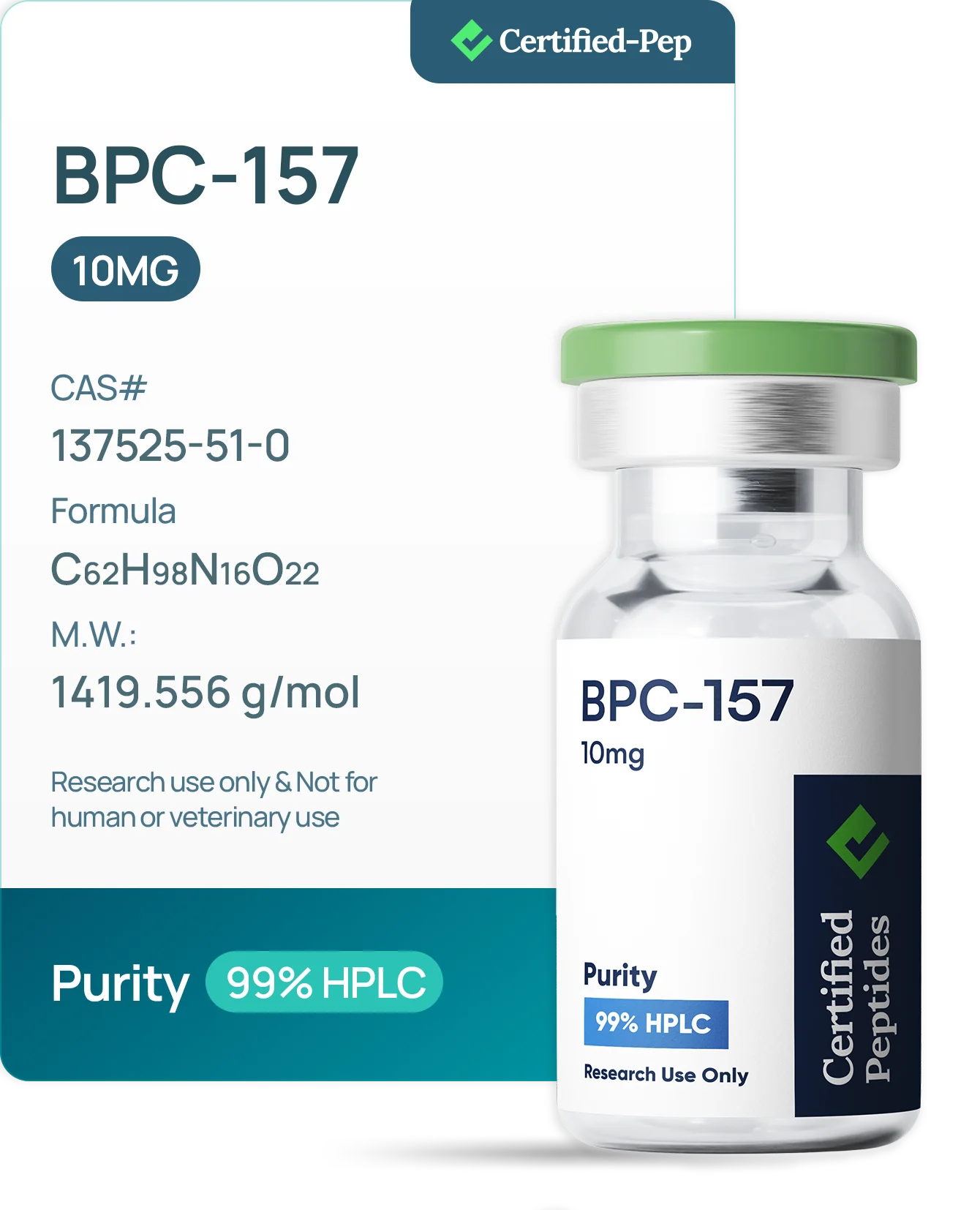
BPC-157 10 MG
USD 60.00
In stock
Last synced: 2026-11-01 10:07
Add to retailer cart ↗View product details