
Why Fibroblast Cytotoxicity Absence in TB-500 Research Does Not Establish Organism-Level Safety
A lack of cytotoxicity in fibroblast assays for TB-500 does not equate to organism-level safety. This article explains the limitations of in vitro cytotoxicity findings, the difference between cellular and systemic toxicity, and the need for broader safety evaluation, referencing recent analytical and biological studies.

Introduction: Interpreting Cytotoxicity Findings in Peptide Research
In peptide research, cytotoxicity assays using cultured cells such as fibroblasts are a common first step in evaluating the potential safety of new compounds. TB-500, a synthetic peptide derived from the active site of thymosin β4 (Tβ4), has been studied for its biological activities, including wound healing and angiogenesis. However, the absence of cytotoxicity in fibroblast assays, as reported in recent TB-500 research, does not establish organism-level safety. This article explores why such findings are limited in scope, how they fit within the broader context of preclinical safety evaluation, and what further research is necessary before any conclusions about systemic safety can be drawn.
Defining Cytotoxicity and Its Role in Peptide Research
Cytotoxicity refers to the ability of a substance to cause damage to or kill cells. In vitro cytotoxicity assays typically expose cultured cells—such as fibroblasts, which are connective tissue cells involved in wound healing—to a compound and measure cell viability, metabolic activity, or membrane integrity. These assays are valuable for detecting direct cellular toxicity and are often used as an initial screen for potential adverse effects. In the context of TB-500, a recent study reported no cytotoxicity in fibroblast assays for the parent peptide or its metabolites Source 1.
However, cytotoxicity in a single cell type does not capture the full spectrum of possible toxic effects a compound might have in a living organism. Many toxicities arise from interactions with multiple cell types, organs, or physiological systems, and may not be evident in isolated cell cultures.
TB-500: Research Context and Analytical Advances
TB-500 (Ac-LKKTETQ) is a synthetic peptide modeled after the active site of thymosin β4. It has been investigated for its role in actin binding, wound healing, angiogenesis, and skin repair. Recent analytical studies have focused on developing methods to simultaneously quantify TB-500 and its metabolites in vitro and in animal models, using advanced mass spectrometry techniques Source 1, Source 2.
One such study validated a method for detecting TB-500 and its metabolites in rat urine and plasma, as well as in vitro enzyme systems. The researchers also assessed the biological activity of TB-500 and its metabolites in fibroblast cultures, reporting no cytotoxicity in these assays Source 1. While these findings are important for understanding the peptide's metabolism and direct cellular effects, they do not provide comprehensive safety data.
Limitations of In Vitro Cytotoxicity Assays
Restricted Cell Type and Microenvironment
Fibroblast cytotoxicity assays evaluate the effects of a compound on a single, specific cell type under controlled laboratory conditions. These cells are typically isolated from their natural tissue context and lack the complex interactions present in whole organisms. As a result, such assays may miss toxic effects that only arise in the presence of other cell types, tissues, or physiological processes.
Lack of Systemic Interactions
Organism-level toxicity can result from interactions between multiple organ systems, immune responses, metabolic pathways, and the nervous or endocrine systems. For example, a compound might not harm fibroblasts directly but could be toxic to hepatocytes (liver cells), cardiomyocytes (heart cells), or neurons. Additionally, metabolites produced in vivo may have different toxicity profiles than the parent compound, and these may not be generated or detected in simple cell culture systems.
Dose and Exposure Differences
In vitro assays often use concentrations of compounds that may not reflect those achieved in vivo, and exposure times are typically short. Chronic or repeated exposure, as occurs in living organisms, may reveal toxicities not apparent in acute cell culture experiments.
Distinguishing Cellular from Organism-Level Safety
Complexity of Whole-Organism Physiology
Living organisms are composed of diverse cell types organized into tissues and organs, each with unique functions and susceptibilities. Systemic toxicity can arise from: - Organ-specific accumulation or metabolism of the compound - Immune-mediated reactions - Disruption of physiological homeostasis (e.g., blood pressure, heart rhythm) - Effects on development, reproduction, or behavior
None of these can be fully assessed in a fibroblast cytotoxicity assay. For TB-500, while the absence of cytotoxicity in fibroblasts is a reassuring initial finding, it does not rule out the possibility of adverse effects elsewhere in the organism Source 1.
Metabolism and Bioactivation
Compounds may be metabolized in vivo to produce active or toxic metabolites. The referenced study identified Ac-LK and Ac-LKK as TB-500 metabolites in rats, with Ac-LKKTE showing significant wound healing activity in vitro Source 1. However, the toxicity of these metabolites in other cell types or in whole animals was not reported. Some metabolites may be harmless in fibroblasts but toxic in other tissues or after prolonged exposure.
Evidence from Animal Models and Analytical Studies
The referenced studies primarily focused on analytical method development and in vitro biological activity. In one study, TB-500 and its metabolites were detected in rat urine and plasma following administration, and their biological activities were assessed in fibroblast cultures Source 1. Another study demonstrated the detection of TB-500 and related peptides in horse plasma after administration, but did not report organism-level toxicity or safety data Source 2.
No controlled animal studies assessing systemic toxicity, organ-specific effects, or long-term safety of TB-500 or its metabolites were reported in these sources. Without such data, it is not possible to draw conclusions about organism-level safety.
Practical Checklist: Interpreting Peptide Safety Evidence
When evaluating peptide safety research, consider the following: - Cellular Assays: What cell types were used? Were multiple cell lines or primary cells tested? - Endpoints Measured: Was only cytotoxicity assessed, or were other endpoints (e.g., genotoxicity, apoptosis, oxidative stress) included? - Metabolite Analysis: Were metabolites identified and tested for biological activity and toxicity? - Animal Studies: Were in vivo studies conducted? What endpoints (e.g., organ toxicity, behavioral changes, mortality) were measured? - Exposure Duration: Was toxicity assessed after acute or chronic exposure? - Systemic Effects: Were immune, endocrine, or neurological effects evaluated?
For TB-500, the available evidence is limited to in vitro fibroblast assays and analytical detection in animal samples, with no reported organism-level toxicity studies Source 1, Source 2.
Reader Questions: What Remains Unanswered?
- Does TB-500 or its metabolites cause toxicity in other cell types, such as hepatocytes or cardiomyocytes?
- What are the effects of chronic or repeated exposure to TB-500 in animal models?
- Are there any immune or allergic reactions associated with TB-500 administration?
- How do the pharmacokinetics and metabolism of TB-500 differ between species?
- What are the potential off-target effects or interactions with other physiological systems?
These questions highlight the gaps in current research and the need for comprehensive preclinical safety studies before any conclusions about organism-level safety can be made.
Evidence Limitations and Research Gaps
The studies cited here are limited in several important ways: - Scope: Both studies focused on analytical method development and in vitro biological activity, not comprehensive safety assessment. - Endpoints: Only cytotoxicity in fibroblasts was reported; no data on other cell types, organ systems, or whole-animal toxicity were provided. - Duration: In vitro assays typically reflect acute exposure, not chronic or cumulative effects. - Species Differences: Findings in rat or horse samples may not translate to other species, including humans. - Publication Status: Only abstracts were available, limiting the detail and context for interpreting results.
Without broader preclinical or clinical safety data, no claims about organism-level safety, efficacy, or regulatory approval are warranted.
Key Takeaways: Responsible Interpretation of TB-500 Cytotoxicity Data
- The absence of cytotoxicity in fibroblast assays for TB-500 and its metabolites is an important but limited finding.
- Such results do not establish organism-level safety, as they do not account for systemic interactions, organ-specific effects, metabolism, or chronic exposure.
- Comprehensive safety evaluation requires in vivo studies assessing multiple endpoints across organ systems and exposure durations.
- Current research on TB-500 is limited to analytical detection and in vitro biological activity, with no reported organism-level toxicity data.
- Caution is warranted in interpreting these findings, and further research is needed to address the significant gaps in safety knowledge.
For research and educational purposes only. Not medical advice. Research products are not for human or veterinary use.
Sources
- Simultaneous quantification of TB-500 and its metabolites in in-vitro experiments and rats by UHPLC-Q-Exactive orbitrap MS/MS and their screening by wound healing activities in-vitro. https://pubmed.ncbi.nlm.nih.gov/38382158/
- Doping control analysis of seven bioactive peptides in horse plasma by liquid chromatography-mass spectrometry. https://pubmed.ncbi.nlm.nih.gov/23318763/
Continue exploring
TRACE THE EVIDENCE
Sources & further reading
RELATED PRODUCT INFORMATION
From the Certified Pep catalog.
Product references are informational, not a recommendation for human use. Prices and availability must be verified at retailer checkout.
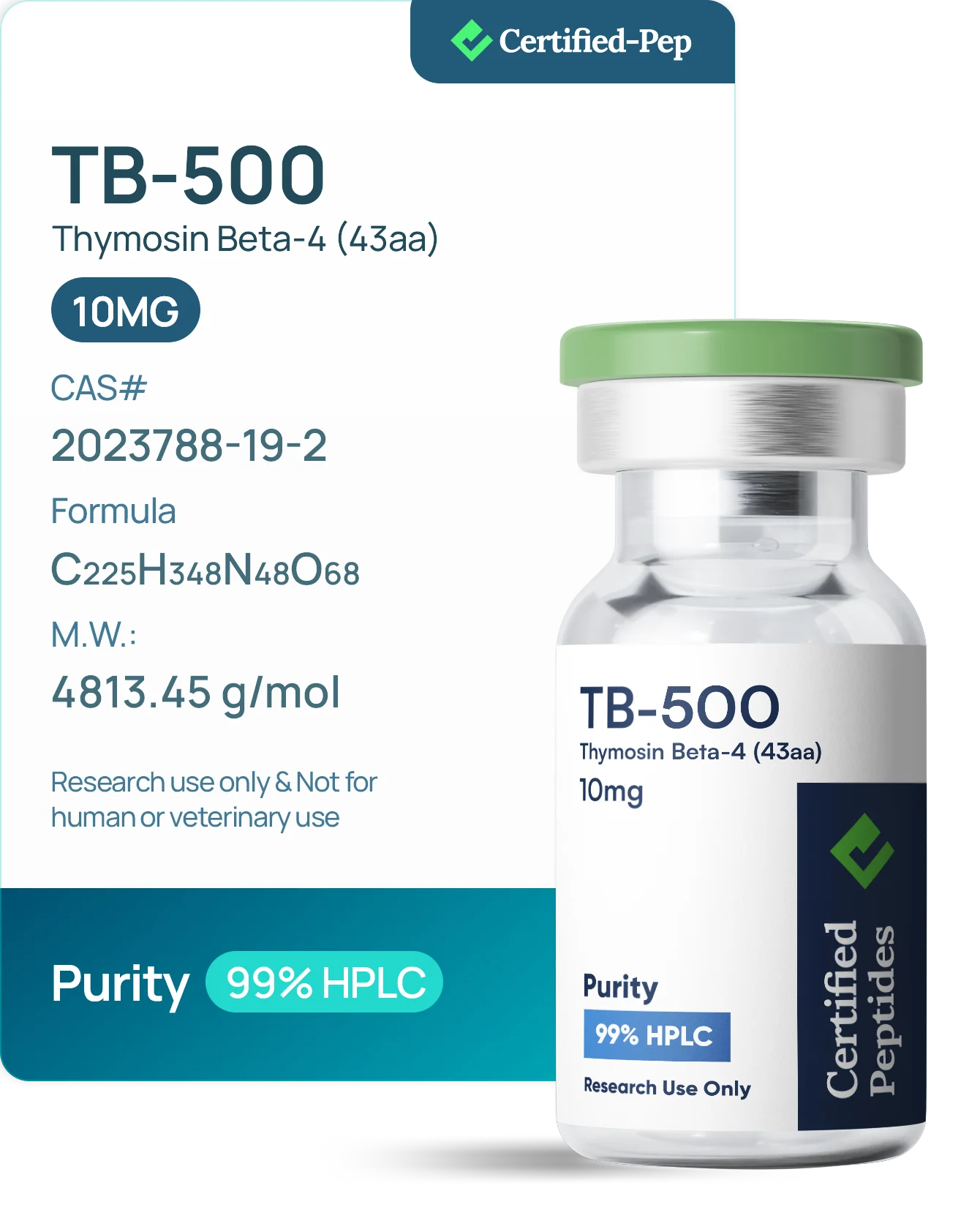
TB-500 10 MG
USD 70.00
In stock
Last synced: 2026-11-01 10:07
Add to retailer cart ↗View product details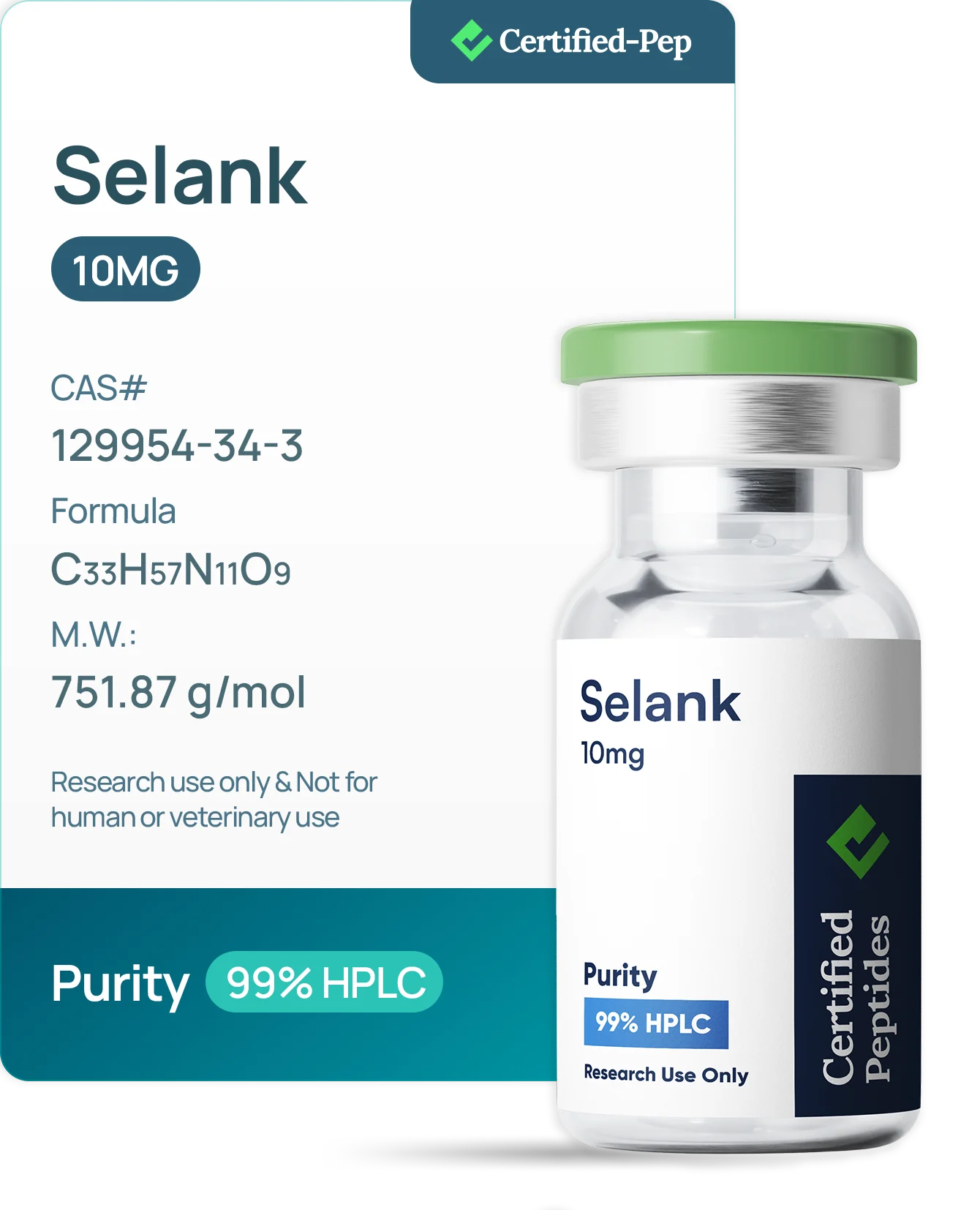
SELANK 10 MG
USD 50.00
In stock
Last synced: 2026-11-01 10:07
Add to retailer cart ↗View product details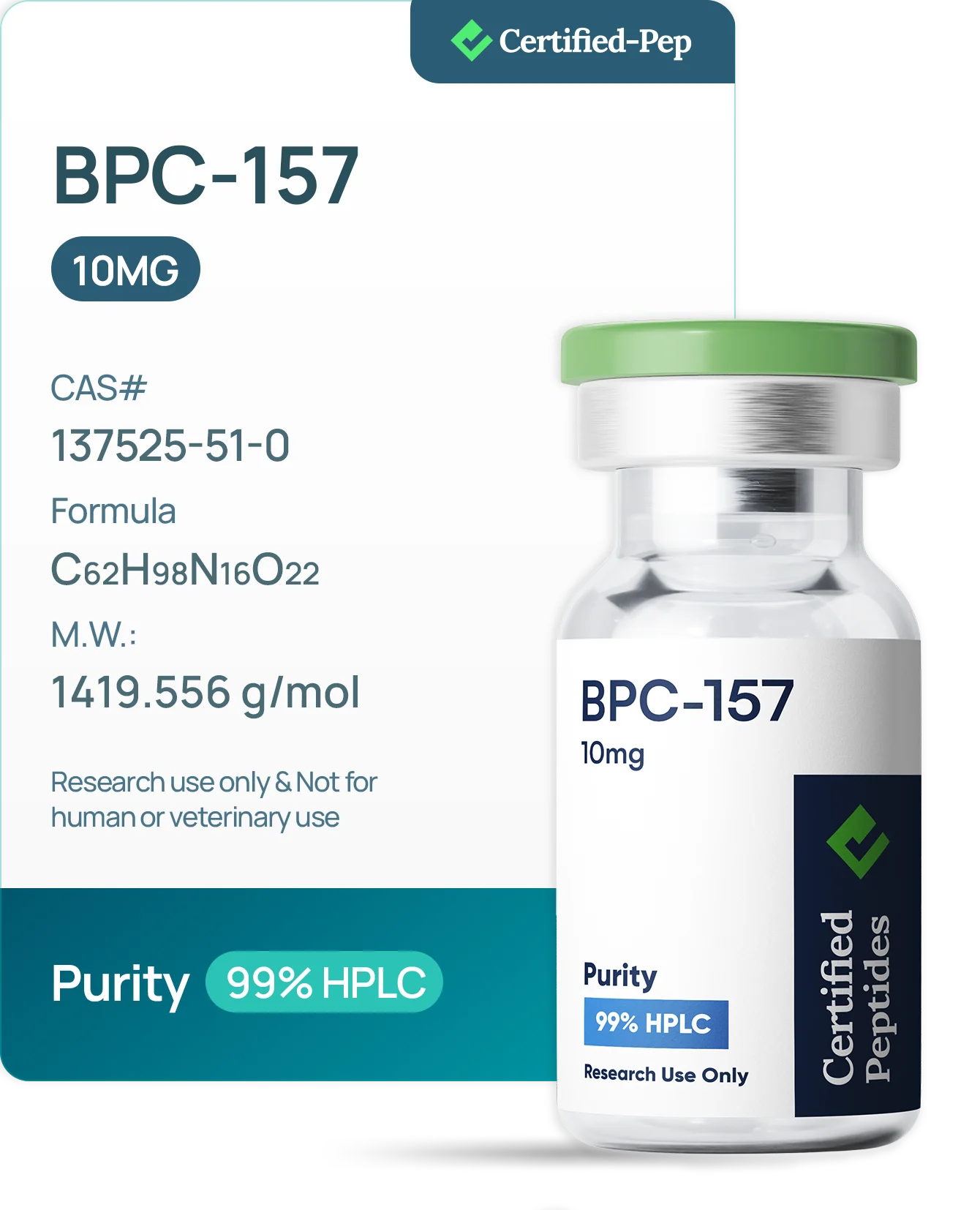
BPC-157 10 MG
USD 60.00
In stock
Last synced: 2026-11-01 10:07
Add to retailer cart ↗View product details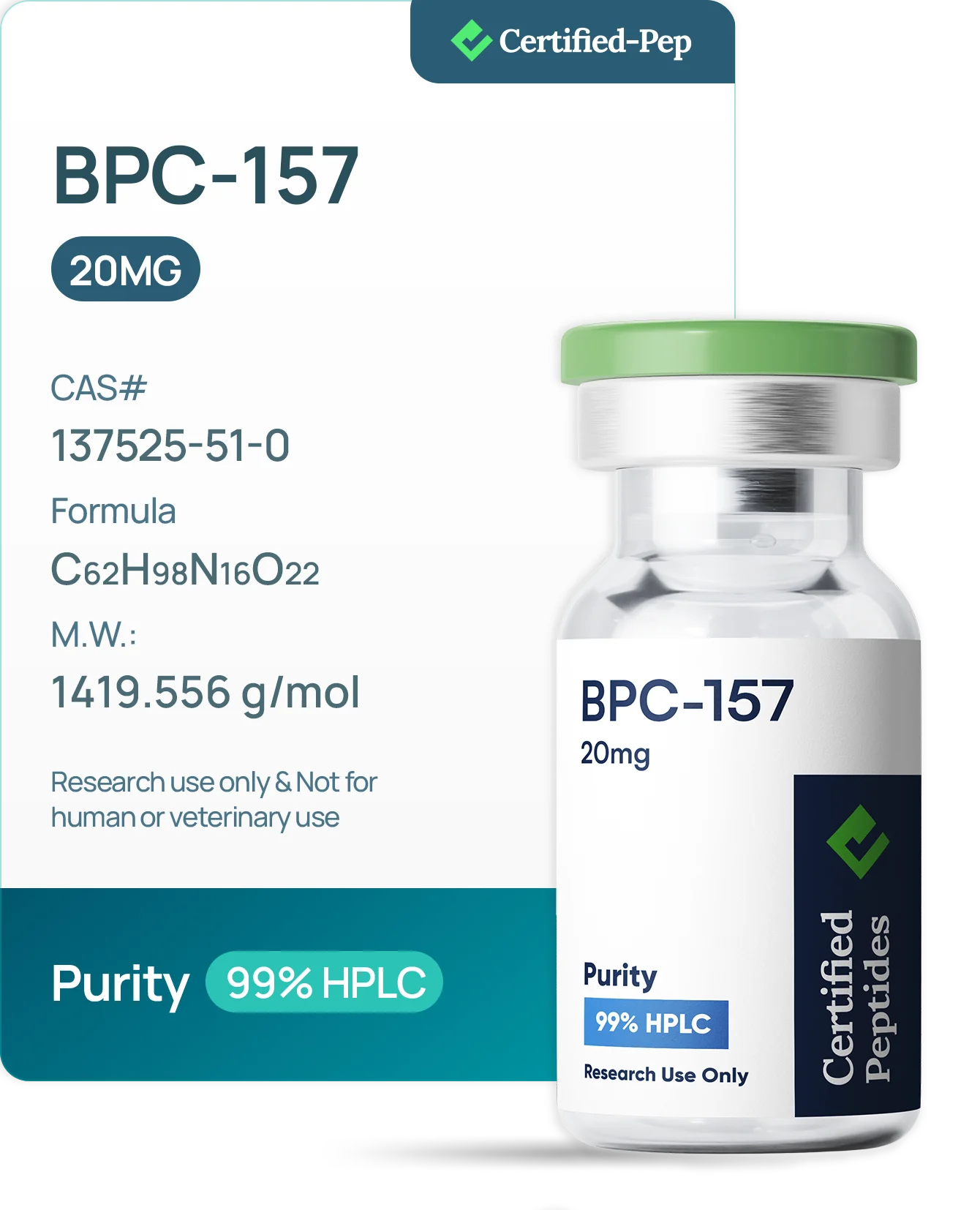
BPC-157 20 MG
USD 90.00
In stock
Last synced: 2026-11-01 10:07
Add to retailer cart ↗View product details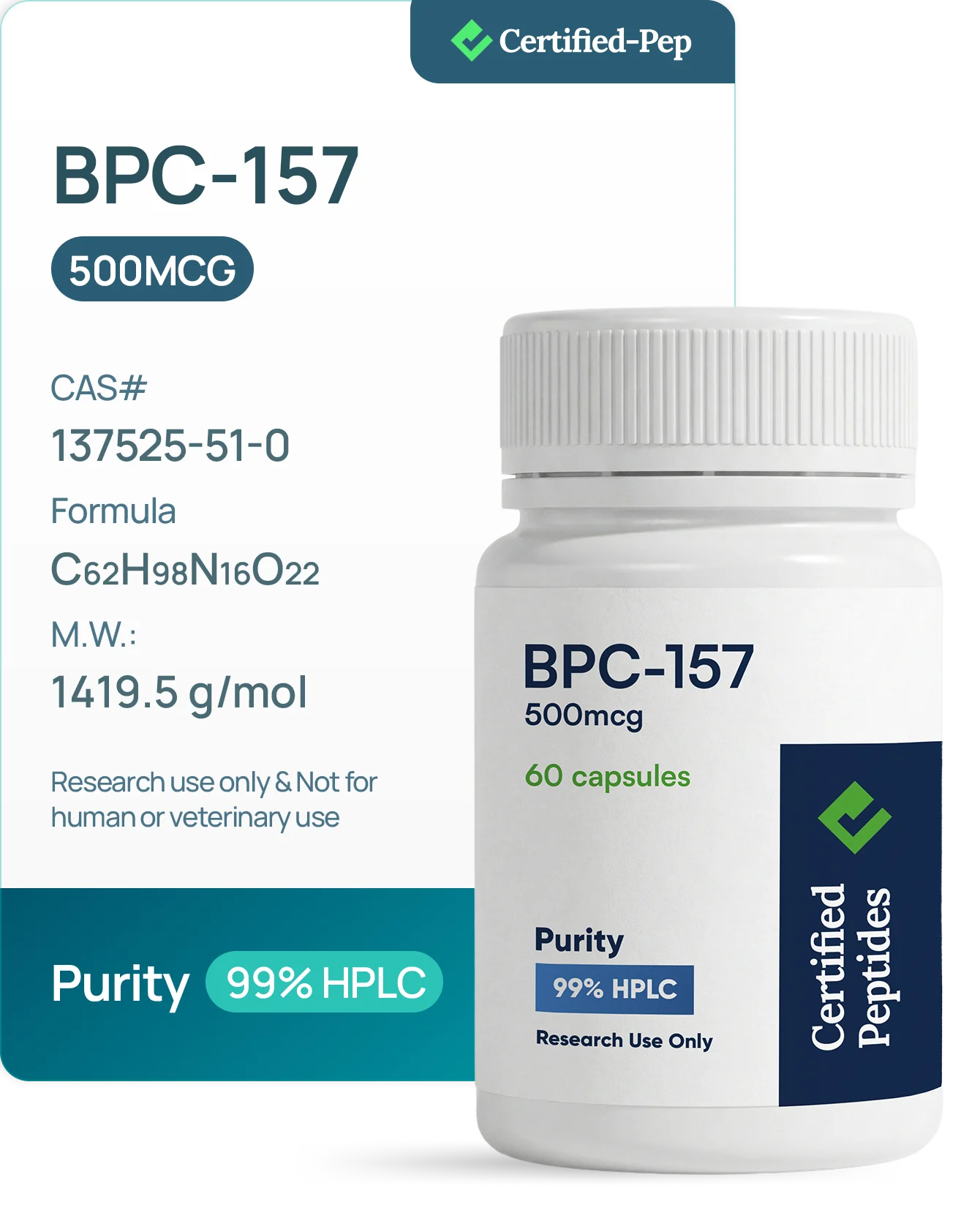
BPC-157 500 mcg 60 CAPSULES
USD 160.00 USD 100.00
In stock
Last synced: 2026-11-01 10:07
Add to retailer cart ↗View product details