
Why Doesn’t Lack of Animal Toxicity Prove Human Safety for BPC-157?
Absence of observed toxicity in animal studies of BPC-157 does not establish its safety in humans. Differences in metabolism, physiology, and exposure duration between species, as well as the lack of robust human clinical data, mean that animal findings cannot be directly extrapolated to human safety. Current evidence highlights the need for caution and further research before drawing conclusions about human risk.

Direct Answer
A lack of observed toxicity in animal studies of BPC-157 does not prove its safety in humans. Differences in species biology, metabolism, exposure duration, and study design mean that animal results cannot be directly extrapolated to human safety. No robust clinical safety data exist for BPC-157, so human risk remains unknown and unquantified Source 1.
What Is BPC-157 and How Has It Been Studied?
Body Protection Compound-157 (BPC-157) is a synthetic pentadecapeptide derived from a sequence found in human gastric juice. It has been the subject of extensive preclinical research, particularly in models of tissue injury and repair. Most published studies have used rodent models, with a few extending to other animals such as rabbits and dogs. These studies have explored BPC-157’s effects on musculoskeletal healing, angiogenesis, inflammation, and organ protection Source 1.
The systematic review by Vasireddi et al. (2025) identified 36 studies on BPC-157, of which 35 were preclinical (animal or in vitro) and only one was a retrospective human case series. The preclinical studies reported no acute toxicity or organ-specific adverse effects in animals, even at high doses and with various routes of administration. However, the review explicitly notes that no clinical safety data are available for humans Source 1.
Why Can’t Animal Toxicity Data Be Directly Applied to Humans?
Species Differences in Metabolism and Physiology
Animal models are valuable for initial safety screening, but significant biological differences exist between species. For example, BPC-157 is metabolized primarily in the liver and excreted via the kidneys in animal models, with a reported half-life of less than 30 minutes Source 1. However, human metabolic pathways, enzyme activities, and organ sensitivities can differ substantially from those of rodents or other test animals. These differences can affect how a compound is absorbed, distributed, metabolized, and eliminated, potentially altering both efficacy and toxicity profiles.
Dose and Exposure Duration
Most animal studies of BPC-157 have used relatively short observation periods (up to 6 weeks) and acute or subacute dosing regimens. Chronic toxicity, carcinogenicity, reproductive toxicity, and long-term organ effects are rarely assessed in these models. Human exposures, especially in the context of unregulated supplement use, may be longer or involve different dosing patterns, raising the possibility of adverse effects not captured in animal studies Source 1.
Study Design and Endpoints
Animal studies often focus on gross and histological organ pathology, acute lethality, and specific functional outcomes. Subtle or delayed adverse effects, such as immune modulation, endocrine disruption, or neuropsychiatric changes, may not be detected. Furthermore, animal models may not replicate the full spectrum of human genetic diversity, comorbidities, or environmental exposures that can influence drug safety.
What Did Preclinical Safety Studies of BPC-157 Actually Show?
The systematic review summarized three preclinical safety studies assessing BPC-157 in rats, dogs, and rabbits. These studies reported: - No acute toxicity or lethal dose observed at doses from 6 μg/kg to 20 mg/kg over 6 weeks. - No gross or microscopic pathology in major organs (liver, spleen, kidney, lung, brain, thymus, reproductive organs). - No local irritation or hypersensitivity in injection site studies. - No evidence of mutagenicity or genotoxicity in in vitro assays. - No teratogenicity in rat pregnancy models at the studied doses Source 1.
While these findings suggest a lack of acute toxicity in animals, the review emphasizes that no studies assessed adverse events beyond 6 weeks or evaluated chronic, cumulative, or rare toxicities. Importantly, no controlled human safety studies were identified.
What Are the Limitations of the Current Evidence?
Lack of Human Clinical Safety Data
The most significant limitation is the absence of robust human safety data. Only one retrospective case series (n=12) was identified, which reported subjective symptom improvement after intraarticular BPC-157 injection for knee pain, but did not systematically assess adverse events or long-term safety Source 1. No randomized controlled trials or formal phase I safety studies have been published.
Heterogeneity and Quality of Preclinical Studies
The included animal studies varied widely in design, dosing, endpoints, and reporting standards. Most were conducted by a small number of research groups, raising concerns about reproducibility and potential publication bias. The review notes that the heterogeneity of study designs precluded quantitative meta-analysis and limits the generalizability of findings Source 1.
Unregulated Manufacturing and Contamination Risks
BPC-157 is not approved by the US Food and Drug Administration (FDA) and is sold as a research chemical or supplement, often without quality control or regulatory oversight. The review highlights that between 12% and 58% of ergogenic supplements are contaminated with undeclared substances, which can introduce additional safety risks unrelated to BPC-157 itself Source 1.
Short Observation Periods and Lack of Chronic Toxicity Data
No studies assessed the effects of BPC-157 beyond 6 weeks of administration. Chronic toxicity, carcinogenicity, and rare adverse events may not manifest within this time frame. Human exposures, particularly in the context of self-administration or unregulated use, could be much longer.
How Do Regulatory Agencies View BPC-157 Safety?
The FDA has classified BPC-157 as a Category 2 bulk drug substance, indicating significant safety concerns and prohibiting its compounding by commercial pharmaceutical companies due to insufficient evidence regarding human harm Source 1. Major sports organizations, including the World Anti-Doping Agency (WADA), have banned BPC-157, citing its unapproved status and lack of safety data. These regulatory stances reflect the precautionary principle in the absence of adequate human safety evidence.
What Are the Potential Human Risks Not Captured in Animal Studies?
Idiosyncratic and Rare Adverse Events
Some adverse drug reactions are idiosyncratic or rare, occurring only in certain individuals due to genetic, metabolic, or immunological factors. Animal studies, especially those with small sample sizes and limited genetic diversity, are unlikely to detect such events. Human populations are more heterogeneous, and rare toxicities may only become apparent after widespread use.
Immunogenicity and Hypersensitivity
Peptides can elicit immune responses, including hypersensitivity, autoimmunity, or antibody formation, which may not be predicted by animal studies. The review notes that BPC-157 did not induce acute local irritation or anaphylaxis in rabbits, but this does not rule out the possibility of immune-mediated adverse effects in humans Source 1.
Drug Interactions and Comorbidities
Humans may take multiple medications or have underlying health conditions that alter drug metabolism or increase susceptibility to adverse effects. Animal studies typically use healthy, young animals and do not account for polypharmacy or comorbidities common in human populations.
What Is the Current Consensus on BPC-157 Safety?
The systematic review concludes that while BPC-157 has shown no acute toxicity in animal models, the lack of clinical safety data precludes any evidence-based recommendations for human use. The authors explicitly recommend caution and highlight the need for further basic science and clinical studies to validate preliminary findings Source 1.
Frequently Asked Questions (FAQ)
Q: Has BPC-157 been proven safe in humans? A: No. There are no published controlled clinical safety studies in humans. The only available human data are from a small retrospective case series that did not systematically assess safety Source 1.
Q: Are there any known side effects of BPC-157 in humans? A: No systematic data exist. The review notes anecdotal reports of adverse effects such as injection site pain, joint pain, anxiety, and other symptoms, but these are unverified and may be due to contaminants or unrelated factors Source 1.
Q: Why do regulatory agencies restrict BPC-157? A: Due to insufficient evidence of safety and efficacy in humans, and concerns about unregulated manufacturing and contamination, BPC-157 is not approved for human use by the FDA and is banned by major sports organizations Source 1.
Evidence Limitations and Key Takeaways
- Animal studies of BPC-157 report no acute toxicity, but these findings cannot be extrapolated to humans due to species differences, limited observation periods, and lack of chronic or rare toxicity assessment.
- No controlled human safety studies have been published; the only human data are from a small, retrospective case series.
- Regulatory agencies and sports organizations restrict BPC-157 due to insufficient safety evidence and the risks associated with unregulated products.
- The absence of observed animal toxicity does not prove human safety. Robust, controlled clinical trials are required to establish safety profiles for human use.
For research and educational purposes only. Not medical advice. Research products are not for human or veterinary use.
Sources
- Emerging Use of BPC-157 in Orthopaedic Sports Medicine: A Systematic Review. https://pmc.ncbi.nlm.nih.gov/articles/PMC12313605/
Continue exploring
TRACE THE EVIDENCE
Sources & further reading
RELATED PRODUCT INFORMATION
From the Certified Pep catalog.
Product references are informational, not a recommendation for human use. Prices and availability must be verified at retailer checkout.
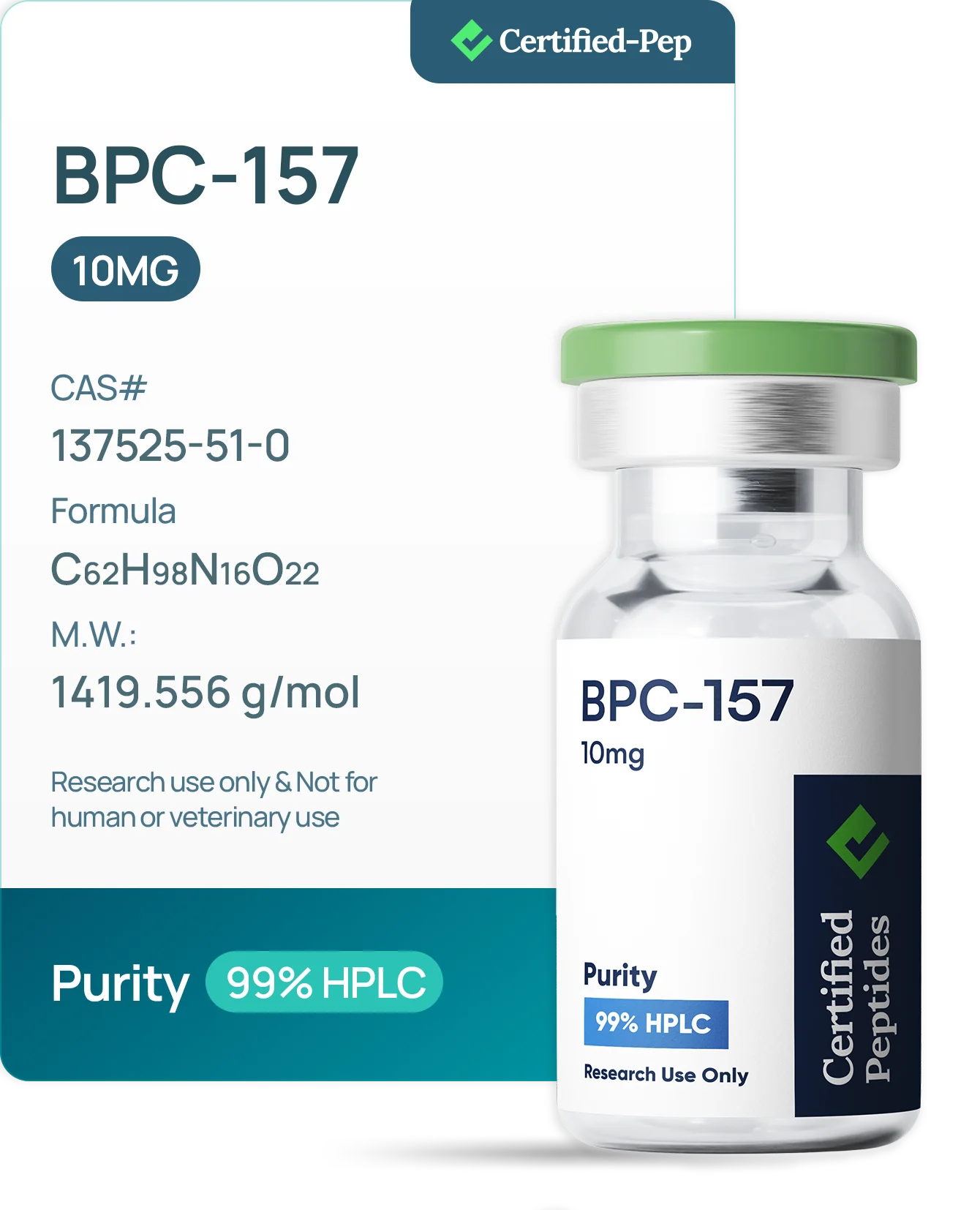
BPC-157 10 MG
USD 60.00
In stock
Last synced: 2026-11-01 10:07
Add to retailer cart ↗View product details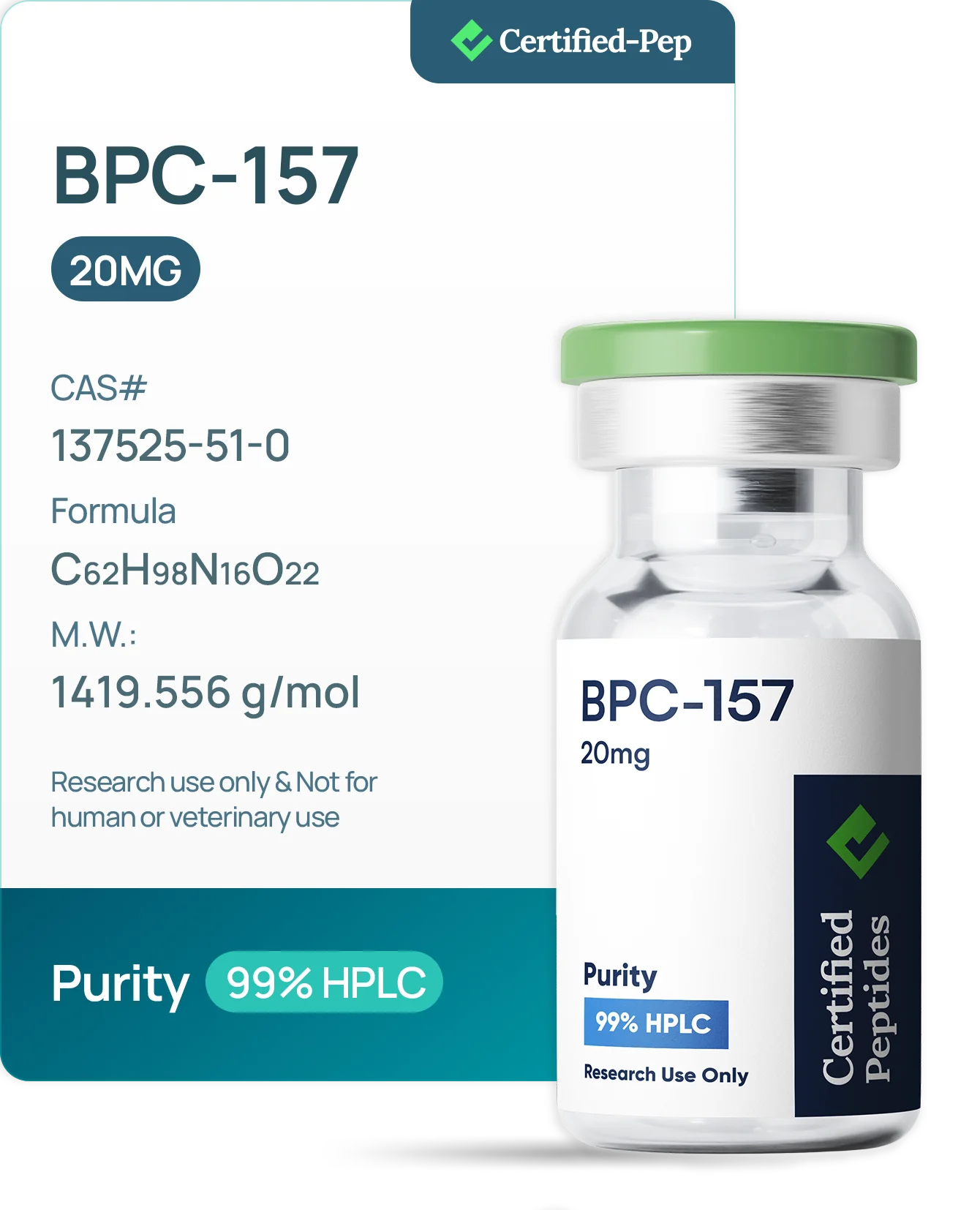
BPC-157 20 MG
USD 90.00
In stock
Last synced: 2026-11-01 10:07
Add to retailer cart ↗View product details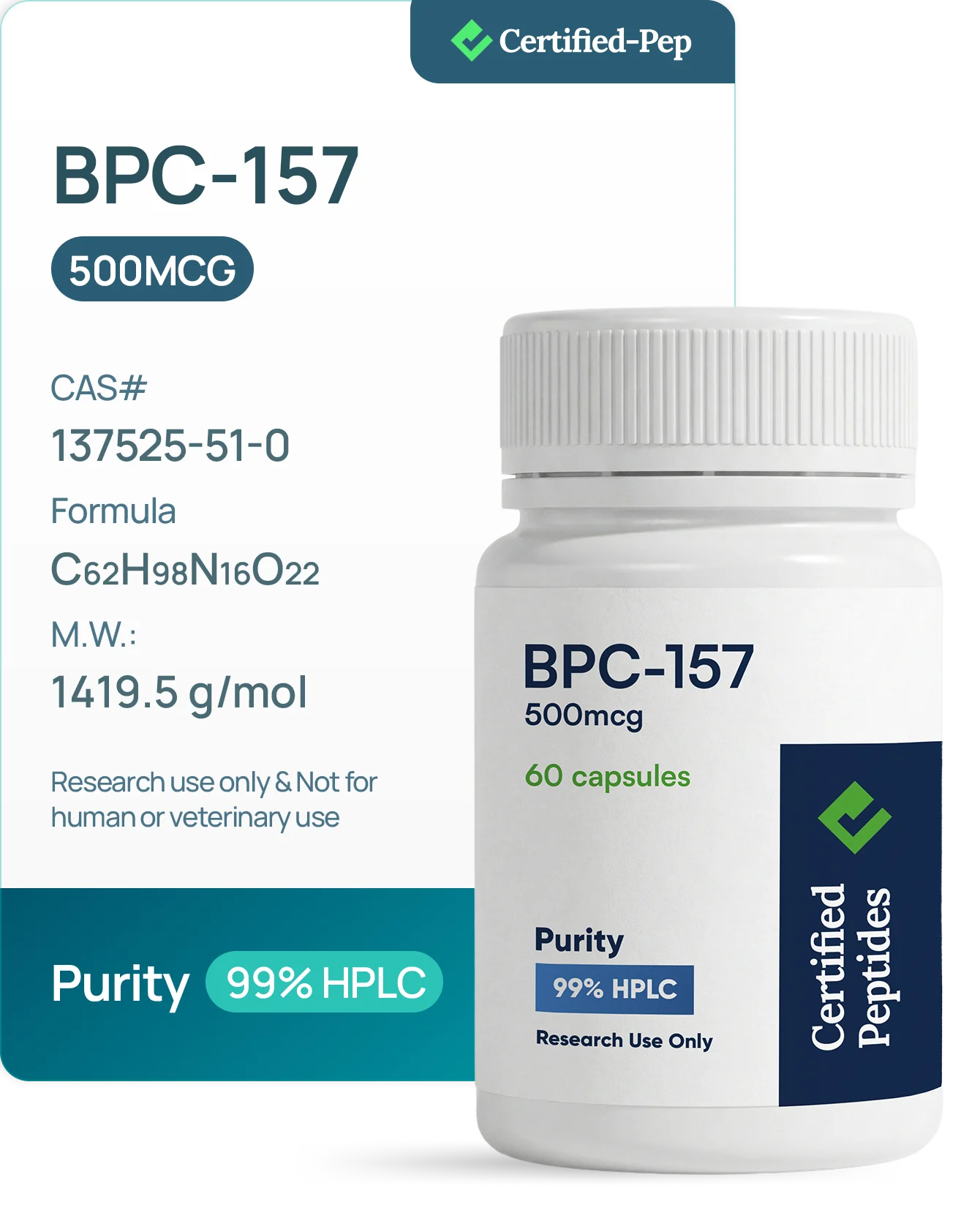
BPC-157 500 mcg 60 CAPSULES
USD 160.00 USD 100.00
In stock
Last synced: 2026-11-01 10:07
Add to retailer cart ↗View product details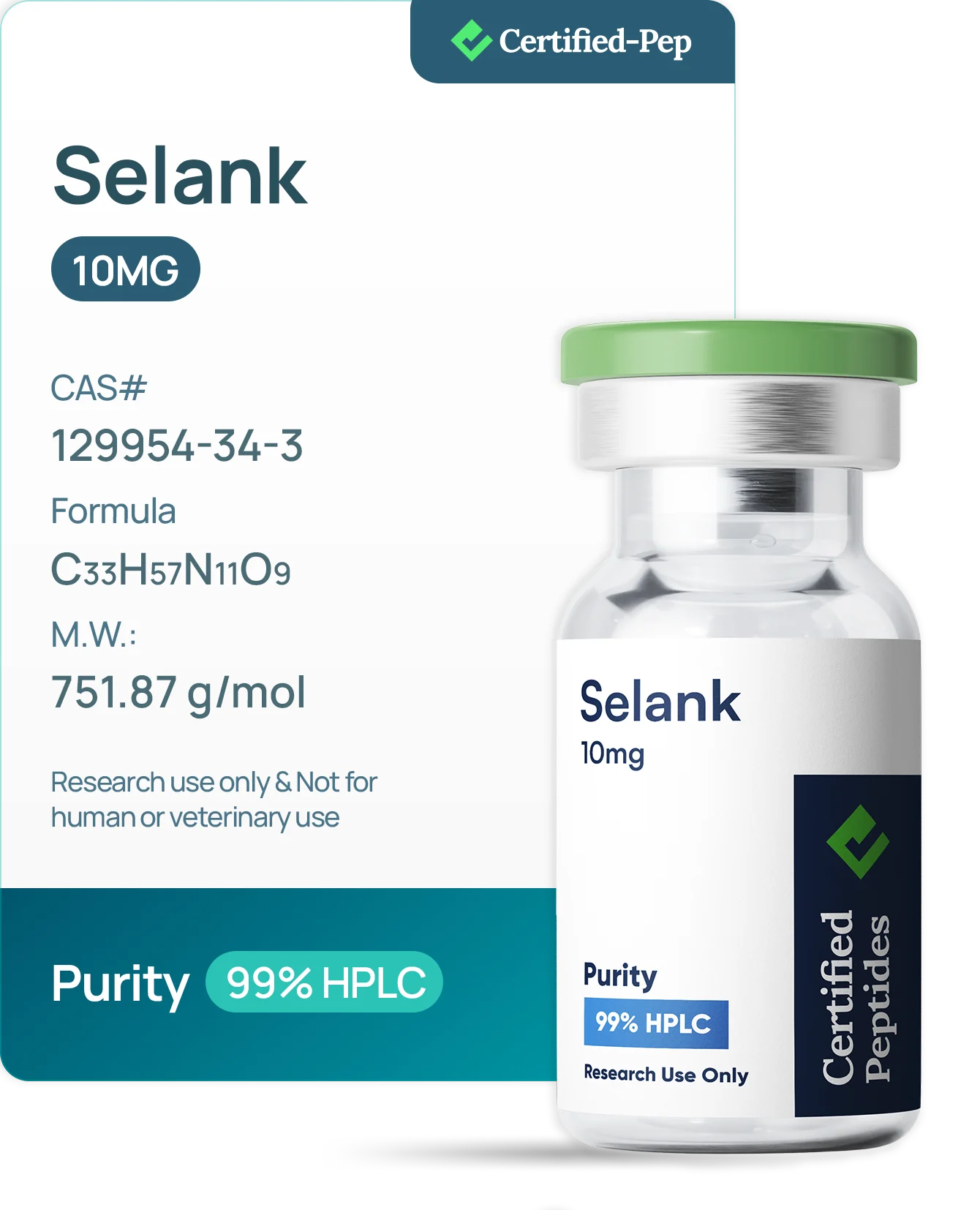
SELANK 10 MG
USD 50.00
In stock
Last synced: 2026-11-01 10:07
Add to retailer cart ↗View product details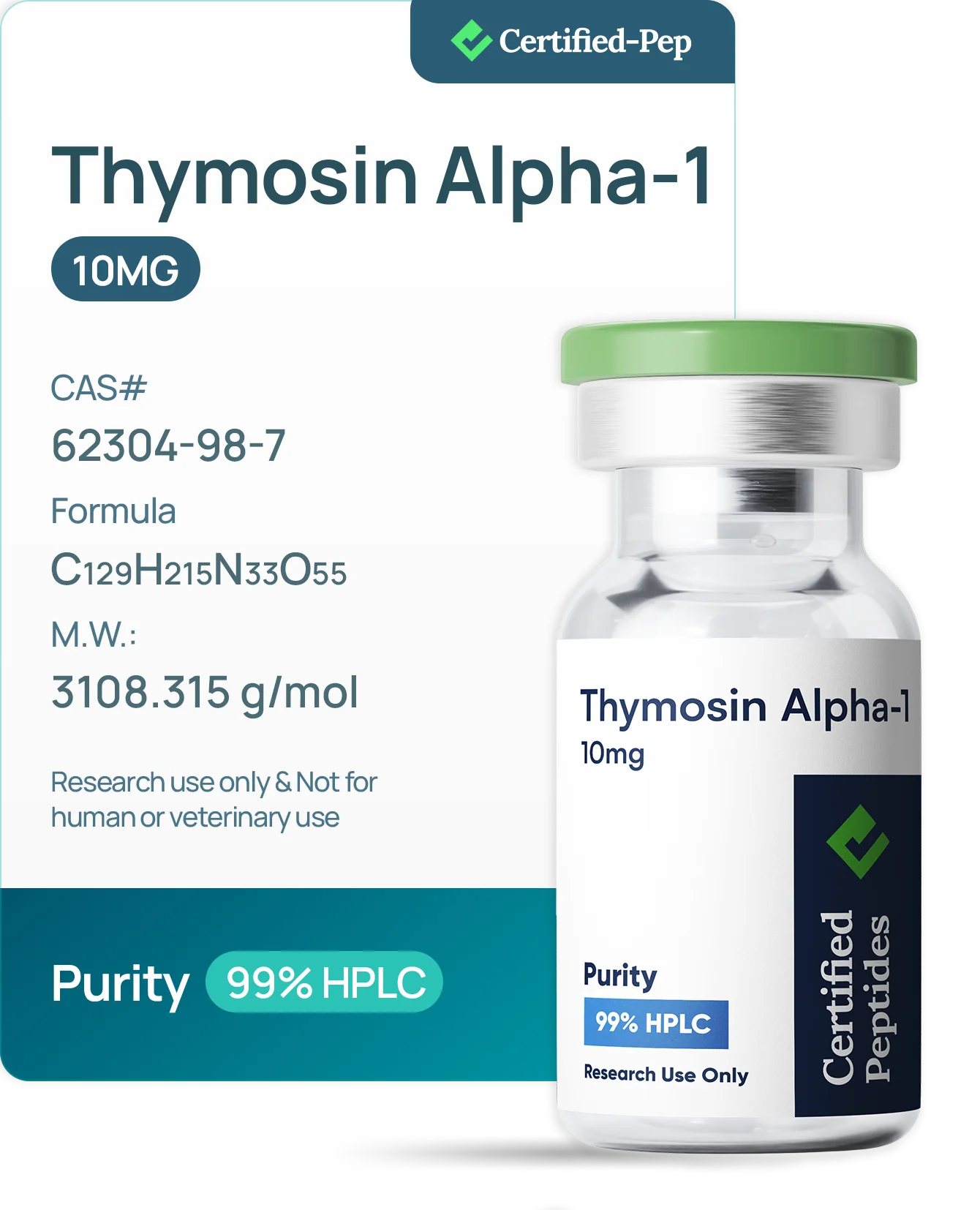
THYMOSIN ALPHA-1 10MG
USD 78.00
In stock
Last synced: 2026-11-01 10:07
Add to retailer cart ↗View product details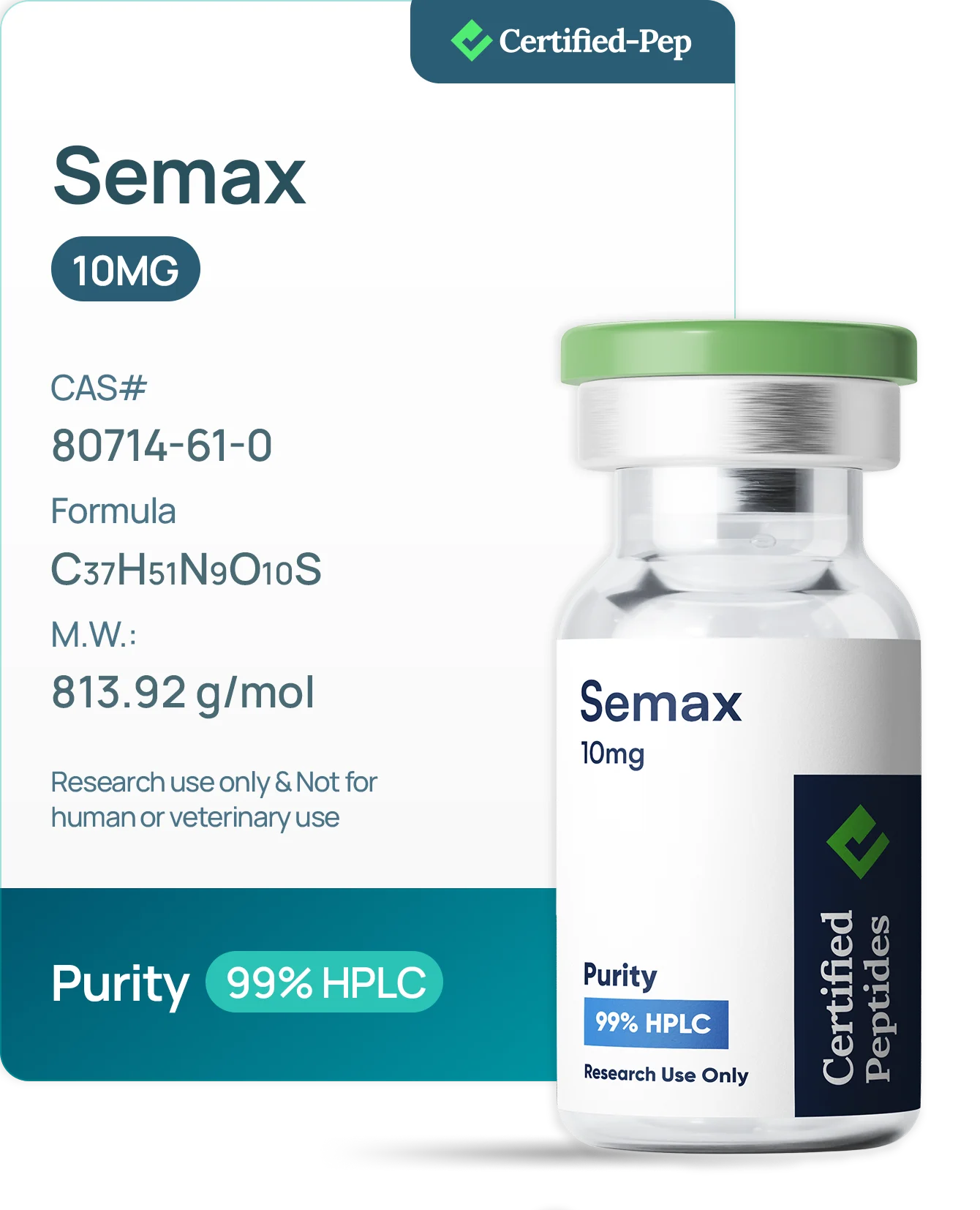
SEMAX 10MG
USD 54.00
In stock
Last synced: 2026-11-01 10:07
Add to retailer cart ↗View product details