
Distinguishing Proposed and Established Thymosin Alpha-1 Applications: An Evidence-Based Approach
A technical review on how to critically separate hypothesized from established uses of thymosin alpha-1 in narrative reviews, with a focus on research methods, clinical trial evidence, and the limitations of current data.

Introduction: The Challenge of Interpreting Narrative Reviews on Thymosin Alpha-1
Thymosin alpha-1 (Tα1) is a 28-amino acid peptide derived from the thymus, recognized for its immunomodulatory properties and investigated across a spectrum of infectious, oncologic, and immunodeficiency conditions. Narrative reviews often present both proposed and established applications, sometimes blurring the distinction between hypotheses, preclinical findings, and rigorously demonstrated clinical effects. For scientifically literate readers, it is essential to critically evaluate the evidence hierarchy and methodological rigor underlying each claim, especially when narrative reviews synthesize diverse study types and historical perspectives Source 1.
This resource provides a structured approach to discerning proposed from established uses of Tα1, emphasizing the importance of study design, endpoints, and the limitations inherent in narrative reviews.
Defining Thymosin Alpha-1 and Its Mechanisms
Tα1 is endogenously produced in the thymus and is involved in the maturation and differentiation of T lymphocytes, activation of dendritic and natural killer cells, and modulation of cytokine-mediated inflammation. Its synthetic analog, thymalfasin, is used in research and, in some countries, clinical settings. Mechanistically, Tα1 acts as an agonist for toll-like receptors (TLR)-2 and TLR-9, stimulating both innate and adaptive immune responses. These properties have led to its investigation in a wide range of disease models, from viral infections to malignancies Source 1.
However, mechanistic plausibility or in vitro activity does not equate to established clinical benefit. Many narrative reviews discuss Tα1’s biochemical and immunological effects as a rationale for proposed applications, but these should not be conflated with demonstrated efficacy in controlled human studies.
Study Types: From Preclinical Models to Human Trials
In Vitro and Animal Studies
Preclinical research on Tα1 includes in vitro experiments (e.g., effects on cultured immune cells) and animal models (e.g., murine studies of infection or cancer). These studies are valuable for elucidating mechanisms, such as Tα1’s ability to increase cytokine production or reduce oxidative damage in rodent tissues. For example, Tα1 has been shown to enhance T cell maturation and function in cell culture and to reduce tumor growth or oxidative stress in animal models Source 1.
Limitation: Results from these models cannot be directly extrapolated to human clinical outcomes. Narrative reviews may cite such findings to propose new applications, but readers should recognize these as hypothesis-generating, not confirmatory.
Observational and Uncontrolled Human Studies
Some narrative reviews reference case series or uncontrolled studies in humans, such as reports of Tα1 use in immunodeficient or cancer patients. While these can provide preliminary safety and feasibility data, they lack the controls necessary to attribute observed effects specifically to Tα1.
Limitation: Without randomization or control groups, these studies are highly susceptible to confounding and bias. Claims based on such evidence should be considered tentative.
Controlled Human Trials
The most robust evidence for Tα1 comes from randomized controlled trials (RCTs) and meta-analyses. For example, Tα1 has been evaluated as monotherapy and in combination with interferon-alpha for chronic hepatitis B and C, as an adjunct in sepsis, and as an immune enhancer in certain malignancies. Some RCTs have reported statistically significant improvements in virological or immunological endpoints, while others have not Source 1.
Key Point: Only findings from well-conducted RCTs or systematic reviews should be considered established evidence for clinical efficacy. Narrative reviews may summarize these results, but readers should seek direct references to primary trial data.
Examples of Proposed Versus Established Applications
Established Applications (Supported by Controlled Human Data)
- Chronic Hepatitis B and C: Tα1 (thymalfasin) was previously approved in several countries for hepatitis B and C, based on RCTs showing improved virological response rates, particularly in combination with interferon-alpha. However, with the advent of direct-acting antivirals, its use in these indications has declined Source 1.
- Sepsis: Meta-analyses and multicenter RCTs in China have reported reduced mortality in sepsis patients treated with Tα1, though results are not universally consistent and may not generalize beyond the studied populations Source 1.
- HIV and Immune Deficiency: Some controlled studies have shown Tα1 can increase CD4+ T cell counts and enhance immune reconstitution in HIV-infected patients, especially as an adjunct to antiretroviral therapy Source 1.
Proposed or Investigational Applications (Based on Preclinical or Limited Human Data)
- COVID-19: Narrative reviews and early clinical reports have postulated that Tα1 may benefit patients with severe COVID-19 by restoring lymphocyte counts or modulating cytokine responses. However, as of the cited review’s publication, ongoing clinical trials had not yet reported definitive results, and recommendations remain speculative Source 1.
- Cancer (Beyond Approved Indications): While Tα1 has shown anti-proliferative effects in cell lines and animal models, and some small trials suggest benefit as an adjunct in certain cancers, large-scale, definitive RCTs are lacking for most malignancies Source 1.
- Autoimmune and Inflammatory Diseases: Proposed uses in conditions such as psoriatic arthritis or as a vaccine adjuvant are supported by mechanistic rationale and limited clinical data, but not by large, confirmatory trials Source 1.
Methodological Considerations in Narrative Reviews
Narrative reviews synthesize a broad range of studies, often including: - Historical context and biochemical rationale - Preclinical (in vitro, animal) findings - Case reports and uncontrolled series - Controlled clinical trials - Regulatory and commercial status
Unlike systematic reviews, narrative reviews may not rigorously assess study quality, risk of bias, or the strength of causal inference. Readers should be cautious when reviews: - Present mechanistic or preclinical findings alongside clinical outcomes without clear distinction - Use language such as “has been shown to” or “could be beneficial” without specifying the evidence level - Cite ongoing or unpublished trials as evidence of efficacy
Interpreting Tables and Summaries in Reviews
Tables summarizing Tα1 studies often mix preclinical, observational, and controlled trial data. For example, a table may list in vitro anti-tumor effects, animal studies of oxidative damage, and human RCTs of hepatitis B in adjacent rows Source 1. Readers should: - Identify the study type for each entry - Note whether endpoints are mechanistic (e.g., cytokine levels), surrogate (e.g., T cell counts), or clinical (e.g., mortality, disease progression) - Treat preclinical and surrogate endpoint findings as hypothesis-generating, not confirmatory
Regulatory and Historical Context
Tα1 (thymalfasin) is approved for certain indications in some countries, but not universally. Historical approvals (e.g., for hepatitis B/C) may not reflect current clinical practice, especially as new therapies emerge. Narrative reviews may reference regulatory status, but readers should verify whether approvals are current and supported by up-to-date evidence Source 1.
Evidence Limitations and Unresolved Questions
- Heterogeneity of Study Designs: Many Tα1 studies differ in patient populations, dosing regimens, endpoints, and comparator arms, complicating synthesis.
- Publication Bias: Positive findings are more likely to be published and cited in reviews, potentially overstating efficacy.
- Generalizability: Results from studies in specific populations (e.g., Chinese sepsis trials) may not apply globally.
- Evolving Standards of Care: The clinical relevance of Tα1 in hepatitis B/C has diminished with the advent of direct-acting antivirals.
- Ongoing Trials: For emerging indications (e.g., COVID-19), definitive data are pending, and narrative reviews may overstate the maturity of the evidence base.
Practical Steps for Critical Appraisal
- Identify the Evidence Level: For each claimed application, determine whether the supporting data are preclinical, observational, or from controlled human trials.
- Seek Primary Sources: When narrative reviews cite efficacy, consult the referenced primary studies to assess design and outcomes.
- Distinguish Mechanistic from Clinical Endpoints: Improvements in immune markers or cell counts do not necessarily translate to clinical benefit.
- Be Wary of Extrapolation: Avoid inferring human efficacy from animal or cell studies.
- Check Regulatory Status: Confirm whether approvals are current and based on robust evidence.
Key Takeaways
- Narrative reviews on Tα1 often present a mix of proposed and established applications; readers must critically separate mechanistic hypotheses and preclinical findings from rigorously demonstrated clinical effects.
- Established uses of Tα1 are supported by controlled human trials (e.g., certain viral infections, sepsis), but many proposed applications remain investigational.
- Methodological limitations, publication bias, and evolving standards of care necessitate cautious interpretation of review conclusions.
- Direct consultation of primary trial data and awareness of study design are essential for evidence-based appraisal.
For research and educational purposes only. Not medical advice. Research products are not for human or veterinary use.
Sources
- Thymosin alpha 1: A comprehensive review of the literature. World J Virol. 2020 Dec 15;9(5):67–78. https://pmc.ncbi.nlm.nih.gov/articles/PMC7747025/
Continue exploring
TRACE THE EVIDENCE
Sources & further reading
RELATED PRODUCT INFORMATION
From the Certified Pep catalog.
Product references are informational, not a recommendation for human use. Prices and availability must be verified at retailer checkout.
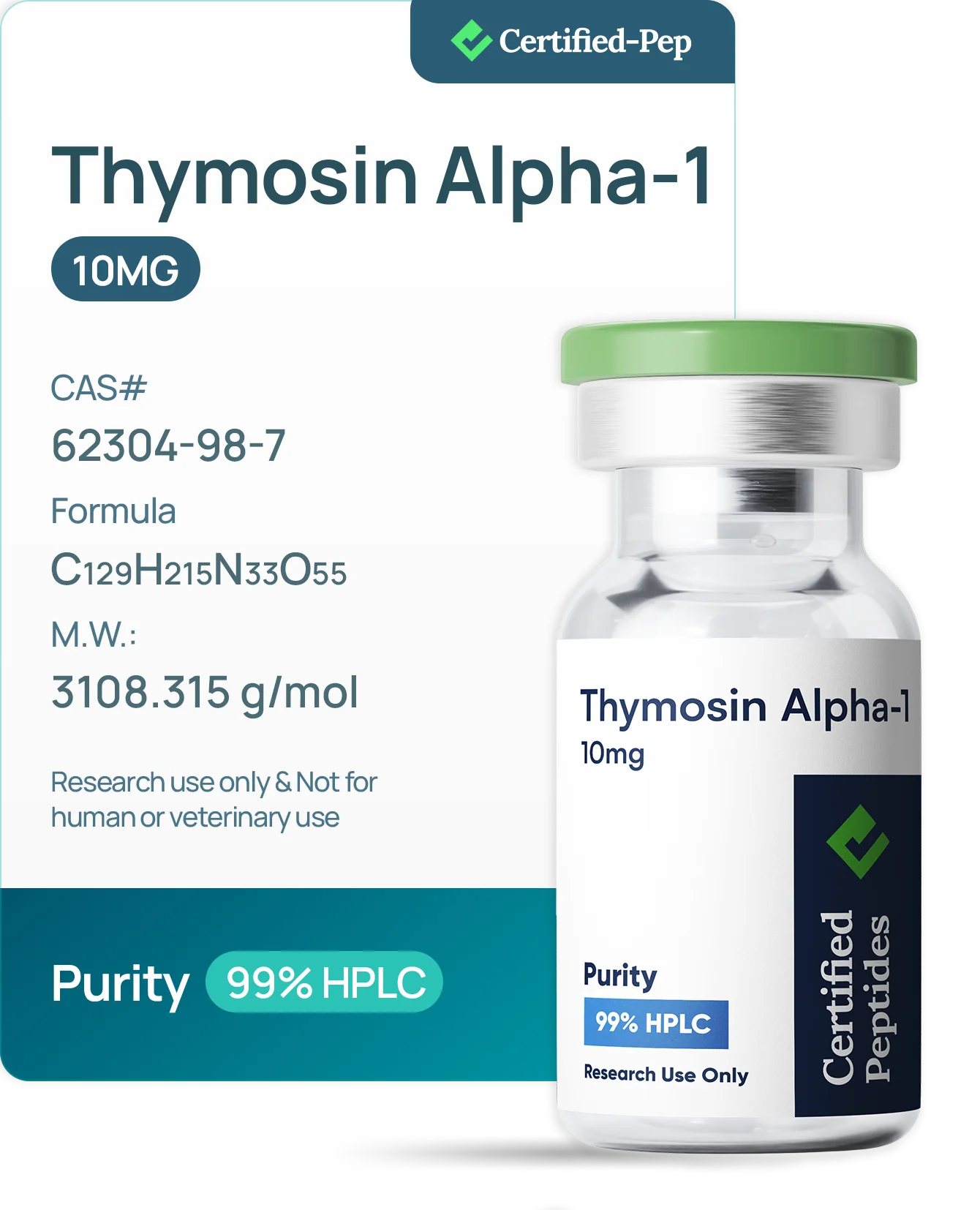
THYMOSIN ALPHA-1 10MG
USD 78.00
In stock
Last synced: 2026-11-01 10:07
Add to retailer cart ↗View product details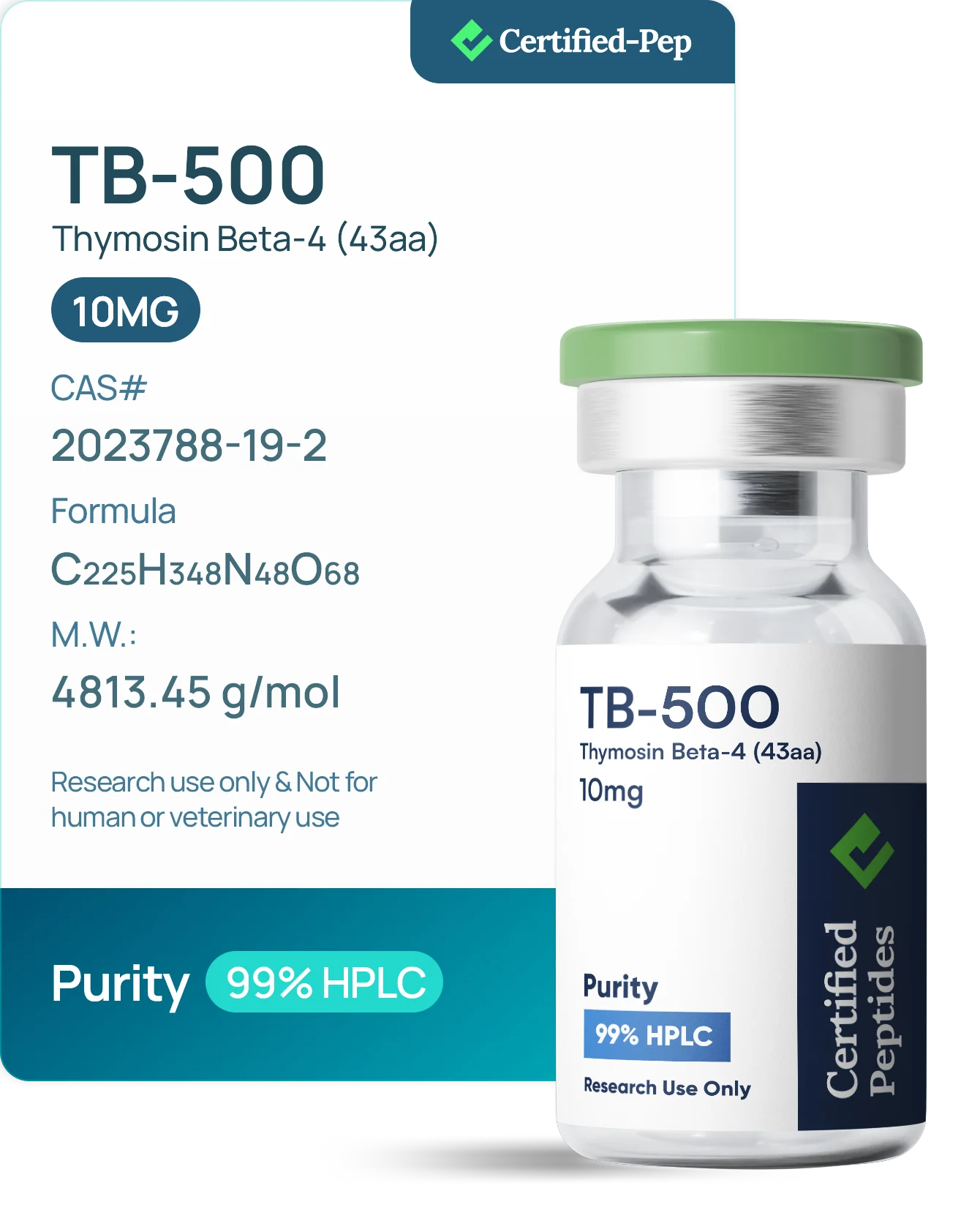
TB-500 10 MG
USD 70.00
In stock
Last synced: 2026-11-01 10:07
Add to retailer cart ↗View product details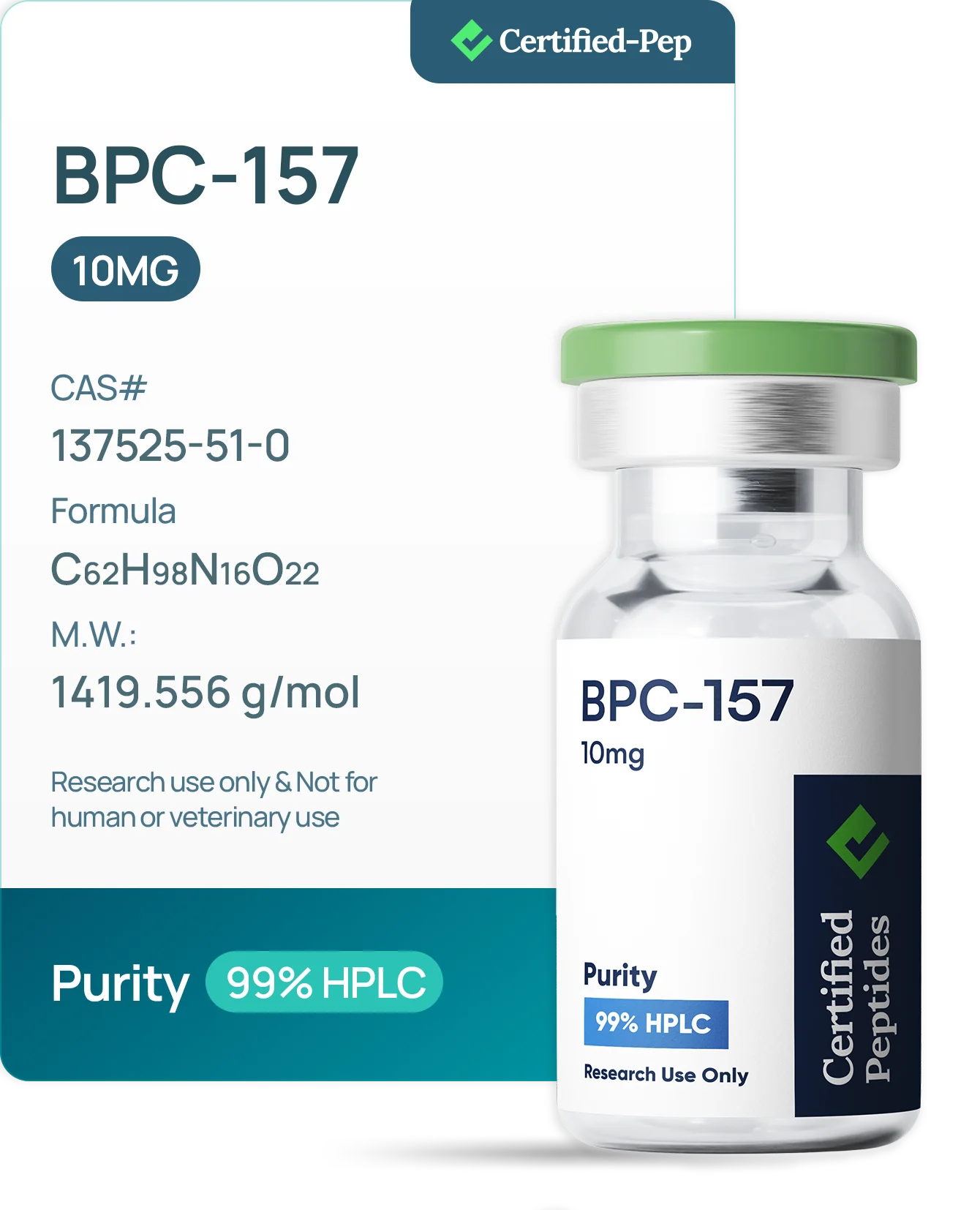
BPC-157 10 MG
USD 60.00
In stock
Last synced: 2026-11-01 10:07
Add to retailer cart ↗View product details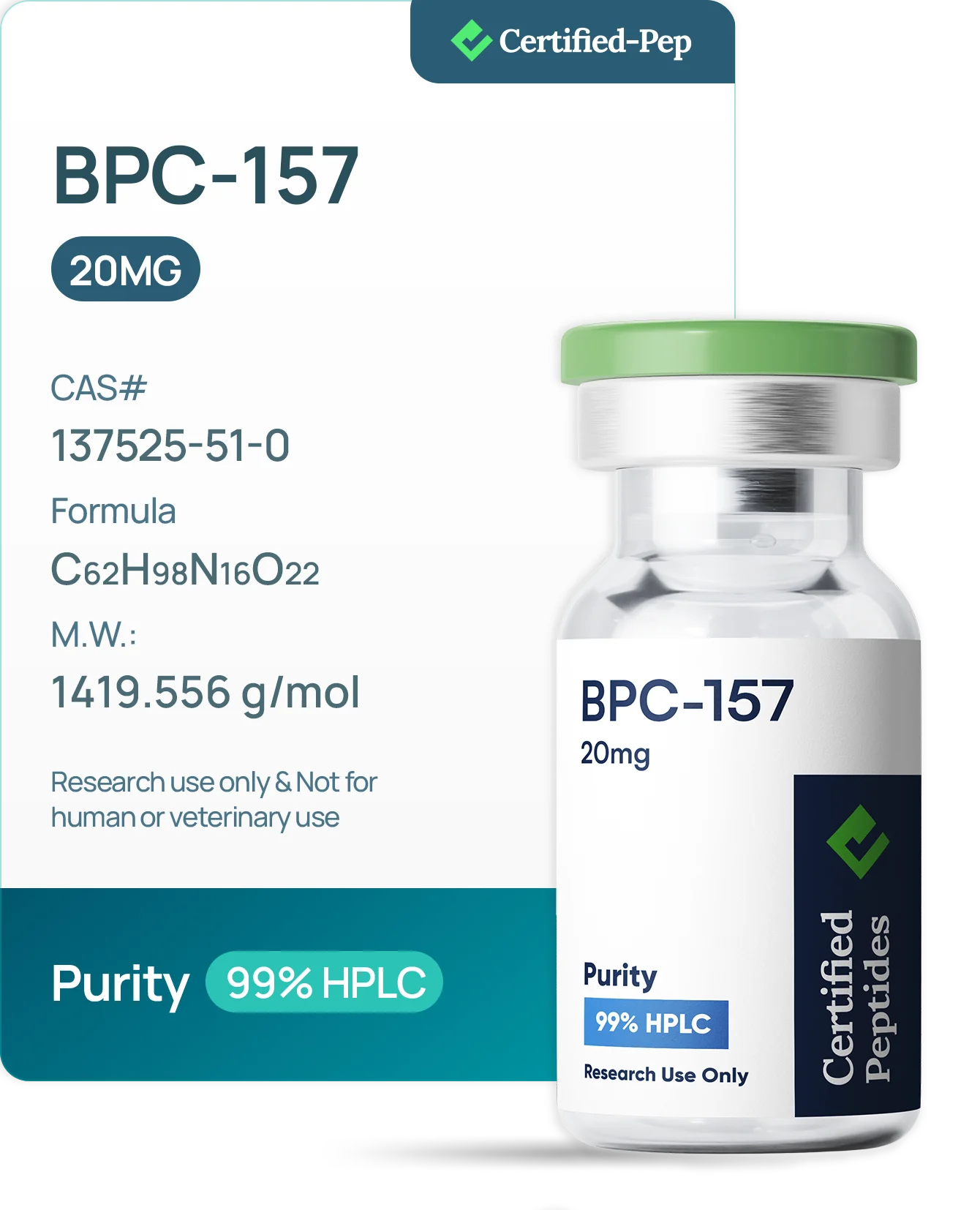
BPC-157 20 MG
USD 90.00
In stock
Last synced: 2026-11-01 10:07
Add to retailer cart ↗View product details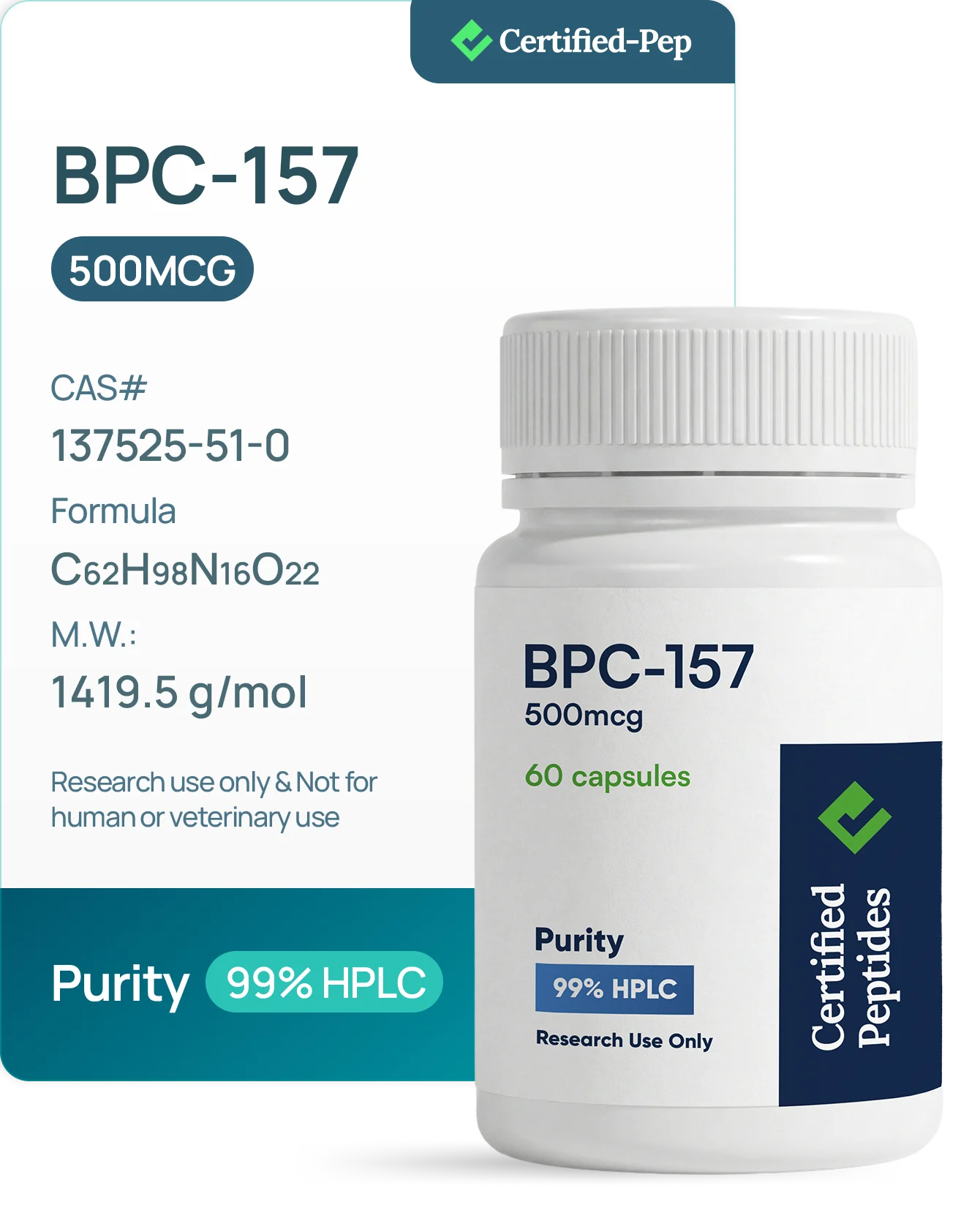
BPC-157 500 mcg 60 CAPSULES
USD 160.00 USD 100.00
In stock
Last synced: 2026-11-01 10:07
Add to retailer cart ↗View product details