
Understanding the Value of Systematic Reviews in BPC-157 Research
A systematic review of BPC-157 research offers a structured synthesis of preclinical and limited clinical findings, highlighting mechanisms, outcomes, and safety data while clarifying the limitations and uncertainties that individual studies cannot address alone.

Introduction: Why Systematic Reviews Matter in Peptide Research
Systematic reviews are a cornerstone of evidence-based science, especially in fields with rapidly expanding but heterogeneous literature such as peptide research. For peptides like Body Protection Compound-157 (BPC-157), which has garnered attention for its potential roles in tissue repair and inflammation modulation, individual experiments often yield fragmented or even conflicting results. A systematic review aggregates, evaluates, and synthesizes these findings, providing a comprehensive and critical overview that is not possible from reading single studies in isolation. This article explores what a systematic review adds to the interpretation of BPC-157 research, using the recent systematic review by Vasireddi et al. (2025) as a case study, and discusses the strengths, limitations, and practical reading strategies for such evidence syntheses Source 1.
Defining BPC-157 and Its Research Context
BPC-157 is a synthetic pentadecapeptide (15 amino acids) originally derived from a protein found in human gastric juice. It has been studied primarily in preclinical models for its effects on tissue healing, angiogenesis (formation of new blood vessels), and inflammation. Despite its popularity in some athletic and clinical circles, BPC-157 is not approved by the US Food and Drug Administration (FDA) and is banned by major sports organizations due to insufficient safety and efficacy data Source 1.
The research landscape for BPC-157 is characterized by a predominance of animal and cell culture studies, with only a single small retrospective human study identified in the systematic review. This context underscores the need for careful synthesis and interpretation of the available evidence.
What Is a Systematic Review?
A systematic review is a structured process for identifying, appraising, and synthesizing all available studies on a specific research question. Key features include:
- Comprehensive Literature Search: Multiple databases and sources are searched using predefined terms and inclusion/exclusion criteria.
- Transparent Study Selection: Studies are screened and selected according to explicit protocols, often with multiple reviewers to minimize bias.
- Data Extraction and Synthesis: Relevant data are systematically extracted and synthesized, either qualitatively or quantitatively (meta-analysis, if appropriate).
- Critical Appraisal: The quality and limitations of included studies are assessed, and the overall strength of evidence is discussed.
For BPC-157, this approach allows researchers to move beyond anecdotal or isolated findings and to evaluate the consistency, reproducibility, and gaps in the evidence base Source 1.
How a Systematic Review Differs from Individual Studies
Scope and Synthesis
Individual studies typically focus on a single experimental model, outcome, or mechanism. For example, one study might examine BPC-157’s effect on tendon healing in rats, while another investigates its influence on inflammatory markers in cell culture. Each provides a narrow slice of evidence, often with unique methodologies, endpoints, and limitations.
A systematic review, in contrast, aggregates results from dozens of such studies. Vasireddi et al. (2025) identified 36 eligible studies (35 preclinical, 1 clinical) from over 500 initial records, covering mechanisms of action, musculoskeletal outcomes, metabolism, and safety. This broad synthesis enables:
- Identification of consistent patterns (e.g., repeated findings of improved tissue healing in animal models)
- Recognition of conflicting or outlier results
- Contextualization of findings within the broader research landscape
Methodological Rigor
Systematic reviews employ standardized protocols (e.g., PRISMA guidelines) to minimize selection and reporting bias. Multiple reviewers independently screen and extract data, with consensus procedures for disagreements. This contrasts with the potential for bias or selective reporting in individual studies Source 1.
Critical Appraisal and Limitations
A key value of systematic reviews is their explicit discussion of study quality, heterogeneity, and limitations. For BPC-157, the review highlighted the predominance of animal studies, the lack of high-quality clinical data, and the inability to conduct meta-analysis due to heterogeneity in models and outcomes. Such transparency is often lacking in single reports.
Mechanisms of Action: Synthesizing Preclinical Evidence
One of the main contributions of the systematic review was to synthesize mechanistic insights from 21 preclinical studies. BPC-157 was found to modulate several pathways involved in tissue repair and inflammation:
- Angiogenesis: Upregulation of vascular endothelial growth factor (VEGF) and related signaling pathways, promoting new blood vessel formation.
- Cell Growth and Survival: Enhanced phosphorylation of kinases (ERK1/2, AKT), increased growth hormone receptor expression, and activation of focal adhesion kinase (FAK) pathways.
- Anti-Inflammatory Effects: Downregulation of pro-inflammatory cytokines (IL-6, TNF-α), reduced cyclooxygenase-2 (COX-2) expression, and decreased myeloperoxidase activity.
- Neurotransmitter Modulation: Effects on dopamine and serotonin pathways in animal models.
By collating these findings, the review provides a more comprehensive mechanistic picture than any single experiment could offer. However, it also notes that these mechanisms are largely derived from animal and cell models, and their relevance to human physiology remains unproven Source 1.
Musculoskeletal Outcomes: Patterns and Gaps
The systematic review identified 14 studies reporting on musculoskeletal outcomes in animal models, including muscle, tendon, ligament, and bone injury. Consistent findings included:
- Improved structural, functional, and biomechanical healing in rat models of muscle and tendon injury
- Enhanced vascularity and VEGF expression at injury sites
- Reduced inflammation and improved histological appearance
- One rabbit study showing BPC-157’s effect on bone healing comparable to bone marrow or grafting
Only one retrospective human study was found, reporting subjective symptom improvement in 7 of 12 patients with chronic knee pain after intraarticular BPC-157 injection. The review emphasizes that this is insufficient to draw conclusions about clinical efficacy or safety Source 1.
Metabolism and Safety: What Is Known and Unknown
Three studies in the review addressed BPC-157’s metabolism and excretion, primarily in animal models. Key findings:
- BPC-157 is metabolized in the liver, with a half-life under 30 minutes
- Excretion occurs via the kidneys, with metabolites detectable in urine for several days
Safety data were limited to animal studies, which reported no acute toxicity or organ damage across a range of doses and administration routes. No mutagenic, genotoxic, or teratogenic effects were observed in preclinical models. However, the review found no clinical safety data in humans, and no studies assessed long-term or delayed adverse effects Source 1.
Practical Checklist: Interpreting a Systematic Review on BPC-157
When reading a systematic review on BPC-157 or similar peptides, consider the following:
- Population and Model: Are the included studies animal, cell, or human? What species and injury models are used?
- Endpoints: What outcomes are measured (e.g., histology, biomechanics, subjective pain)? Are these clinically relevant?
- Consistency: Are findings reproducible across studies and models?
- Quality and Bias: How were studies selected and appraised? Are there conflicts of interest or methodological weaknesses?
- Clinical Relevance: Are there any controlled human studies? If not, are the authors cautious about extrapolating preclinical findings?
- Safety Data: Is there evidence of toxicity or adverse effects? What is the duration and scope of safety assessment?
- Regulatory Status: Is the peptide approved for any indication? Are there warnings about unregulated products?
Reader Questions: Navigating Uncertainty
-
Can I trust animal data to predict human effects? Systematic reviews clarify that animal findings are hypothesis-generating, not proof of human benefit or safety.
-
Does a systematic review mean BPC-157 is safe or effective? No. The review by Vasireddi et al. (2025) explicitly states that clinical safety and efficacy remain unknown due to lack of robust human data Source 1.
-
Are there risks with unregulated products? Yes. The review notes potential for contamination and unknown safety profiles in unregulated BPC-157 products, emphasizing the need for caution.
Evidence Limitations and Research Gaps
The systematic review itself identifies several key limitations:
- Predominance of Preclinical Studies: 35 of 36 included studies were animal or cell-based; only one small, retrospective human study was found.
- Heterogeneity: Differences in models, endpoints, and methodologies precluded meta-analysis and limit generalizability.
- Short-Term Safety Data: No studies assessed adverse effects beyond six weeks or in human populations.
- Potential Publication Bias: The review could not rule out selective publication of positive findings.
- Regulatory and Quality Concerns: Lack of FDA approval and unregulated manufacturing raise additional safety questions.
These limitations mean that, while systematic reviews can clarify the state of the evidence and highlight consistent patterns, they cannot substitute for well-designed clinical trials.
Key Takeaways: What Does a Systematic Review Add?
- Comprehensive Synthesis: Systematic reviews aggregate and critically appraise the totality of available evidence, providing a more reliable overview than any single study.
- Pattern Recognition: They help identify consistent findings, research gaps, and areas of uncertainty.
- Transparency: Systematic reviews make explicit the limitations and quality of the evidence base, guiding cautious interpretation.
- No Clinical Endorsement: For BPC-157, systematic reviews underscore the lack of robust clinical data and the need for further research before any conclusions about safety or efficacy can be drawn.
Conclusion
A systematic review of BPC-157 research, such as that by Vasireddi et al. (2025), offers a structured and transparent synthesis of the available preclinical and limited clinical evidence. It highlights mechanistic hypotheses, patterns in animal model outcomes, and the substantial gaps in human safety and efficacy data. For scientifically literate readers, systematic reviews are essential tools for understanding the current state of peptide research, but they must be read with an appreciation of their limitations and the broader context of regulatory and methodological uncertainty.
For research and educational purposes only. Not medical advice. Research products are not for human or veterinary use.
Sources
- Emerging Use of BPC-157 in Orthopaedic Sports Medicine: A Systematic Review. https://pmc.ncbi.nlm.nih.gov/articles/PMC12313605/
Continue exploring
TRACE THE EVIDENCE
Sources & further reading
RELATED PRODUCT INFORMATION
From the Certified Pep catalog.
Product references are informational, not a recommendation for human use. Prices and availability must be verified at retailer checkout.
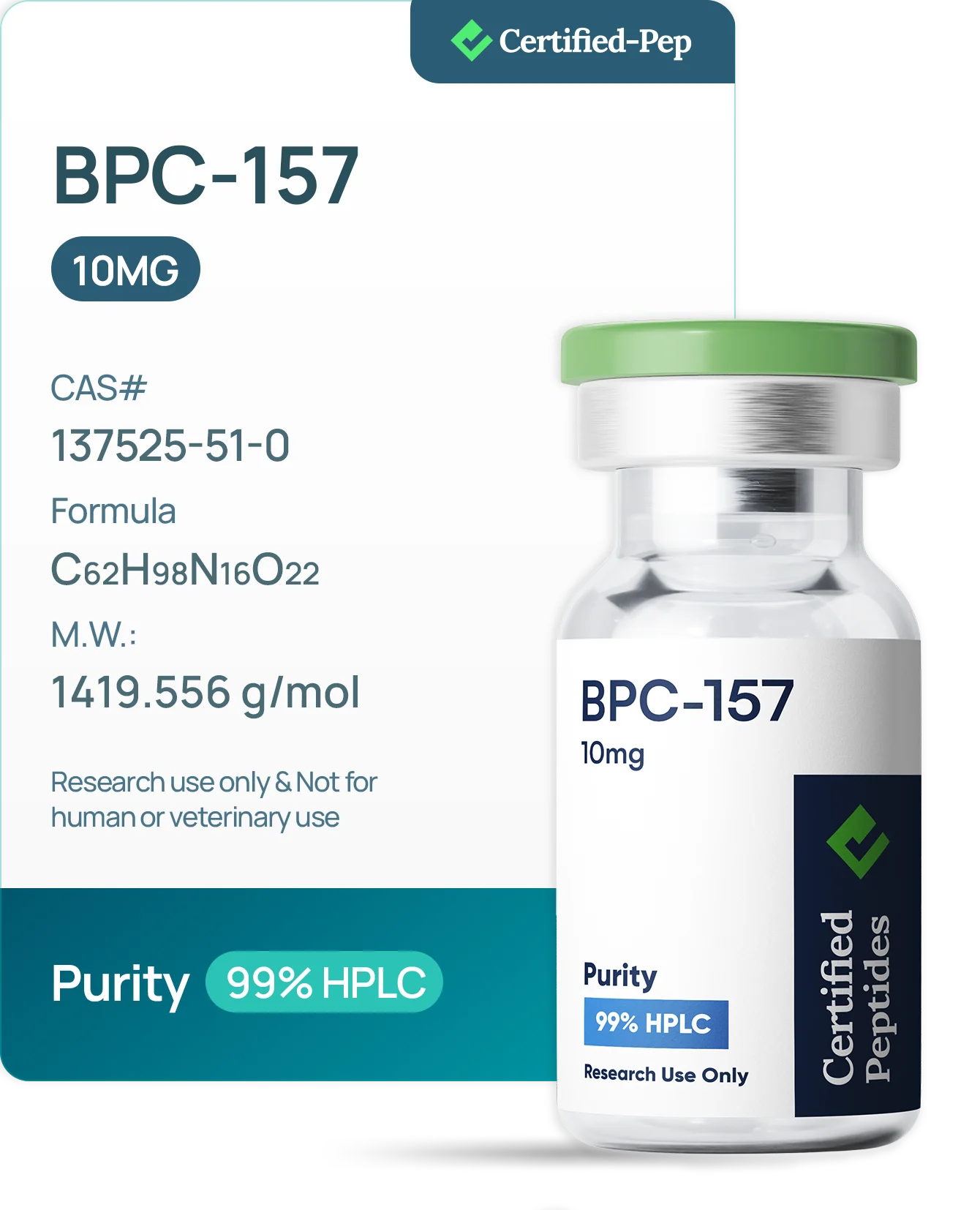
BPC-157 10 MG
USD 60.00
In stock
Last synced: 2026-11-01 10:07
Add to retailer cart ↗View product details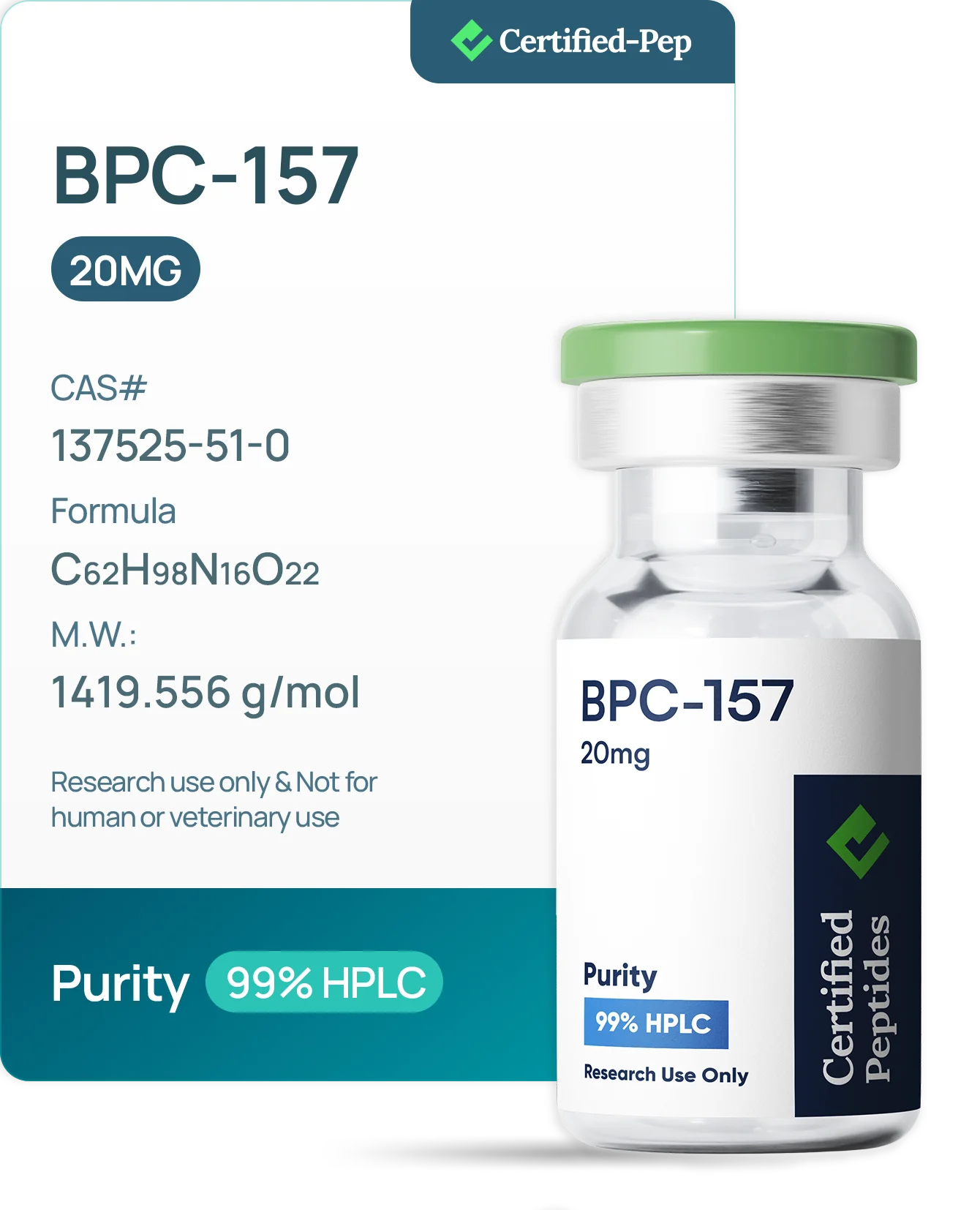
BPC-157 20 MG
USD 90.00
In stock
Last synced: 2026-11-01 10:07
Add to retailer cart ↗View product details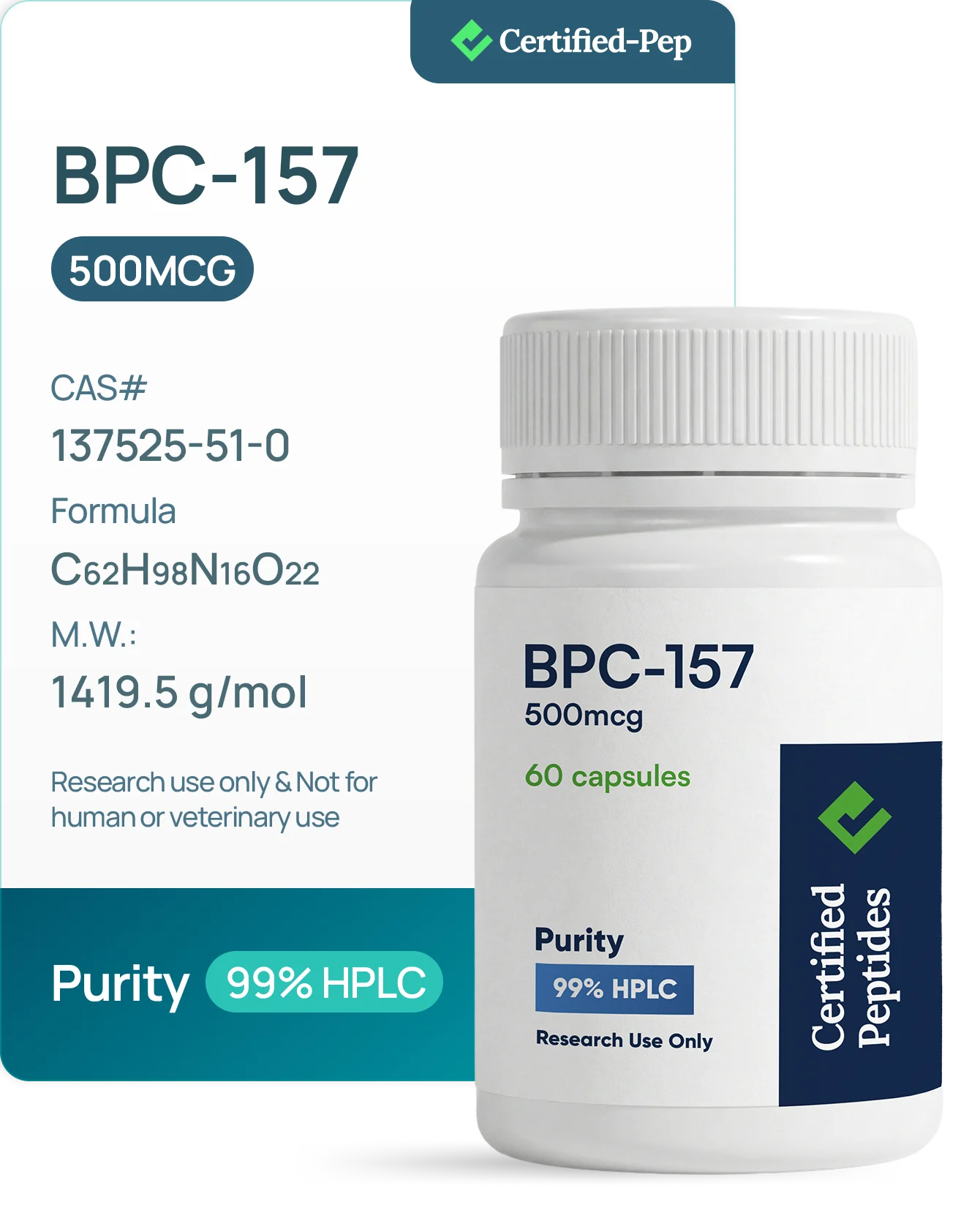
BPC-157 500 mcg 60 CAPSULES
USD 160.00 USD 100.00
In stock
Last synced: 2026-11-01 10:07
Add to retailer cart ↗View product details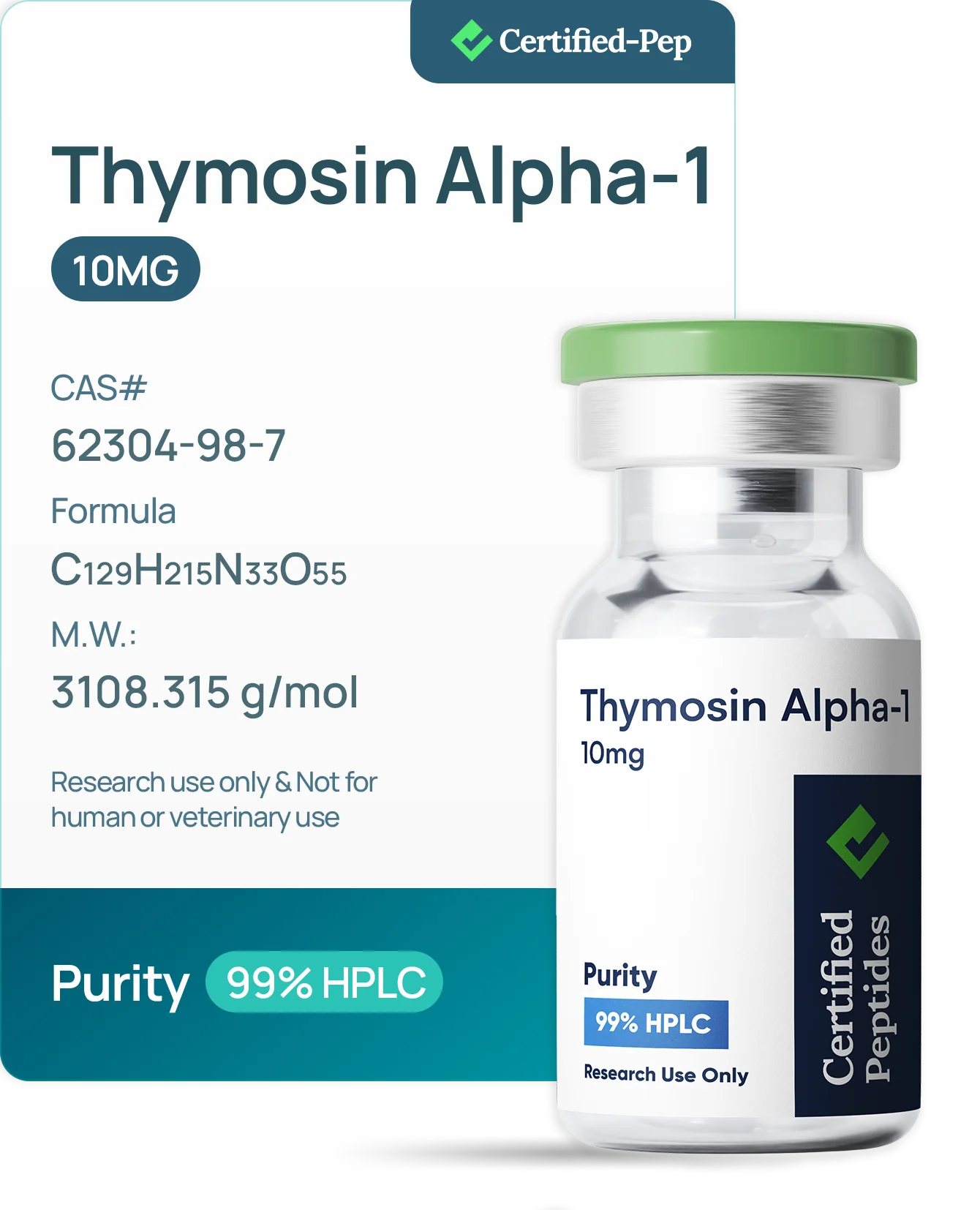
THYMOSIN ALPHA-1 10MG
USD 78.00
In stock
Last synced: 2026-11-01 10:07
Add to retailer cart ↗View product details
SEMAX 10MG
USD 54.00
In stock
Last synced: 2026-11-01 10:07
Add to retailer cart ↗View product details