
Distinguishing Research Questions for Small Molecule vs Peptide Drug Candidates: A Technical Review
This article examines the core research questions that differentiate small molecule and peptide drug candidates, focusing on their discovery, optimization, and development challenges. Evidence from recent reviews is used to clarify how these questions shape experimental design and translational hurdles.
Direct Answer: Key Research Questions Distinguishing Small Molecules from Peptide Drug Candidates
The research questions that distinguish small molecule from peptide drug candidates primarily concern their physicochemical properties, mechanisms of action, target engagement, pharmacokinetics, stability, delivery, and optimization strategies. For peptides, unique challenges include membrane permeability, in vivo stability, and the ability to modulate protein–protein interactions (PPIs), whereas small molecules are typically evaluated for oral bioavailability, metabolic stability, and intracellular target access. These differences drive distinct experimental priorities and methodological approaches in preclinical and translational research Source 1.
| Research Focus | Small Molecules | Peptides |
|---|---|---|
| Membrane Permeability | Generally high | Generally low |
| Oral Bioavailability | Often achievable | Rare, major challenge |
| In Vivo Stability | Often metabolically stable | Prone to enzymatic degradation |
| Target Engagement | Suited for small, defined sites | Can target large PPIs |
| Specificity | Often lower, risk of off-targets | High, due to sequence selectivity |
| Immunogenicity | Usually low | Lower than proteins, but variable |
| Production Methods | Chemical synthesis | Chemical, recombinant, or hybrid |
| Optimization Strategies | SAR, medicinal chemistry | Sequence, backbone, cyclization |
| Delivery Challenges | Fewer (oral, IV, etc.) | Major (often requires injection) |
| Regulatory Pathways | Well-established | Evolving, context-dependent |
Introduction: The Landscape of Small Molecule and Peptide Drug Research
Small molecules and peptides represent two major classes of drug candidates, each with distinct chemical, biological, and pharmacological characteristics. Small molecules, typically under 500 Da, have a long history in drug development, benefiting from oral bioavailability, membrane permeability, and established optimization strategies. Peptides, composed of amino acids and generally ranging from 500–5000 Da, have gained prominence due to advances in synthesis, modification, and delivery technologies. However, their development is shaped by unique research questions related to their size, structure, and biological roles Source 1.
Physicochemical Properties and Their Impact on Research Priorities
Small Molecules
Small molecules are characterized by low molecular weight, high chemical diversity, and the ability to diffuse across biological membranes. Their physicochemical properties—such as lipophilicity, solubility, and metabolic stability—are central to early-stage research questions. Key priorities include: - Assessing oral bioavailability: Can the molecule survive the gastrointestinal tract and reach systemic circulation? - Evaluating metabolic stability: Is the compound resistant to hepatic and extrahepatic metabolism? - Optimizing membrane permeability: Does the molecule cross cell membranes to reach intracellular targets?
Peptides
Peptides, by contrast, are larger, more hydrophilic, and often charged, which restricts their membrane permeability and oral bioavailability. Research questions focus on: - Improving in vivo stability: How can peptides be protected from rapid enzymatic degradation? - Enhancing delivery: What strategies enable peptides to reach their targets, especially if intracellular? - Maintaining biological activity: How do modifications affect receptor binding and function?
These physicochemical differences necessitate distinct experimental approaches for each class Source 1.
Target Engagement and Mechanism of Action
Small Molecules
Small molecules are traditionally designed to bind well-defined, often enzymatic or receptor pockets. Research questions include: - Can the molecule selectively bind to the target site? - Does it modulate the target’s activity (agonist, antagonist, inhibitor)? - What is the risk of off-target effects due to structural similarity with other proteins?
Peptides
Peptides excel at modulating PPIs, which are often undruggable by small molecules due to their large, flat, or dynamic interfaces. Research questions for peptides include: - Can the peptide mimic or disrupt a specific PPI? - What is the minimal sequence required for activity? - How can the peptide’s structure be stabilized to maintain function?
The ability of peptides to engage targets inaccessible to small molecules is a major driver of their research appeal Source 1.
Pharmacokinetics and Stability: Distinct Challenges
Small Molecules
Pharmacokinetic (PK) research for small molecules centers on absorption, distribution, metabolism, and excretion (ADME). Key questions include: - What are the compound’s half-life and clearance rates? - Is the molecule a substrate for efflux transporters or metabolic enzymes? - Can chemical modifications improve PK properties without compromising activity?
Peptides
For peptides, PK research is dominated by concerns over rapid degradation by proteases and poor membrane permeability. Research questions focus on: - Which peptide bonds are most susceptible to enzymatic cleavage? - Can backbone or side-chain modifications (e.g., D-amino acids, cyclization) enhance stability? - What delivery systems (e.g., nanoparticles, conjugates) can improve bioavailability?
These questions drive the development of specialized assays and models for peptide stability and delivery Source 1.
Discovery and Optimization Strategies
Small Molecules
Small molecule discovery often relies on high-throughput screening (HTS) of chemical libraries, followed by structure–activity relationship (SAR) studies. Research questions include: - Which chemical scaffolds yield the best activity and selectivity? - How do modifications at specific positions affect potency and PK? - Can computational modeling predict binding and optimize leads?
Peptides
Peptide discovery leverages natural sequences, rational design, and display technologies (e.g., phage display). Optimization focuses on sequence scanning, backbone modification, and cyclization. Research questions include: - What is the minimal active sequence (e.g., via alanine scanning)? - How do modifications affect receptor affinity and specificity? - Can cyclization or stapling stabilize secondary structures (e.g., α-helices, β-sheets)?
The iterative process of peptide optimization is often more complex due to the interplay between structure, stability, and function Source 1.
Production and Manufacturing Considerations
Small Molecules
Small molecules are typically synthesized via established organic chemistry methods, allowing for scalable, cost-effective production. Research questions include: - Can the synthesis be optimized for yield and purity? - Are there scalable routes for manufacturing? - What are the impurity profiles and how are they controlled?
Peptides
Peptide production may involve chemical synthesis (e.g., solid-phase peptide synthesis, SPPS), recombinant expression, or hybrid approaches. Research questions include: - Which method yields the highest purity and correct folding? - How can long or complex peptides be efficiently synthesized? - What purification strategies are required for clinical-grade material?
Manufacturing challenges for peptides, especially those with post-translational modifications or non-natural amino acids, are a major focus of research Source 1.
Delivery and Formulation: Overcoming Biological Barriers
Small Molecules
Formulation research for small molecules often centers on improving solubility, stability, and absorption. Key questions include: - Can the molecule be formulated for oral, transdermal, or other non-invasive delivery? - What excipients or carriers enhance bioavailability? - How stable is the compound under storage and physiological conditions?
Peptides
For peptides, delivery research is a central challenge. Questions include: - What routes (e.g., subcutaneous, intranasal, transdermal) are feasible? - Can delivery vehicles (e.g., liposomes, nanoparticles) protect peptides from degradation? - How do formulation strategies affect pharmacodynamics and patient compliance?
Innovative delivery systems are often required to translate peptide candidates into viable therapeutics Source 1.
Immunogenicity and Safety Assessment
Small Molecules
While generally considered non-immunogenic, small molecules can sometimes form reactive metabolites or haptens that trigger immune responses. Research questions include: - Does the compound or its metabolites bind to proteins and elicit immune reactions? - Are there risks of idiosyncratic toxicity?
Peptides
Peptides, being closer to endogenous sequences, often have lower immunogenicity than proteins but may still pose risks, especially if modified or derived from non-human sources. Research questions include: - Does the peptide sequence or modification increase immunogenic potential? - How do repeated administrations affect immune tolerance or sensitization?
Safety assessment for peptides must consider both sequence homology and modification-induced immunogenicity Source 1.
Regulatory and Translational Considerations
Small Molecules
Regulatory pathways for small molecules are well-established, with clear guidelines for preclinical and clinical development. Research questions include: - What are the requirements for toxicology and safety pharmacology studies? - How do manufacturing changes affect regulatory submissions?
Peptides
For peptides, regulatory expectations are evolving, particularly for novel modifications or delivery systems. Research questions include: - What preclinical models best predict human PK and safety? - How are novel peptide modifications evaluated for safety and efficacy?
Translational research for peptides often requires additional studies to address unique stability, delivery, and immunogenicity concerns Source 1.
Evidence Limitations and Key Takeaways
This review is based on a comprehensive recent source summarizing the state of peptide and small molecule drug research Source 1. While it provides a broad overview, it does not include detailed primary data or head-to-head experimental comparisons. The field is rapidly evolving, and specific research questions may shift as new technologies and delivery strategies emerge. Not all findings are generalizable across all peptides or small molecules, and translational success remains context-dependent. No claims are made regarding clinical efficacy, safety, or regulatory approval for any specific candidate.
Key Takeaways: - Small molecules and peptides differ fundamentally in their physicochemical properties, target engagement, and development challenges. - Research questions for peptides focus on stability, delivery, and the ability to modulate PPIs, while small molecule research emphasizes oral bioavailability, metabolic stability, and intracellular access. - Optimization, production, and regulatory strategies are tailored to the unique challenges of each class. - Evidence is primarily derived from reviews and may not capture all nuances of ongoing research.
For research and educational purposes only. Not medical advice. Research products are not for human or veterinary use.
Sources
- Therapeutic peptides: current applications and future directions - PMC. https://pmc.ncbi.nlm.nih.gov/articles/PMC8844085/
Continue exploring
TRACE THE EVIDENCE
Sources & further reading
RELATED PRODUCT INFORMATION
From the Certified Pep catalog.
Product references are informational, not a recommendation for human use. Prices and availability must be verified at retailer checkout.
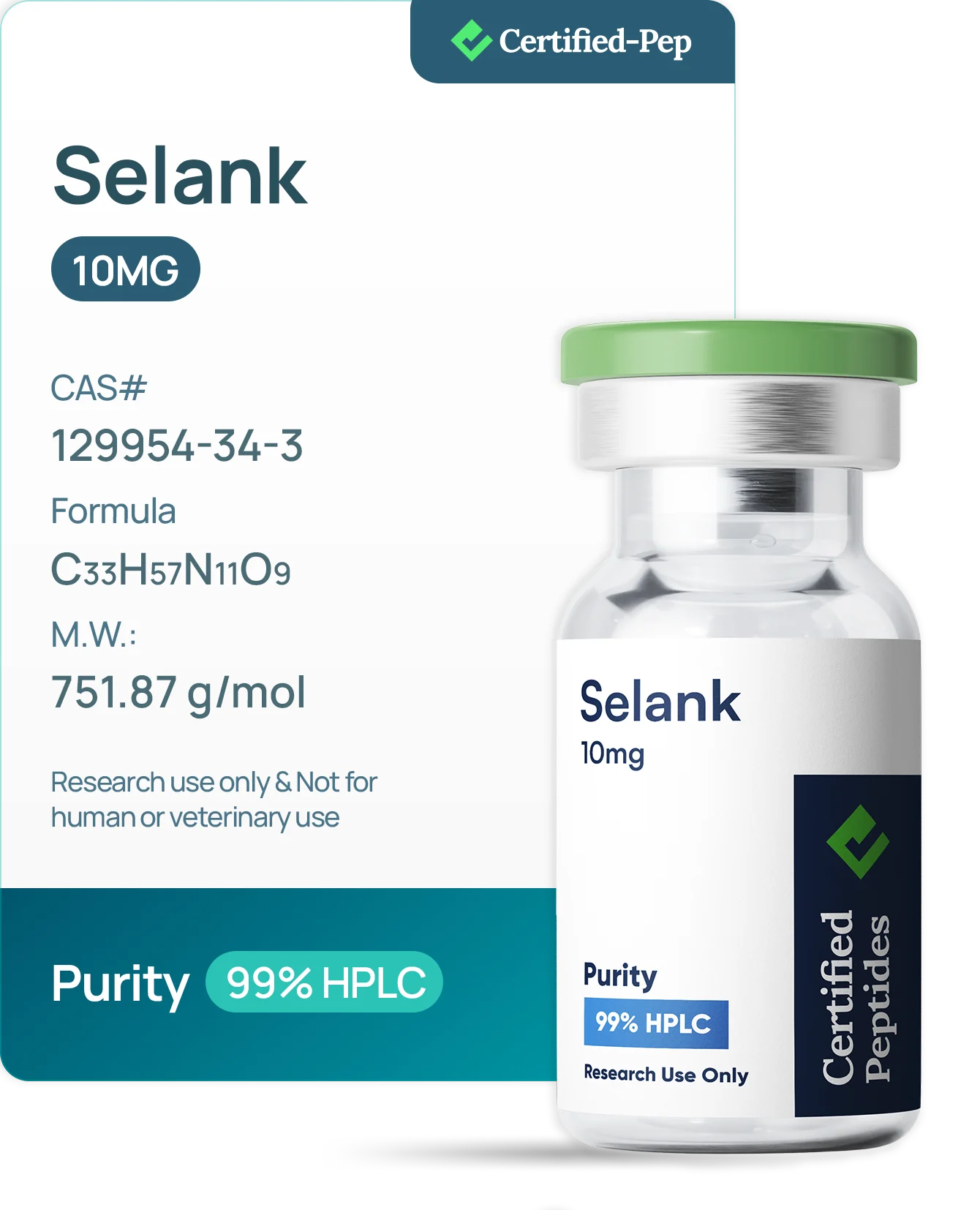
SELANK 10 MG
USD 50.00
In stock
Last synced: 2026-11-01 10:07
Add to retailer cart ↗View product details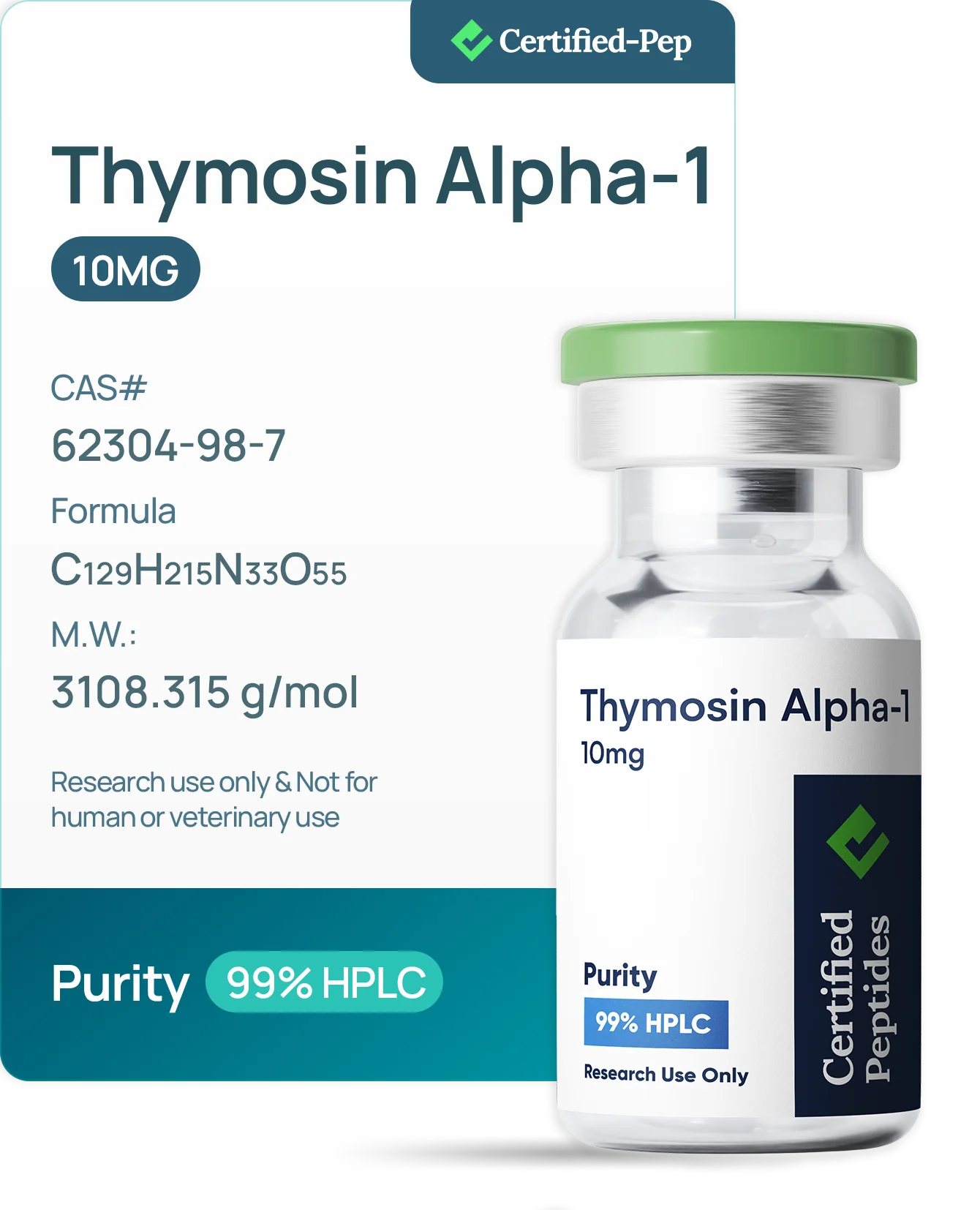
THYMOSIN ALPHA-1 10MG
USD 78.00
In stock
Last synced: 2026-11-01 10:07
Add to retailer cart ↗View product details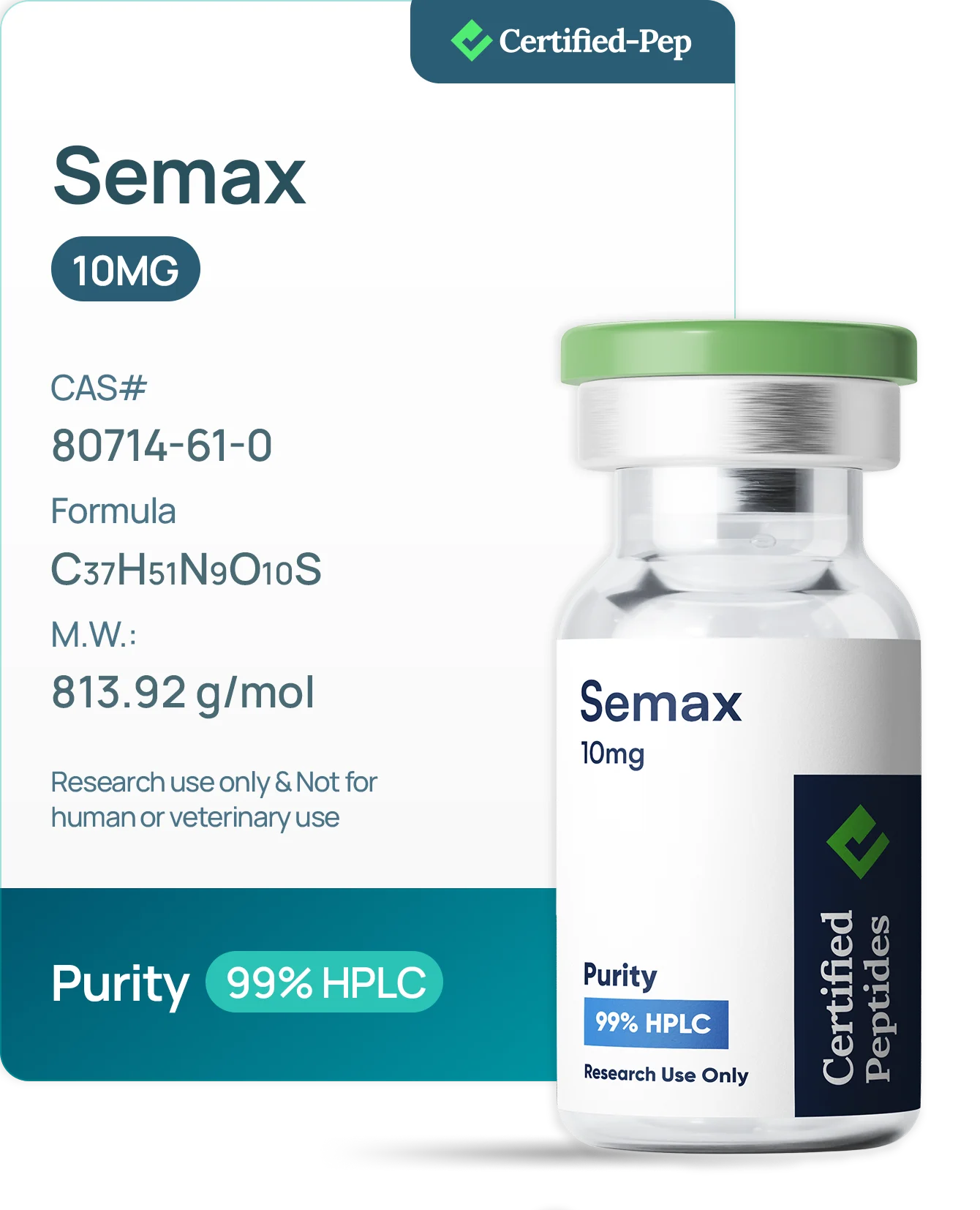
SEMAX 10MG
USD 54.00
In stock
Last synced: 2026-11-01 10:07
Add to retailer cart ↗View product details