
Why Patient Population and Background Treatment Matter in Thymosin Alpha-1 Research
A technical review of how patient selection and concurrent therapies influence the interpretation of thymosin alpha-1 peptide studies, with a focus on methodological rigor, evidence limitations, and the importance of context in research outcomes.

Introduction: The Importance of Context in Thymosin Alpha-1 Research
Thymosin alpha-1 (Tα1) is a 28-amino acid peptide derived from the thymus, recognized for its immunomodulatory properties and investigated across a spectrum of diseases including viral infections, sepsis, cancer, and immune deficiencies. While numerous studies have explored its potential, interpreting these findings requires careful attention to the characteristics of the patient population and the background treatments employed in each study. These factors can profoundly influence outcomes, confound results, and limit the generalizability of research conclusions. This review examines why patient population and background treatment are critical variables in Tα1 research, drawing on published evidence and highlighting methodological considerations and limitations.
Defining Thymosin Alpha-1 and Its Research Context
Tα1 is endogenously produced in the thymus and plays a role in T-cell maturation, dendritic cell activation, and cytokine regulation. Its synthetic analog, thymalfasin, is used in research and, in some jurisdictions, clinical settings for conditions such as hepatitis B and C, sepsis, and as an adjunct to vaccines. The peptide's diverse biological activities—ranging from immune enhancement to anti-inflammatory effects—have prompted studies in varied patient populations, each with distinct immunological profiles and comorbidities. This diversity underscores the necessity of contextualizing findings within the specific characteristics of study cohorts and their concurrent therapies Source 1.
Patient Population: Heterogeneity and Its Impact on Study Outcomes
The term "patient population" encompasses age, sex, disease stage, comorbidities, immune status, and prior treatments. These variables can influence both the baseline immune function and the response to Tα1. For example, studies in immunocompromised patients (such as those with HIV, cancer, or undergoing chemotherapy) may yield different results compared to studies in otherwise healthy individuals or those with acute infections. In hepatitis B and C research, Tα1 was initially studied in populations with limited treatment options, often before the advent of direct-acting antivirals. As a result, findings from these cohorts may not extrapolate to current patient populations with different baseline therapies and disease characteristics Source 1.
In sepsis, for instance, the severity of illness, organ dysfunction, and underlying immune status can all affect outcomes. A multicenter randomized controlled trial in severe sepsis patients found a reduction in mortality with Tα1, but the benefit may be contingent on the specific immune deficits present in the enrolled population. Similarly, in COVID-19, studies have targeted patients with severe lymphocytopenia, a subset with distinct immunopathology, making it challenging to generalize results to all patients with the disease Source 1.
Background Treatment: Confounding and Synergistic Effects
Background treatment refers to the standard-of-care therapies or other interventions administered alongside Tα1. These can include antivirals, antibiotics, chemotherapy, immunosuppressants, or supportive care measures. The presence and nature of these treatments can confound the attribution of observed effects to Tα1 itself. For example, in hepatitis B and C, Tα1 was often combined with interferon-alpha or nucleoside analogs. Some studies reported improved virological response rates with combination therapy compared to monotherapy, but disentangling the specific contribution of Tα1 is challenging without appropriate controls Source 1.
In oncology, Tα1 has been studied as an adjunct to chemotherapy or radiation. Reported improvements in immune cell counts, reduced chemotherapy toxicity, and enhanced quality of life may be influenced by the type, dose, and schedule of background therapies. Without rigorous stratification and control, it is difficult to determine whether observed benefits are due to Tα1, the background treatment, or their interaction Source 1.
Study Design Considerations: Controls, Randomization, and Stratification
Robust study design is essential to account for the influence of patient population and background treatment. Randomized controlled trials (RCTs) with adequate stratification for key variables (such as disease severity, immune status, and concurrent medications) provide the highest level of evidence. However, many Tα1 studies are observational, open-label, or conducted in heterogeneous populations without rigorous control of confounders. For example, retrospective studies in COVID-19 or sepsis may compare outcomes in patients who received Tα1 versus those who did not, but differences in baseline characteristics or background treatments can bias results Source 1.
Moreover, the timing and duration of Tα1 administration relative to other therapies can affect outcomes. In some studies, Tα1 was given before, during, or after other immunomodulatory agents, complicating causal inference. The lack of standardized protocols across studies further limits the ability to synthesize findings or perform meta-analyses.
Illustrative Examples: Hepatitis, Sepsis, and COVID-19
Hepatitis B and C
In chronic hepatitis B, Tα1 was evaluated as both monotherapy and in combination with interferon-alpha. A meta-analysis found higher virological response rates with combination therapy, but the studies were conducted before the widespread use of direct-acting antivirals. The patient populations were often treatment-naïve, with varying degrees of liver dysfunction and immune suppression. As direct-acting antivirals became standard, the relevance of earlier findings diminished, illustrating how changes in background treatment can render previous results less applicable to current practice Source 1.
Sepsis
In sepsis, Tα1 has been studied in patients with severe organ dysfunction and high mortality risk. A multicenter RCT reported a 9% reduction in mortality with Tα1, but the benefit was observed in a specific subset of patients with particular immune deficits. The background use of antibiotics, vasopressors, and supportive care varied across centers, potentially influencing outcomes. Without detailed stratification and adjustment for these variables, the generalizability of the findings is limited Source 1.
COVID-19
Early studies of Tα1 in COVID-19 focused on patients with severe lymphocytopenia and high risk of poor outcomes. Some reports suggested restoration of T-cell counts and reduced mortality, but these studies were often retrospective, with small sample sizes and variable background treatments (e.g., corticosteroids, antivirals, immunosuppressants). The lack of randomization and control for confounders makes it difficult to attribute observed effects solely to Tα1 Source 1.
Mechanistic Insights and the Role of Disease Biology
The biological rationale for Tα1 use varies by disease context. In viral infections and sepsis, Tα1 is hypothesized to restore immune competence by enhancing T-cell function and modulating cytokine responses. However, the degree of immune dysfunction differs across patient populations. For example, elderly patients or those with comorbidities may have baseline immunosenescence, while cancer patients may experience therapy-induced immunosuppression. These differences can affect both the magnitude and direction of Tα1’s effects, emphasizing the need for precise patient characterization in research Source 1.
Evidence Limitations and Unresolved Questions
Despite promising findings in some settings, the evidence base for Tα1 is limited by several factors:
- Heterogeneity of Study Populations: Many studies include diverse patient groups, making it difficult to isolate the effects of Tα1 in specific subpopulations.
- Variable Background Treatments: Differences in standard-of-care therapies across studies confound interpretation and limit comparability.
- Study Design Weaknesses: A preponderance of observational studies, small sample sizes, and lack of blinding or randomization reduce the strength of evidence.
- Changing Standards of Care: Advances in background treatments (e.g., new antivirals, immunotherapies) can render earlier findings obsolete or less relevant.
- Limited Mechanistic Data in Humans: While in vitro and animal studies provide mechanistic hypotheses, these cannot be directly extrapolated to clinical outcomes in humans.
Key Takeaways and Research Implications
When interpreting Tα1 research, it is essential to:
- Carefully examine the characteristics of the patient population, including disease stage, immune status, and comorbidities.
- Assess the nature and timing of background treatments, as these can confound or modify the effects of Tα1.
- Prioritize evidence from well-designed, adequately powered RCTs with appropriate stratification and control for confounders.
- Recognize the limitations of observational and preclinical studies, and avoid extrapolating findings beyond the studied context.
- Consider changes in standard-of-care therapies when evaluating the relevance of older studies.
Further research should focus on clearly defined patient populations, standardized background treatments, and rigorous study designs to clarify the role of Tα1 in various disease settings.
Conclusion
Patient population and background treatment are critical determinants of study outcomes in thymosin alpha-1 research. Heterogeneity in these variables can confound results, limit generalizability, and complicate causal inference. Careful attention to these factors is essential for the accurate interpretation of research findings and the design of future studies. Current evidence, while promising in some contexts, remains limited by methodological weaknesses and evolving standards of care. Ongoing and future research should address these gaps to provide more definitive answers regarding the role of Tα1 in human disease.
For research and educational purposes only. Not medical advice. Research products are not for human or veterinary use.
Sources
- Thymosin alpha 1: A comprehensive review of the literature. World J Virol. 2020 Dec 15;9(5):67–78. https://pmc.ncbi.nlm.nih.gov/articles/PMC7747025/
Continue exploring
- What an 84-Gene qPCR Panel Reveals About Selank and Neurotransmission: Evidence and Limitations
- Understanding Specificity, Precision, and Recovery in TB-500 Equine Analytical Method Validation: A Research-Focused Review
- Interpreting Biomechanical Endpoints in Preclinical BPC-157 Research: Evidence and Limitations
TRACE THE EVIDENCE
Sources & further reading
RELATED PRODUCT INFORMATION
From the Certified Pep catalog.
Product references are informational, not a recommendation for human use. Prices and availability must be verified at retailer checkout.
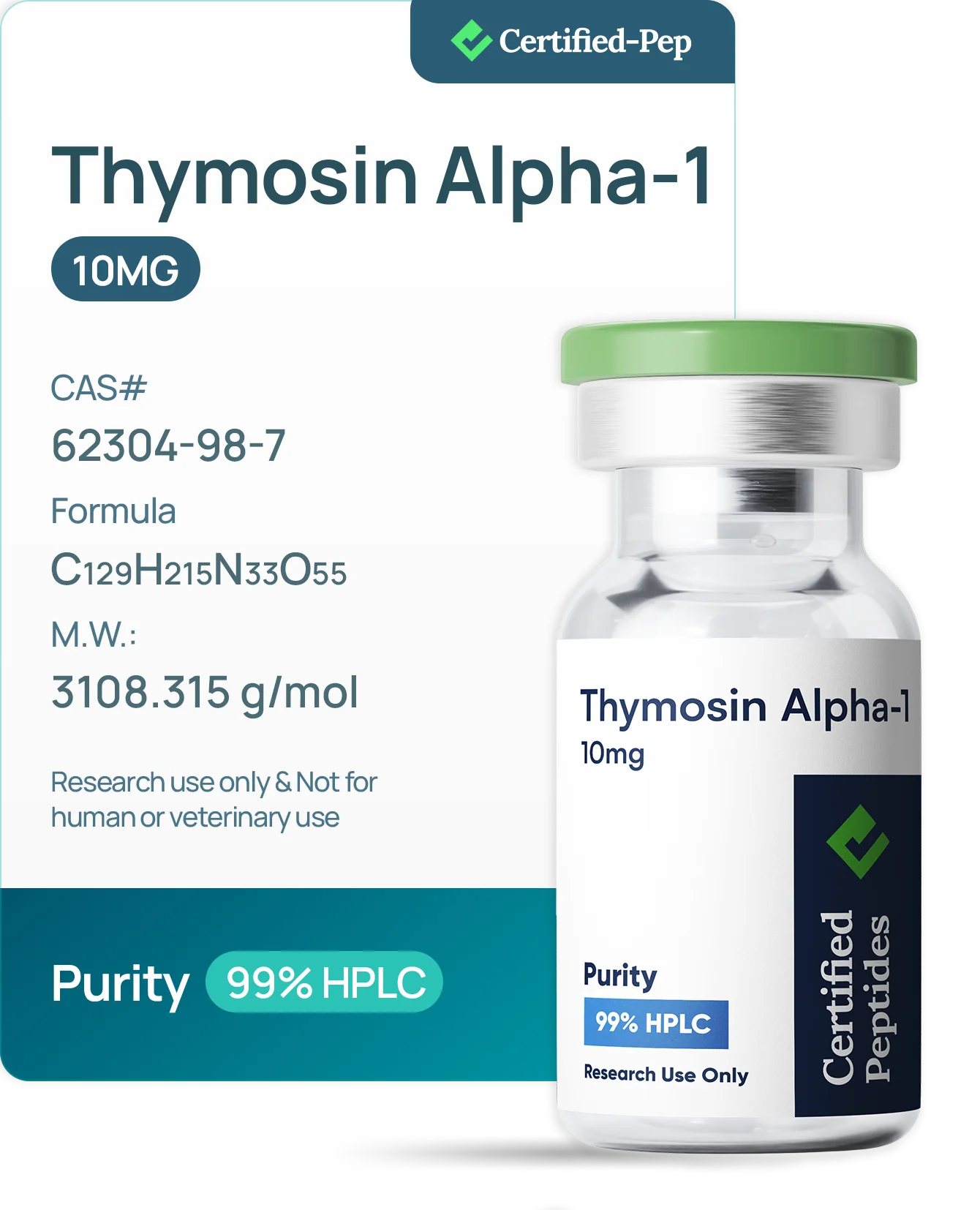
THYMOSIN ALPHA-1 10MG
USD 78.00
In stock
Last synced: 2026-11-01 10:07
Add to retailer cart ↗View product details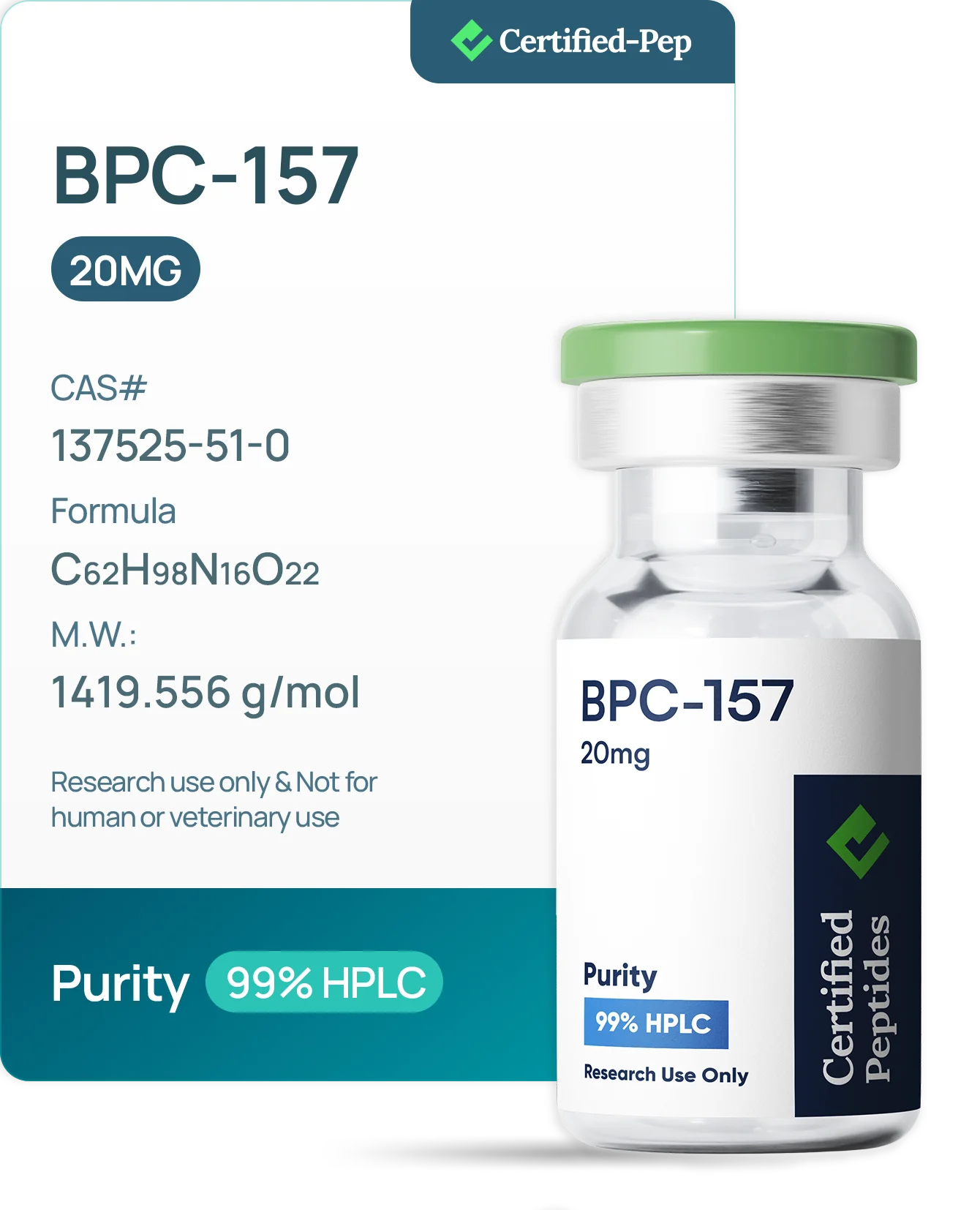
BPC-157 20 MG
USD 90.00
In stock
Last synced: 2026-11-01 10:07
Add to retailer cart ↗View product details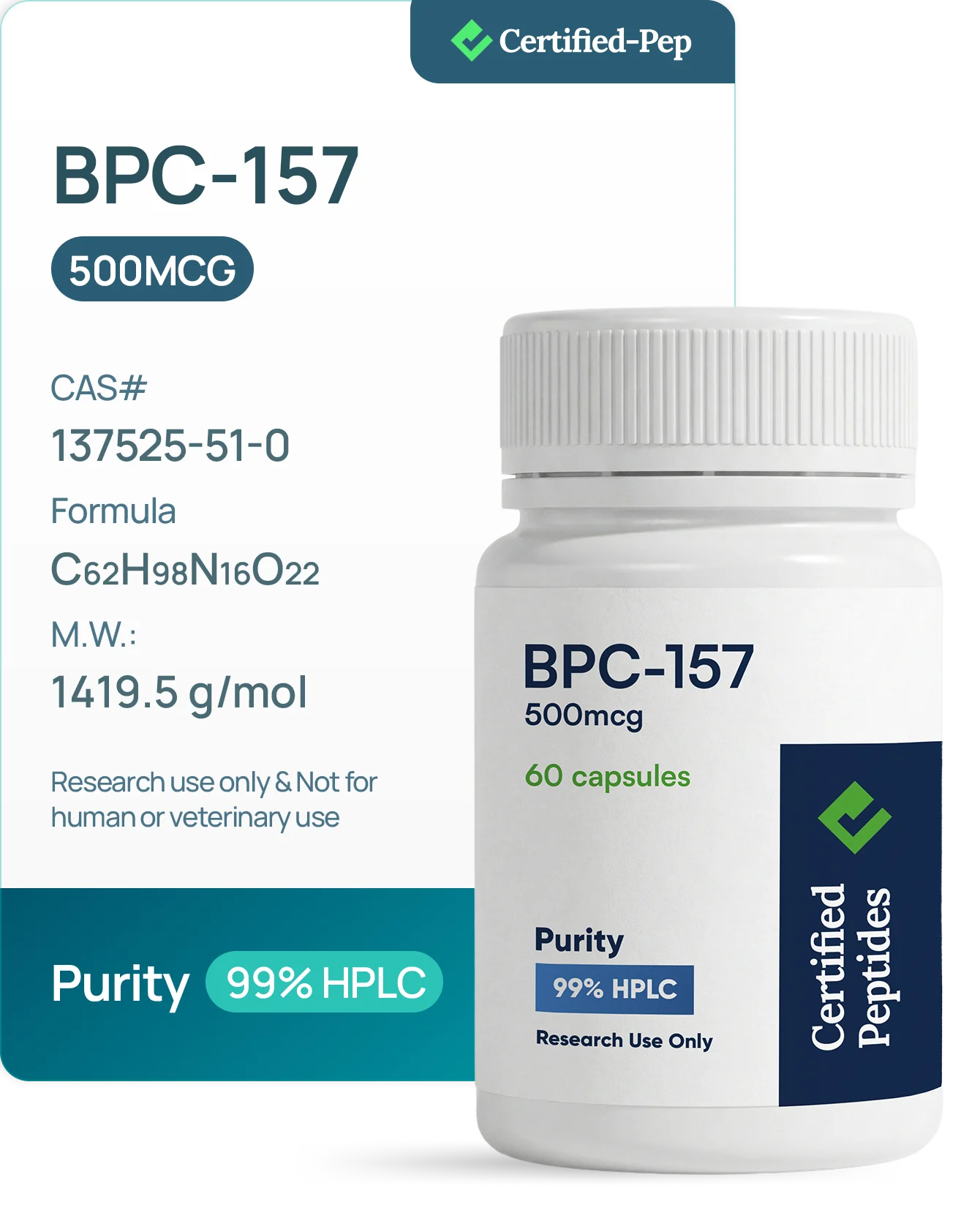
BPC-157 500 mcg 60 CAPSULES
USD 160.00 USD 100.00
In stock
Last synced: 2026-11-01 10:07
Add to retailer cart ↗View product details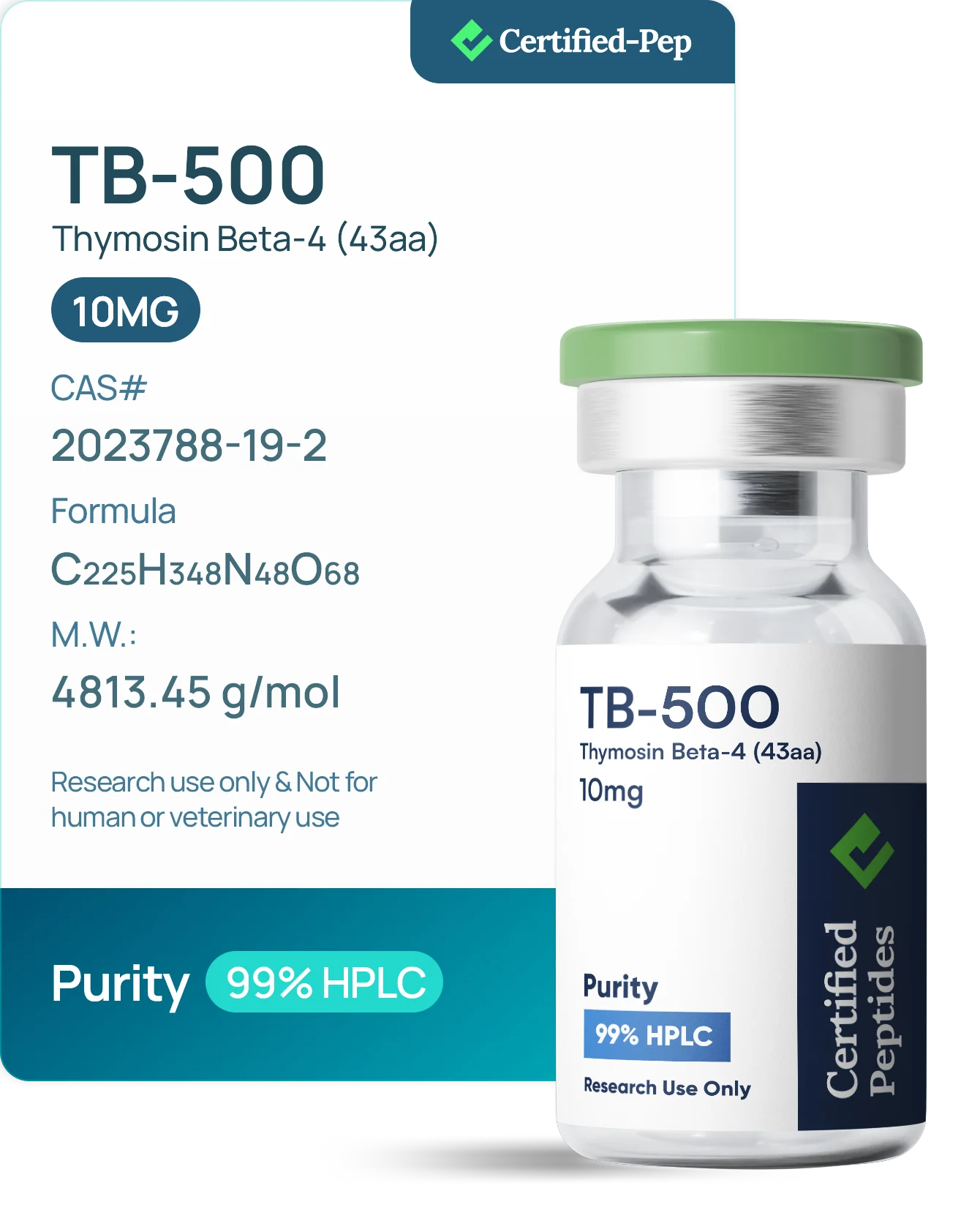
TB-500 10 MG
USD 70.00
In stock
Last synced: 2026-11-01 10:07
Add to retailer cart ↗View product details
SELANK 10 MG
USD 50.00
In stock
Last synced: 2026-11-01 10:07
Add to retailer cart ↗View product details
BPC-157 10 MG
USD 60.00
In stock
Last synced: 2026-11-01 10:07
Add to retailer cart ↗View product details