
Understanding Specificity, Precision, and Recovery in TB-500 Equine Analytical Method Validation: A Research-Focused Review
This article explains the distinct roles of specificity, precision, and recovery in the analytical validation of TB-500 (N-acetylated LKKTETQ) detection in equine plasma, based strictly on reported findings. It clarifies terminology, experimental context, and evidence limitations, and guides readers in interpreting such analytical abstracts.

Introduction: Analytical Method Validation in Peptide Research
Analytical method validation is a cornerstone of peptide research, particularly in the context of doping control and pharmacokinetic studies in veterinary and equine science. For peptides such as TB-500 (N-acetylated LKKTETQ), robust analytical methods are essential for detecting and quantifying the compound and its metabolites in biological matrices. Three critical parameters in method validation—specificity, precision, and recovery—are often reported in analytical abstracts. This article provides a detailed, evidence-based explanation of these concepts as they pertain to the cited equine TB-500 study, distinguishing their definitions, roles, and practical implications. The discussion is strictly limited to reported findings and does not infer product quality, clinical utility, or human benefit from preclinical or analytical data.
Defining the Analytical Parameters: Specificity, Precision, and Recovery
What is Specificity?
Specificity refers to the analytical method's ability to unequivocally identify and quantify the analyte of interest—in this case, TB-500 and its metabolites—in the presence of other components in the sample matrix. In equine plasma, this means the method must distinguish TB-500 from endogenous peptides, proteins, and potential interfering substances. High specificity ensures that the detected signal is attributable solely to the target peptide, minimizing false positives or negatives Source 2.
What is Precision?
Precision describes the reproducibility of the analytical method under specified conditions. It is typically assessed by repeated measurements of the same sample and is expressed as the degree of agreement among individual results. Precision is crucial for ensuring that the method yields consistent results across multiple runs, days, or analysts. In the context of TB-500 detection in horse plasma, precision validation confirms that repeated analyses of the same plasma sample yield similar quantitative results Source 2.
What is Recovery?
Recovery measures the efficiency with which the analytical method extracts and quantifies the analyte from the biological matrix. It is calculated by comparing the amount of TB-500 detected after sample preparation to the known amount originally present. High recovery indicates that the method can retrieve most of the peptide from the plasma, while low recovery suggests losses during extraction or preparation. Recovery is particularly important for peptides, which may bind to proteins or degrade during processing Source 2.
Analytical Context: TB-500 Detection in Equine Plasma
The cited study developed and validated a method for detecting TB-500 and its metabolites in horse plasma using mixed-mode anion exchange solid-phase extraction, followed by ultra-high-performance liquid chromatography (UHPLC) and high-resolution mass spectrometry. The method was designed to address the challenges of peptide detection in complex biological matrices, where specificity, precision, and recovery are critical for reliable results Source 2.
Why Are These Parameters Important?
- Specificity ensures that the method does not confuse TB-500 with other peptides or plasma components.
- Precision guarantees that results are reproducible and reliable for regulatory or research purposes.
- Recovery confirms that the method can efficiently extract TB-500 from plasma, providing accurate quantification.
Reported Findings: Method Validation for TB-500
The study reported the following key findings regarding method validation: - The method achieved limits of detection for all seven peptides, including TB-500, of less than 50 pg/mL. - Validation was performed with respect to specificity, precision, and recovery, though the abstract does not provide numerical values or detailed protocols. - The method successfully detected N-acetylated LKKTETQ (TB-500) and its metabolite N-acetylated LK in plasma samples from horses administered TB-500 Source 2.
Specificity in Practice
The method's specificity was demonstrated by its ability to distinguish TB-500 and its metabolites from other peptides and plasma constituents. This was achieved through the use of high-resolution mass spectrometry and chromatographic separation, which provided unique mass-to-charge signatures and retention times for each analyte.
Precision Assessment
Precision was validated by repeated analysis of plasma samples, ensuring that the method produced consistent quantitative results for TB-500 and its metabolites. While the abstract does not specify intra- or inter-assay variability, the mention of precision validation indicates that reproducibility was systematically evaluated.
Recovery Evaluation
Recovery was assessed by comparing the amount of TB-500 detected after extraction to the known amount spiked into plasma samples. The use of solid-phase extraction cartridges was intended to maximize peptide recovery, though the abstract does not report exact recovery percentages.
Interpreting Analytical Abstracts: Practical Considerations
How Should Readers Interpret These Parameters?
- Specificity: Look for evidence that the method can distinguish the analyte from similar compounds. In this study, specificity was supported by the successful detection of TB-500 and its metabolites in the presence of other plasma peptides.
- Precision: Check for statements about reproducibility. Although numerical data are not provided in the abstract, the mention of precision validation suggests that the method was tested for repeatability.
- Recovery: Seek information about extraction efficiency. The use of solid-phase extraction and the reporting of recovery validation indicate that the method was optimized for peptide retrieval.
What Are the Limitations of Abstract-Only Evidence?
- Abstracts often lack detailed numerical data, making it difficult to assess the absolute performance of the method.
- Without full methodological details, readers cannot evaluate the robustness of the validation procedures.
- The absence of comparative data (e.g., with other extraction methods or matrices) limits the generalizability of the findings.
Methodological Details: What Is and Is Not Reported
Reported in the Abstract
- Use of mixed-mode anion exchange solid-phase extraction for peptide isolation.
- UHPLC and high-resolution mass spectrometry for detection.
- Validation with respect to specificity, precision, and recovery.
- Detection of TB-500 and its metabolite in equine plasma after administration.
Not Reported in the Abstract
- Exact numerical values for specificity, precision (e.g., coefficient of variation), or recovery (e.g., percentage recovery).
- Detailed protocols for sample preparation, extraction, or instrument calibration.
- Statistical analysis or acceptance criteria for validation parameters.
Readers should be cautious in interpreting the method's performance without access to the full text or supplementary data.
Comparing Analytical Validation Across Studies
While the cited equine study Source 2 focuses on TB-500 detection in horse plasma, other studies have developed analytical methods for TB-500 and its metabolites in different matrices, such as rat urine or in vitro systems Source 1. Each study may use different extraction techniques, chromatographic conditions, and validation criteria, affecting specificity, precision, and recovery.
Key Differences Across Studies
- Matrix Effects: Plasma, urine, and in vitro samples present different challenges for peptide extraction and detection.
- Extraction Methods: Solid-phase extraction, immunoaffinity purification, and protein precipitation can yield different recovery rates.
- Detection Technologies: High-resolution mass spectrometry offers greater specificity than some lower-resolution methods.
Comparisons should be made cautiously, considering the unique context and validation procedures of each study.
Reader Checklist: Evaluating Analytical Method Validation
When reviewing analytical abstracts or full-text studies on peptide detection, readers should consider the following: 1. Is the method validated for specificity, precision, and recovery? 2. Are numerical values or acceptance criteria reported? 3. What extraction and detection technologies are used? 4. Is the method applicable to the intended matrix (e.g., plasma, urine)? 5. Are limitations or potential sources of error discussed? 6. Is the method compared to existing protocols or standards?
These questions help assess the reliability and applicability of the reported analytical method.
Evidence Limitations and Research Gaps
The primary limitation of the cited equine TB-500 study is the reliance on abstract-only data. Without access to the full text, readers cannot evaluate the detailed validation results, such as: - The magnitude of specificity (e.g., absence of cross-reactivity with other peptides). - The degree of precision (e.g., intra- and inter-assay variability). - The efficiency of recovery (e.g., percentage of peptide retrieved from plasma).
Additionally, the study does not address: - The stability of TB-500 and its metabolites during sample storage and processing. - The potential for matrix effects to influence detection sensitivity or accuracy. - The applicability of the method to other species or sample types.
Further research and full methodological disclosure are needed to fully assess the method's robustness and generalizability.
Key Takeaways
- Specificity, precision, and recovery are distinct but interrelated parameters in analytical method validation for peptide detection.
- The cited equine TB-500 study reports validation of these parameters but does not provide detailed numerical data in the abstract.
- Readers should interpret abstract-only findings with caution, recognizing the limitations of incomplete methodological disclosure.
- Comparisons across studies require careful consideration of matrix, extraction, and detection differences.
- No claims about product quality, clinical efficacy, or human benefit can be inferred from these analytical findings.
For research and educational purposes only. Not medical advice. Research products are not for human or veterinary use.
Sources
- Simultaneous quantification of TB-500 and its metabolites in in-vitro experiments and rats by UHPLC-Q-Exactive orbitrap MS/MS and their screening by wound healing activities in-vitro. https://pubmed.ncbi.nlm.nih.gov/38382158/
- Doping control analysis of seven bioactive peptides in horse plasma by liquid chromatography-mass spectrometry. https://pubmed.ncbi.nlm.nih.gov/23318763/
Continue exploring
TRACE THE EVIDENCE
Sources & further reading
RELATED PRODUCT INFORMATION
From the Certified Pep catalog.
Product references are informational, not a recommendation for human use. Prices and availability must be verified at retailer checkout.
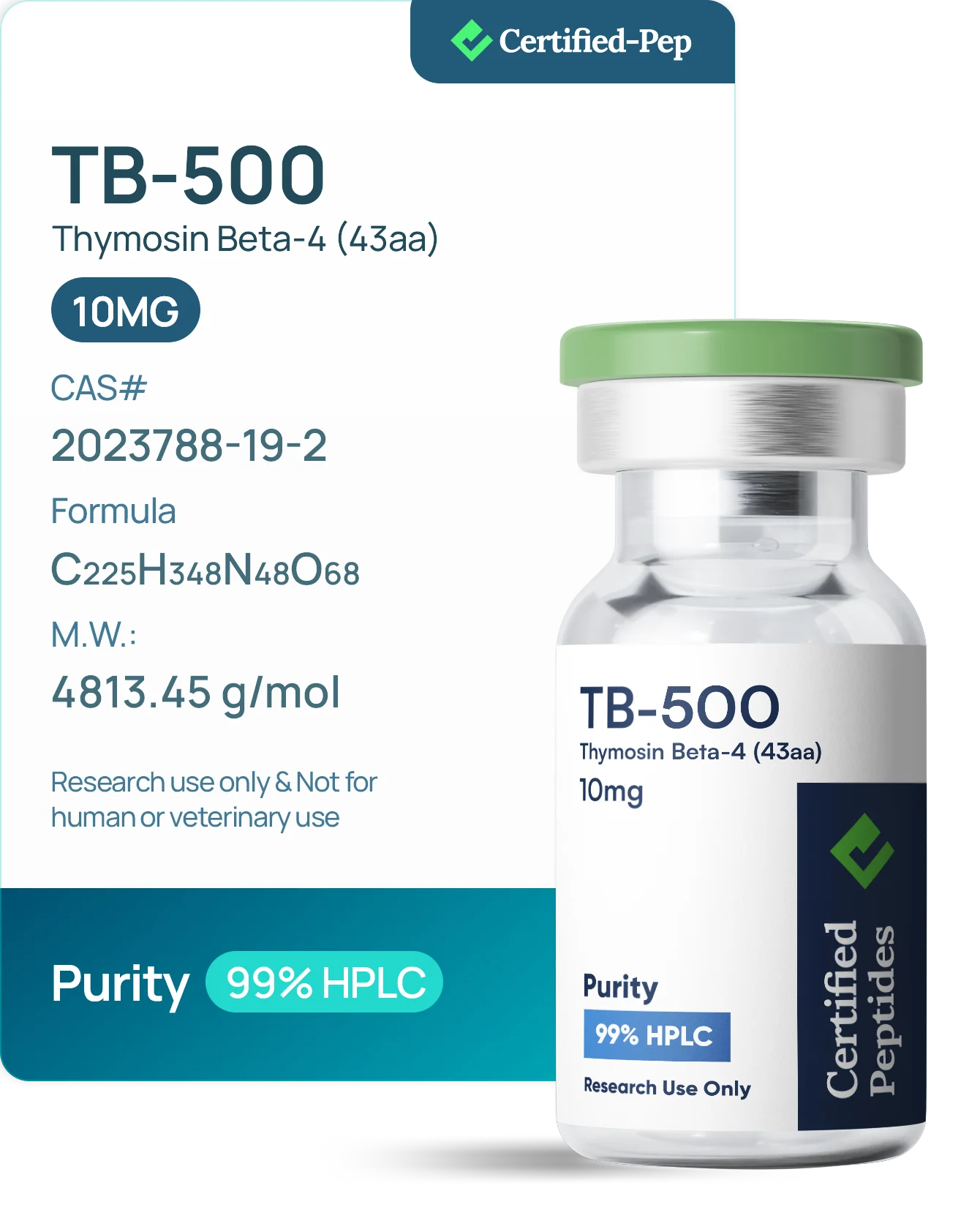
TB-500 10 MG
USD 70.00
In stock
Last synced: 2026-11-01 10:07
Add to retailer cart ↗View product details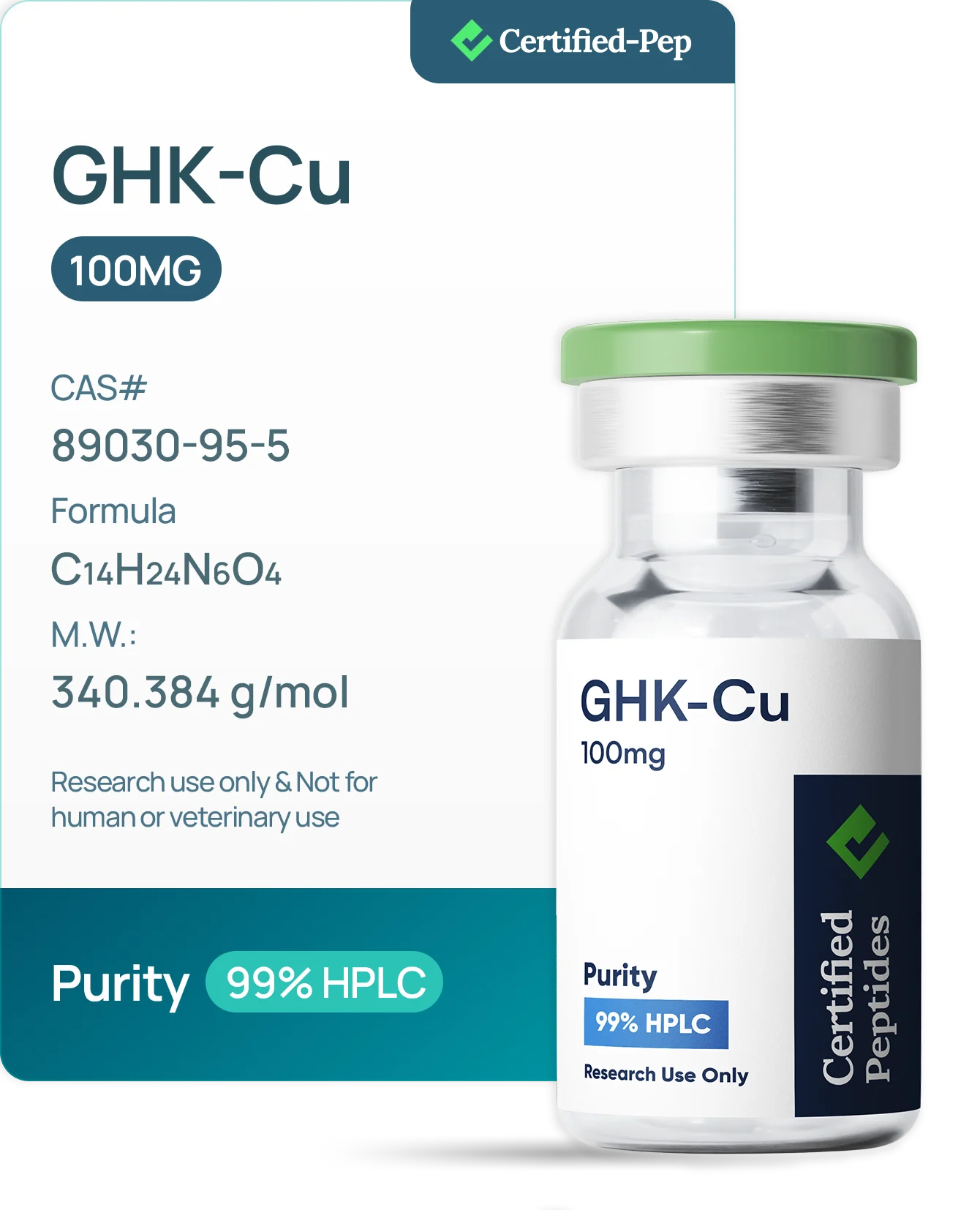
GHKCU 100 MG
USD 59.00
In stock
Last synced: 2026-11-01 10:07
Add to retailer cart ↗View product details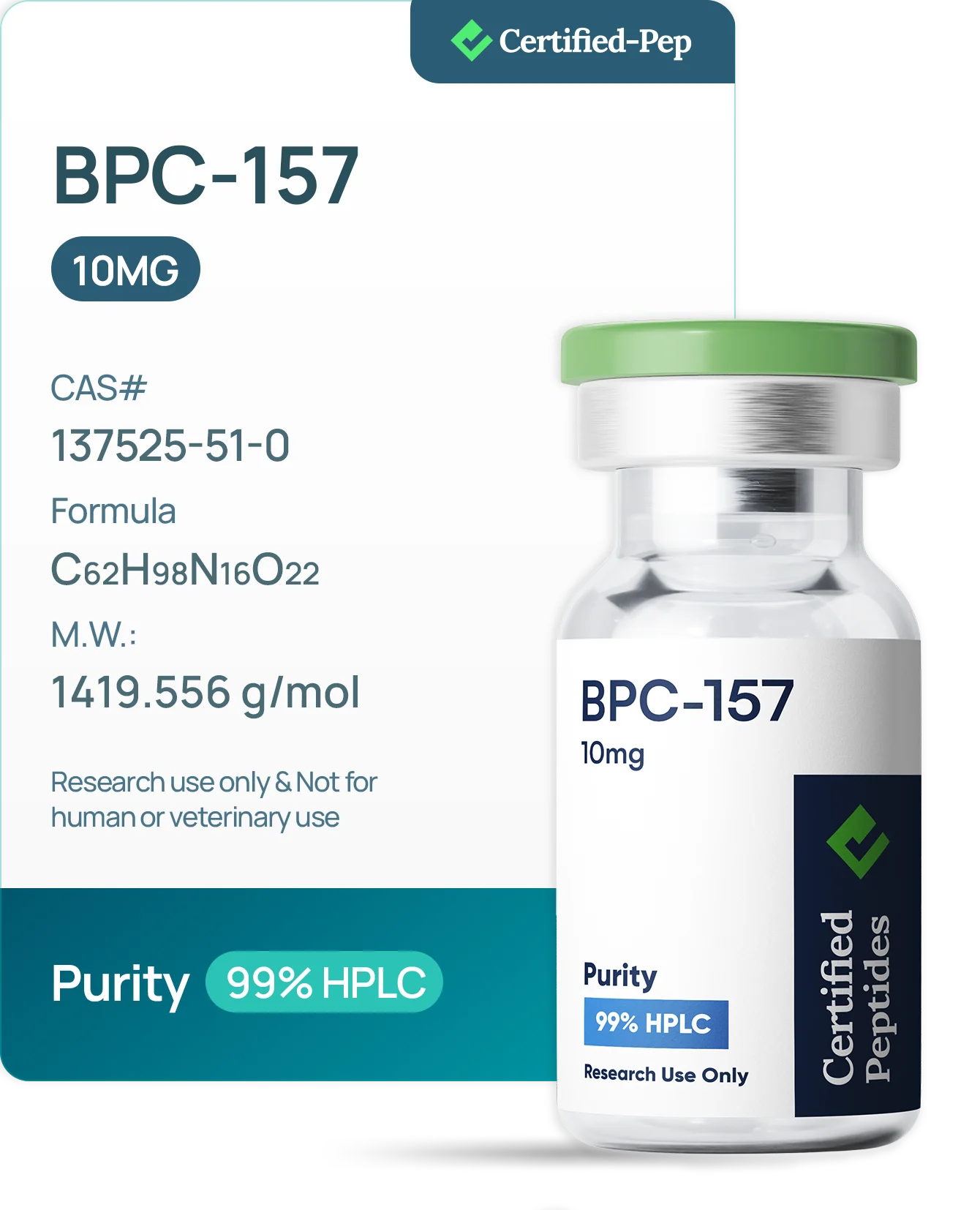
BPC-157 10 MG
USD 60.00
In stock
Last synced: 2026-11-01 10:07
Add to retailer cart ↗View product details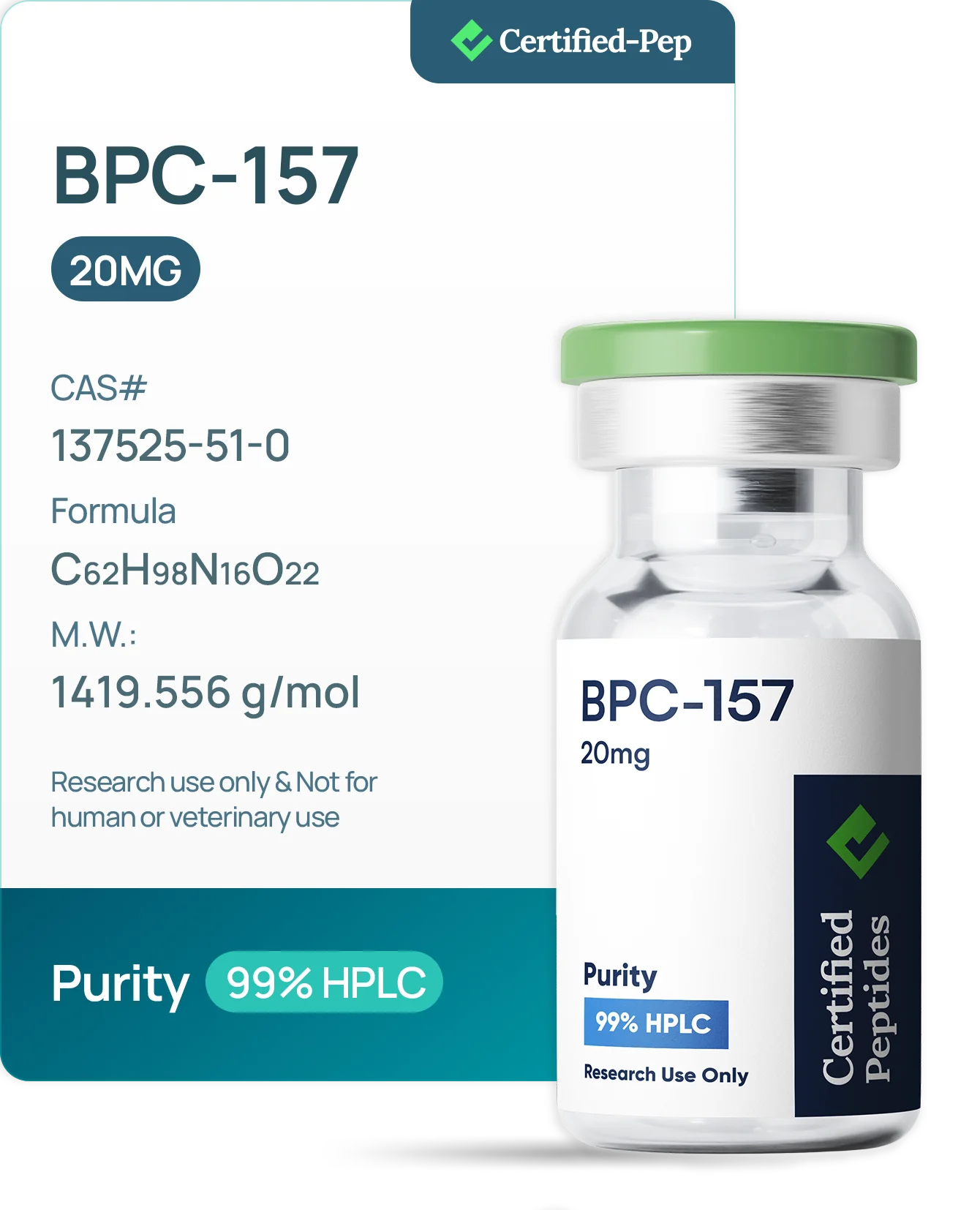
BPC-157 20 MG
USD 90.00
In stock
Last synced: 2026-11-01 10:07
Add to retailer cart ↗View product details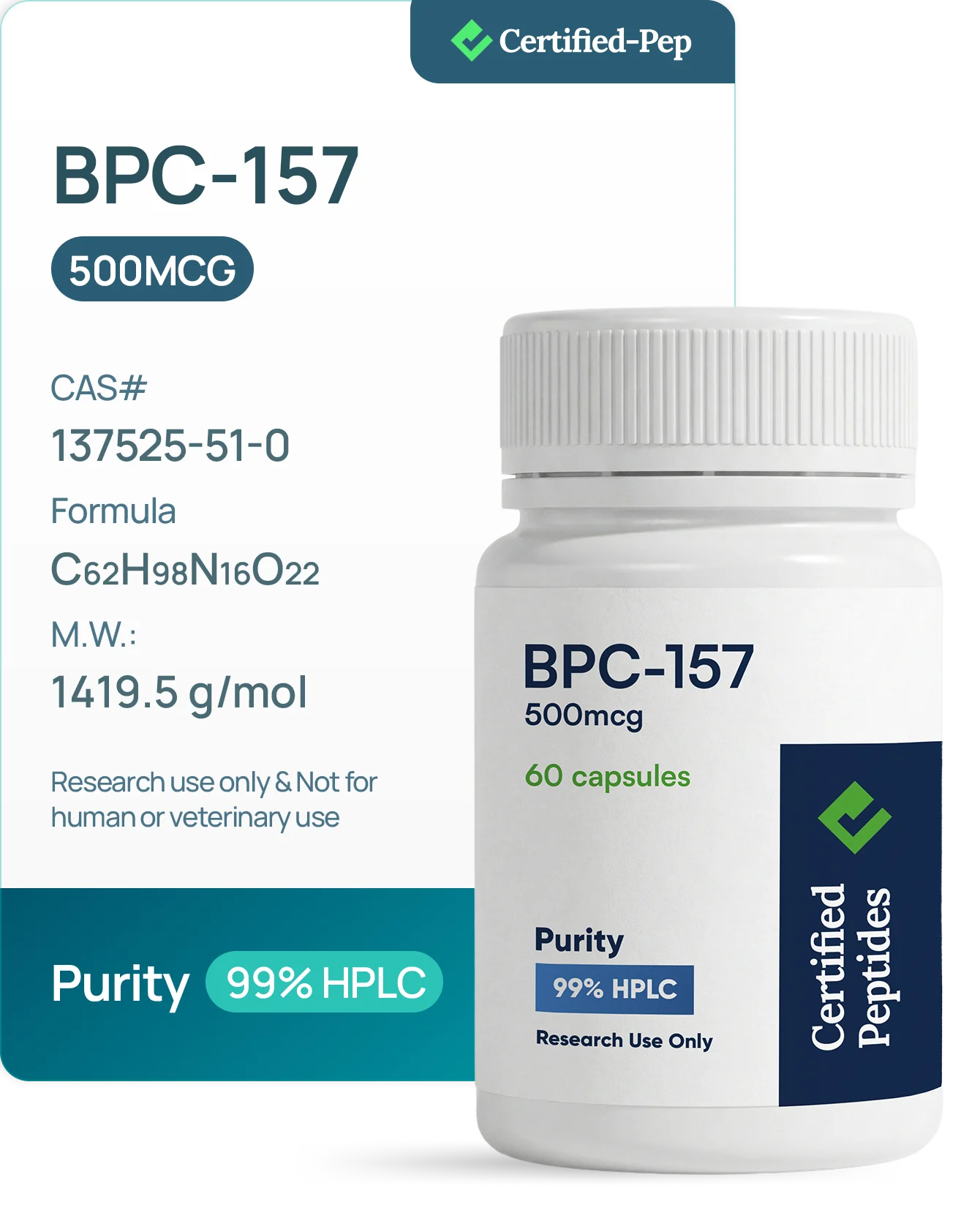
BPC-157 500 mcg 60 CAPSULES
USD 160.00 USD 100.00
In stock
Last synced: 2026-11-01 10:07
Add to retailer cart ↗View product details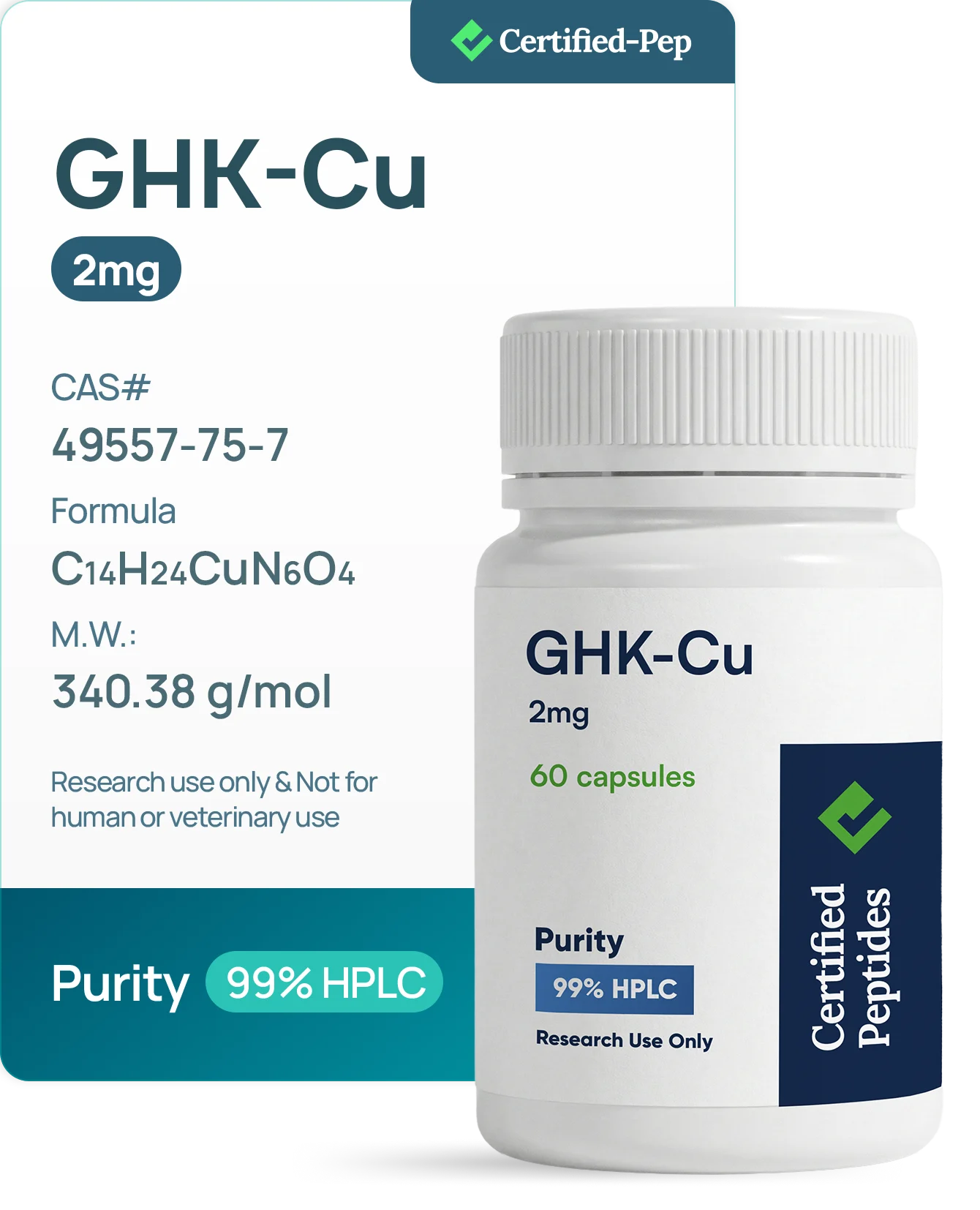
GHK-CU 2MG 60 CAPSULES
USD 198.00 USD 160.00
In stock
Last synced: 2026-11-01 10:07
Add to retailer cart ↗View product details