
Interpreting the Rat Wound-Chamber Model in GHK-Cu Peptide Research
The rat wound-chamber model is a controlled in vivo system for quantifying extracellular matrix accumulation and tissue repair processes in response to GHK-Cu. This article explains the methodology, measured endpoints, and limitations of this model, focusing on evidence from a key cited study.

Introduction: Understanding the Rat Wound-Chamber Model in GHK-Cu Research
The rat wound-chamber model is a widely used in vivo experimental system for studying wound healing and tissue regeneration. In the context of peptide research, particularly with the tripeptide-copper complex glycyl-L-histidyl-L-lysine-Cu2+ (GHK-Cu), this model enables researchers to quantitatively assess the effects of candidate compounds on the accumulation of connective tissue and extracellular matrix (ECM) components. This article provides a detailed, evidence-based overview of what the rat wound-chamber model measures in GHK-Cu research, focusing on findings from a pivotal peer-reviewed study, and discusses the interpretation, strengths, and limitations of this approach.Source 1
Defining the Rat Wound-Chamber Model
The rat wound-chamber model, as described by Schilling et al. (1959) and employed in GHK-Cu research, involves the subcutaneous implantation of stainless steel wire mesh cylinders (wound chambers) on the dorsum of rats. These chambers create a standardized wound environment, allowing for the controlled study of tissue repair processes. The chambers are accessible for repeated sampling or injection of test substances, such as GHK-Cu or saline (control), and can be retrieved for comprehensive biochemical and molecular analyses at defined time points.Source 1
Key Features
- Standardized wound environment: Reduces variability compared to open wounds.
- Accessibility: Enables sequential administration of compounds and sampling.
- Quantitative endpoints: Facilitates measurement of tissue accumulation and molecular changes.
What Does the Model Measure in GHK-Cu Research?
The primary endpoints measured in the rat wound-chamber model for GHK-Cu research are indicators of ECM accumulation and cellular activity within the wound chamber. The cited study by Maquart et al. (1993) systematically quantified the following parameters:
- Dry weight: Total mass of chamber contents, reflecting overall tissue accumulation.
- Total protein: Indicates the sum of proteinaceous material deposited.
- Collagen content: Quantified as a major ECM component, using biochemical assays.
- DNA content: Serves as a proxy for cell proliferation within the chamber.
- Elastin and glycosaminoglycans (GAGs): Additional ECM components measured to assess tissue quality.
- Specific mRNAs: Levels of type I and III collagen mRNAs and transforming growth factor beta (TGF-β) mRNAs, determined by molecular biology techniques, to evaluate gene expression changes.
These endpoints collectively provide a multidimensional view of how GHK-Cu influences wound repair at both the tissue and molecular levels.Source 1
Experimental Design and Controls
Study Groups and Treatments
Rats were divided into groups receiving sequential injections of either saline (control) or varying concentrations of GHK-Cu directly into the wound chamber. A control tripeptide (L-glutamyl-L-histidyl-L-proline) was also tested to assess specificity of GHK-Cu effects.
Endpoint Measurements
At the end of the experimental period, animals were euthanized, and wound chamber contents were collected for analysis. The study employed established biochemical and molecular methods, including: - Uronic acid carbazole reaction for GAGs - Electrophoresis for collagen quantification - DNA quantification assays - mRNA analysis by Northern blot or similar techniques
Controls and Specificity
The use of saline and an unrelated tripeptide as controls allowed the researchers to attribute observed effects specifically to GHK-Cu, rather than to nonspecific peptide or injection effects.Source 1
Key Findings from the Cited Study
ECM Accumulation
GHK-Cu administration led to a concentration-dependent increase in: - Dry weight - DNA content - Total protein - Collagen - Glycosaminoglycans
The increase in collagen synthesis was approximately twice that of non-collagen proteins, suggesting a preferential stimulation of ECM deposition. Notably, the relative amount of dermatan sulfate (a specific GAG) was also increased in the GHK-Cu group.
Gene Expression
Molecular analysis revealed increased mRNA levels for type I and type III collagen in GHK-Cu-treated chambers, but not for TGF-β. This suggests that GHK-Cu may upregulate collagen gene expression independently of TGF-β signaling, at least in this model.
Specificity
The control tripeptide did not produce significant changes in any measured parameter, supporting the specificity of GHK-Cu’s effects in this system.Source 1
Mechanistic Insights and Interpretation
Cellular and Molecular Mechanisms
The rat wound-chamber model, as applied to GHK-Cu, provides evidence that this peptide-copper complex can stimulate ECM accumulation through both increased cell proliferation (as inferred from DNA content) and upregulation of collagen synthesis at the transcriptional level. The lack of TGF-β mRNA induction suggests alternative pathways may be involved.
Model Strengths
- Quantitative: Allows precise measurement of multiple tissue and molecular endpoints.
- Controlled environment: Reduces confounding variables present in open wound models.
- Specificity testing: Enables direct comparison with control peptides and vehicle.
Model Limitations
- Species differences: Rat wound healing may not fully recapitulate human processes.
- Artificial environment: The wound chamber does not mimic all aspects of natural wound healing (e.g., immune cell infiltration, vascularization).
- Short-term model: Typically assesses early to mid-phase repair, not long-term outcomes.
Practical Reading Checklist: Evaluating Wound-Chamber Studies
When interpreting research using the rat wound-chamber model, consider the following:
- Endpoints measured: Are both tissue-level (e.g., collagen, GAGs) and molecular (e.g., mRNA) outcomes reported?
- Controls used: Is there a vehicle (saline) and an unrelated peptide control?
- Dose-response: Are effects reported as concentration-dependent?
- Statistical analysis: Are differences between groups statistically validated?
- Model limitations: Are the artificial aspects of the chamber and species-specific responses acknowledged?
- Relevance to mechanism: Do findings suggest a plausible biological pathway?
- Translation caution: Are claims limited to the experimental context, without extrapolation to human efficacy or safety?
Reader Questions and Research Context
-
Does increased ECM accumulation in rats predict improved wound healing in humans? No direct inference can be made from rat wound-chamber data to human clinical outcomes. The model is a tool for mechanistic and preclinical exploration only.
-
Are the measured endpoints (collagen, DNA, GAGs) relevant to all types of wounds? These markers are general indicators of tissue repair but may not capture all aspects of complex wound healing, such as re-epithelialization or angiogenesis.
-
Can the findings be generalized to other peptides or copper complexes? Specificity controls in the cited study suggest that not all peptides or copper complexes have the same effects as GHK-Cu in this model.Source 1
Evidence Limitations and Gaps
Study-Specific Limitations
- The cited study is limited to a single animal model and does not include long-term or functional assessments of wound healing (e.g., tensile strength, scar quality).
- Only a subset of ECM components and gene transcripts were measured; other relevant pathways may not have been assessed.
- The artificial wound environment may not fully replicate the complexity of natural tissue repair.
Broader Research Gaps
- There is a lack of controlled human studies directly assessing GHK-Cu in wound healing.
- The mechanisms by which GHK-Cu stimulates ECM accumulation remain incompletely defined, particularly regarding downstream signaling pathways.
- Safety, efficacy, and optimal conditions for GHK-Cu use in clinical or veterinary settings are not established by these preclinical findings.
Key Takeaways
- The rat wound-chamber model is a controlled in vivo system for quantifying ECM accumulation and cellular activity in response to candidate compounds like GHK-Cu.
- In the cited study, GHK-Cu increased dry weight, total protein, collagen, DNA, and glycosaminoglycan content in a concentration-dependent manner, with upregulation of type I and III collagen mRNAs.
- These findings support the use of the model for mechanistic and preclinical research but do not establish clinical efficacy or safety in humans or animals.
- The model’s limitations—including species differences, artificial wound environment, and short-term focus—must be considered when interpreting results.
- Further research is needed to clarify mechanisms, long-term effects, and translational relevance of GHK-Cu in wound healing.
For research and educational purposes only. Not medical advice. Research products are not for human or veterinary use.
Sources
- In vivo stimulation of connective tissue accumulation by the tripeptide-copper complex glycyl-L-histidyl-L-lysine-Cu2+ in rat experimental wounds - PMC. https://pmc.ncbi.nlm.nih.gov/articles/PMC288419/
Continue exploring
TRACE THE EVIDENCE
Sources & further reading
RELATED PRODUCT INFORMATION
From the Certified Pep catalog.
Product references are informational, not a recommendation for human use. Prices and availability must be verified at retailer checkout.
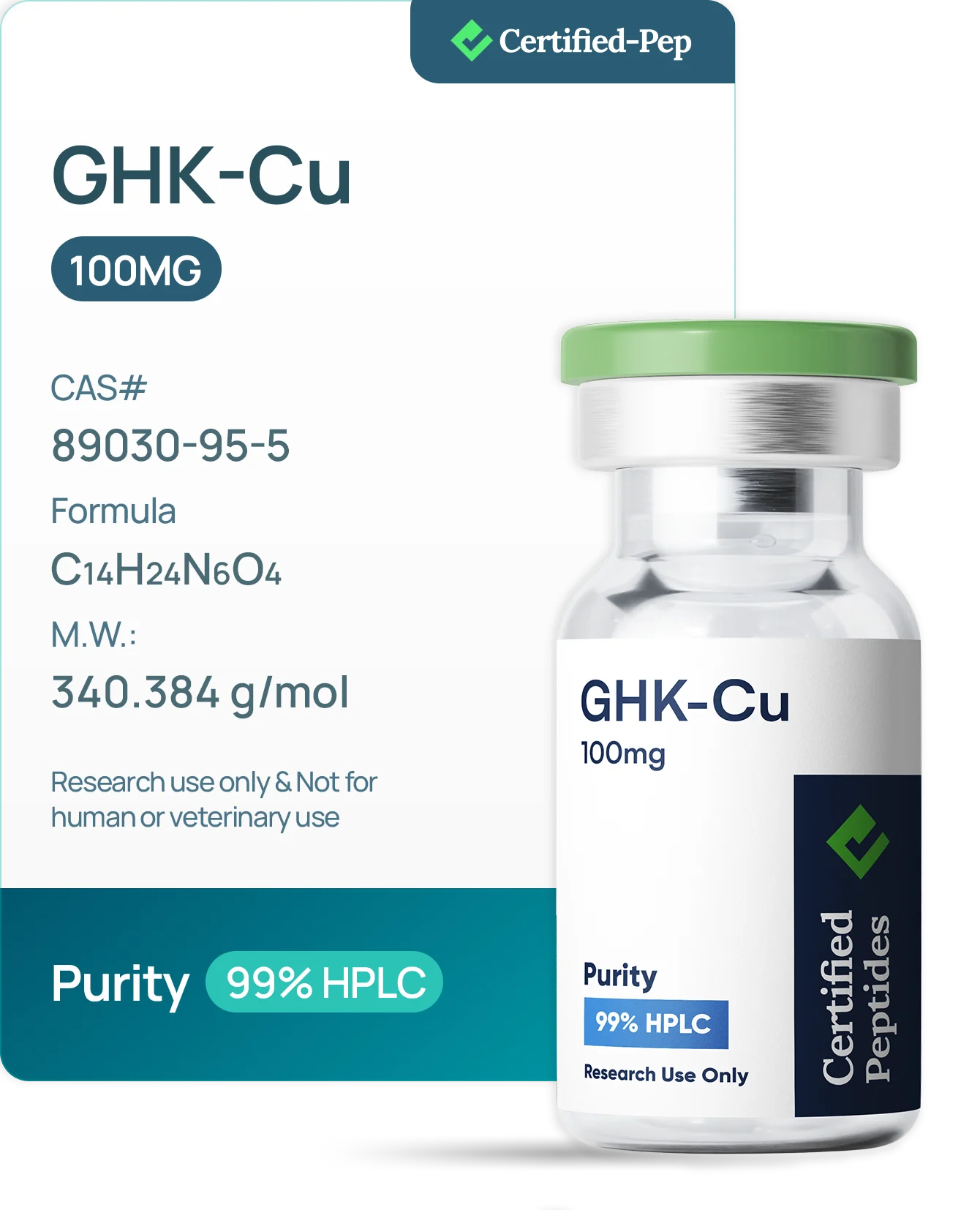
GHKCU 100 MG
USD 59.00
In stock
Last synced: 2026-11-01 10:07
Add to retailer cart ↗View product details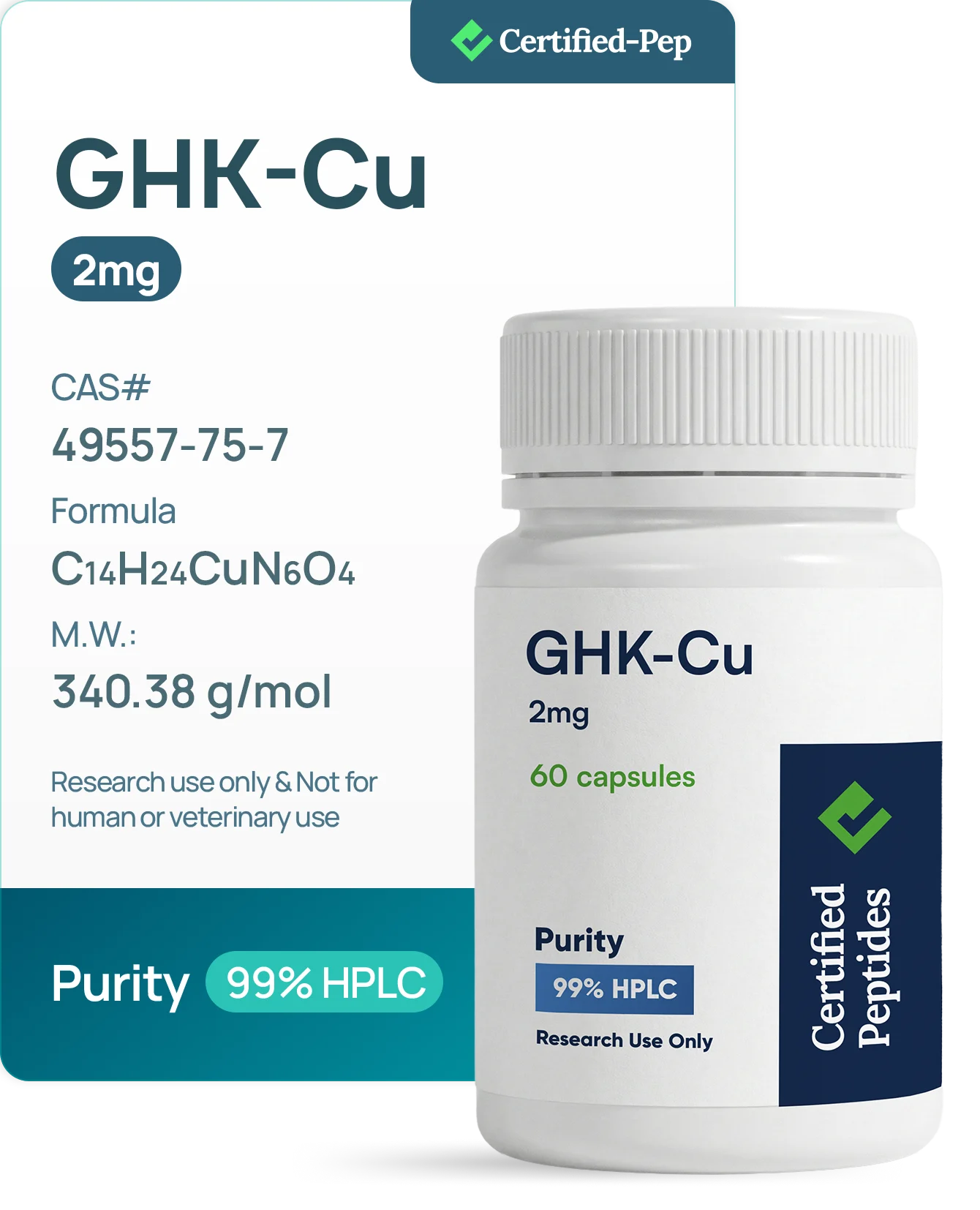
GHK-CU 2MG 60 CAPSULES
USD 198.00 USD 160.00
In stock
Last synced: 2026-11-01 10:07
Add to retailer cart ↗View product details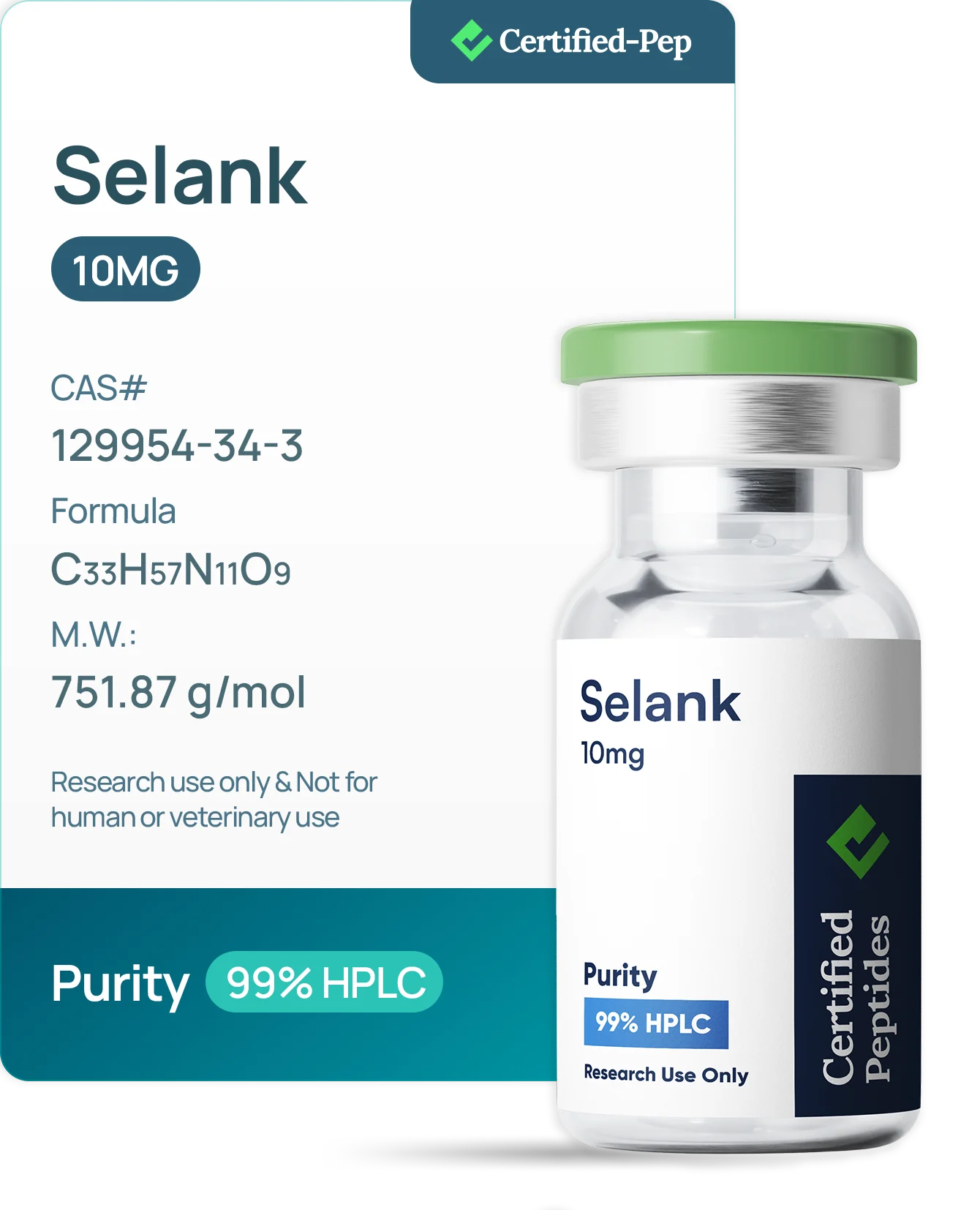
SELANK 10 MG
USD 50.00
In stock
Last synced: 2026-11-01 10:07
Add to retailer cart ↗View product details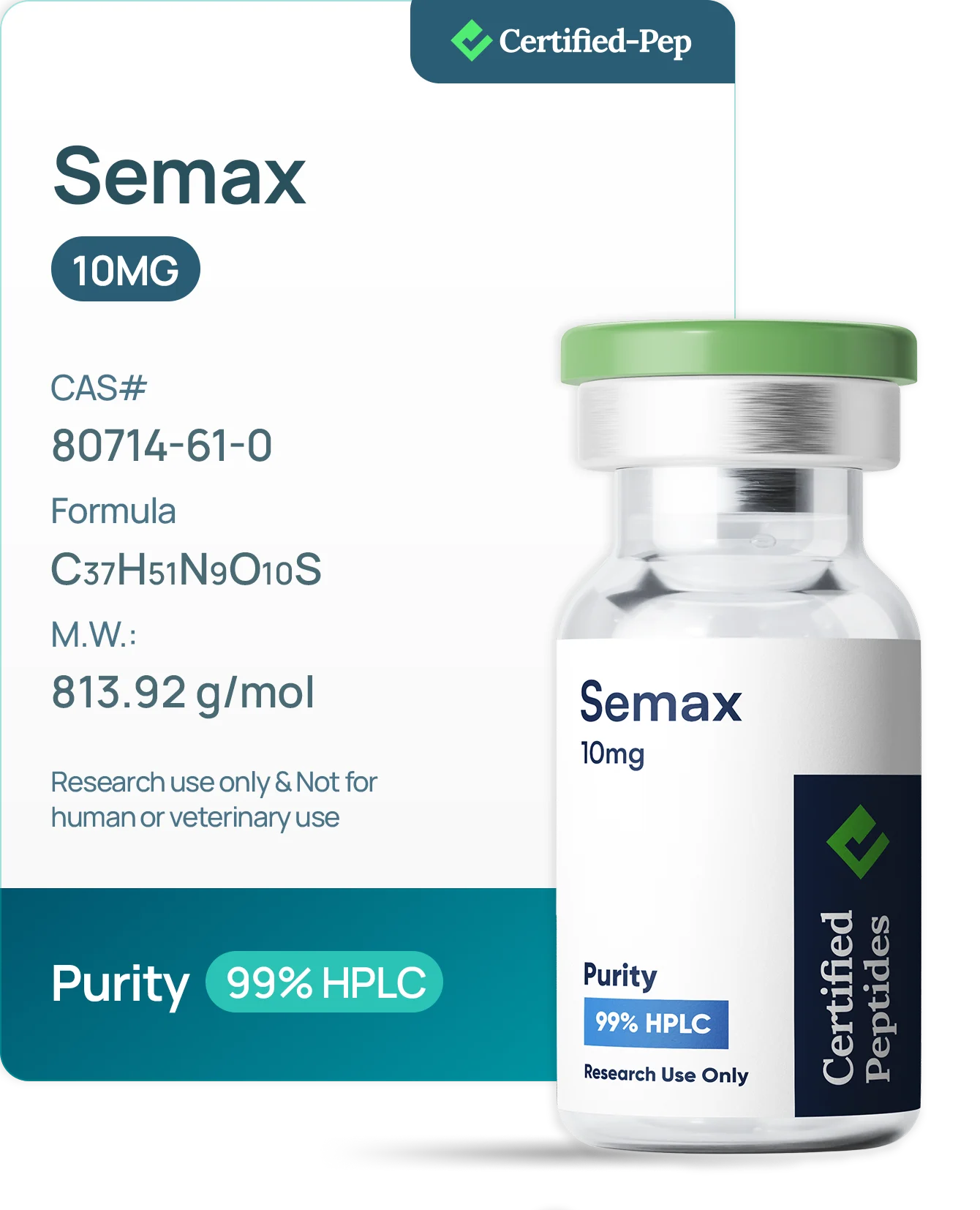
SEMAX 10MG
USD 54.00
In stock
Last synced: 2026-11-01 10:07
Add to retailer cart ↗View product details