
Interpreting Peptide Research Using Cell Lines: A Technical Guide
This resource explains how to critically assess peptide studies conducted in cell lines, highlighting key terminology, experimental models, endpoints, and the limitations of extrapolating findings beyond in vitro systems. Evidence from recent studies is used to illustrate best practices and common pitfalls.

Introduction: The Role of Cell Lines in Peptide Research
Cell lines are immortalized populations of cells derived from tissues or tumors, widely used as experimental models in peptide research. They offer a controlled, reproducible environment for studying molecular mechanisms, peptide-receptor interactions, and cellular responses. However, findings from cell line studies (in vitro) are not directly translatable to animal models or humans due to the artificial nature of these systems and the absence of physiological complexity. This guide provides a technical framework for interpreting peptide research using cell lines, drawing on recent evidence and highlighting critical considerations for research literacy.
Defining Key Concepts: What Are Cell Lines and In Vitro Studies?
Cell lines are populations of cells that can proliferate indefinitely under laboratory conditions. They may originate from human or animal tissues and are often genetically or phenotypically distinct from primary cells. In vitro (Latin for "in glass") refers to experiments conducted outside a living organism, typically in culture dishes or flasks. In peptide research, in vitro studies using cell lines allow for high-throughput screening of peptide activity, mechanistic investigations, and gene expression profiling. However, these models lack the multicellular, systemic interactions present in living organisms.
Checklist for readers: - Is the cell line human or animal-derived? What tissue or disease does it represent? - Are the cells primary (freshly isolated) or immortalized (adapted for indefinite growth)? - What are the known genetic or phenotypic alterations in the cell line? - Are the experimental conditions (e.g., media, supplements, passage number) clearly described?
Experimental Models: Selecting and Characterizing Cell Lines
The choice of cell line is a foundational aspect of peptide research. For example, studies investigating neuroprotective peptides may use human neuroblastoma SH-SY5Y cells or immortalized glial lines. In the study of the peptide Semax, SH-SY5Y cells were used to model neuronal oxidative stress and cytotoxicity relevant to Alzheimer's disease Source 2. Similarly, research on the peptide GHK (glycyl-L-histidyl-L-lysine) utilized human fibroblasts and cancer cell lines to assess gene expression changes Source 1.
Critical questions: - Does the cell line accurately model the tissue or disease of interest? - Are there known limitations or artifacts associated with the chosen cell line? - How might the cell line's genetic background influence peptide response?
Experimental Design: Controls, Dosing, and Endpoints
Robust experimental design is essential for generating interpretable data. Key elements include: - Controls: Untreated cells, vehicle-treated cells, and positive/negative controls are necessary to distinguish peptide-specific effects from background noise. - Dosing: Peptide concentrations should reflect physiologically relevant ranges, but in vitro systems often require higher doses due to differences in uptake and stability. - Endpoints: Common endpoints include cell viability (e.g., MTT assay), gene expression (e.g., microarray, qPCR), protein levels (e.g., Western blot), and functional assays (e.g., ROS production, neurite outgrowth).
For instance, the Semax study measured ROS generation and cell viability in SH-SY5Y cells exposed to copper and amyloid-beta, with and without Semax treatment Source 2. The GHK study used gene expression profiling in human cancer cell lines to identify peptide-regulated pathways Source 1.
Checklist for readers: - Are appropriate controls included and described? - Is the peptide dosing justified and relevant to the research question? - Are endpoints clearly defined and measured using validated methods?
Mechanistic Insights: What Can Cell Line Studies Reveal?
Cell line studies are powerful for dissecting molecular mechanisms. For example: - Semax was shown to chelate copper ions, reduce ROS production, and protect SH-SY5Y cells from amyloid-beta-induced cytotoxicity Source 2. - GHK modulated the expression of hundreds of genes in human cancer cell lines, including those involved in neuronal function, antioxidant defense, and DNA repair Source 1.
These findings provide mechanistic hypotheses for further investigation but do not establish efficacy or safety in vivo. The artificial environment of cell lines may amplify or obscure certain pathways, and peptide concentrations may not reflect physiological exposures.
Reader questions: - What molecular pathways are implicated by the peptide in the cell line? - Are the observed effects consistent with known biology, or do they suggest off-target actions? - How do the findings compare to results in primary cells or animal models (if available)?
Data Interpretation: Statistical Analysis and Reproducibility
Interpreting cell line data requires attention to statistical rigor and reproducibility. Key considerations include: - Replicates: Are experiments performed in biological and technical replicates? - Statistical tests: Are appropriate statistical analyses used to assess significance? - Data presentation: Are results shown with measures of variability (e.g., standard error, confidence intervals)?
In the Semax study, results from flow cytometry and MTT assays were averaged across multiple independent experiments, with statistical significance assessed using ANOVA and chi-square tests Source 2. The GHK study reported fold changes in gene expression and used computational tools for data analysis Source 1.
Checklist for readers: - Are the number of replicates and statistical methods clearly stated? - Are data reproducible across independent experiments? - Are limitations in data interpretation acknowledged by the authors?
Limitations of Cell Line Research: Extrapolation and Context
While cell lines are invaluable for mechanistic studies, their limitations must be recognized: - Lack of systemic context: Cell lines do not recapitulate tissue architecture, immune interactions, or pharmacokinetics. - Genetic drift and adaptation: Prolonged culture can lead to genetic and phenotypic changes. - Overinterpretation risk: Positive findings in cell lines do not predict efficacy or safety in animals or humans.
For example, while Semax reduced ROS and cytotoxicity in SH-SY5Y cells, this does not establish its neuroprotective efficacy in animal models or clinical settings Source 2. Similarly, GHK's modulation of gene expression in cancer cell lines provides hypotheses but not clinical evidence Source 1.
Reader questions: - What are the main limitations of the cell line model for this peptide? - Are the findings supported by additional models (e.g., primary cells, animal studies)? - Do the authors avoid overgeneralizing from in vitro data?
Reporting Standards and Transparency
High-quality peptide research using cell lines should adhere to reporting standards that enhance transparency and reproducibility. Look for: - Detailed methods: Full descriptions of cell line source, authentication, culture conditions, and passage number. - Data availability: Access to raw data and analysis code, where applicable. - Conflict of interest and funding disclosures: Transparency regarding potential biases.
Both cited studies provide detailed methods and acknowledge limitations. For example, the Semax study describes cell culture conditions, experimental protocols, and statistical analyses in detail Source 2. The GHK study outlines computational analysis pipelines and gene ontology searches Source 1.
Checklist for readers: - Are methods and materials described in sufficient detail for replication? - Is data availability addressed? - Are potential conflicts of interest disclosed?
Practical Reading Checklist for Peptide Cell Line Studies
- Model relevance: Does the cell line model the tissue or disease of interest?
- Experimental design: Are controls, dosing, and endpoints appropriate and justified?
- Mechanistic insight: What pathways or processes are implicated, and how robust are the findings?
- Statistical rigor: Are results statistically sound and reproducible?
- Limitations: Are the boundaries of inference clearly stated?
- Transparency: Are methods, data, and potential conflicts fully disclosed?
Evidence Limitations and Key Takeaways
- Cell line studies are hypothesis-generating, not confirmatory. They provide mechanistic clues but cannot establish safety, efficacy, or clinical utility.
- Findings are context-dependent. Results may vary with cell line, passage number, culture conditions, and peptide formulation.
- Translation to in vivo systems is uncertain. Effects observed in vitro may not occur in animals or humans due to differences in metabolism, immune response, and tissue complexity.
- Critical appraisal is essential. Readers should assess model relevance, experimental design, statistical analysis, and transparency before drawing conclusions.
In summary: Cell line-based peptide research is a foundational step in the scientific process, offering valuable mechanistic insights but requiring careful interpretation. Robust experimental design, transparent reporting, and acknowledgment of limitations are essential for advancing peptide science responsibly.
For research and educational purposes only. Not medical advice. Research products are not for human or veterinary use.
Sources
- The Effect of the Human Peptide GHK on Gene Expression Relevant to Nervous System Function and Cognitive Decline - PMC. https://pmc.ncbi.nlm.nih.gov/articles/PMC5332963/
- Semax, a Copper Chelator Peptide, Decreases the Cu(II)-Catalyzed ROS Production and Cytotoxicity of aβ by Metal Ion Stripping and Redox Silencing - PMC. https://pmc.ncbi.nlm.nih.gov/articles/PMC12151629/
Continue exploring
- Interpreting Semax Oxidative-Stress Assays: Why Multiple Experimental Readouts Matter
- Interpreting Null Gene-Expression Findings in the Selank IMR-32 Cell Study: Evidence and Limitations
- Distinguishing Gastric-Emptying and Growth-Hormone Endpoints in Ipamorelin Research: Mechanistic and Methodological Considerations
TRACE THE EVIDENCE
Sources & further reading
RELATED PRODUCT INFORMATION
From the Certified Pep catalog.
Product references are informational, not a recommendation for human use. Prices and availability must be verified at retailer checkout.
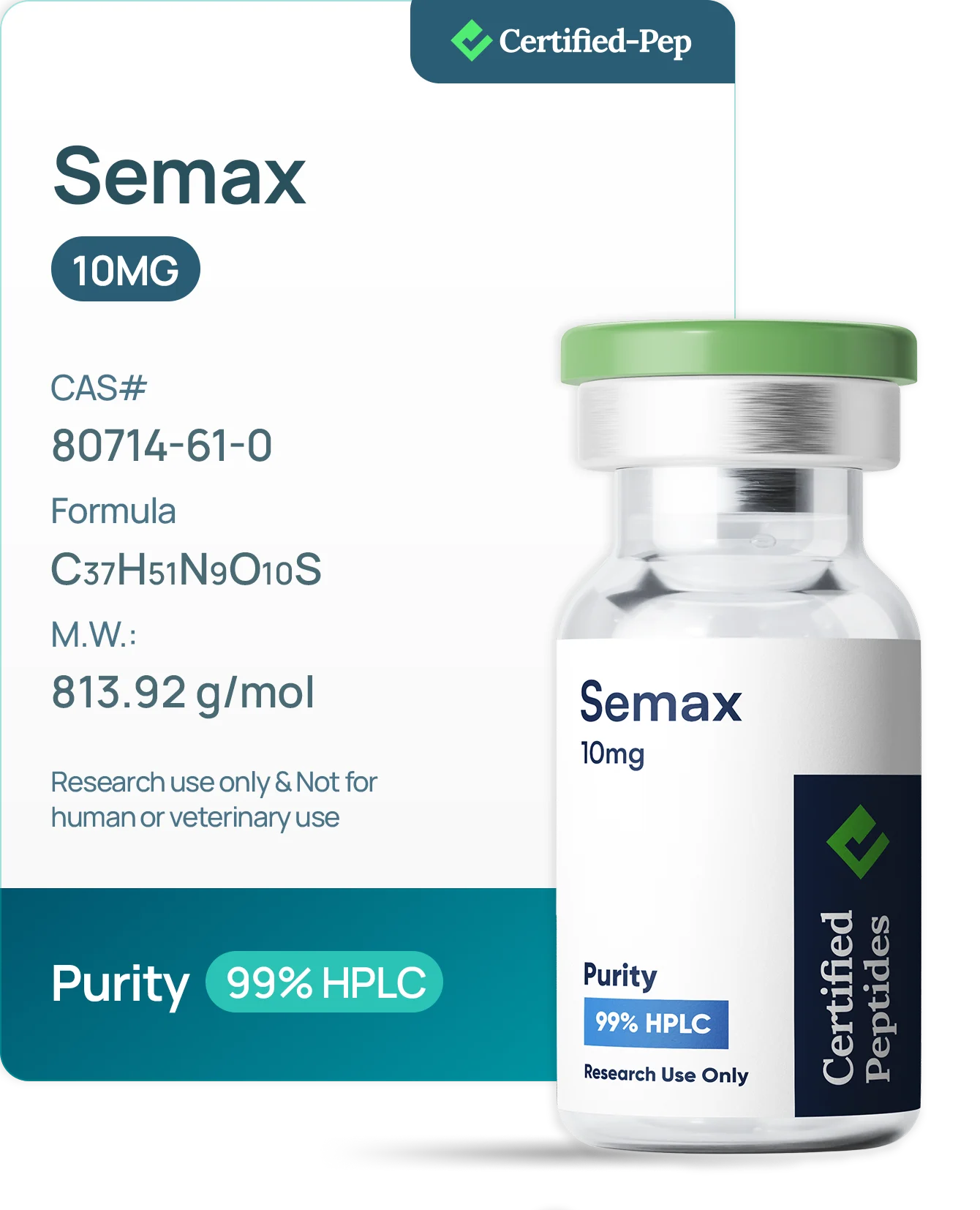
SEMAX 10MG
USD 54.00
In stock
Last synced: 2026-11-01 10:07
Add to retailer cart ↗View product details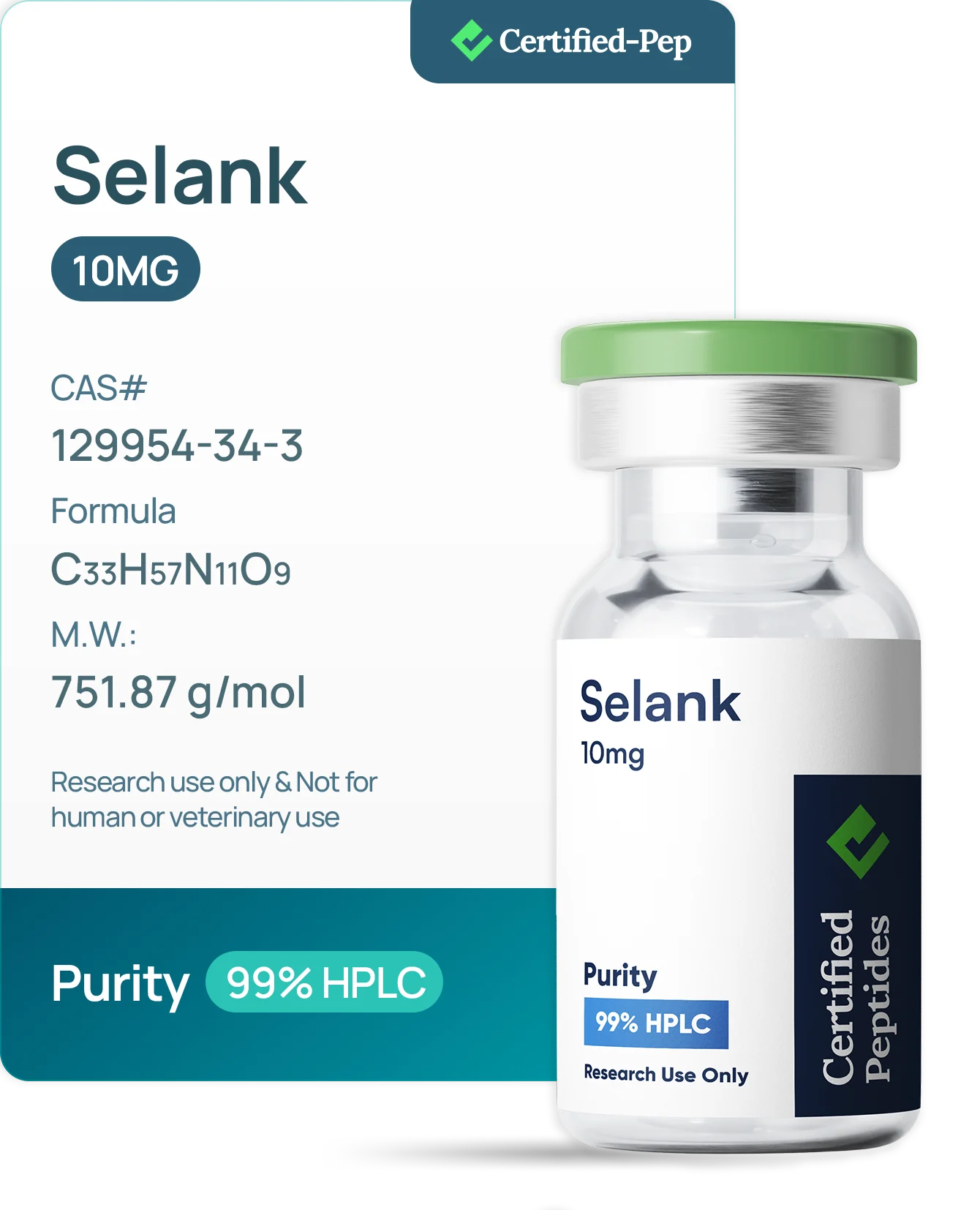
SELANK 10 MG
USD 50.00
In stock
Last synced: 2026-11-01 10:07
Add to retailer cart ↗View product details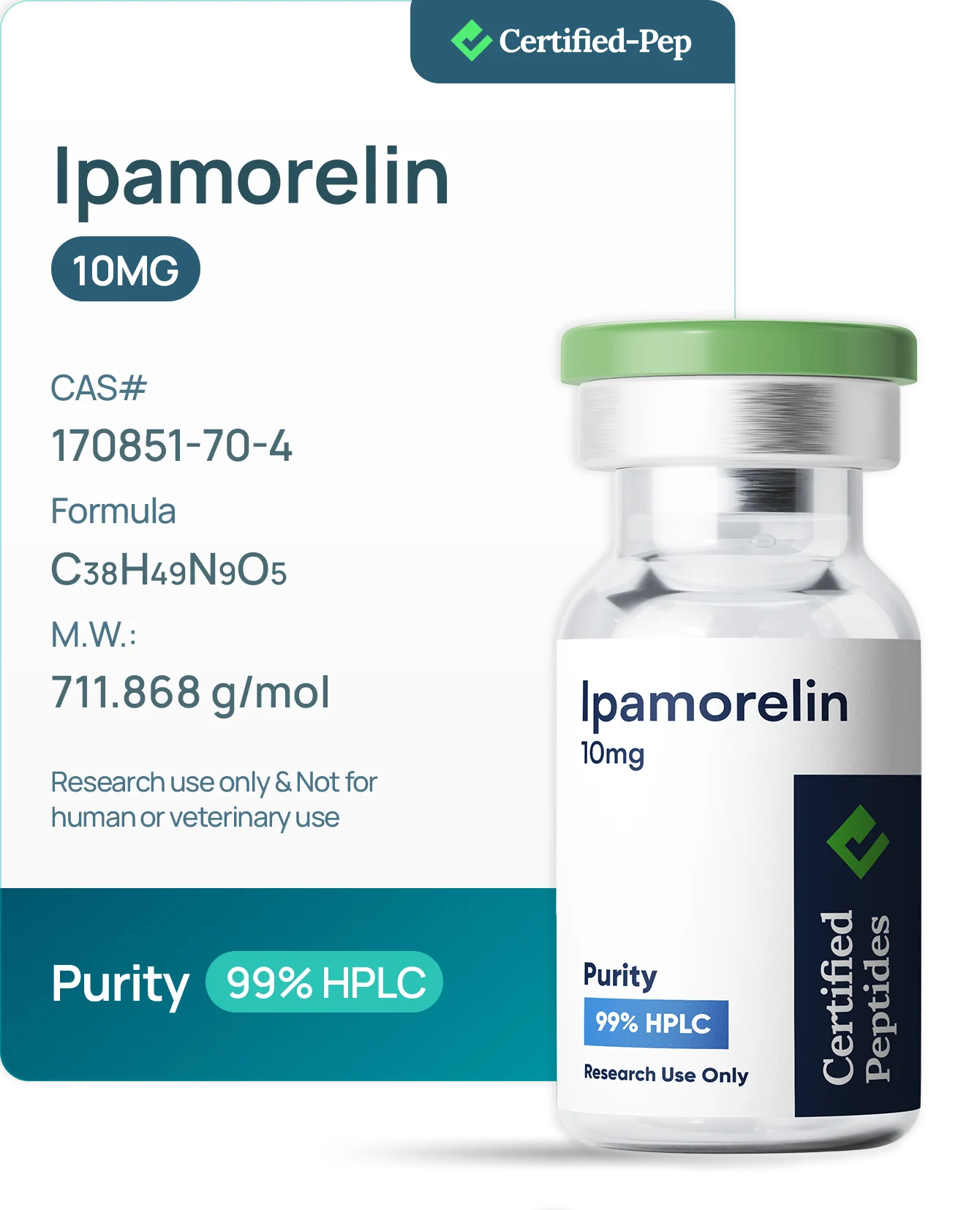
IPAMORELIN 10 MG
USD 67.00
In stock
Last synced: 2026-11-01 10:07
Add to retailer cart ↗View product details