
Distinguishing Gastric-Emptying and Growth-Hormone Endpoints in Ipamorelin Research: Mechanistic and Methodological Considerations
Gastric-emptying and growth-hormone endpoints in ipamorelin research reflect distinct physiological processes and experimental aims. This resource reviews the mechanistic basis, experimental models, and interpretive limitations of each endpoint, drawing on controlled animal studies.

Introduction: The Distinction Between Gastric-Emptying and Growth-Hormone Endpoints
Ipamorelin is a synthetic peptide classified as a selective agonist of the growth hormone secretagogue receptor (GHSR), also known as the ghrelin receptor. It is widely studied for its ability to stimulate growth hormone (GH) release and to modulate gastrointestinal (GI) motility. In preclinical research, two commonly investigated endpoints are gastric emptying and growth hormone response. These endpoints are fundamentally different in their physiological relevance, experimental measurement, and implications for understanding ipamorelin’s mechanisms of action. This article examines these differences in detail, referencing controlled animal studies and highlighting methodological and interpretive limitations.
Defining the Endpoints: Gastric Emptying Versus Growth Hormone Response
Gastric emptying refers to the rate at which the stomach contents are passed into the small intestine. It is a direct measure of upper GI motility and is relevant in models of gastroparesis and postoperative ileus. In contrast, the growth hormone response is typically quantified as the change in circulating GH levels following administration of a secretagogue such as ipamorelin. This endpoint reflects pituitary function and the integrity of the hypothalamic-pituitary axis, rather than GI motility.
The distinction is not merely semantic; it reflects two separate physiological systems—one governing digestive tract motility and the other regulating endocrine growth processes. While both endpoints can be modulated by GHSR agonists, their measurement and interpretation require different experimental designs and controls.
Mechanistic Basis: Ghrelin Receptor Pathways in GI Motility and GH Secretion
Ipamorelin acts as a ghrelin receptor agonist. The ghrelin receptor (GHSR) is expressed in multiple tissues, including the pituitary gland and the enteric nervous system. Activation of GHSR in the pituitary stimulates GH release, while activation in the GI tract influences motility through neural and smooth muscle pathways.
In the context of gastric emptying, ipamorelin’s effects are mediated by stimulation of cholinergic excitatory neurons in the enteric nervous system, leading to enhanced gastric smooth muscle contractility and accelerated transit of gastric contents Source 1. For GH secretion, ipamorelin acts centrally to promote release of GH from the anterior pituitary, a process that is independent of direct effects on GI motility Source 2.
Experimental Models and Measurement Techniques
Gastric Emptying
Gastric emptying is typically measured in animal models using radiolabeled meals or non-absorbable markers. For example, in a rodent model of postoperative ileus, rats receive an intragastric gavage of a radiolabeled meal (e.g., technetium-99m sulfur colloid), and the proportion of radioactivity remaining in the stomach after a fixed interval is quantified Source 1. This approach allows for direct assessment of gastric transit under controlled conditions.
Growth Hormone Response
GH response is measured by collecting blood samples before and after administration of ipamorelin and quantifying serum GH concentrations, often using immunoassays. In studies of diabetic and non-diabetic mice, for instance, GH levels are measured 10 minutes after intravenous injection of ipamorelin to assess the acute secretory response Source 2.
The choice of endpoint determines not only the experimental protocol but also the interpretation of results. Gastric emptying studies require controls for GI motility, while GH response studies require controls for pituitary function and systemic metabolic status.
Key Findings from Controlled Animal Studies
Gastric Emptying: Effects of Ipamorelin in Rodent Models
In a controlled study using a rat model of postoperative ileus, ipamorelin was shown to significantly accelerate gastric emptying compared to vehicle-treated controls. Abdominal surgery induced a marked delay in gastric emptying, with 78% ± 5% of the meal remaining in the stomach in vehicle-treated rats. Administration of ipamorelin (0.014 µmol/kg, intravenous) reduced this to 52% ± 11%, approaching the level seen in non-surgical controls (44% ± 6%) Source 1.
Further, in vitro studies of gastric smooth muscle strips from these animals demonstrated that ipamorelin normalized contractile responses to acetylcholine and electrical field stimulation, suggesting a direct effect on cholinergic neural pathways. These findings support the role of ipamorelin in modulating GI motility via peripheral neural mechanisms.
Growth Hormone Response: Ipamorelin in Diabetic and Non-Diabetic Mice
In a separate study, ipamorelin was administered intravenously to streptozotocin (STZ)-induced diabetic and non-diabetic female mice. The GH response was significantly higher in diabetic mice (150 ± 35 µg/L) compared to non-diabetic controls (62 ± 11 µg/L) following ipamorelin injection (P < 0.05) Source 2. However, serum insulin-like growth factor I (IGF-I) levels, which are downstream of GH, were lower in diabetic animals and did not increase after stimulation, indicating hepatic GH resistance.
This study highlights that the GH response to ipamorelin is influenced by systemic metabolic status and that GH hypersecretion may be accompanied by target tissue resistance, particularly in disease models.
Methodological Considerations and Controls
Gastric Emptying Studies
- Controls: Non-surgical animals and vehicle-treated surgical animals are essential controls to distinguish the effects of ipamorelin from those of surgery or anesthesia.
- Endpoints: The primary endpoint is the percentage of meal remaining in the stomach after a set time. Secondary endpoints may include small intestinal transit and contractility of isolated muscle strips.
- Confounders: Factors such as anesthesia, surgical manipulation, and stress can independently affect GI motility and must be accounted for in study design.
Growth Hormone Response Studies
- Controls: Baseline (pre-injection) GH levels and saline-injected animals serve as controls.
- Endpoints: The primary endpoint is the change in serum GH concentration post-injection. Secondary endpoints may include IGF-I levels and hepatic expression of GH receptor and IGF-I mRNA.
- Confounders: Age, sex, metabolic status (e.g., diabetes), and circadian rhythms can influence GH secretion and must be controlled or reported.
Interpretation: Why the Endpoints Are Not Interchangeable
The gastric-emptying endpoint reflects ipamorelin’s action on the GI tract, specifically its ability to enhance motility through peripheral neural pathways. The growth hormone response, in contrast, reflects central endocrine effects mediated by the hypothalamic-pituitary axis. While both endpoints can be modulated by the same peptide, they are mechanistically and functionally distinct.
A compound may accelerate gastric emptying without significantly altering GH secretion, or vice versa, depending on receptor distribution, tissue sensitivity, and systemic factors. Thus, findings from one endpoint cannot be extrapolated to the other without direct evidence.
Limitations and Gaps in the Evidence
- Species Differences: Most available data are from rodent models, which may not fully recapitulate human physiology.
- Acute Versus Chronic Effects: Most studies assess acute responses to a single dose; chronic effects and potential desensitization are less well characterized.
- Disease Models: The GH response may differ in disease states (e.g., diabetes) due to altered receptor sensitivity or downstream signaling, complicating extrapolation to healthy systems.
- Lack of Human Data: While some ghrelin mimetics have been studied in humans, direct evidence for ipamorelin’s effects on gastric emptying or GH response in clinical populations is limited or absent in the supplied sources.
- Endpoint Specificity: Measurement techniques (e.g., radiolabeled meals, immunoassays) have inherent variability and may be influenced by technical factors.
Key Takeaways and Research Implications
- Distinct Mechanisms: Gastric-emptying and growth-hormone endpoints in ipamorelin research represent distinct physiological processes—GI motility versus endocrine secretion—mediated by different tissues and signaling pathways.
- Experimental Design: The choice of endpoint dictates experimental design, controls, and interpretation. Results from one endpoint should not be used to infer effects on the other without direct evidence.
- Translational Limitations: Findings from animal models provide mechanistic insights but may not predict human outcomes, especially in the absence of controlled human studies.
- Research Utility: Both endpoints are valuable for elucidating the pleiotropic actions of ghrelin receptor agonists but must be interpreted within the context of their specific physiological relevance and methodological constraints.
Conclusion
In summary, gastric-emptying and growth-hormone endpoints in ipamorelin research are fundamentally different, reflecting separate physiological systems and requiring distinct experimental approaches. Controlled animal studies demonstrate that ipamorelin can modulate both endpoints, but the mechanisms, measurement, and implications are not interchangeable. Careful attention to study design, controls, and endpoint specificity is essential for valid interpretation and for guiding future research.
For research and educational purposes only. Not medical advice. Research products are not for human or veterinary use.
Sources
- Efficacy of ipamorelin, a ghrelin mimetic, on gastric dysmotility in a rodent model of postoperative ileus - PMC. https://pmc.ncbi.nlm.nih.gov/articles/PMC4863553/
- Growth Hormone (GH) Hypersecretion and GH Receptor Resistance in Streptozotocin Diabetic Mice in Response to a GH Secretagogue - PMC. https://pmc.ncbi.nlm.nih.gov/articles/PMC2478601/
Continue exploring
TRACE THE EVIDENCE
Sources & further reading
RELATED PRODUCT INFORMATION
From the Certified Pep catalog.
Product references are informational, not a recommendation for human use. Prices and availability must be verified at retailer checkout.
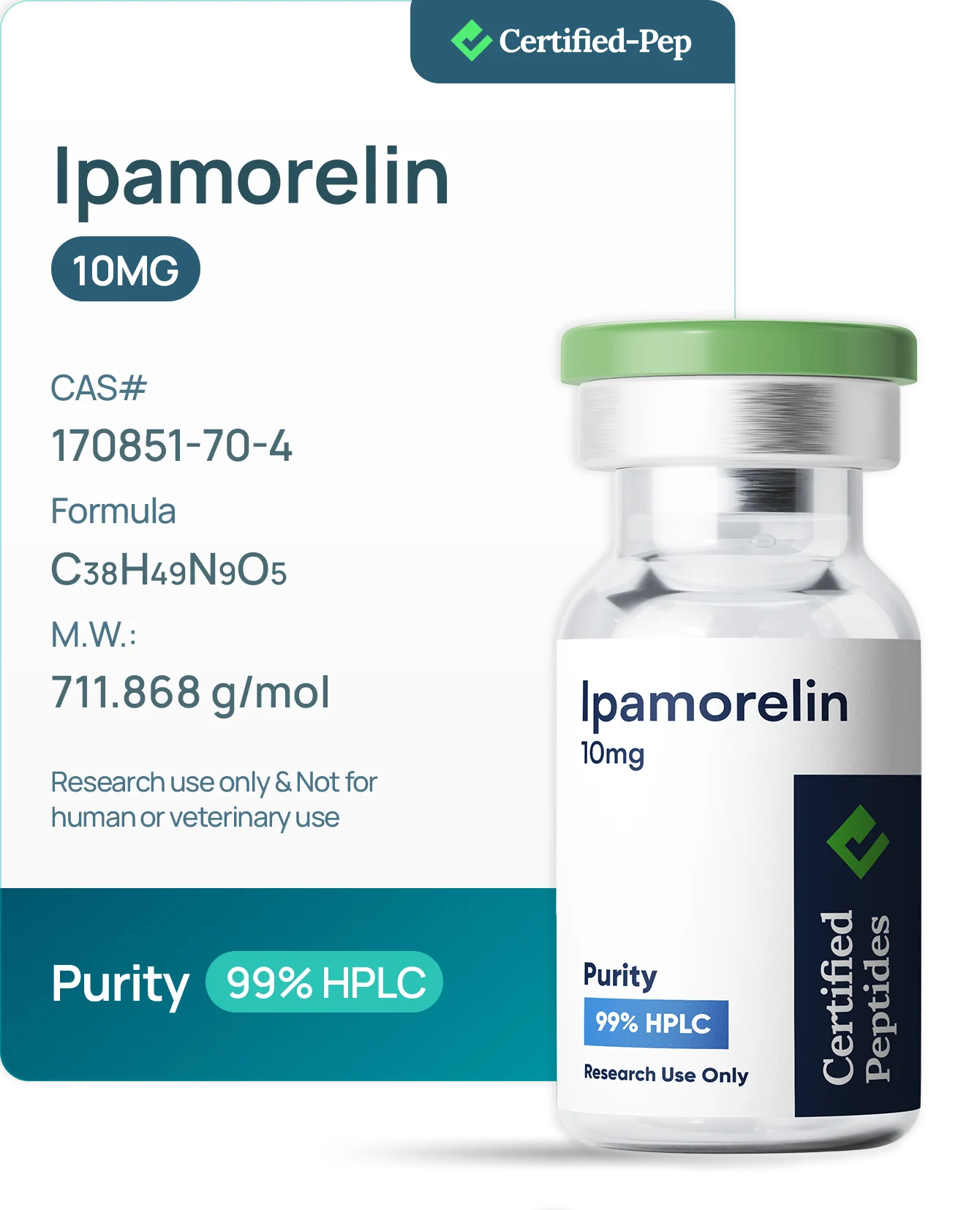
IPAMORELIN 10 MG
USD 67.00
In stock
Last synced: 2026-11-01 10:07
Add to retailer cart ↗View product details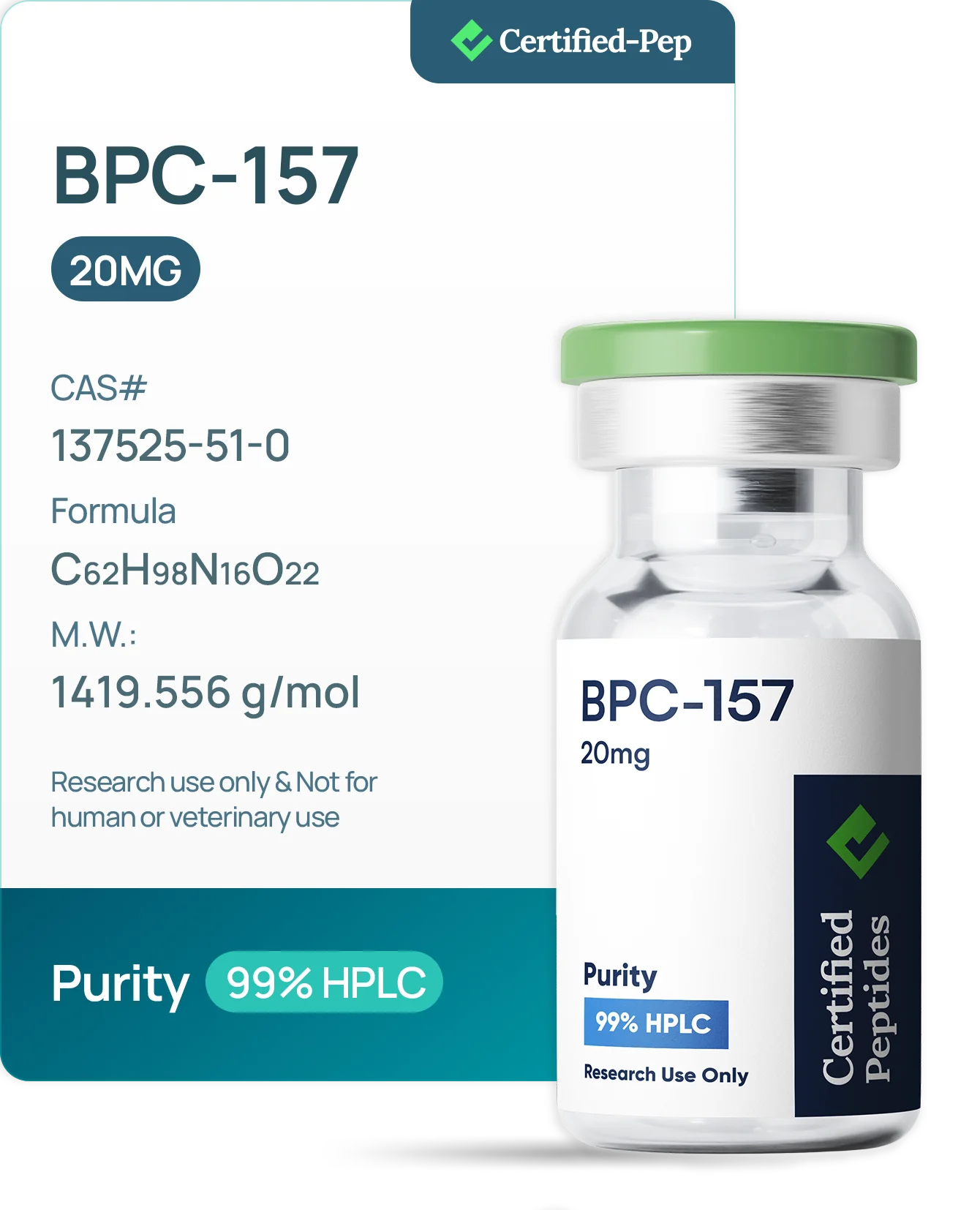
BPC-157 20 MG
USD 90.00
In stock
Last synced: 2026-11-01 10:07
Add to retailer cart ↗View product details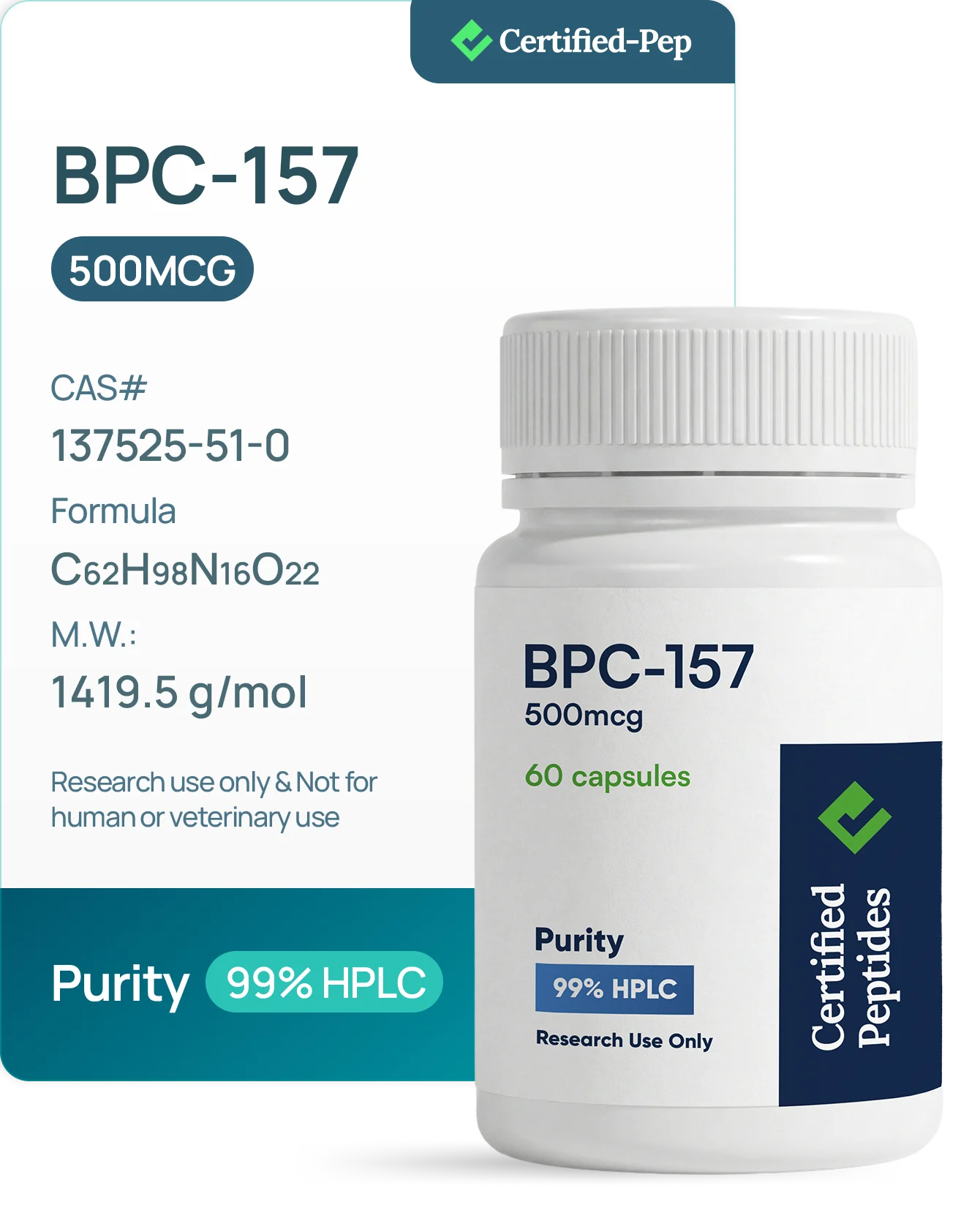
BPC-157 500 mcg 60 CAPSULES
USD 160.00 USD 100.00
In stock
Last synced: 2026-11-01 10:07
Add to retailer cart ↗View product details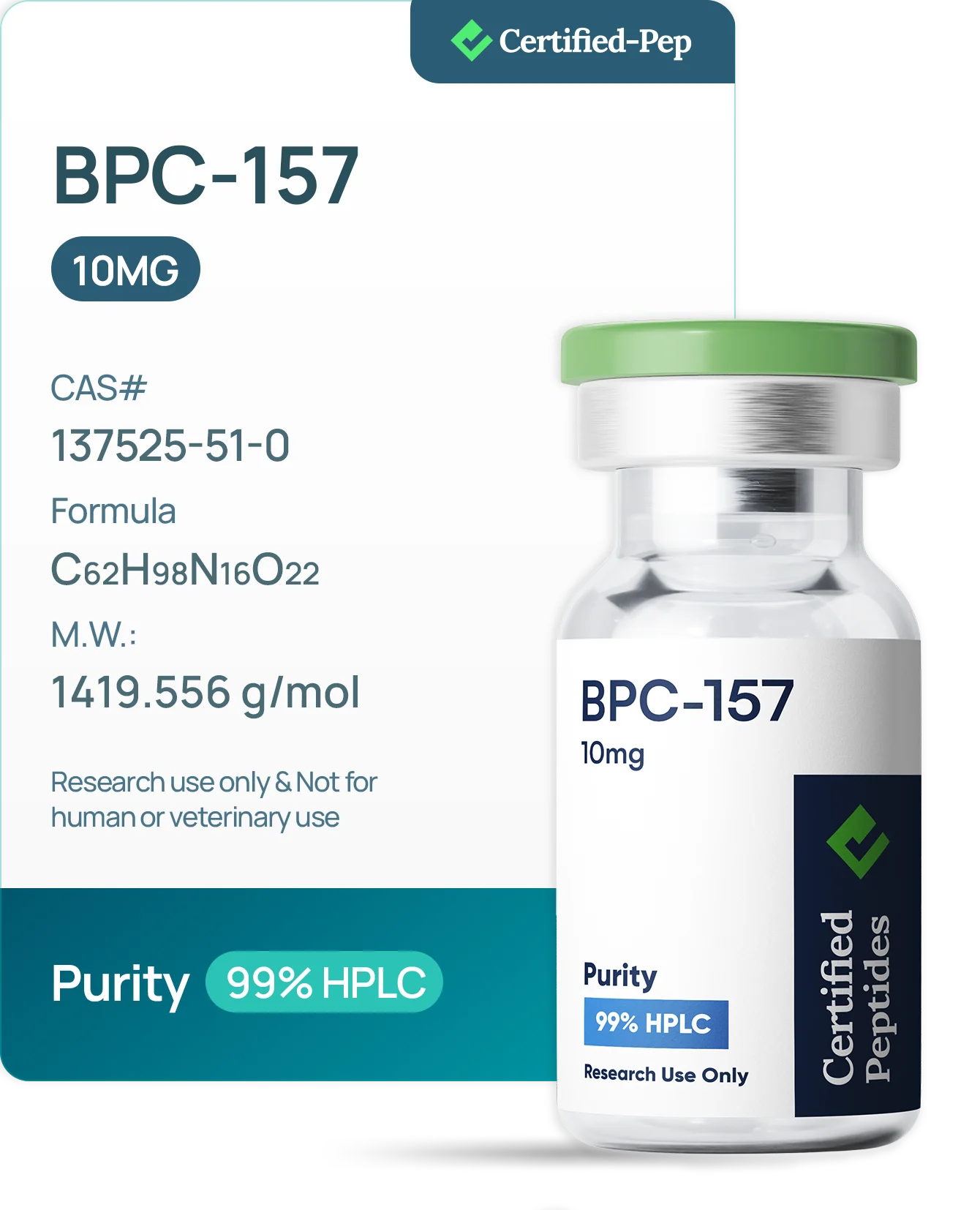
BPC-157 10 MG
USD 60.00
In stock
Last synced: 2026-11-01 10:07
Add to retailer cart ↗View product details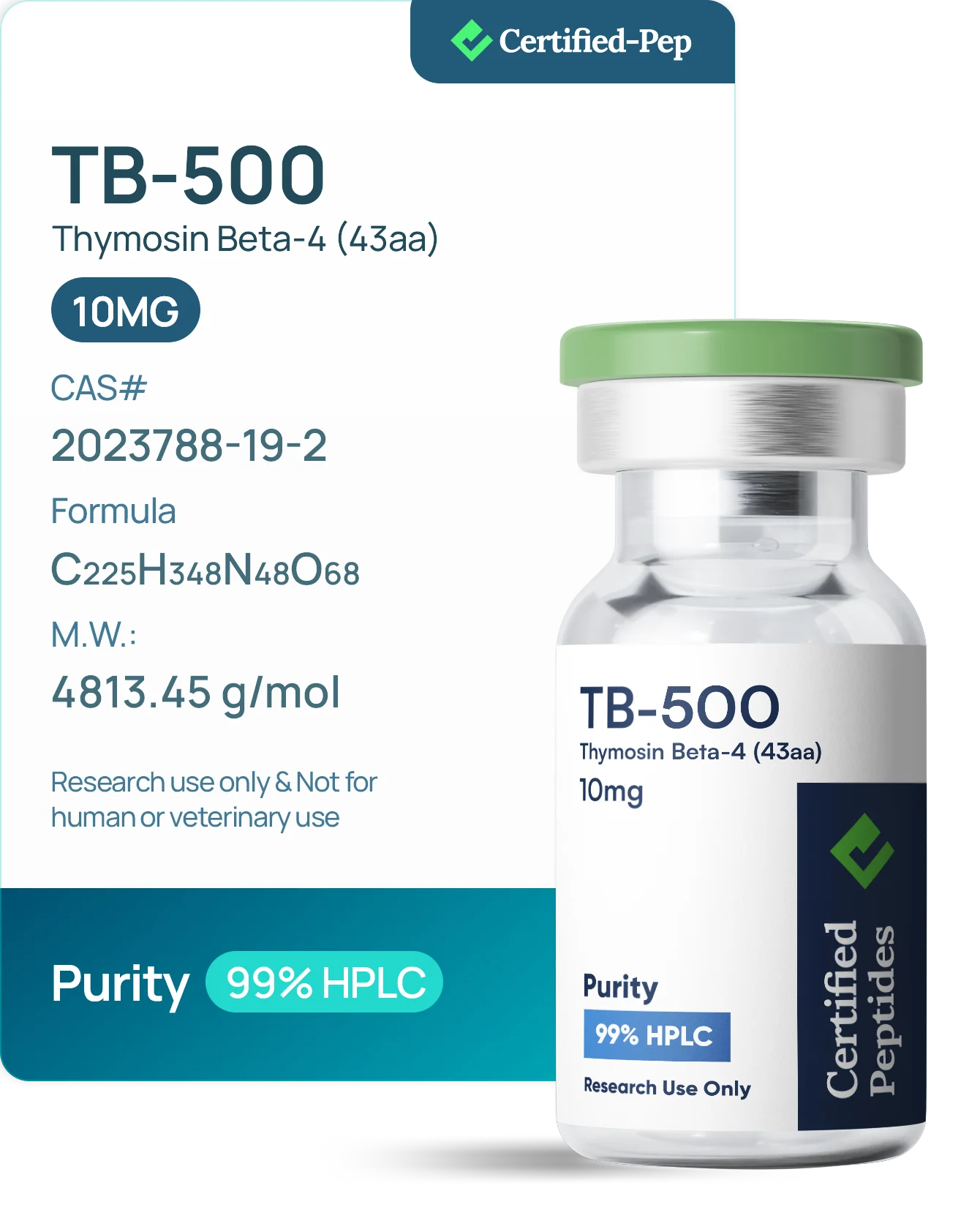
TB-500 10 MG
USD 70.00
In stock
Last synced: 2026-11-01 10:07
Add to retailer cart ↗View product details