
Evaluating Uncontrolled Human Observations in BPC-157 Research: A Technical Guide
This resource explains how scientifically literate readers should interpret uncontrolled human observations in BPC-157 research, distinguishing anecdotal findings from rigorous evidence. It reviews the current state of published research, clarifies terminology, and provides a checklist for critical appraisal, with explicit attention to evidence limitations and the gap between preclinical and clinical data.

Introduction: The Context of BPC-157 Research
Body Protection Compound-157 (BPC-157) is a synthetic peptide derived from a naturally occurring gastric protein. It has attracted significant attention in musculoskeletal and sports medicine research due to its reported effects on tissue repair and inflammation in preclinical models. However, the translation of these findings to human clinical outcomes remains highly uncertain. This article provides a technical framework for evaluating uncontrolled human observations in BPC-157 research, focusing on the distinction between anecdotal reports, uncontrolled case series, and rigorous clinical evidence. The discussion is grounded in the most recent systematic review of BPC-157 literature, which highlights the scarcity of controlled human data and the predominance of preclinical studies Source 1.
Defining Uncontrolled Human Observations
What Are Uncontrolled Observations?
Uncontrolled human observations refer to reports of outcomes in individuals or groups who receive an intervention (such as BPC-157) without the use of a control group, randomization, or blinding. These may include case reports, retrospective case series, or anecdotal accounts. In the context of BPC-157, the only identified human study is a small retrospective series in which 12 patients with chronic knee pain received intraarticular BPC-157 injections, and 7 reported subjective symptom relief for more than six months Source 1.
Why Are These Observations Limited?
Uncontrolled observations are inherently subject to multiple biases, including placebo effects, regression to the mean, selection bias, and reporting bias. Without a comparator group, it is impossible to attribute observed outcomes specifically to the intervention. In BPC-157 research, these limitations are compounded by the lack of standardized outcome measures and the retrospective nature of available reports.
The Current State of BPC-157 Human Research
Systematic Review Findings
A 2025 systematic review identified 36 studies on BPC-157, of which 35 were preclinical (animal or in vitro) and only one was a human retrospective case series Source 1. No randomized controlled trials (RCTs) or prospective cohort studies in humans were found. The review emphasizes that the vast majority of evidence for BPC-157's effects comes from animal models, where the peptide has been shown to influence growth factor pathways, angiogenesis, and inflammation.
The Single Human Study: Details and Caveats
The only cited human study involved 12 patients with chronic knee pain who received intraarticular BPC-157. Seven reported subjective improvement lasting over six months. The study was retrospective, lacked a control group, and relied on self-reported outcomes. No objective measures of function, pain, or tissue healing were reported, and no safety data were systematically collected Source 1.
Interpreting Uncontrolled Human Data: A Critical Checklist
Key Questions for Readers
- Was there a control group? Without a comparator, causality cannot be established.
- How were outcomes measured? Subjective reports are prone to bias; objective, validated measures are preferable.
- What was the follow-up duration? Short-term improvements may not persist, and long-term safety is unknown.
- Were adverse events systematically recorded? Absence of reported harms does not imply safety.
- Is the sample size sufficient? Small numbers increase the risk of random error and overestimate effect sizes.
- Was the study prospective or retrospective? Retrospective designs are more susceptible to recall and selection bias.
Applying the Checklist to BPC-157
In the available human study, there was no control group, outcomes were subjective, the sample size was small, and adverse events were not systematically assessed. These factors severely limit the interpretability and generalizability of the findings Source 1.
Distinguishing Preclinical and Human Evidence
Preclinical Findings: Mechanisms and Models
Most BPC-157 research has been conducted in animal models or cell cultures. These studies report effects on angiogenesis, inflammation, and tissue repair, often using validated injury models and objective endpoints. While these findings are mechanistically interesting, they cannot be directly extrapolated to human clinical outcomes due to species differences, dosing disparities, and controlled laboratory conditions Source 1.
The Gap to Human Application
No controlled human trials have confirmed the efficacy or safety of BPC-157 for any indication. Regulatory agencies, including the U.S. Food and Drug Administration (FDA), have not approved BPC-157 for clinical use, citing insufficient evidence and safety concerns. The peptide is banned in professional sports and is often sold as an unregulated research chemical Source 1.
Methodological Limitations and Biases in Uncontrolled Observations
Placebo and Expectancy Effects
In uncontrolled settings, participants' expectations can strongly influence perceived outcomes. This is particularly relevant in pain and musculoskeletal conditions, where placebo responses are well-documented. Without blinding or randomization, it is impossible to separate true pharmacological effects from psychological influences.
Regression to the Mean and Natural History
Chronic conditions often fluctuate, and symptoms may improve spontaneously over time. Regression to the mean—the statistical tendency for extreme values to move toward the average—can create the illusion of treatment efficacy in uncontrolled studies.
Selection and Reporting Bias
Patients who seek out or are selected for novel interventions may differ systematically from the general population. Positive outcomes are more likely to be reported, while negative or null results may go unpublished. In the BPC-157 case series, it is unclear how patients were selected or whether all treated individuals were included in the analysis Source 1.
Safety Data: What Is Known and Unknown
Preclinical Safety Assessments
Animal studies have not identified acute toxicity or organ-specific adverse effects with BPC-157 over short durations (up to six weeks). However, these findings do not guarantee safety in humans, especially with long-term or repeated use Source 1.
Lack of Human Safety Data
No systematic safety data are available from human studies. The only published human case series did not report adverse events, but this absence is not evidence of safety. Furthermore, unregulated manufacturing and potential contamination of research-grade peptides introduce additional risks Source 1.
Regulatory and Ethical Considerations
BPC-157 is not approved for human or veterinary use by regulatory agencies. Its sale as a research chemical does not imply safety, quality, or efficacy. Professional sports organizations and anti-doping agencies have banned its use due to the lack of safety and efficacy data Source 1.
Practical Reading Guide: How to Approach BPC-157 Evidence
Terminology and Study Types
- Case Report/Series: Describes outcomes in one or a few individuals, without controls.
- Retrospective Study: Looks back at existing records; prone to recall and selection bias.
- Prospective Cohort: Follows a group forward in time; stronger than retrospective, but still observational.
- Randomized Controlled Trial (RCT): Participants are randomly assigned to intervention or control; gold standard for causal inference.
Checklist for Critical Appraisal
- Identify the study design. Is it controlled? Randomized?
- Assess the sample size and representativeness.
- Evaluate outcome measures. Are they objective and validated?
- Look for systematic safety assessment.
- Consider potential conflicts of interest or funding sources.
- Check for peer review and publication in reputable journals.
Reader Questions to Consider
- What is the biological plausibility of the reported effect?
- Are the findings consistent with preclinical data?
- How likely is it that the observed outcome would have occurred without intervention?
- What are the potential risks of unregulated or off-label use?
Evidence Limitations and Research Gaps
Summary of Limitations
- Only one uncontrolled human case series exists for BPC-157, with no RCTs or prospective cohorts.
- All reported human outcomes are subjective and lack objective validation.
- No systematic human safety data are available.
- Preclinical findings cannot be assumed to predict human effects.
- Regulatory status reflects the absence of sufficient evidence for safety or efficacy.
Key Research Needs
- Well-designed, prospective, randomized controlled trials in humans.
- Standardized, objective outcome measures for efficacy and safety.
- Long-term follow-up for adverse events.
- Rigorous quality control and independent verification of peptide identity and purity in research settings.
Key Takeaways
- Uncontrolled human observations in BPC-157 research provide only the lowest level of evidence and are subject to multiple biases.
- The only published human study is a small, retrospective case series with subjective outcomes and no control group.
- No conclusions about efficacy or safety in humans can be drawn from current uncontrolled observations.
- Preclinical animal and cell studies, while mechanistically informative, do not establish clinical benefit or safety in humans.
- Regulatory agencies have not approved BPC-157 for human or veterinary use, and its use is banned in professional sports.
- Readers should critically appraise any reported human outcomes for BPC-157 using established evidence-based medicine principles and remain cautious about claims unsupported by controlled clinical data.
For research and educational purposes only. Not medical advice. Research products are not for human or veterinary use.
Sources
- Emerging Use of BPC-157 in Orthopaedic Sports Medicine: A Systematic Review. https://pmc.ncbi.nlm.nih.gov/articles/PMC12313605/
Continue exploring
TRACE THE EVIDENCE
Sources & further reading
RELATED PRODUCT INFORMATION
From the Certified Pep catalog.
Product references are informational, not a recommendation for human use. Prices and availability must be verified at retailer checkout.
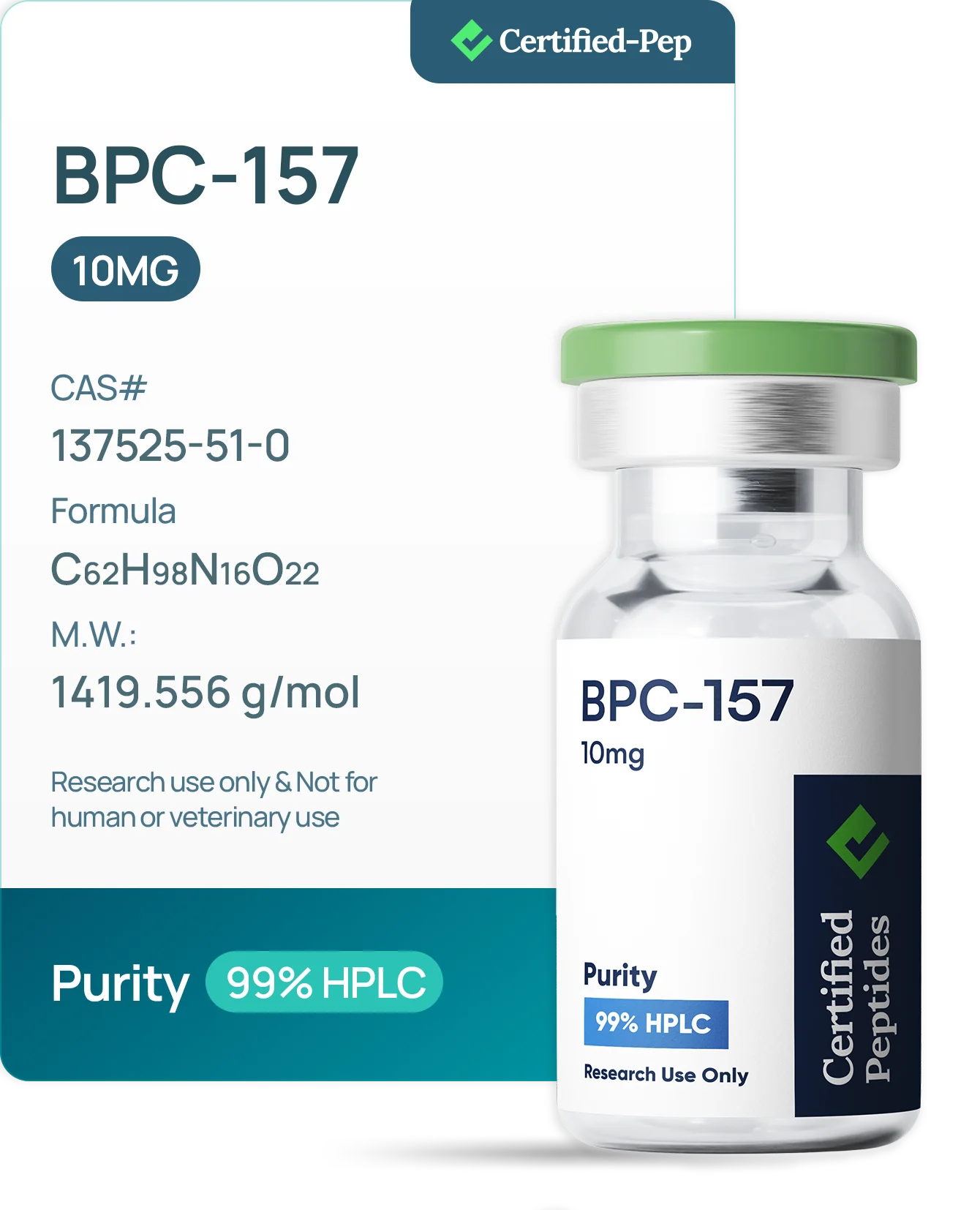
BPC-157 10 MG
USD 60.00
In stock
Last synced: 2026-11-01 10:07
Add to retailer cart ↗View product details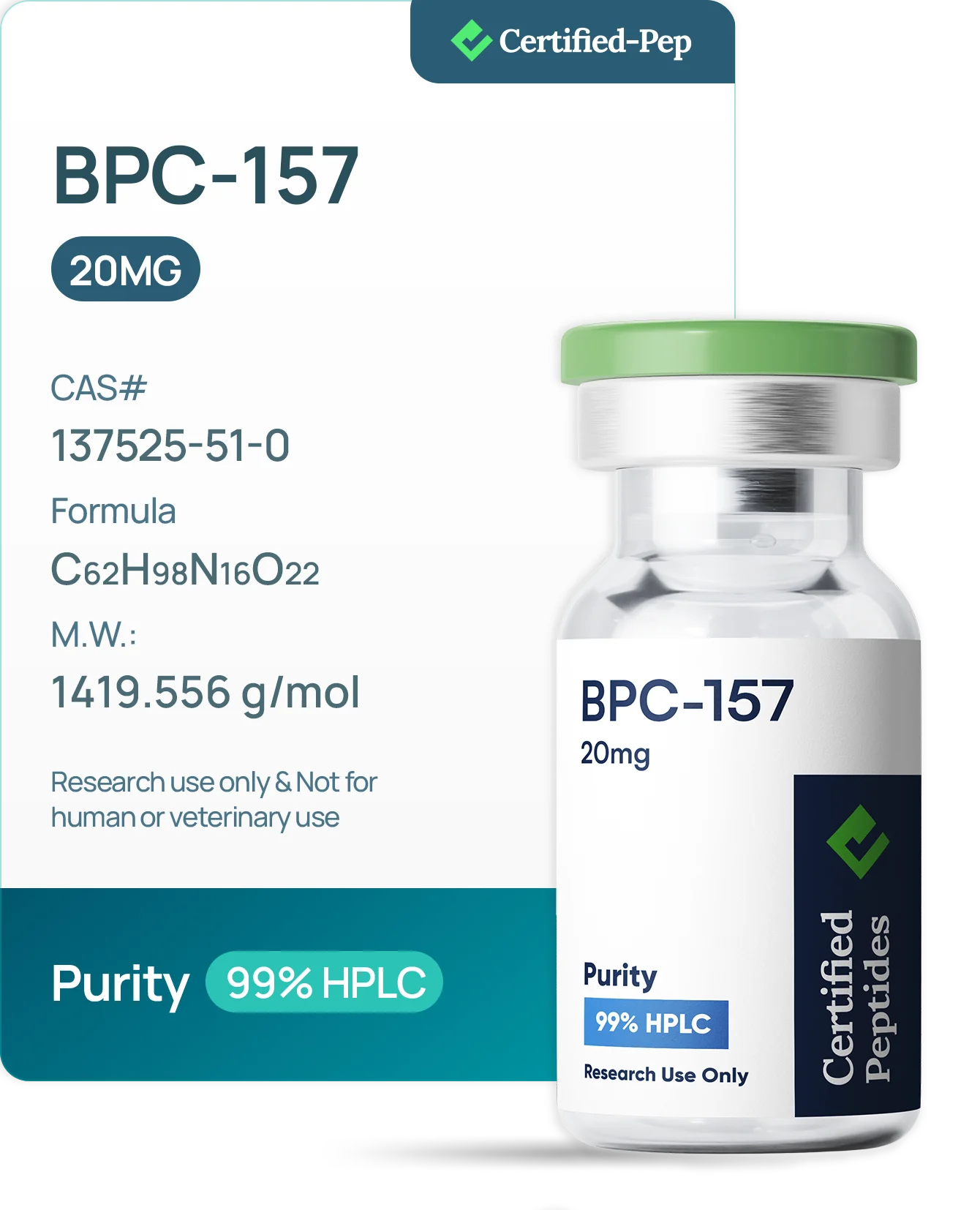
BPC-157 20 MG
USD 90.00
In stock
Last synced: 2026-11-01 10:07
Add to retailer cart ↗View product details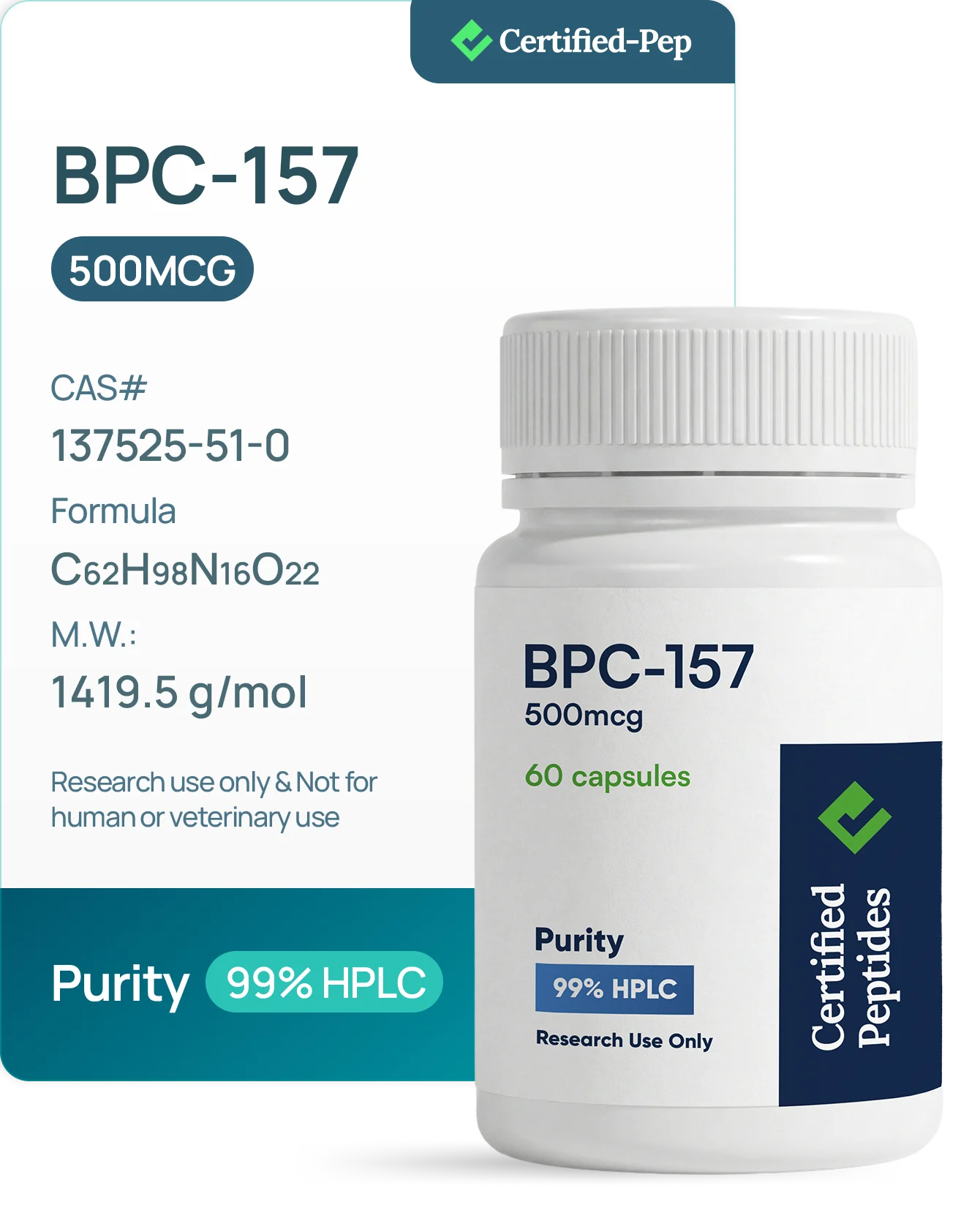
BPC-157 500 mcg 60 CAPSULES
USD 160.00 USD 100.00
In stock
Last synced: 2026-11-01 10:07
Add to retailer cart ↗View product details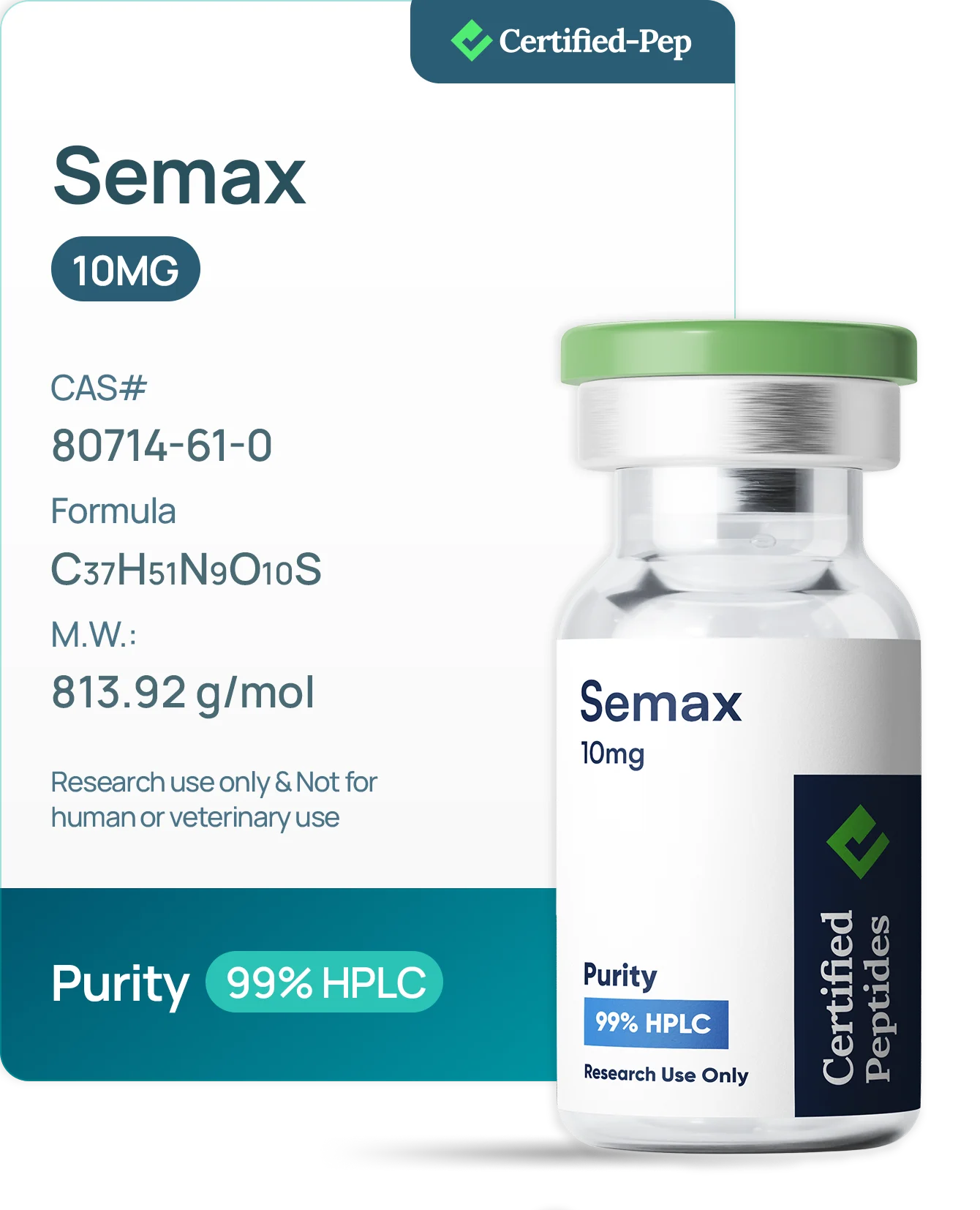
SEMAX 10MG
USD 54.00
In stock
Last synced: 2026-11-01 10:07
Add to retailer cart ↗View product details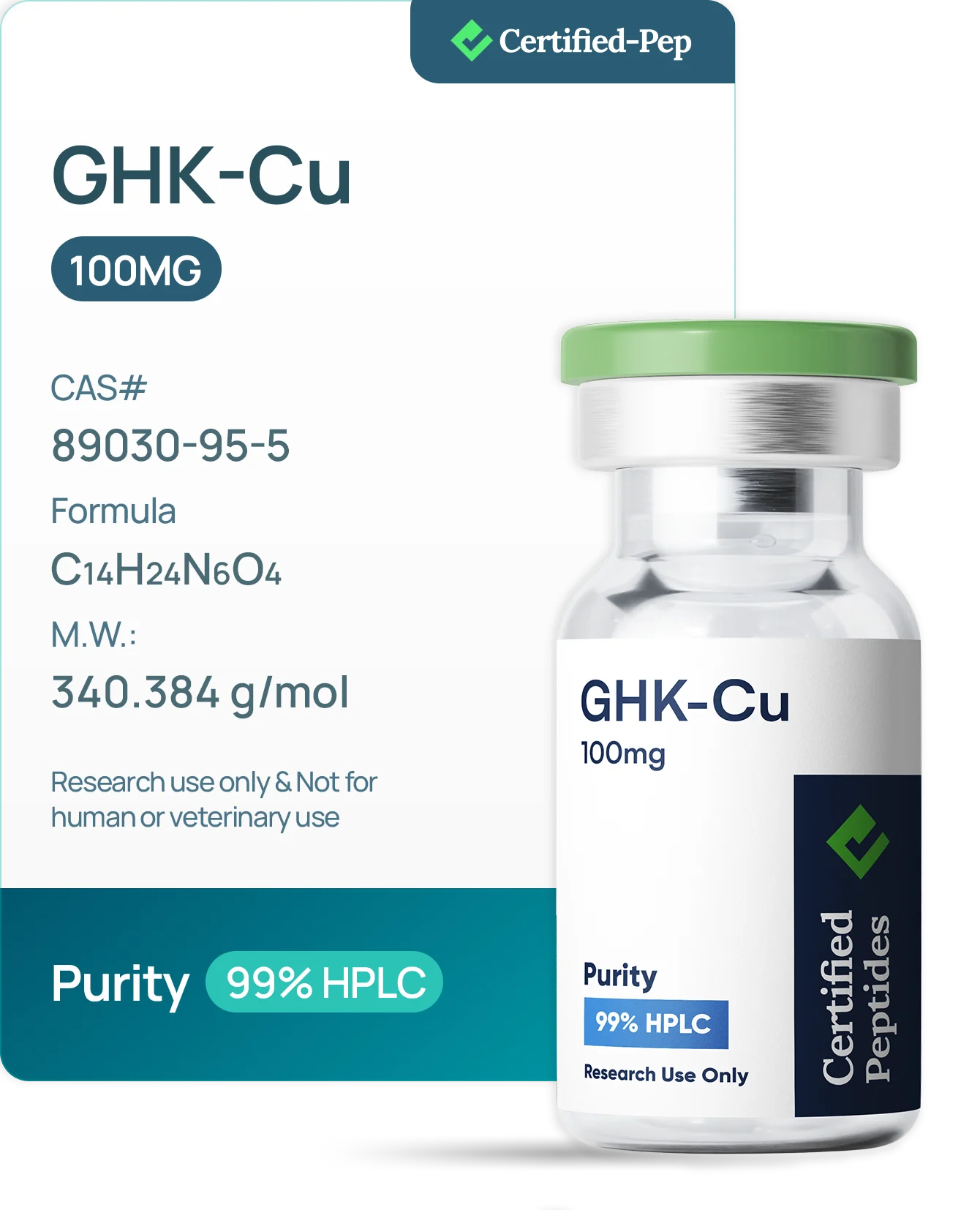
GHKCU 100 MG
USD 59.00
In stock
Last synced: 2026-11-01 10:07
Add to retailer cart ↗View product details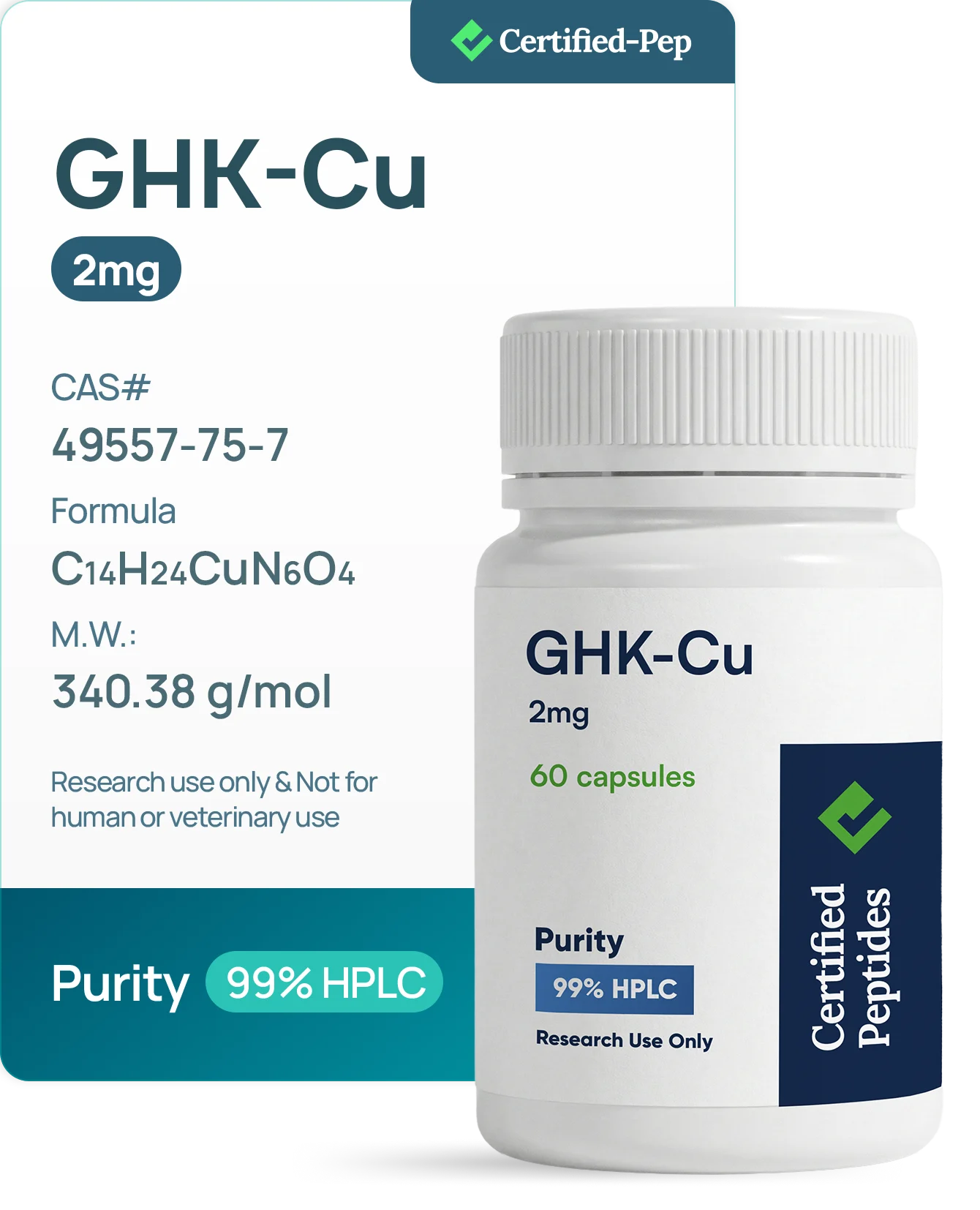
GHK-CU 2MG 60 CAPSULES
USD 198.00 USD 160.00
In stock
Last synced: 2026-11-01 10:07
Add to retailer cart ↗View product details