
What can copper-binding measurements explain in the Semax laboratory study?
Copper-binding measurements in the Semax laboratory study provide mechanistic insight into how Semax interacts with copper ions and modulates copper-catalyzed oxidative processes in vitro. These measurements clarify Semax’s ability to chelate copper, disrupt copper-amyloid beta complexes, and reduce reactive oxygen species (ROS) production, but findings are limited to controlled laboratory settings and do not establish clinical efficacy or safety.

Direct Answer
Copper-binding measurements in the Semax laboratory study elucidate how Semax interacts with copper ions, specifically its capacity to chelate copper(II) (Cu(II)), extract copper from amyloid-beta (aβ) complexes, and inhibit copper-catalyzed redox cycling and ROS production in vitro. These measurements provide mechanistic understanding of Semax’s effects on metal ion homeostasis and oxidative stress in controlled experimental systems, but do not establish clinical relevance or safety for human use Source 1.
What is the role of copper-binding in the Semax study?
Copper-binding is central to the mechanistic investigation of Semax in the referenced laboratory study. The research focuses on the interaction between Semax—a synthetic peptide with an amino-terminal copper and nickel (ATCUN) binding motif—and copper ions, particularly in the context of amyloid-beta (aβ) peptides implicated in Alzheimer’s disease pathology. The study employs various in vitro assays to measure how Semax binds copper, its affinity relative to aβ, and the downstream effects on redox cycling and ROS generation Source 1.
The rationale for these measurements is rooted in the hypothesis that dysregulated copper homeostasis and copper-mediated oxidative stress contribute to neurodegenerative processes. By quantifying copper-binding, the study aims to determine whether Semax can outcompete aβ for copper, thereby silencing redox activity and mitigating ROS production. This approach provides a molecular-level explanation for observed cytoprotective effects in cell models, but remains within the realm of preclinical research.
How were copper-binding and redox effects measured?
The study utilized several complementary in vitro techniques to assess copper-binding and its functional consequences:
- UV-Visible Spectroscopy: This method was used to monitor the formation and displacement of copper complexes. The appearance or shift of characteristic absorbance bands indicated the binding of copper to Semax or aβ, and the displacement of copper from aβ by Semax Source 1.
- Ascorbate Consumption Assays: The rate of ascorbate oxidation served as an indirect measure of copper-catalyzed ROS production. In the presence of free copper or copper-aβ complexes, ascorbate is rapidly consumed due to redox cycling. The addition of Semax reduced ascorbate consumption, indicating inhibition of copper redox activity.
- Fluorescence Assays (3-CCA): The formation of hydroxyl radicals (OH•) was detected by the oxidation of coumarin-3-carboxylic acid (3-CCA) to a fluorescent product. Lower fluorescence in the presence of Semax suggested reduced ROS generation.
- Competition Experiments: By adding Semax to preformed aβ-copper complexes, the study demonstrated that Semax could extract copper from aβ, as evidenced by spectral changes and decreased ROS production.
These measurements collectively support the conclusion that Semax forms highly stable, redox-inert copper complexes, effectively silencing copper’s catalytic role in ROS generation under the tested conditions.
What mechanistic insights do copper-binding measurements provide?
Copper-binding measurements in this study provide several mechanistic insights:
- High Affinity Chelation: Semax exhibits a very high affinity for Cu(II) ions (conditional dissociation constant Kd ≈ 1.3 × 10⁻¹⁵ M at pH 7.4), surpassing that of aβ peptides. This allows Semax to outcompete aβ for copper binding Source 1.
- Redox Silencing: Once bound to Semax, copper is rendered redox-inactive, preventing the Fenton-like reactions that generate ROS. This is evidenced by the near-complete inhibition of ascorbate oxidation and hydroxyl radical formation in the presence of Semax.
- Copper Extraction: Semax can extract copper from preformed aβ-copper complexes, as shown by spectral shifts and reduced ROS production when Semax is added after complex formation.
- Irreversibility: The copper-Semax complex is highly stable; once formed, copper is not readily transferred back to aβ, indicating a thermodynamically favored and kinetically stable interaction.
These findings clarify the molecular basis for Semax’s observed effects on copper-mediated oxidative processes in vitro, supporting its role as a potent copper chelator and redox silencer in these models.
What are the experimental limitations and uncertainties?
While the copper-binding measurements provide valuable mechanistic data, several limitations and uncertainties must be acknowledged:
- In Vitro Context: All copper-binding and ROS measurements were performed in controlled laboratory solutions or cell cultures, which may not accurately reflect the complexity of biological systems in vivo.
- Kinetic vs. Thermodynamic Control: The study notes that under certain conditions, rapid reduction of Cu(II) to Cu(I) by ascorbate can outpace Semax’s chelation, allowing some redox cycling and ROS production to persist. This highlights the importance of reaction kinetics, which may differ in physiological environments.
- Model Peptides and Cell Lines: The use of truncated aβ peptides (aβ1–16, aβ1–28, aβ1–40) and human neuroblastoma SH-SY5Y cells provides a simplified model that may not capture the full spectrum of interactions in the human brain.
- No In Vivo Data: The study does not include animal or human experiments, so the relevance of these findings to living organisms remains untested.
- No Direct Clinical Implications: The results do not establish safety, efficacy, or therapeutic potential in humans or animals, and should not be extrapolated beyond the specific experimental systems used.
How do copper-binding measurements relate to ROS and cytotoxicity?
The study establishes a direct link between copper-binding by Semax and the modulation of ROS production and cytotoxicity in vitro:
- ROS Generation: In the presence of copper and ascorbate, aβ peptides facilitate redox cycling, leading to the generation of ROS such as hydroxyl radicals. These species are implicated in oxidative damage and cell death.
- Semax’s Effect: By chelating copper, Semax inhibits redox cycling, as shown by reduced ascorbate consumption and lower fluorescence in ROS assays. This effect is observed both when Semax is present from the start and when added after aβ-copper complexes have formed.
- Cellular Outcomes: In SH-SY5Y neuroblastoma cells, treatments with copper, ascorbate, and aβ increase intracellular ROS and reduce cell viability. The addition of Semax significantly lowers ROS levels and partially restores cell viability, consistent with its copper-chelating and redox-silencing properties Source 1.
These findings support the mechanistic link between copper-binding, ROS modulation, and cytoprotection in vitro, but do not establish causality or efficacy in vivo.
What are the broader implications for peptide research?
The copper-binding measurements in the Semax study contribute to a broader understanding of peptide-based metal chelators in neurodegenerative research:
- Design of Metal-Binding Peptides: The high affinity and redox-inert properties of the Semax-copper complex highlight the potential for designing peptides with specific metal-binding motifs (such as ATCUN) for research into metal ion homeostasis and oxidative stress.
- Mechanistic Probes: Such peptides can serve as mechanistic probes to dissect the roles of metal ions in protein aggregation, redox cycling, and cellular toxicity in neurodegenerative models.
- Screening Tools: Copper-binding assays, as employed in this study, provide a platform for screening and characterizing new peptides or small molecules for their ability to modulate metal-catalyzed oxidative processes in vitro.
However, the translation of these findings to therapeutic development requires extensive further research, including in vivo validation and safety assessment.
What gaps remain in the current research?
Despite the detailed mechanistic insights provided by copper-binding measurements, several important gaps remain:
- In Vivo Validation: The absence of animal or human studies leaves open questions about the pharmacokinetics, biodistribution, and biological effects of Semax-copper complexes in living systems.
- Long-Term Effects: The long-term stability and fate of the Semax-copper complex, as well as potential off-target interactions, are not addressed.
- Specificity: While Semax shows high selectivity for copper over zinc in vitro, its behavior in the presence of other biologically relevant metal ions in vivo is unknown.
- Disease Relevance: The direct impact of Semax-mediated copper chelation on disease progression, neuronal function, or cognitive outcomes has not been established.
These gaps underscore the need for further research before any conclusions can be drawn about the translational potential of Semax or similar peptides.
Evidence Limitations and Key Takeaways
- All findings are based on in vitro and cell culture experiments; no animal or human data are available.
- Copper-binding measurements provide mechanistic, not clinical, insights.
- The study demonstrates that Semax can chelate copper, disrupt aβ-copper complexes, and reduce ROS production in controlled laboratory settings.
- The relevance of these findings to human health, disease treatment, or safety remains untested.
- Further research is required to validate these mechanisms in more complex biological systems.
For research and educational purposes only. Not medical advice. Research products are not for human or veterinary use.
Sources
- Semax, a Copper Chelator Peptide, Decreases the Cu(II)-Catalyzed ROS Production and Cytotoxicity of aβ by Metal Ion Stripping and Redox Silencing. https://pmc.ncbi.nlm.nih.gov/articles/PMC12151629/
Continue exploring
TRACE THE EVIDENCE
Sources & further reading
RELATED PRODUCT INFORMATION
From the Certified Pep catalog.
Product references are informational, not a recommendation for human use. Prices and availability must be verified at retailer checkout.
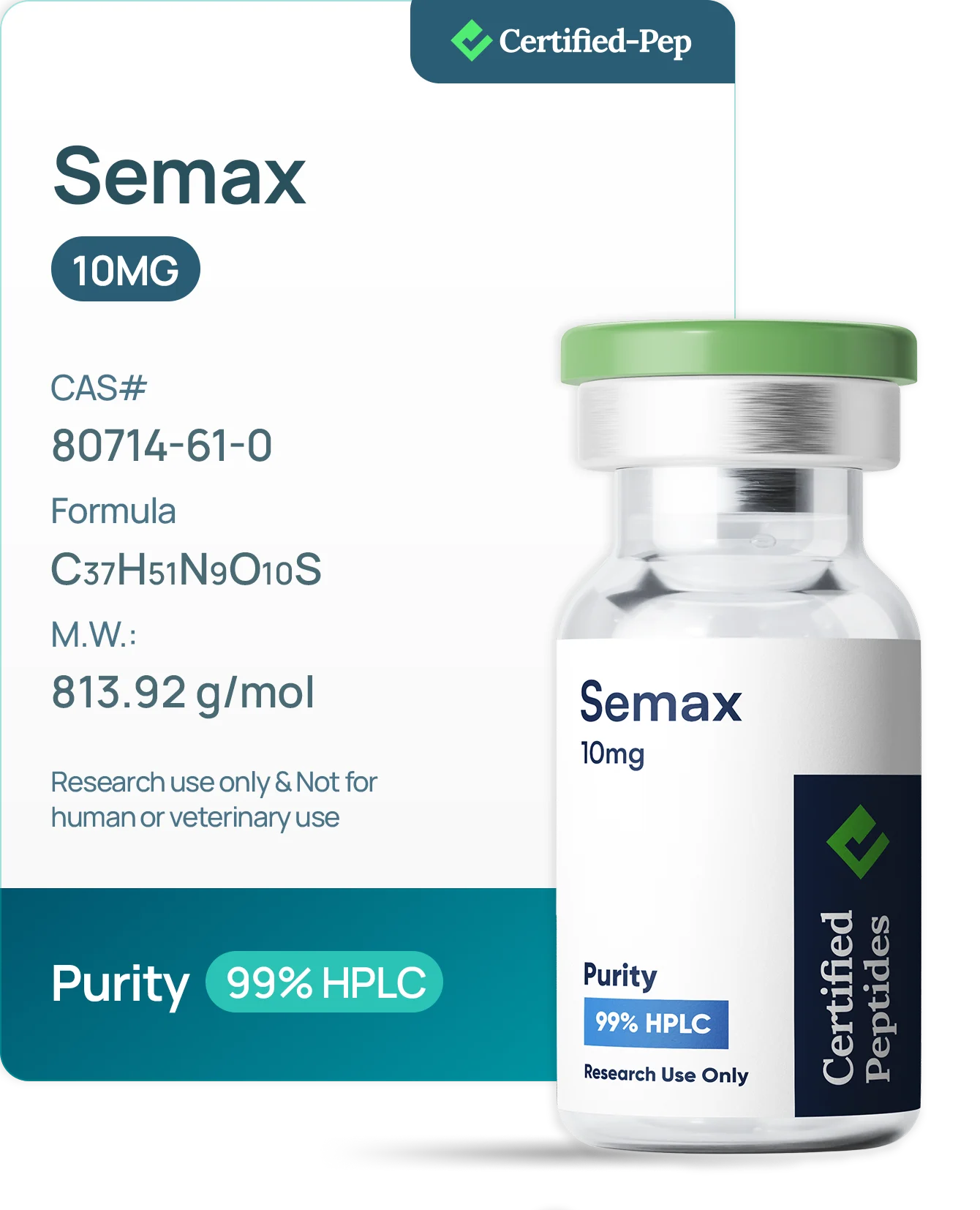
SEMAX 10MG
USD 54.00
In stock
Last synced: 2026-11-01 10:07
Add to retailer cart ↗View product details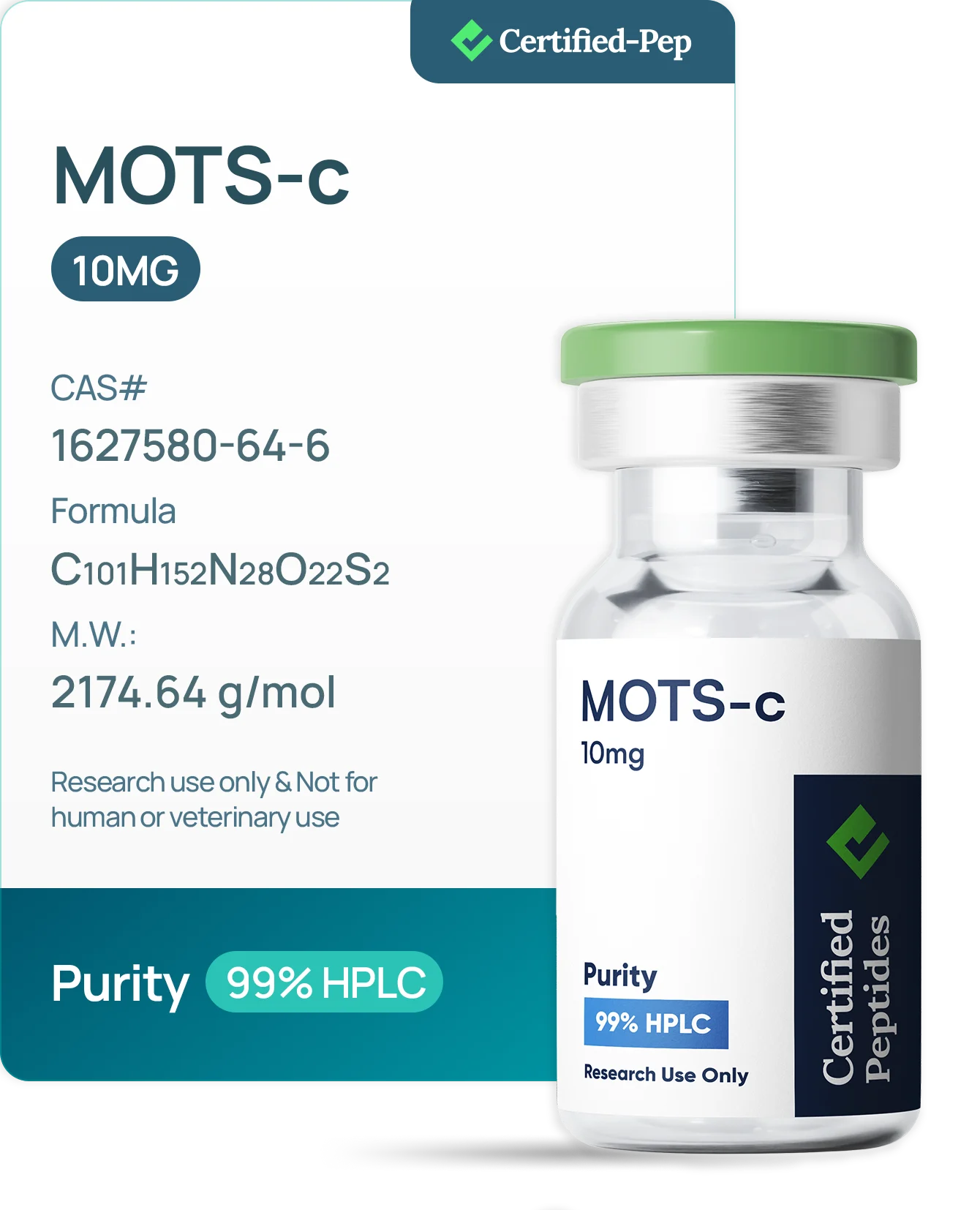
MOTS C 10MG
USD 58.00
In stock
Last synced: 2026-11-01 10:07
Add to retailer cart ↗View product details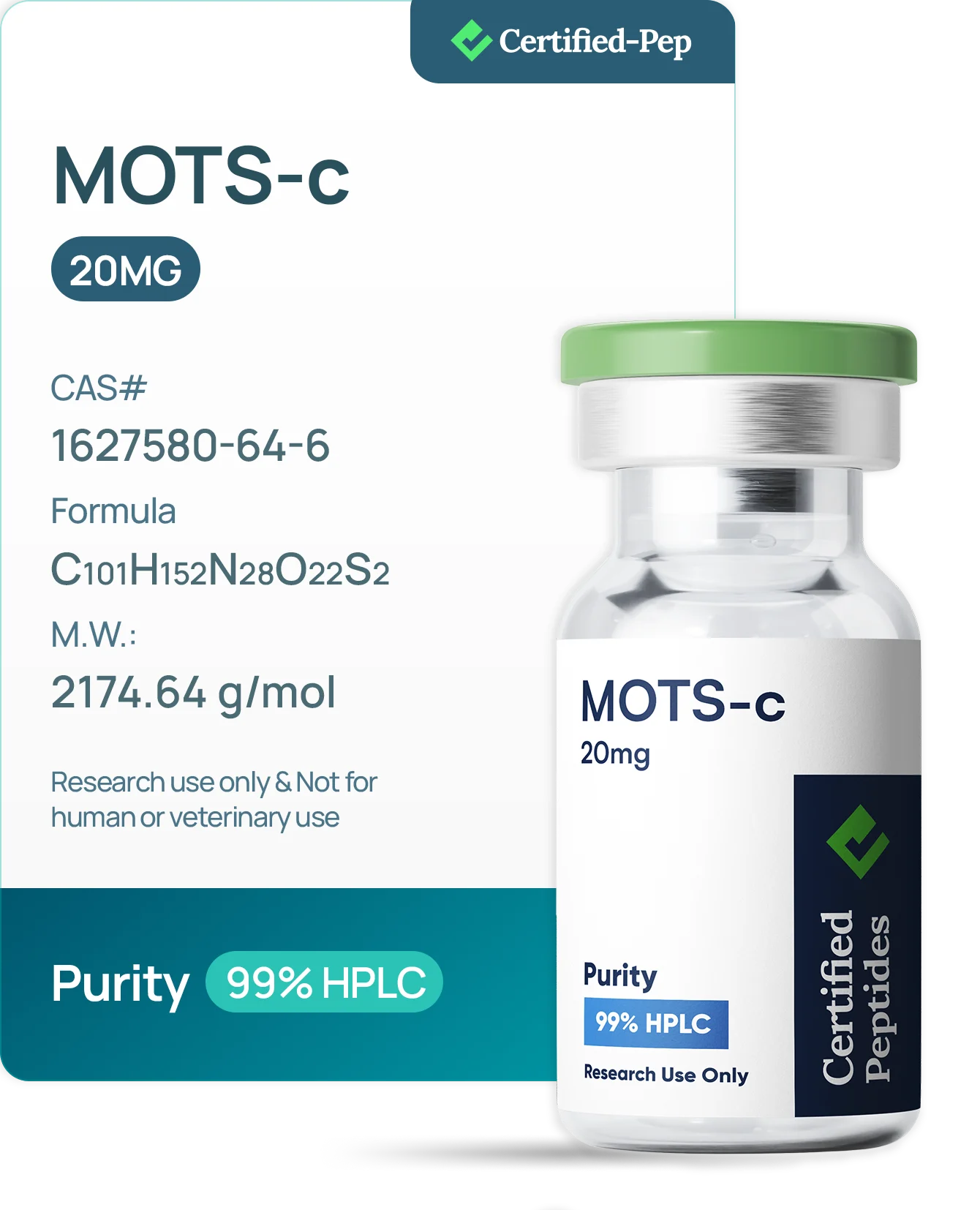
MOTS C 20MG
USD 90.00
In stock
Last synced: 2026-11-01 10:07
Add to retailer cart ↗View product details
MOTS C 40MG
USD 160.00
In stock
Last synced: 2026-11-01 10:07
Add to retailer cart ↗View product details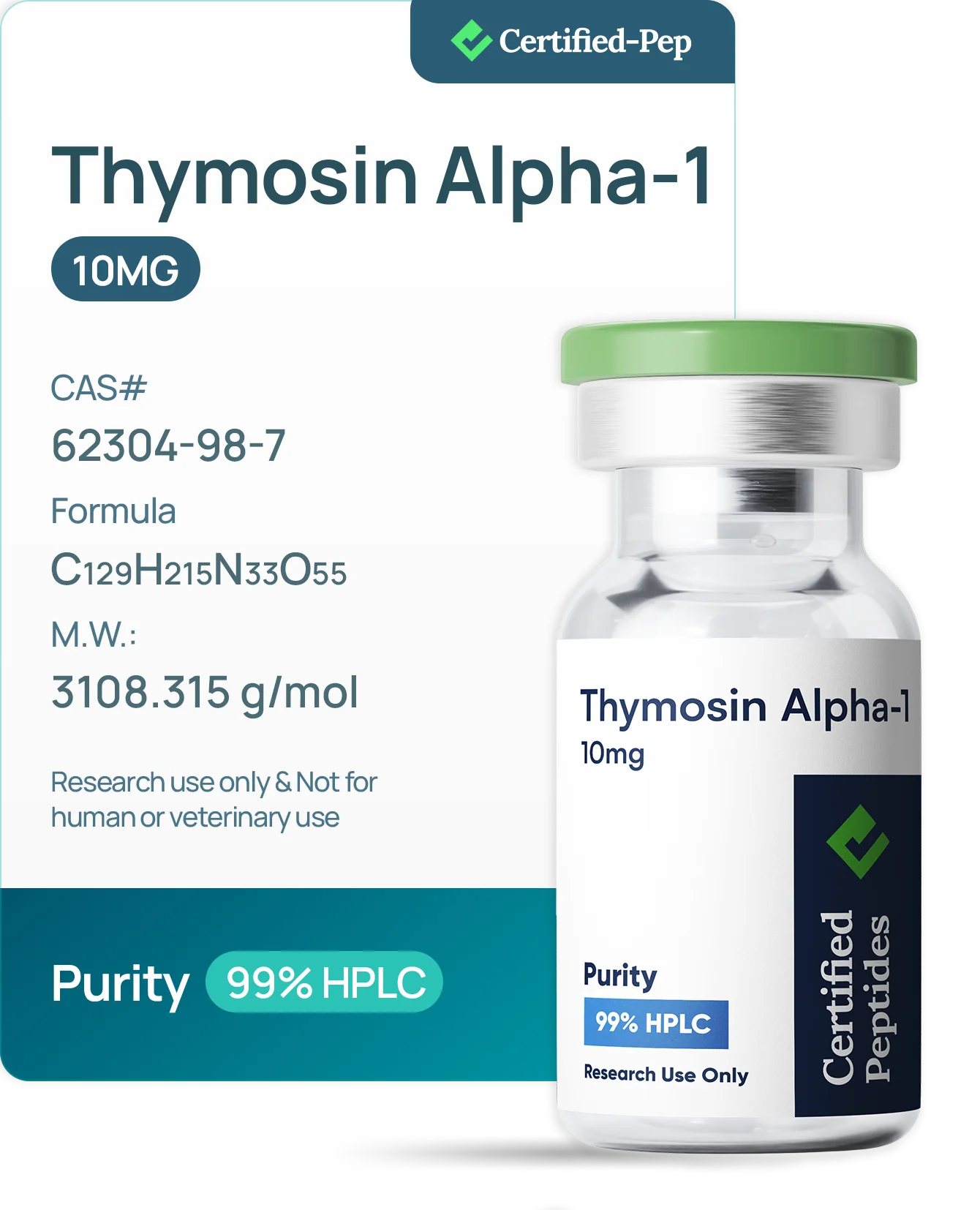
THYMOSIN ALPHA-1 10MG
USD 78.00
In stock
Last synced: 2026-11-01 10:07
Add to retailer cart ↗View product details
SELANK 10 MG
USD 50.00
In stock
Last synced: 2026-11-01 10:07
Add to retailer cart ↗View product details