
Immune-Cell Pathways and Hypotheses in Thymosin Alpha-1 Research: A Technical Review
This resource examines the immune-cell pathways discussed in the thymosin alpha-1 literature review, distinguishing supported mechanisms from hypotheses. It details in-vitro, animal, and human evidence, clarifies methodological limitations, and highlights unresolved questions in the field.

Direct Answer: Immune-Cell Pathways and Hypotheses in Thymosin Alpha-1 Research
The comprehensive review of thymosin alpha-1 (Tα1) discusses several immune-cell pathways, including T-cell maturation, dendritic cell activation, natural killer (NK) cell stimulation, and cytokine modulation via toll-like receptor (TLR) signaling. Supported findings include Tα1’s ability to induce interleukin (IL)-2 production, enhance B cell growth factors, increase macrophage antigen presentation, and modulate T-lymphocyte numbers and function. However, many claims—such as its potential to prevent excessive T-cell activation in COVID-19 or to broadly restore immune balance in diverse disease states—remain hypotheses, especially where evidence is limited to preclinical or early-stage clinical studies. The review emphasizes that while Tα1’s immunomodulatory actions are well-characterized in vitro and in animal models, extrapolation to clinical benefit in humans requires further controlled investigation.
For research and educational purposes only. Not medical advice. Research products are not for human or veterinary use.
Introduction: Thymosin Alpha-1 and Its Immunological Context
Thymosin alpha-1 (Tα1) is a 28-amino acid peptide originally isolated from the thymus and recognized for its immunomodulatory properties. The review highlights its historical and current use as an immune enhancer in research and clinical settings, particularly in immunocompromised states, infectious diseases, and as an adjuvant in vaccine response studies. The synthetic analog, thymalfasin, is approved in several countries for specific indications, but the mechanistic understanding of Tα1’s effects on immune-cell pathways remains an active area of research. The review aims to synthesize findings from biochemical, preclinical, and clinical studies, while distinguishing established mechanisms from ongoing hypotheses Source 1.
Biochemical Properties and Mechanistic Foundations
Tα1 is characterized by a distorted helical structure with defined alpha-helix and beta-turn regions, as determined by nuclear magnetic resonance studies. Its synthetic form, thymalfasin, has been shown to induce IL-2 production, promote differentiation of immature lymphocytes, stimulate B cell growth factors, and enhance macrophage antigen presentation. These actions are believed to underlie its immune-modulating effects. The review notes that Tα1’s immune activity is mediated through interaction with toll-like receptors (TLRs), particularly TLR-2 and TLR-9, on dendritic and myeloid cells. This engagement leads to downstream activation of adaptive immune responses, including increased cytokine production (IL-2, IL-10, IL-12, interferon-alpha, and interferon-gamma) and enhanced T-cell dependent antibody production Source 1.
In-Vitro and Animal Model Evidence: Cellular Pathways
Laboratory studies have elucidated several pathways by which Tα1 modulates immune cell function:
- T-cell maturation and differentiation: Tα1 promotes the maturation of T-cell progenitors into CD4+ and CD8+ T cells, supporting adaptive immunity.
- Dendritic cell activation: Tα1 acts as a TLR agonist, activating dendritic cells and enhancing their antigen-presenting capacity.
- Natural killer (NK) cell stimulation: Tα1 directly activates NK cells, contributing to the elimination of virally infected or malignant cells.
- Cytokine modulation: Tα1 increases production of IL-2, IL-10, IL-12, IFN-α, and IFN-γ, while downregulating pro-inflammatory cytokines such as IL-1β and TNF-α.
- Antioxidant effects: Animal studies suggest Tα1 may upregulate antioxidant enzymes (superoxide dismutase, glutathione peroxidase), reducing oxidative tissue damage.
These findings are robust in cell culture and animal models, but their translation to human physiology is not guaranteed. The review cautions that while these mechanisms are well-supported in preclinical settings, their clinical relevance remains to be fully established Source 1.
Observational and Controlled Human Evidence: Immune Modulation
Clinical studies cited in the review report that Tα1 therapy can modulate and partially normalize T-lymphocyte numbers and function in humans. For example, increases in T cell rosette percentages have been observed in patients with T cell lymphopenia. In the context of viral infections (e.g., hepatitis B, hepatitis C, HIV), Tα1 has been associated with enhanced immune responses, including increased CD4+ T cell counts and improved vaccine immunogenicity. In sepsis, randomized controlled trials have reported reduced mortality rates in Tα1-treated groups compared to controls, suggesting a potential role in modulating immune responses during systemic inflammation. However, the review notes that many of these studies are small, and results are not always consistent across populations or disease states Source 1.
Hypotheses and Unresolved Claims: COVID-19 and Beyond
A significant portion of the review is devoted to hypotheses regarding Tα1’s potential in emerging infectious diseases, particularly COVID-19. It is postulated that Tα1 could mitigate lymphopenia and prevent excessive T-cell activation (cytokine storm) in severe COVID-19 cases. Preliminary observational studies have reported restoration of T cell counts and reduced mortality in Tα1-treated patients with severe lymphocytopenia. However, these claims are based on limited, often uncontrolled, data. The review explicitly states that the use of Tα1 in COVID-19 remains investigational, with ongoing clinical trials needed to confirm efficacy and clarify mechanisms. Other hypothesized benefits, such as broad immune restoration in diverse immunodeficiencies or as a universal vaccine adjuvant, are similarly unproven in large, well-controlled human studies Source 1.
Methodological Strengths and Limitations in the Reviewed Evidence
The review draws on a wide range of study designs, from in-vitro assays and animal experiments to observational studies and randomized controlled trials. Strengths include detailed mechanistic studies of Tα1’s effects on immune cell populations and cytokine profiles, as well as controlled clinical trials in specific disease contexts (e.g., hepatitis, sepsis). However, limitations are substantial:
- Heterogeneity of study populations and endpoints: Many studies use different dosing regimens, patient populations, and outcome measures, complicating direct comparison.
- Small sample sizes: Several clinical studies are underpowered to detect modest effects or rare adverse events.
- Lack of long-term follow-up: Most studies focus on short-term immune endpoints rather than sustained clinical outcomes.
- Potential for publication bias: Positive findings may be overrepresented in the literature.
- Translational gaps: Robust preclinical findings do not always predict clinical efficacy or safety.
The review emphasizes the need for larger, well-controlled trials to clarify the clinical significance of Tα1’s immune-modulating actions Source 1.
Distinguishing Supported Mechanisms from Hypotheses
The review distinguishes between mechanisms supported by direct experimental evidence and those that remain speculative:
- Supported mechanisms:
- Tα1 induces IL-2 and other cytokines in immune cells.
- Tα1 enhances T-cell maturation and dendritic cell activation in vitro and in animal models.
- Tα1 increases T-lymphocyte numbers and function in some human studies.
- Hypotheses:
- Tα1 prevents cytokine storm or excessive T-cell activation in COVID-19.
- Tα1 broadly restores immune balance in diverse immunodeficient or inflammatory states.
- Tα1 is universally effective as a vaccine adjuvant or anti-tumor agent across all settings.
The review is careful to note that while these hypotheses are biologically plausible and supported by preclinical data, they require rigorous clinical validation Source 1.
Research Gaps and Future Directions
Several unresolved questions are highlighted:
- Mechanistic specificity: Which immune-cell pathways are most critical for Tα1’s effects in different diseases?
- Patient selection: Which populations are most likely to benefit from Tα1-based interventions?
- Optimal dosing and timing: What regimens maximize immune modulation without adverse effects?
- Long-term safety: Are there risks associated with chronic or repeated Tα1 exposure?
- Comparative efficacy: How does Tα1 perform relative to other immunomodulatory agents?
The review calls for further mechanistic studies and larger, multicenter clinical trials to address these gaps Source 1.
Evidence Limitations and Key Takeaways
While Tα1’s immune-modulating properties are well-documented in laboratory and animal studies, and some controlled human trials suggest benefit in specific contexts, many claims remain hypotheses pending further research. The review underscores the importance of distinguishing mechanistic plausibility from demonstrated clinical efficacy. Researchers are cautioned against extrapolating preclinical findings to broad clinical recommendations. The field would benefit from standardized protocols, larger patient cohorts, and long-term outcome data to fully elucidate Tα1’s role in immune modulation.
For research and educational purposes only. Not medical advice. Research products are not for human or veterinary use.
Sources
- Thymosin alpha 1: A comprehensive review of the literature - PMC. https://pmc.ncbi.nlm.nih.gov/articles/PMC7747025/
Continue exploring
- Selank and GABA: Findings from the IMR-32 Cell Study
- Joint Analysis of Respiratory Exchange Ratio, Heat Production, and Food Intake in MOTS-c-Treated Mice: Evidence from Preclinical Research
- Extracellular Acidification Rate as a Glycolytic Readout in the MOTS-c Study: Technical and Experimental Insights
TRACE THE EVIDENCE
Sources & further reading
RELATED PRODUCT INFORMATION
From the Certified Pep catalog.
Product references are informational, not a recommendation for human use. Prices and availability must be verified at retailer checkout.
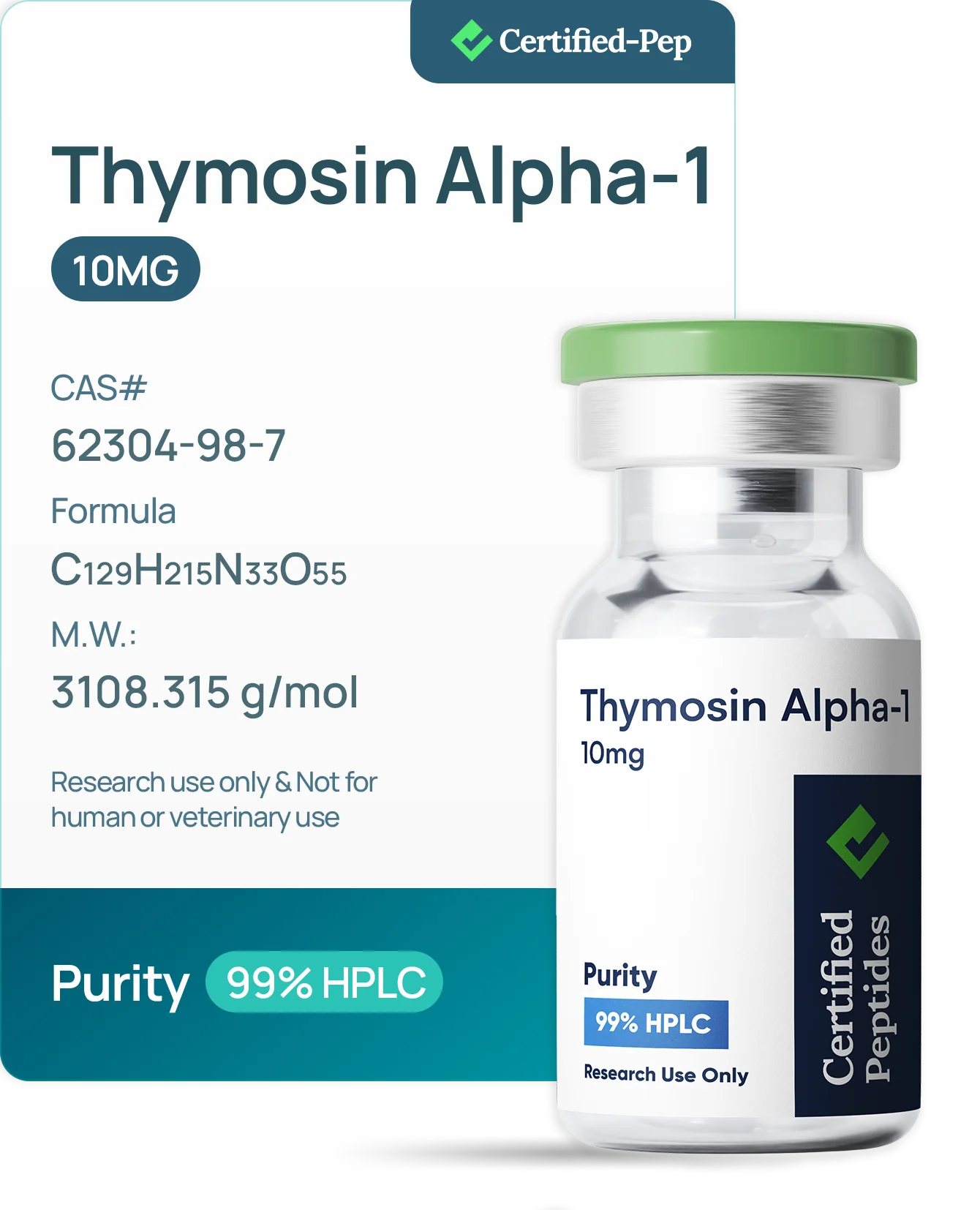
THYMOSIN ALPHA-1 10MG
USD 78.00
In stock
Last synced: 2026-11-01 10:07
Add to retailer cart ↗View product details
GLUTATHIONE 1500MG
USD 90.00
In stock
Last synced: 2026-11-01 10:07
Add to retailer cart ↗View product details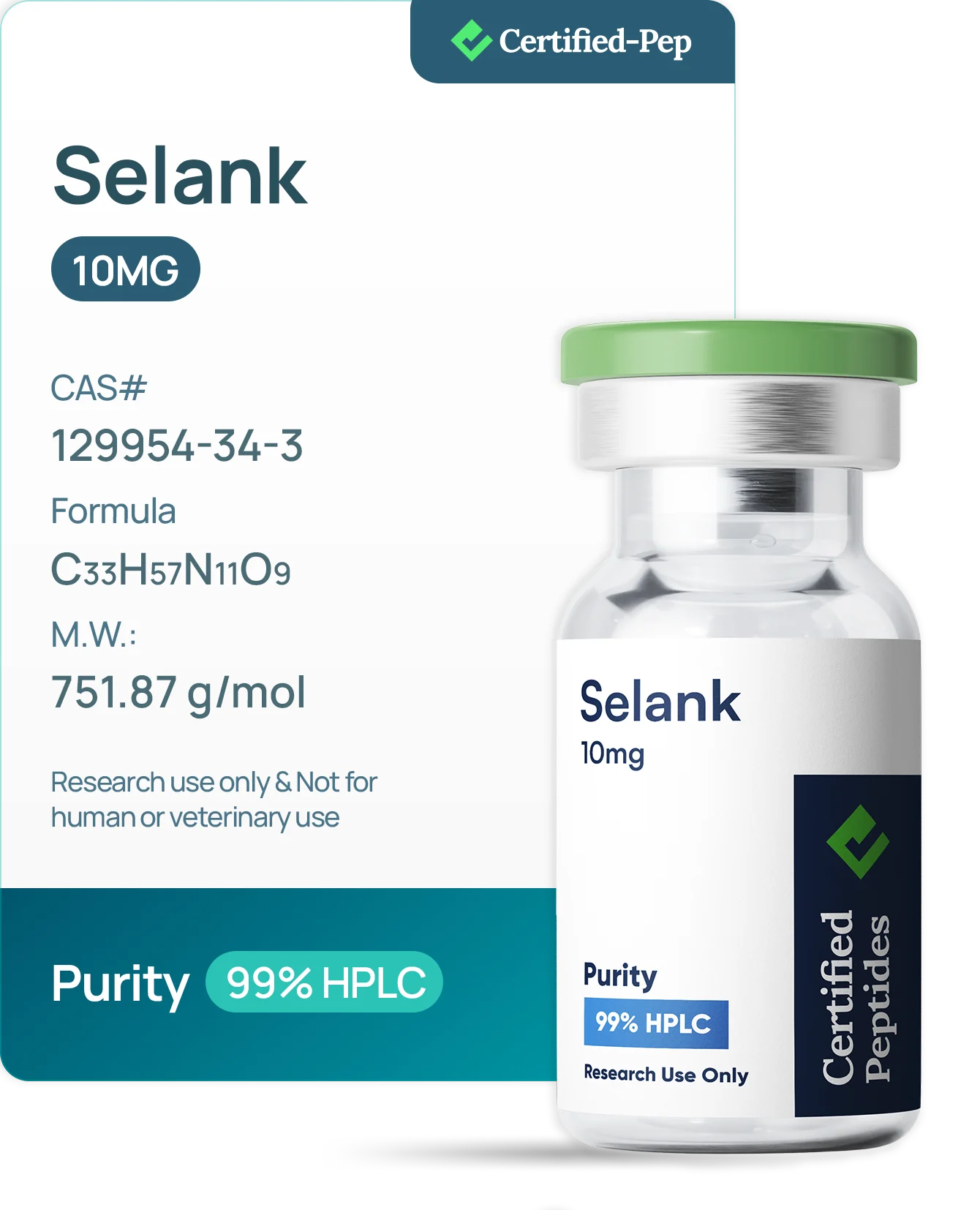
SELANK 10 MG
USD 50.00
In stock
Last synced: 2026-11-01 10:07
Add to retailer cart ↗View product details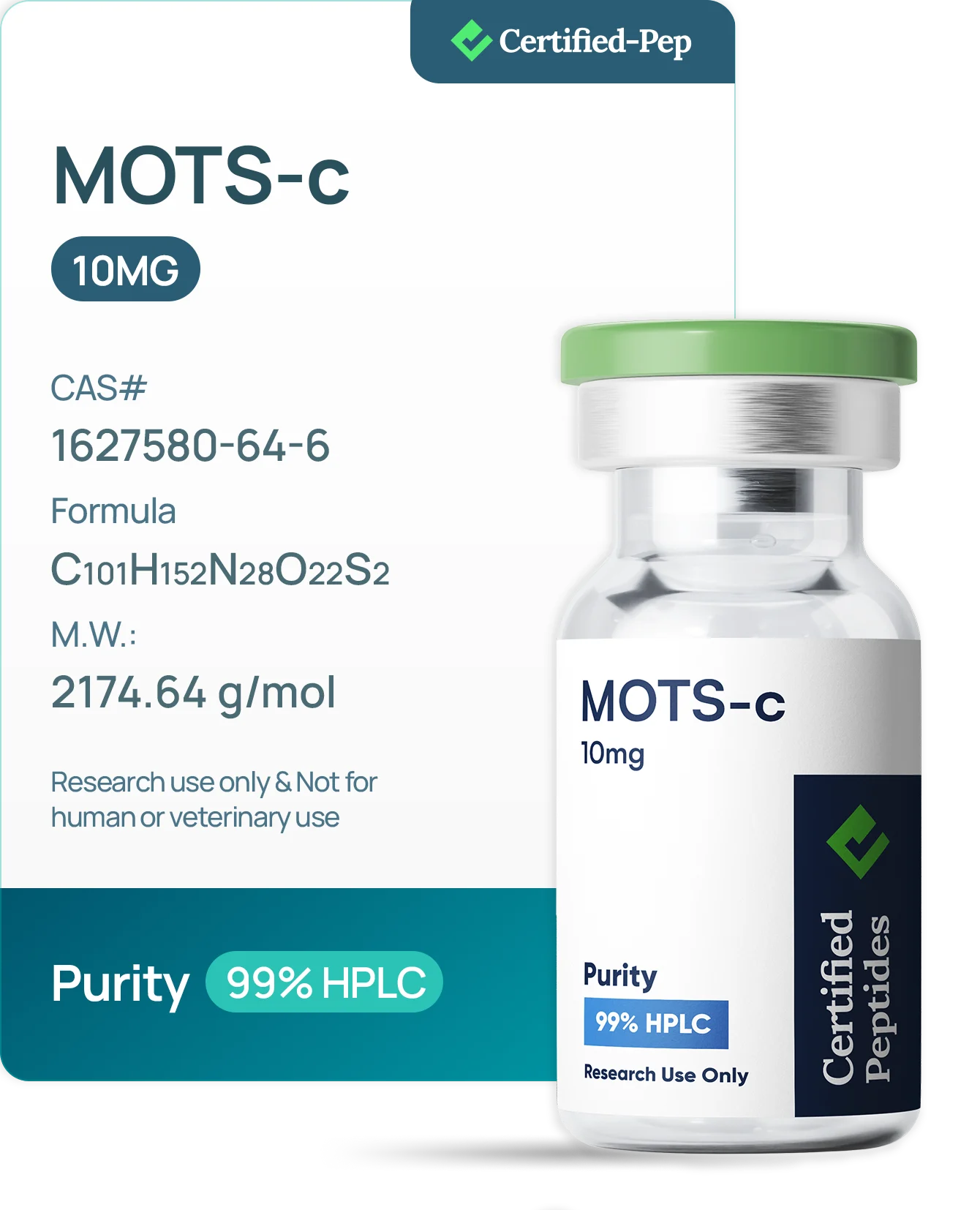
MOTS C 10MG
USD 58.00
In stock
Last synced: 2026-11-01 10:07
Add to retailer cart ↗View product details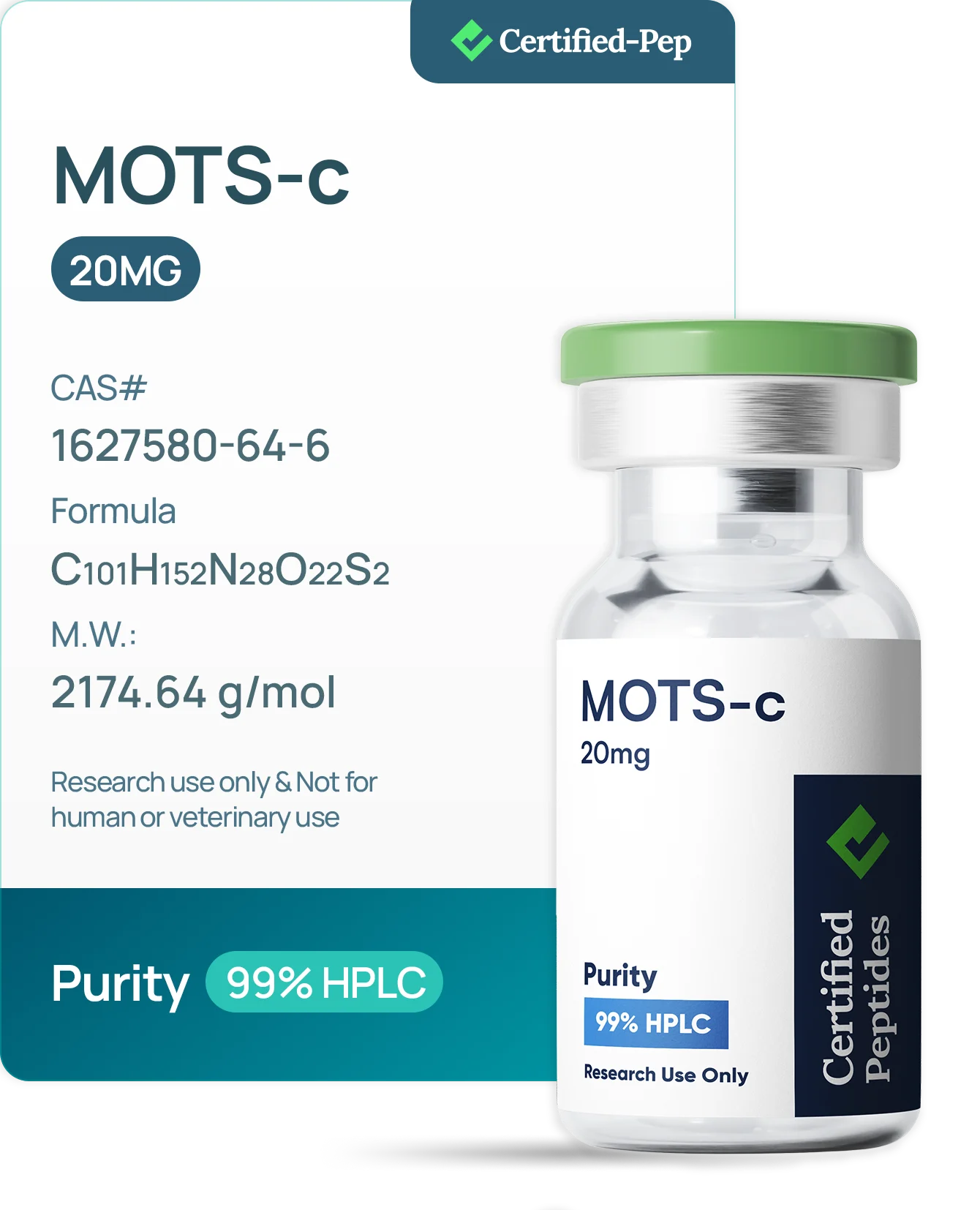
MOTS C 20MG
USD 90.00
In stock
Last synced: 2026-11-01 10:07
Add to retailer cart ↗View product details
MOTS C 40MG
USD 160.00
In stock
Last synced: 2026-11-01 10:07
Add to retailer cart ↗View product details