
Interpreting Peptide Sequence Modifications in Research: A Technical Guide
Peptide sequence modifications—such as amino acid substitutions, cyclization, and backbone alterations—profoundly impact research interpretation. This article explores how these changes affect experimental outcomes, mechanistic understanding, and the translation of findings, drawing on current evidence and highlighting key limitations.

Peptide sequence modifications are central to modern peptide research, enabling the design of molecules with improved stability, specificity, and bioactivity. However, these modifications also introduce complexities that can affect the interpretation of experimental results. This article provides a technical overview of how sequence modifications influence research outcomes, the methodologies used to introduce such changes, and the critical considerations for interpreting data in the context of peptide science. All claims are grounded in reported findings, with a clear distinction between preclinical and clinical evidence, and an emphasis on research limitations.
For research and educational purposes only. Not medical advice. Research products are not for human or veterinary use.
Understanding Peptide Sequence Modifications
What Are Peptide Sequence Modifications?
Peptide sequence modifications refer to deliberate changes in the amino acid sequence or chemical structure of a peptide. These modifications may include: - Amino acid substitutions (e.g., replacing L-amino acids with D-amino acids) - Cyclization (e.g., head-to-tail or side-chain cyclization) - Backbone alterations (e.g., methylation, peptoid incorporation) - Side-chain modifications (e.g., addition of fatty acids or PEGylation) - Incorporation of non-canonical amino acids
Such modifications are employed to enhance peptide stability, bioavailability, receptor selectivity, and resistance to enzymatic degradation. They are also used to probe structure-activity relationships (SAR) and to generate analogues for mechanistic studies or therapeutic development Source 1.
Why Are Modifications Used in Research?
The rationale for modifying peptide sequences includes: - Improving in vivo stability (e.g., increasing resistance to proteases) - Enhancing receptor selectivity or affinity - Mimicking or disrupting protein-protein interactions (PPIs) - Facilitating delivery or cellular uptake - Probing the functional importance of specific residues
These goals are achieved through a variety of chemical and biological techniques, each with implications for research interpretation Source 1.
Types of Peptide Sequence Modifications and Their Research Implications
Amino Acid Substitutions and Scanning
A common approach to understanding peptide function is alanine scanning, where each residue is systematically replaced with alanine to identify those critical for activity. Loss of function upon substitution suggests a key role for that residue. Conversely, substitutions with D-amino acids or non-canonical residues can increase stability but may alter biological activity or receptor interactions Source 1.
Research Implications: - Functional mapping: Substitution studies help delineate active sites or binding motifs. - Interpretation caution: Changes in activity may result from altered structure, not just loss of a specific side chain. - Translatability: Enhanced stability from D-amino acid incorporation does not guarantee preserved biological function.
Cyclization and Secondary Structure Stabilization
Cyclization (e.g., head-to-tail, side-chain-to-side-chain) is used to stabilize secondary structures such as α-helices and β-sheets. This can improve proteolytic resistance and cell permeability, and is often used to mimic protein interaction surfaces Source 1.
Research Implications: - Structural mimicry: Cyclized peptides may better mimic native protein conformations, aiding in PPI studies. - Functional changes: Cyclization can restrict conformational flexibility, potentially altering activity or specificity. - Comparability: Results from linear and cyclic analogues may not be directly comparable.
Backbone and Side-Chain Modifications
Backbone modifications (e.g., N-methylation, β-amino acids, peptoids) and side-chain alterations (e.g., fatty acid conjugation, PEGylation) are used to enhance pharmacokinetic properties or introduce new functionalities Source 1.
Research Implications: - Stability vs. activity trade-off: Some modifications improve half-life but reduce receptor binding or activity. - Interpretation complexity: Modified peptides may interact with off-target proteins or have altered immunogenicity. - Experimental controls: Unmodified and modified peptides should be compared side-by-side to attribute observed effects.
Incorporation of Non-Canonical Amino Acids
Genetic code expansion and chemical synthesis allow the incorporation of non-canonical amino acids (ncAAs) with unique chemical properties (e.g., photo-crosslinkers, fluorescent probes) Source 1.
Research Implications: - Site-specific labeling: Enables mechanistic studies and tracking of peptide fate. - Potential artifacts: ncAAs may introduce steric or electronic effects not present in native peptides. - Reproducibility: Results may depend on the precise position and nature of the ncAA.
Experimental Models and Controls: Interpreting Modified Peptide Data
In Vitro Studies
In vitro assays (e.g., receptor binding, enzyme inhibition) are often the first step in evaluating modified peptides. These systems allow precise control over conditions but may not reflect the complexity of living organisms.
Interpretation Checklist: - Are both modified and unmodified peptides tested under identical conditions? - Are observed effects due to the modification or to altered peptide folding/aggregation? - Are controls included for potential assay interference by modifications (e.g., fluorescence quenching)?
Animal and Cell-Based Models
Animal and cell-based models provide additional information on stability, bioavailability, and biological activity. However, species differences in protease expression or receptor structure can affect outcomes.
Interpretation Checklist: - Are pharmacokinetic and pharmacodynamic profiles compared between analogues? - Are off-target effects or toxicity assessed? - Is the relevance to human biology established or only hypothesized?
Human Studies and Clinical Translation
While some modified peptides have advanced to clinical trials or approval, most research remains preclinical. Extrapolating from animal or in vitro data to humans is fraught with uncertainty.
Interpretation Checklist: - Is there direct evidence from controlled human studies? - Are modifications known to affect immunogenicity or metabolism in humans? - Are regulatory and safety considerations addressed in the research context?
Mechanistic Insights and Structure-Activity Relationships (SAR)
Mapping Functional Residues
Systematic modification studies (e.g., alanine scanning, D-amino acid substitution) are essential for identifying residues critical for activity. These approaches inform SAR and guide the design of more potent or selective analogues Source 1.
Stabilizing Bioactive Conformations
Cyclization and backbone modifications can lock peptides into bioactive conformations, enhancing their utility as research tools or therapeutic leads. However, these changes may also introduce new epitopes or alter pharmacology.
Modulating Pharmacokinetics and Pharmacodynamics
Side-chain modifications (e.g., PEGylation, lipidation) are widely used to extend half-life or alter tissue distribution. These strategies can profoundly affect experimental outcomes and must be carefully controlled and reported Source 1.
Limitations and Uncertainties in Interpreting Modified Peptide Research
Context-Dependent Effects
The impact of a given modification depends on peptide sequence, target, and experimental context. For example, D-amino acid substitution may stabilize one peptide but abolish activity in another Source 1.
Lack of Standardization
Variability in synthesis methods, purification, and analytical characterization can lead to batch-to-batch differences. Reporting standards for modified peptides are still evolving, complicating cross-study comparisons.
Preclinical vs. Clinical Relevance
Most evidence for the effects of sequence modifications comes from in vitro or animal studies. These findings may not translate to human biology due to differences in metabolism, immune response, or target expression.
Potential for Off-Target Effects
Modifications may introduce new interactions or toxicities not present in the native peptide. Comprehensive profiling is required to rule out unintended consequences.
Practical Reading Checklist for Peptide Modification Research
When evaluating research involving modified peptides, consider the following: - Are the modifications clearly described and justified? - Are appropriate controls (unmodified peptide, vehicle, etc.) included? - Are the effects attributed to the modification or to other variables (e.g., aggregation, solubility)? - Is the experimental model appropriate for the research question? - Are limitations and uncertainties acknowledged? - Is there a clear distinction between preclinical and clinical findings?
Common Reader Questions
-
How do I know if a peptide modification is responsible for an observed effect?
Look for studies that compare modified and unmodified peptides under identical conditions, with appropriate controls. -
Can results from modified peptides in animal models be applied to humans?
Not directly. Differences in metabolism, immune response, and target expression mean that preclinical findings may not predict human outcomes. -
Are all modifications beneficial?
No. Some modifications improve stability but reduce activity or introduce new liabilities. Each change must be evaluated in context.
Evidence Limitations and Key Takeaways
- Most evidence on peptide modifications is preclinical. Direct human data are limited for many modification strategies.
- Effects of modifications are context-dependent. The same change can have different outcomes in different peptides or models.
- Interpretation requires careful controls and reporting. Without rigorous methodology, attributing effects to specific modifications is challenging.
- Translation to clinical use is not guaranteed. Enhanced stability or activity in vitro or in animals does not ensure safety or efficacy in humans.
Conclusion
Peptide sequence modifications are powerful tools in peptide research, enabling the design of molecules with tailored properties. However, these modifications also complicate the interpretation of experimental results. Careful experimental design, rigorous controls, and transparent reporting are essential for drawing valid conclusions. Researchers and readers should remain cautious in extrapolating preclinical findings to clinical contexts and should critically assess the evidence for each modification strategy.
For research and educational purposes only. Not medical advice. Research products are not for human or veterinary use.
Sources
- Therapeutic peptides: current applications and future directions. https://pmc.ncbi.nlm.nih.gov/articles/PMC8844085/
Continue exploring
TRACE THE EVIDENCE
Sources & further reading
RELATED PRODUCT INFORMATION
From the Certified Pep catalog.
Product references are informational, not a recommendation for human use. Prices and availability must be verified at retailer checkout.
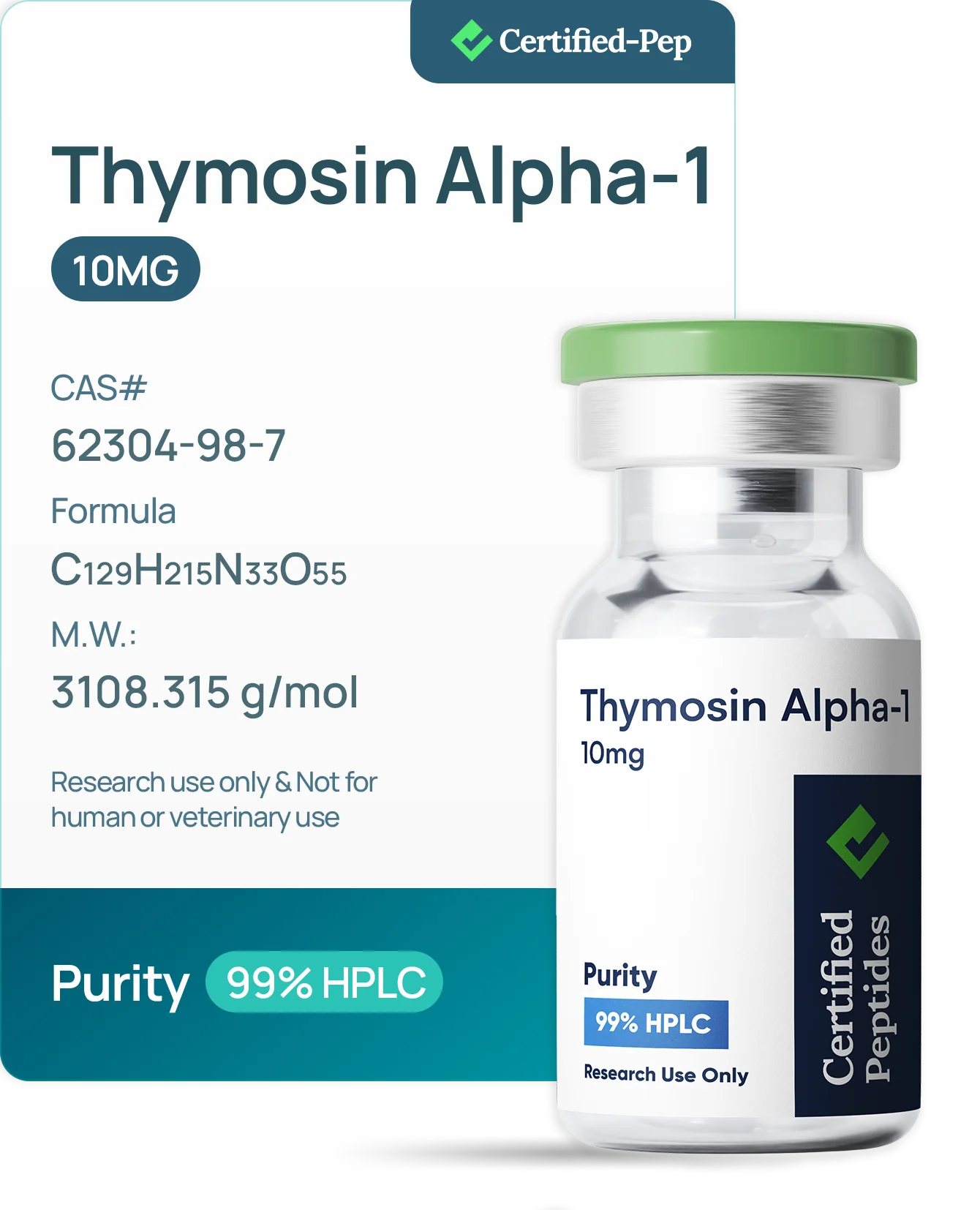
THYMOSIN ALPHA-1 10MG
USD 78.00
In stock
Last synced: 2026-11-01 10:07
Add to retailer cart ↗View product details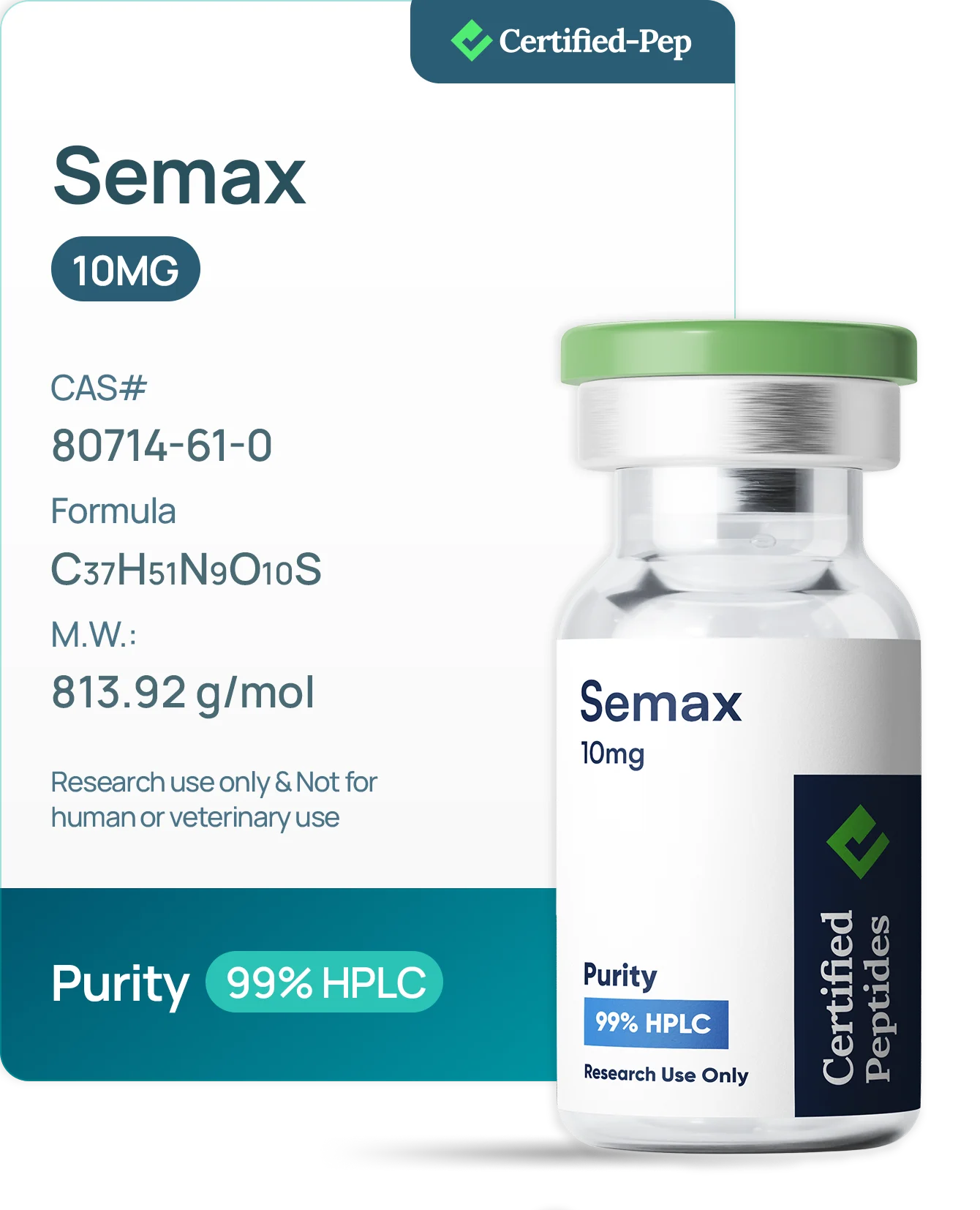
SEMAX 10MG
USD 54.00
In stock
Last synced: 2026-11-01 10:07
Add to retailer cart ↗View product details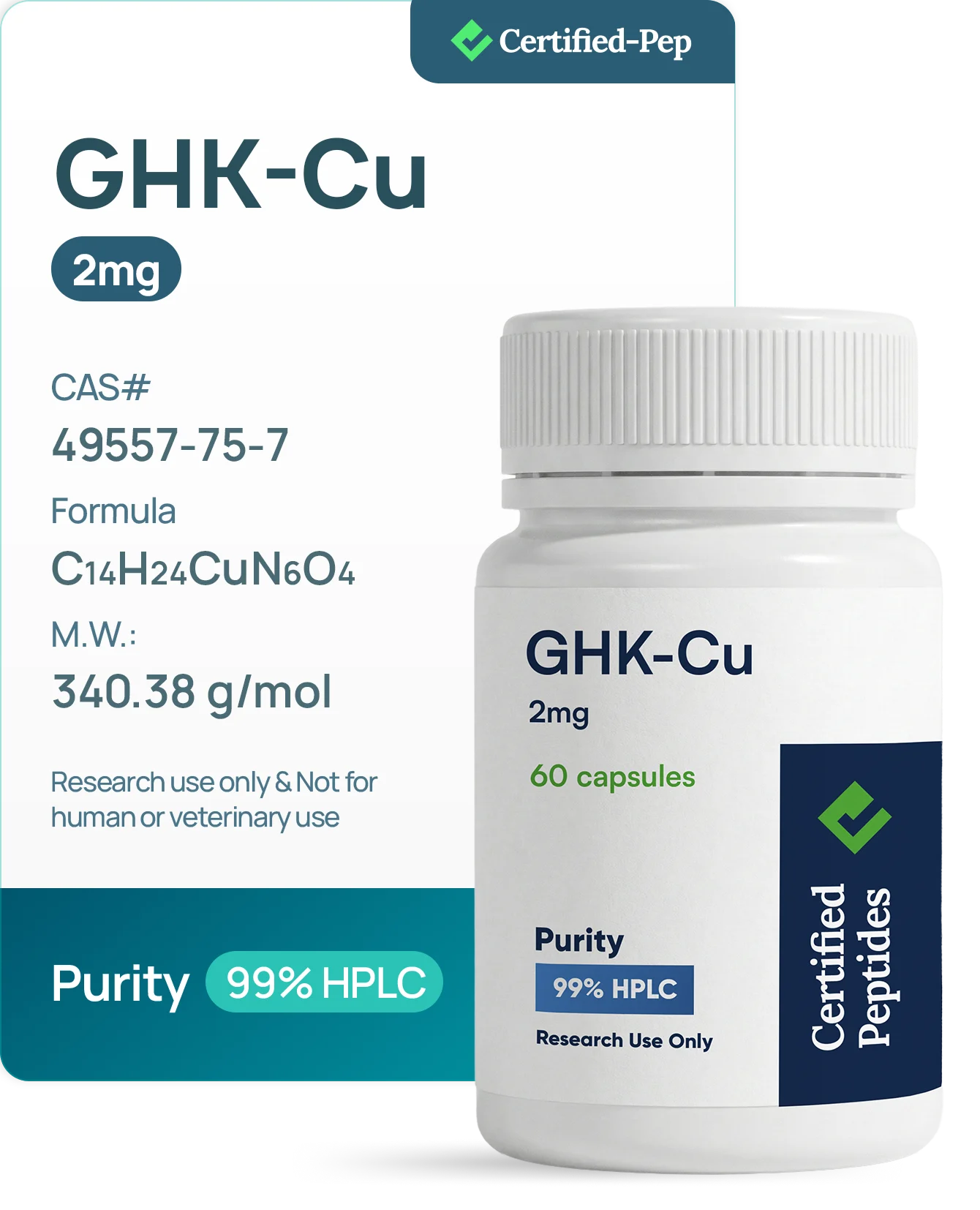
GHK-CU 2MG 60 CAPSULES
USD 198.00 USD 160.00
In stock
Last synced: 2026-11-01 10:07
Add to retailer cart ↗View product details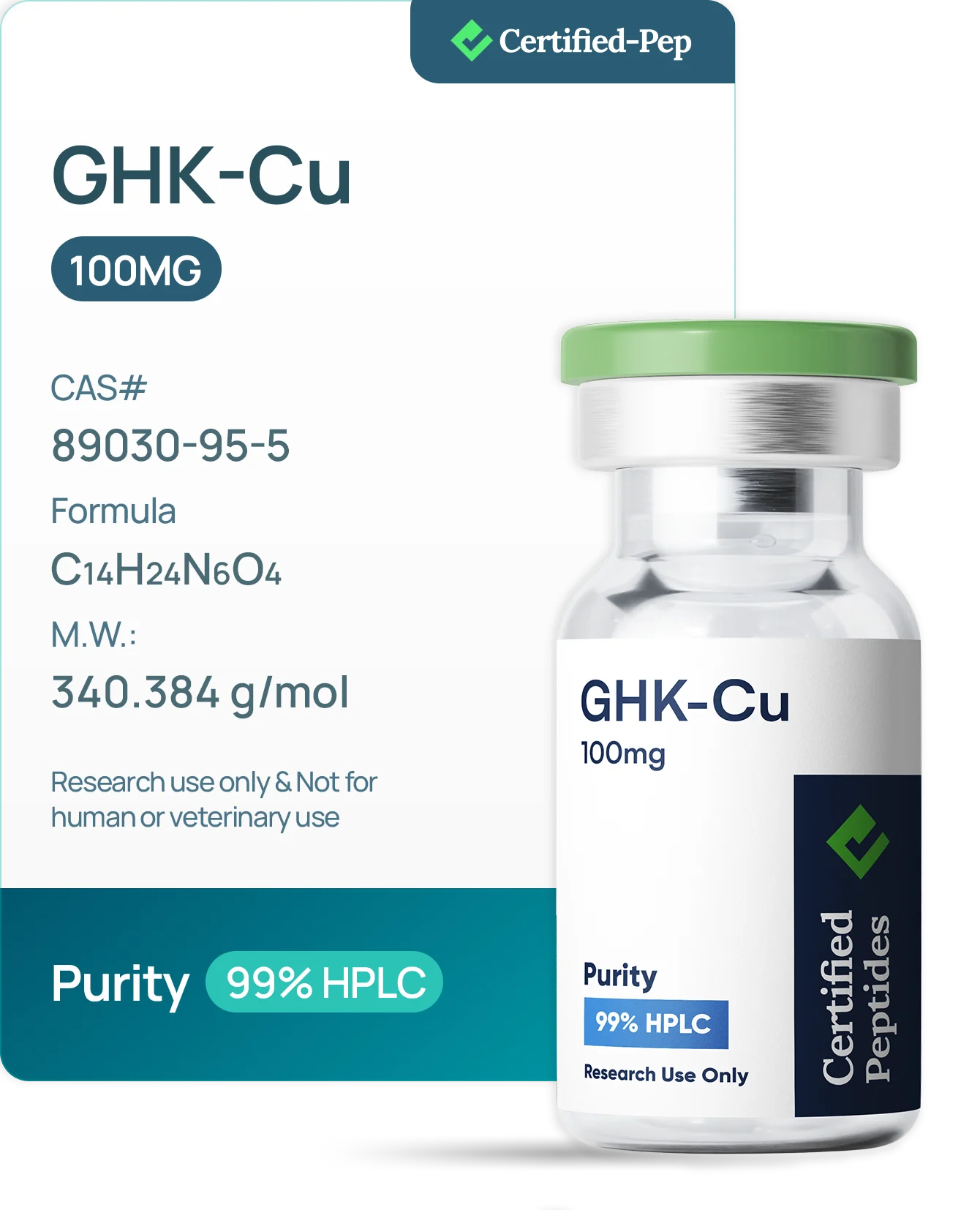
GHKCU 100 MG
USD 59.00
In stock
Last synced: 2026-11-01 10:07
Add to retailer cart ↗View product details