
Why Scratch Closure in the Epitalon Retinal-Cell Model Is Not Evidence of Restored Vision
Scratch closure in an in vitro Epitalon-treated retinal pigment epithelial cell model demonstrates enhanced wound healing but does not provide evidence of restored vision. This article examines the experimental context, findings, and limitations of such cell-based assays, clarifying why these results cannot be extrapolated to visual function or clinical outcomes.
Introduction: The Context of Epitalon and Retinal Research
Epitalon (Ala-Glu-Asp-Gly, AEDG) is a synthetic tetrapeptide studied for its antioxidant and purported bioregulatory properties. Recent research has explored its effects in cellular models relevant to diabetic retinopathy (DR), a leading cause of vision loss. In particular, a 2025 study investigated Epitalon’s ability to enhance wound healing in a high-glucose (HG) injured human retinal pigment epithelial (RPE) cell line (ARPE-19) using a scratch (wound closure) assay. While the study found that Epitalon improved scratch closure in vitro, it is critical to understand why this result does not constitute evidence of restored vision, nor does it directly translate to clinical benefit Source 1.
Defining the Scratch Assay and Its Experimental Scope
The scratch assay is a widely used in vitro method for assessing cell migration and wound healing. In this approach, a confluent monolayer of cells is mechanically disrupted to create a “scratch,” and the rate at which cells migrate to fill the gap is monitored over time. In the referenced study, ARPE-19 cells were exposed to high glucose to simulate diabetic conditions, then treated with Epitalon at various concentrations. The closure of the scratch was quantified using live-cell imaging and analysis software Source 1.
This assay provides a controlled environment to study cellular responses to injury and the effects of candidate compounds on cell migration and proliferation. However, it is a reductionist model that isolates a single aspect of cellular behavior, far removed from the complexity of tissue and organ systems.
Key Findings: Epitalon and Enhanced Wound Healing in ARPE-19 Cells
The study reported that high glucose exposure delayed wound closure in ARPE-19 cells, consistent with impaired wound healing observed in diabetic tissues. Treatment with Epitalon at concentrations of 20, 40, and 60 ng/mL restored the rate of scratch closure to levels comparable to control cells. This effect was associated with reduced oxidative stress (as measured by decreased reactive oxygen species, ROS), upregulation of antioxidant genes (SOD2, CAT, HMOX1), and inhibition of epithelial-mesenchymal transition (EMT) and fibrosis-related gene expression Source 1.
These findings suggest that Epitalon can modulate cellular pathways involved in wound healing and oxidative stress response in RPE cells under hyperglycemic conditions. However, the endpoints measured—scratch closure, gene expression, and ROS levels—are all cellular or molecular, not functional or organismal.
Why Scratch Closure Is Not Evidence of Restored Vision
1. Lack of Functional Assessment
Vision is a complex sensory function involving the coordinated activity of multiple retinal cell types, neural circuits, and higher visual pathways. The scratch assay measures only the ability of a monolayer of RPE cells to migrate and proliferate in response to injury. It does not assess photoreceptor function, synaptic connectivity, signal transduction, or any aspect of visual perception.
2. Absence of Retinal Architecture and Integration
The retina is a highly organized, multilayered tissue. RPE cells play a supportive role for photoreceptors but are only one component of the visual system. In vitro scratch assays lack the three-dimensional structure, cell diversity, and extracellular matrix found in vivo. Restoration of a cell monolayer in culture does not equate to the re-establishment of the complex architecture required for vision.
3. No Measurement of Visual Endpoints
The study did not measure electrophysiological responses (e.g., electroretinography), behavioral visual acuity, or any endpoint related to light detection or image processing. Thus, there is no evidence that Epitalon treatment leads to functional improvements in vision, even in animal models, let alone humans Source 1.
Distinguishing In Vitro, Animal, and Human Evidence
In Vitro Evidence
The cited study is strictly in vitro, using a single immortalized human RPE cell line. While such models are valuable for mechanistic studies, they cannot replicate the systemic, chronic, and multifactorial nature of diabetic retinopathy or vision loss. The findings are limited to cellular responses under artificial conditions.
Animal and Human Evidence
Although the authors reference prior studies suggesting retinoprotective effects of Epitalon in animal models and clinical contexts, these are not part of the current experimental work. The cited study did not include animal models of DR, nor did it assess visual function in vivo. Any mention of clinical outcomes or human benefits is outside the scope of the presented data and should be interpreted with caution Source 1.
Mechanistic Insights and Their Boundaries
The study provides evidence that Epitalon can reduce oxidative stress and inhibit EMT and fibrosis-related gene expression in RPE cells under high-glucose conditions. These mechanisms are relevant to the pathophysiology of diabetic retinopathy, where oxidative damage and fibrosis contribute to disease progression. However, demonstrating modulation of these pathways in vitro does not establish that Epitalon can prevent, halt, or reverse vision loss in vivo.
Moreover, the molecular mechanisms by which Epitalon exerts its effects remain incompletely understood. The study suggests possible epigenetic modulation (e.g., effects on DNA methylation), but these findings are preliminary and require further validation in more physiologically relevant models Source 1.
Experimental Limitations and Model Constraints
1. Simplified Cellular Environment
ARPE-19 cells are an immortalized line that may not fully recapitulate the phenotype or behavior of primary human RPE cells. The culture conditions, including supraphysiological glucose concentrations, do not reflect the chronic, fluctuating hyperglycemia seen in diabetic patients.
2. Lack of Systemic Factors
Diabetic retinopathy involves not only local retinal changes but also systemic metabolic, vascular, and inflammatory factors. The in vitro model cannot account for these influences, nor for the pharmacokinetics, bioavailability, or potential toxicity of Epitalon in a living organism.
3. Endpoint Limitations
The primary endpoint—scratch closure—reflects cell migration and proliferation, not tissue regeneration or functional recovery. Other endpoints (gene expression, ROS levels) are surrogate markers that may not predict clinical outcomes.
4. No Assessment of Long-Term Effects
The study monitored wound closure and molecular changes over short time frames (24–72 hours). Chronic effects, potential adverse outcomes, and long-term integration into retinal tissue were not assessed.
Broader Research Context and Unresolved Questions
While the study adds to the body of knowledge on peptide modulation of cellular stress responses, it leaves several critical questions unanswered: - Can Epitalon’s effects on RPE cells in vitro be replicated in animal models of diabetic retinopathy? - Does Epitalon improve retinal structure or function in vivo? - What are the pharmacokinetics, safety, and potential off-target effects of Epitalon in ocular tissues? - Can modulation of EMT and fibrosis in RPE cells translate to prevention of vision loss? - How do delivery methods (e.g., topical, intravitreal, systemic) affect efficacy and safety?
These questions require rigorous preclinical and clinical investigation before any conclusions about therapeutic potential or vision restoration can be drawn.
Implications for Research and Product Use
Epitalon is available as a research peptide, such as in EPITHALON 10MG and EPITHALON 50MG, but these products are strictly for laboratory research. The current evidence does not support any claims regarding safety, efficacy, or suitability for human or veterinary use. No dosing, administration, or clinical recommendations can be made based on in vitro findings alone.
Evidence Limitations and Key Takeaways
- Cellular scratch closure in ARPE-19 cells is a model of wound healing, not vision restoration.
- The cited study provides mechanistic insights but no evidence of functional visual improvement.
- Translation from in vitro findings to clinical outcomes requires extensive animal and human research.
- Current evidence does not support any therapeutic claims for Epitalon in vision restoration or diabetic retinopathy.
- Research peptides are not approved for human or veterinary use outside controlled laboratory settings.
Conclusion
Scratch closure in an Epitalon-treated retinal cell model demonstrates enhanced wound healing under hyperglycemic conditions but is not evidence of restored vision. The assay measures cell migration and proliferation in a simplified environment, without assessing the complex functions required for vision. While the findings contribute to understanding cellular responses to oxidative stress and fibrosis, they do not establish clinical benefit or justify extrapolation to human therapy. Further research in animal models and controlled human studies is necessary to determine whether these cellular effects have any relevance to vision restoration or disease modification in diabetic retinopathy.
For research and educational purposes only. Not medical advice. Research products are not for human or veterinary use.
Sources
- The Antioxidant Tetrapeptide Epitalon Enhances Delayed Wound Healing in an in Vitro Model of Diabetic Retinopathy. https://pmc.ncbi.nlm.nih.gov/articles/PMC12356729/
Continue exploring
TRACE THE EVIDENCE
Sources & further reading
RELATED PRODUCT INFORMATION
From the Certified Pep catalog.
Product references are informational, not a recommendation for human use. Prices and availability must be verified at retailer checkout.
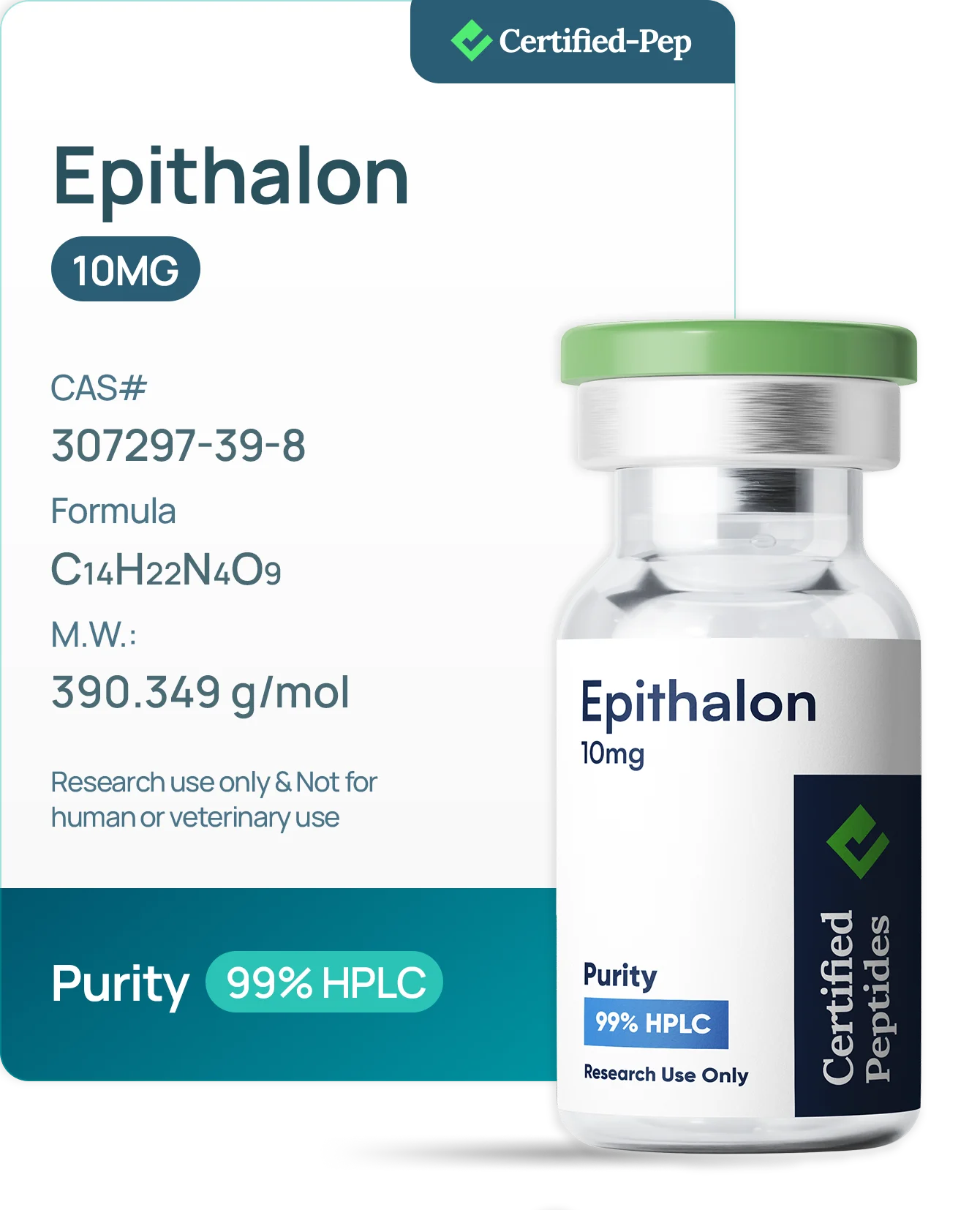
EPITHALON 10MG
USD 54.00 USD 45.00
In stock
Last synced: 2026-11-01 10:07
Add to retailer cart ↗View product details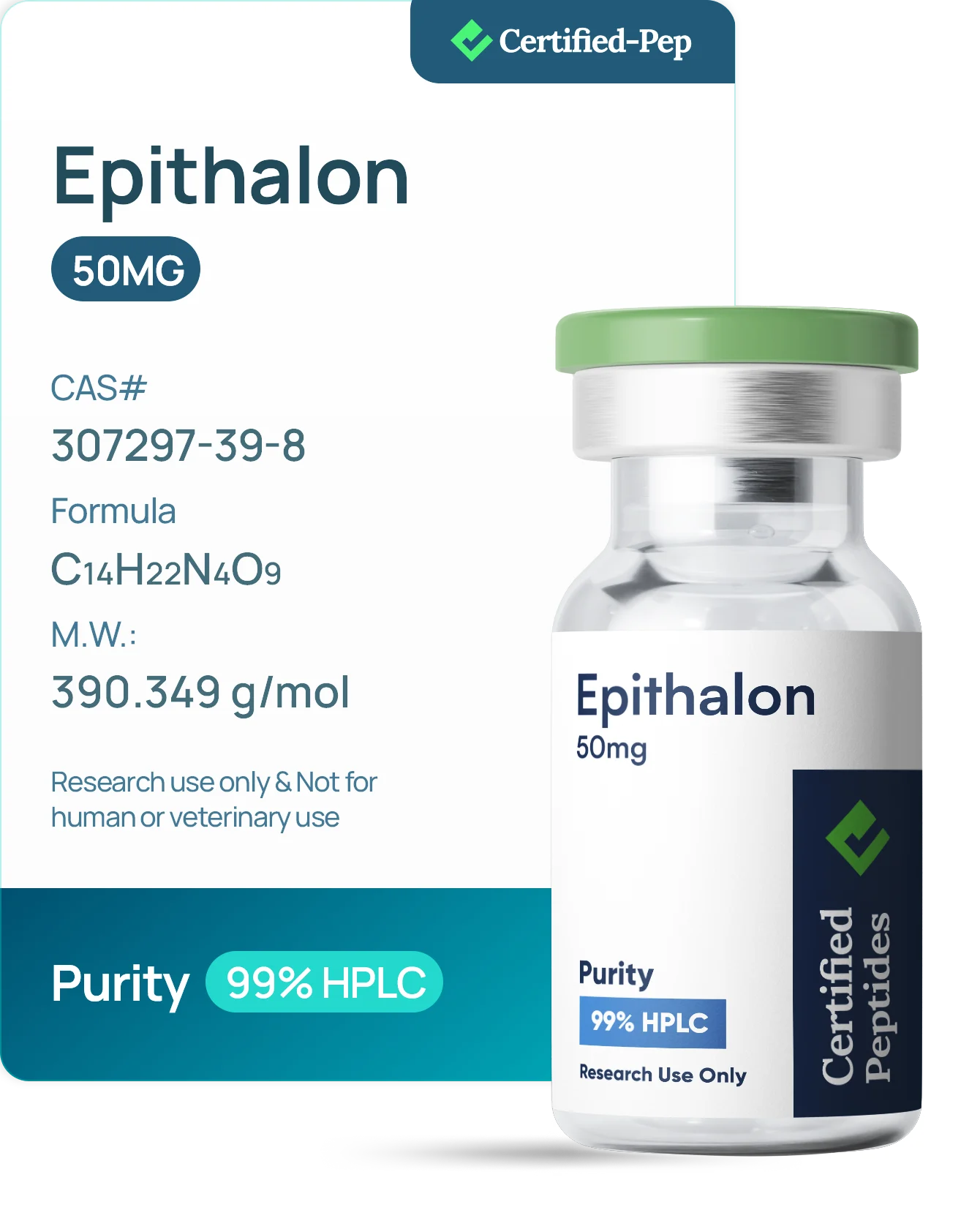
EPITHALON 50MG
USD 134.00 USD 110.00
In stock
Last synced: 2026-11-01 10:07
Add to retailer cart ↗View product details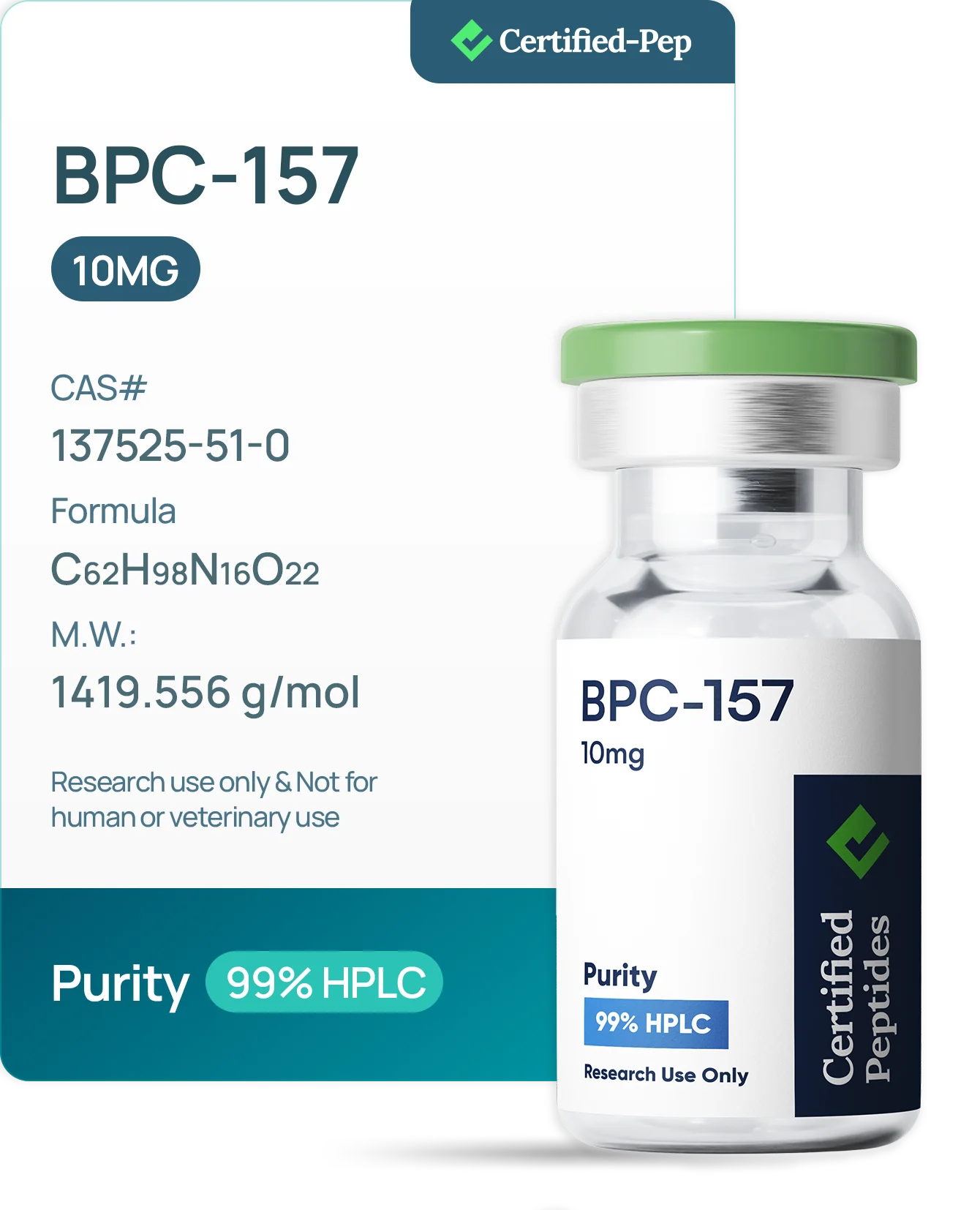
BPC-157 10 MG
USD 60.00
In stock
Last synced: 2026-11-01 10:07
Add to retailer cart ↗View product details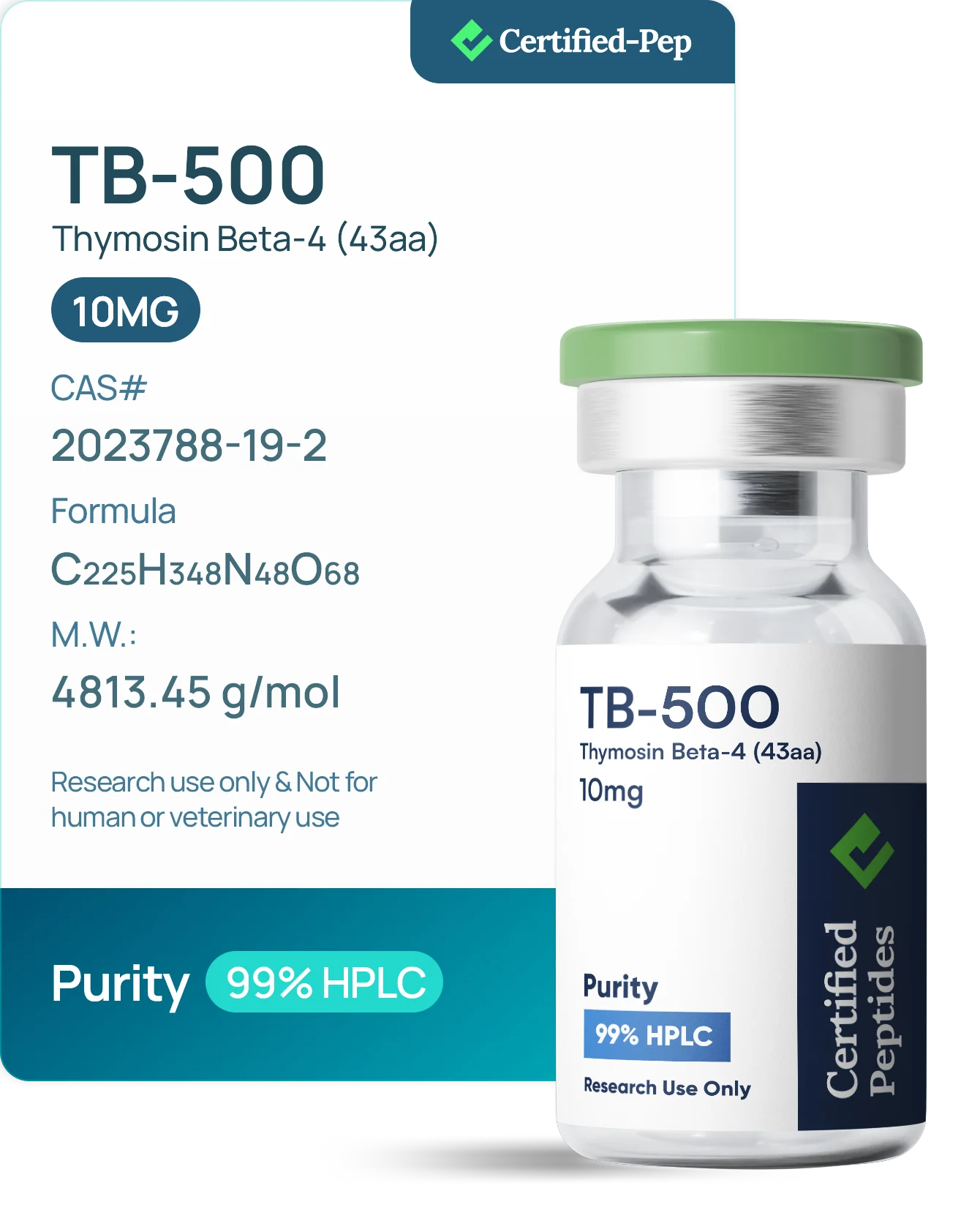
TB-500 10 MG
USD 70.00
In stock
Last synced: 2026-11-01 10:07
Add to retailer cart ↗View product details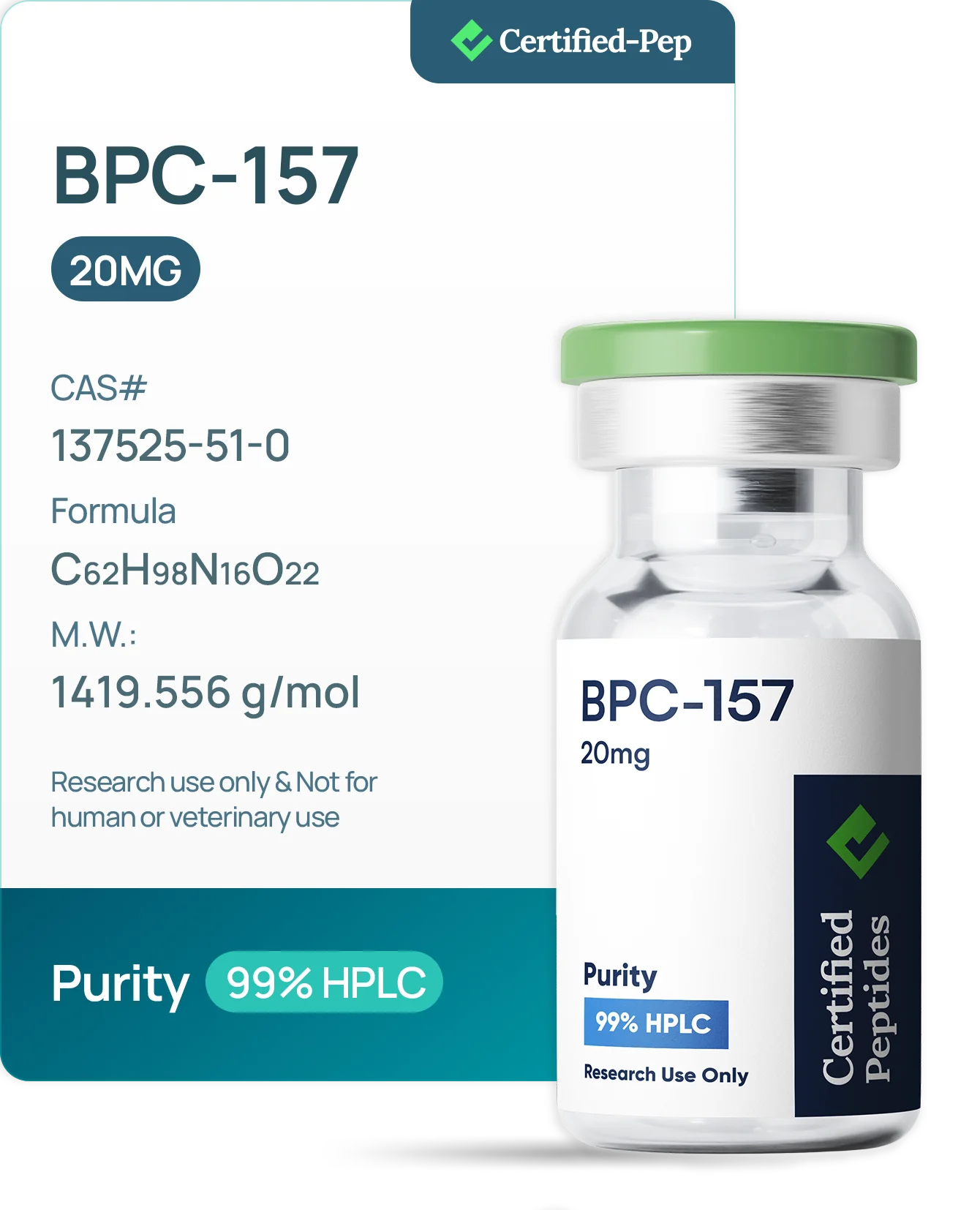
BPC-157 20 MG
USD 90.00
In stock
Last synced: 2026-11-01 10:07
Add to retailer cart ↗View product details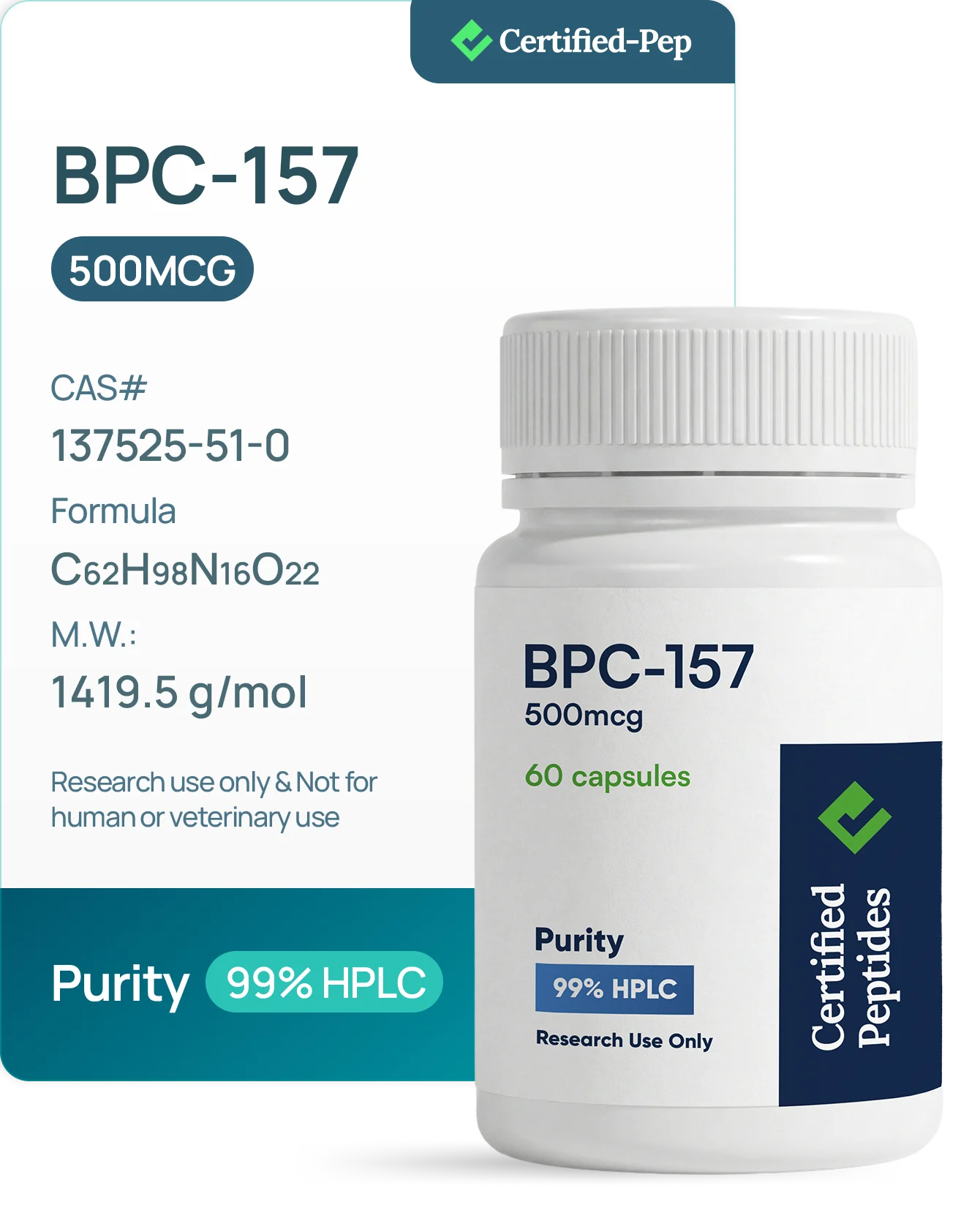
BPC-157 500 mcg 60 CAPSULES
USD 160.00 USD 100.00
In stock
Last synced: 2026-11-01 10:07
Add to retailer cart ↗View product details