
Understanding Limits of Detection and Quantification in TB-500 Peptide Research
This article explains the scientific concepts of limit of detection (LOD) and limit of quantification (LOQ) as applied to TB-500 peptide research. It distinguishes these analytical parameters, discusses their relevance in interpreting study abstracts, and highlights methodological limitations and uncertainties based on current evidence.

Introduction: Why Analytical Sensitivity Matters in Peptide Studies
When reading research abstracts on TB-500 (a synthetic peptide derived from thymosin beta 4), terms like "limit of detection" (LOD) and "limit of quantification" (LOQ) often appear in the context of analytical method validation. These parameters are critical for interpreting the reliability and scope of peptide measurement in biological samples. This article provides a detailed, evidence-based explanation of LOD and LOQ, focusing on their definitions, practical implications, and how they are reported in TB-500 research. The discussion is grounded in published analytical studies and highlights the importance of these concepts for research interpretation, not clinical or product guidance.
Defining Key Terms: LOD and LOQ in Analytical Chemistry
What is the Limit of Detection (LOD)?
The limit of detection (LOD) is the lowest concentration of an analyte (in this case, TB-500 or its metabolites) that can be reliably distinguished from background noise by a given analytical method. LOD does not guarantee precise quantification—only that the analyte is present above the noise threshold. In peptide research, LOD is crucial for determining whether trace amounts of TB-500 or its metabolites can be detected in complex biological matrices such as plasma, serum, or urine.
What is the Limit of Quantification (LOQ)?
The limit of quantification (LOQ) is the lowest concentration at which the analyte can not only be detected but also quantified with acceptable accuracy and precision. LOQ is always higher than LOD. It represents the point at which researchers can confidently assign a numeric value to the analyte concentration, rather than simply confirming its presence.
Why Distinguish LOD from LOQ?
- LOD answers: "Is it there?"
- LOQ answers: "How much is there, with reliable accuracy?"
This distinction is essential for interpreting research findings, especially when evaluating the sensitivity and reliability of peptide measurement methods.
Analytical Methods in TB-500 Research: Examples and Context
Mass Spectrometry-Based Approaches
Recent studies on TB-500 and its metabolites have employed advanced mass spectrometry techniques, such as ultra-high-performance liquid chromatography coupled with high-resolution mass spectrometry (UHPLC-Q-Exactive Orbitrap MS/MS) and hybrid high-resolution mass spectrometry. These methods are designed to achieve high sensitivity and specificity for peptide detection and quantification in biological samples Source 1 Source 2.
Reported LOD and LOQ Values in TB-500 Studies
In a study focused on doping control analysis in horses, the LOD for TB-500 (N-acetylated LKKTETQ) and related peptides was estimated to be less than 50 pg/mL in plasma Source 2. This means that the analytical method could reliably detect TB-500 at concentrations as low as 50 picograms per milliliter, but quantification with acceptable precision would require a higher concentration (the LOQ, which was not explicitly reported in the abstract).
Another study developed and validated a method for simultaneous quantification of TB-500 and its metabolites in in-vitro and rat samples, using UHPLC-Q-Exactive Orbitrap MS. While the abstract confirms method validation, it does not specify the exact LOD or LOQ values, underscoring a common limitation in abstract-only reporting Source 1.
Interpreting Abstracts: What to Look for in LOD and LOQ Reporting
Checklist for Readers
- Are LOD and LOQ values explicitly stated?
- If only LOD is reported, quantification reliability at low concentrations may be uncertain.
- What matrix was used (e.g., plasma, urine, in-vitro buffer)?
- LOD and LOQ can vary significantly by sample type due to matrix effects.
- What analytical method was employed?
- Sensitivity depends on the technology (e.g., mass spectrometry vs. immunoassay).
- Was method validation described?
- Look for mention of specificity, precision, and recovery, which support the reliability of LOD and LOQ claims.
- Are results based on in-vitro, animal, or human samples?
- Context affects interpretation and generalizability.
Practical Example from TB-500 Research
In the horse plasma study, the method was validated for specificity, precision, and recovery, and the LOD was reported as less than 50 pg/mL for TB-500 and other peptides Source 2. However, the LOQ was not specified, so while the method could detect very low concentrations, the lowest reliably quantifiable concentration remains unclear from the abstract alone.
Methodological Considerations: How LOD and LOQ Are Determined
Experimental Determination
- LOD is typically calculated as the analyte concentration that produces a signal three times the standard deviation of the background noise.
- LOQ is often set at a signal ten times the standard deviation of the noise, or at the lowest concentration where predefined accuracy and precision criteria are met.
These thresholds are established during method validation, which should include repeated measurements at low concentrations to assess variability and reliability.
Factors Affecting LOD and LOQ
- Instrument sensitivity: More advanced mass spectrometers can achieve lower LODs and LOQs.
- Sample preparation: Extraction methods (e.g., solid-phase extraction, immunoaffinity purification) influence background noise and recovery.
- Matrix effects: Biological fluids contain proteins and other compounds that can interfere with detection.
In the cited studies, mixed-mode anion exchange solid-phase extraction was used to isolate TB-500 and its metabolites from plasma, improving detectability Source 2.
Implications for TB-500 Metabolism and Activity Studies
Detecting Parent Peptide vs. Metabolites
The ability to detect and quantify both TB-500 and its metabolites is essential for understanding its metabolic fate and biological activity. For example, one study found that Ac-LK was the primary metabolite in rats, while Ac-LKK persisted as a long-term metabolite Source 1. The detection of these metabolites depended on the sensitivity of the analytical method, as reflected in the LOD and LOQ.
Biological Activity Assessment
In the same study, the biological activities of TB-500 and its metabolites were evaluated in fibroblast wound healing assays. Only Ac-LKKTE showed significant wound healing activity compared to control, while neither the parent peptide nor other metabolites exhibited cytotoxicity Source 1. These findings are based on in-vitro models and do not imply efficacy or safety in humans or animals.
Limitations and Uncertainties in Current Evidence
Abstract-Only Reporting
Both cited studies are available only as abstracts, limiting access to detailed methodological information such as exact LOQ values, calibration curves, or full validation data. This restricts the ability to critically assess the robustness of the reported LOD and LOQ, as well as the generalizability of the findings.
Species and Matrix Differences
Reported LOD and LOQ values are specific to the analytical method, sample type, and species studied. For example, values determined in horse plasma may not directly translate to human or rat samples due to differences in matrix composition and peptide metabolism.
Lack of Clinical Correlation
No cited study provides evidence of clinical efficacy, safety, or regulatory approval for TB-500 or its metabolites. All findings are limited to in-vitro or animal models, and no inference about human benefits or risks is warranted.
Reader Questions: Navigating Analytical Sensitivity in TB-500 Research
- How do I know if a reported effect is meaningful at low concentrations?
- Check whether the measured concentrations are above the LOQ, not just the LOD.
- Can I compare LOD/LOQ values across studies?
- Only if the methods, matrices, and validation criteria are comparable.
- Does a low LOD mean the method is suitable for all research purposes?
- Not necessarily; quantification reliability (LOQ) and method validation are equally important.
Key Takeaways and Evidence Gaps
- LOD and LOQ are fundamental parameters for interpreting peptide quantification studies, including those on TB-500.
- LOD indicates the lowest detectable concentration, while LOQ defines the lowest reliably quantifiable concentration.
- In TB-500 research, reported LODs can be as low as 50 pg/mL in plasma, but LOQ values are not always specified in abstracts.
- Method validation (specificity, precision, recovery) supports the reliability of LOD and LOQ claims, but full details may be absent in abstract-only reports.
- All cited findings are limited to in-vitro and animal models; no clinical or product quality claims are supported.
- Readers should critically assess the reporting of analytical sensitivity and recognize the limitations of available evidence.
Sources
- Simultaneous quantification of TB-500 and its metabolites in in-vitro experiments and rats by UHPLC-Q-Exactive orbitrap MS/MS and their screening by wound healing activities in-vitro. https://pubmed.ncbi.nlm.nih.gov/38382158/
- Doping control analysis of seven bioactive peptides in horse plasma by liquid chromatography-mass spectrometry. https://pubmed.ncbi.nlm.nih.gov/23318763/
For research and educational purposes only. Not medical advice. Research products are not for human or veterinary use.
Continue exploring
TRACE THE EVIDENCE
Sources & further reading
RELATED PRODUCT INFORMATION
From the Certified Pep catalog.
Product references are informational, not a recommendation for human use. Prices and availability must be verified at retailer checkout.
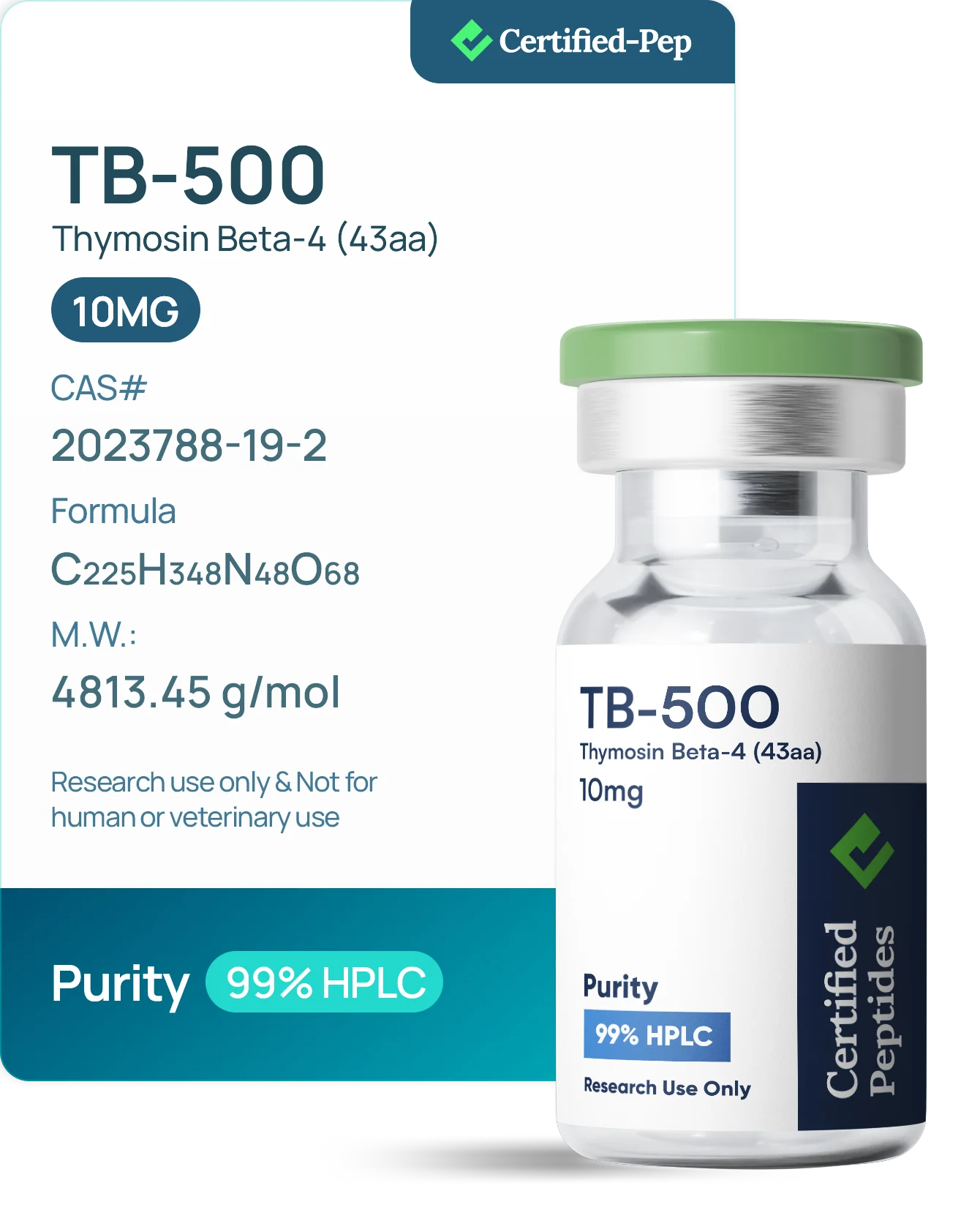
TB-500 10 MG
USD 70.00
In stock
Last synced: 2026-11-01 10:07
Add to retailer cart ↗View product details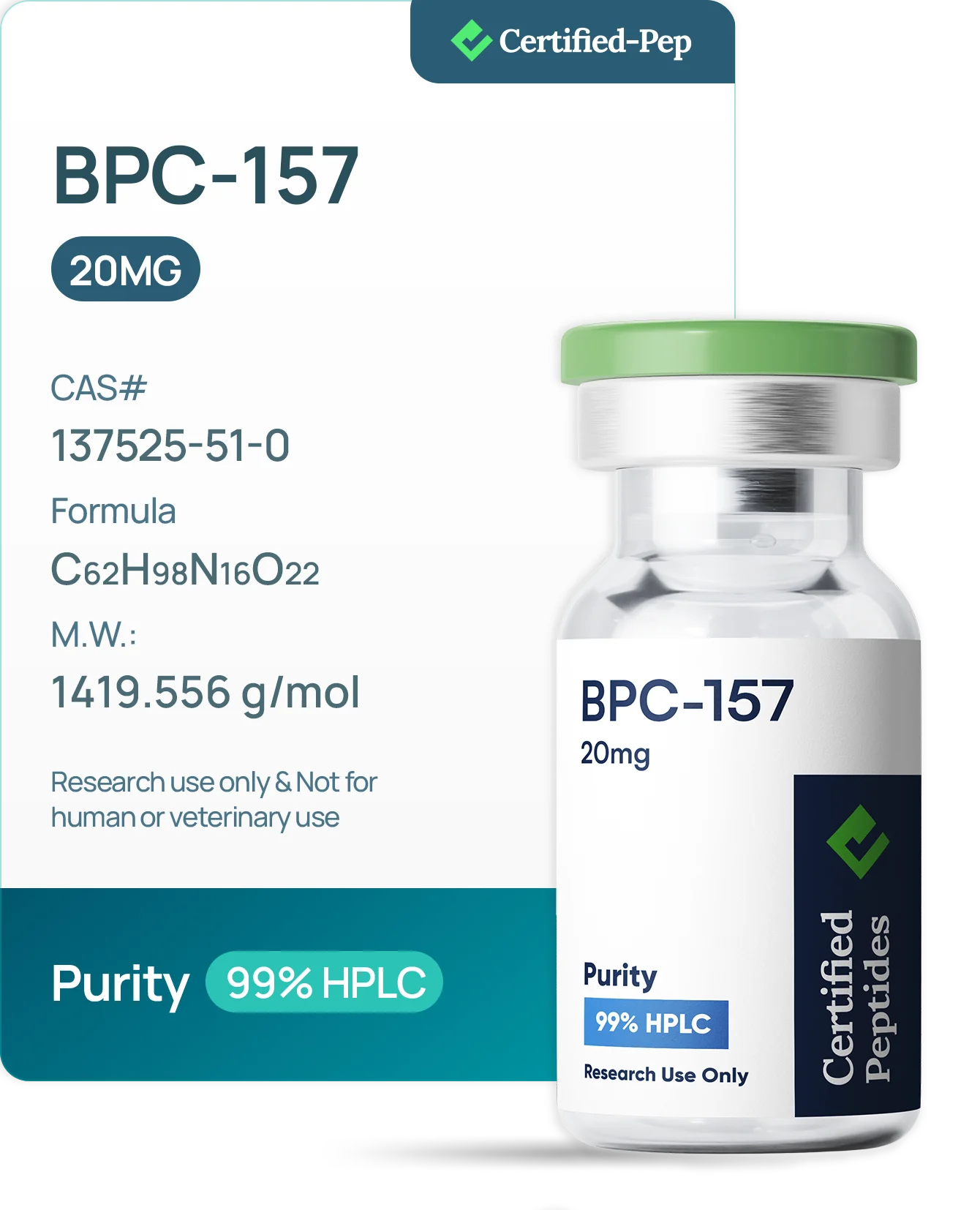
BPC-157 20 MG
USD 90.00
In stock
Last synced: 2026-11-01 10:07
Add to retailer cart ↗View product details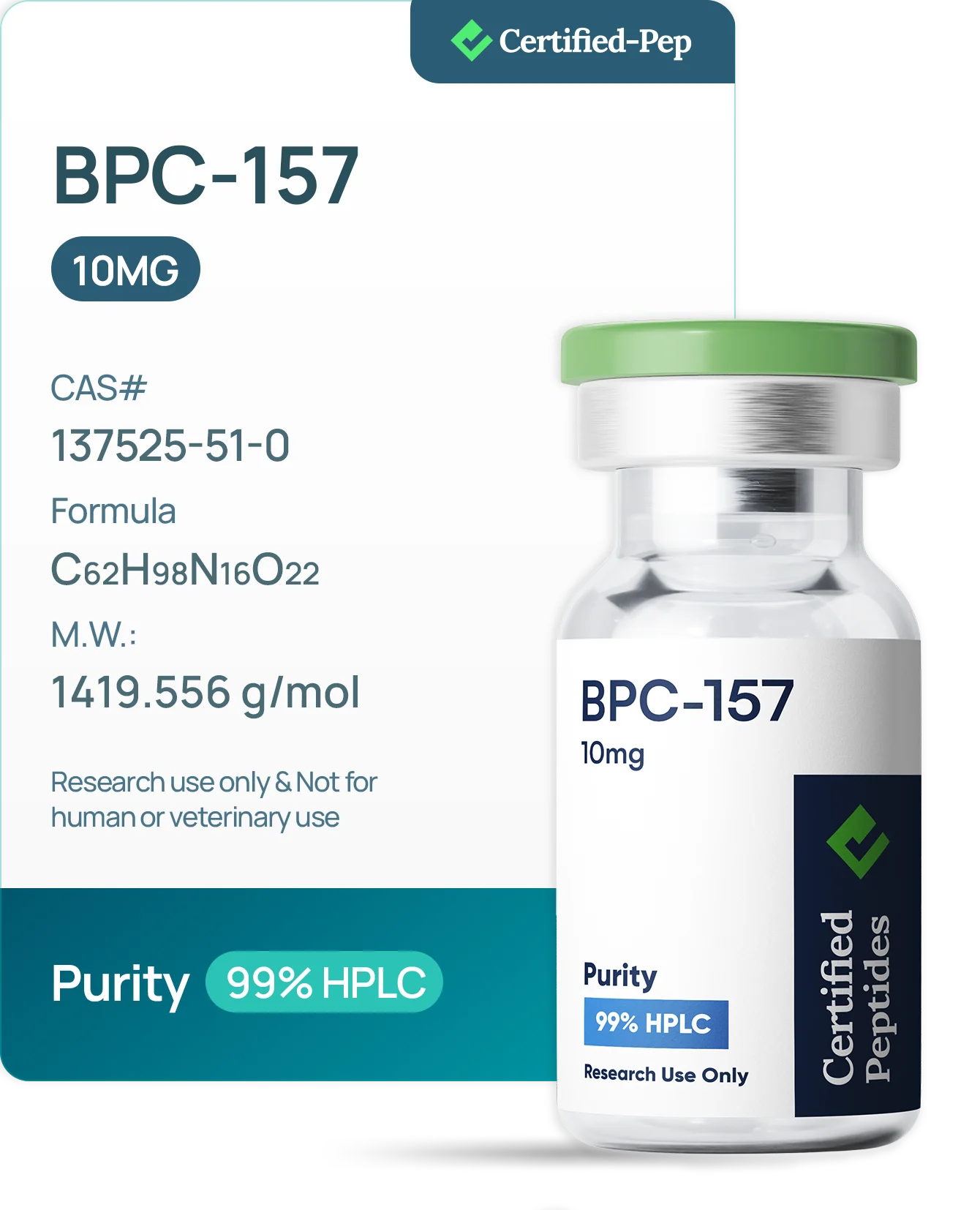
BPC-157 10 MG
USD 60.00
In stock
Last synced: 2026-11-01 10:07
Add to retailer cart ↗View product details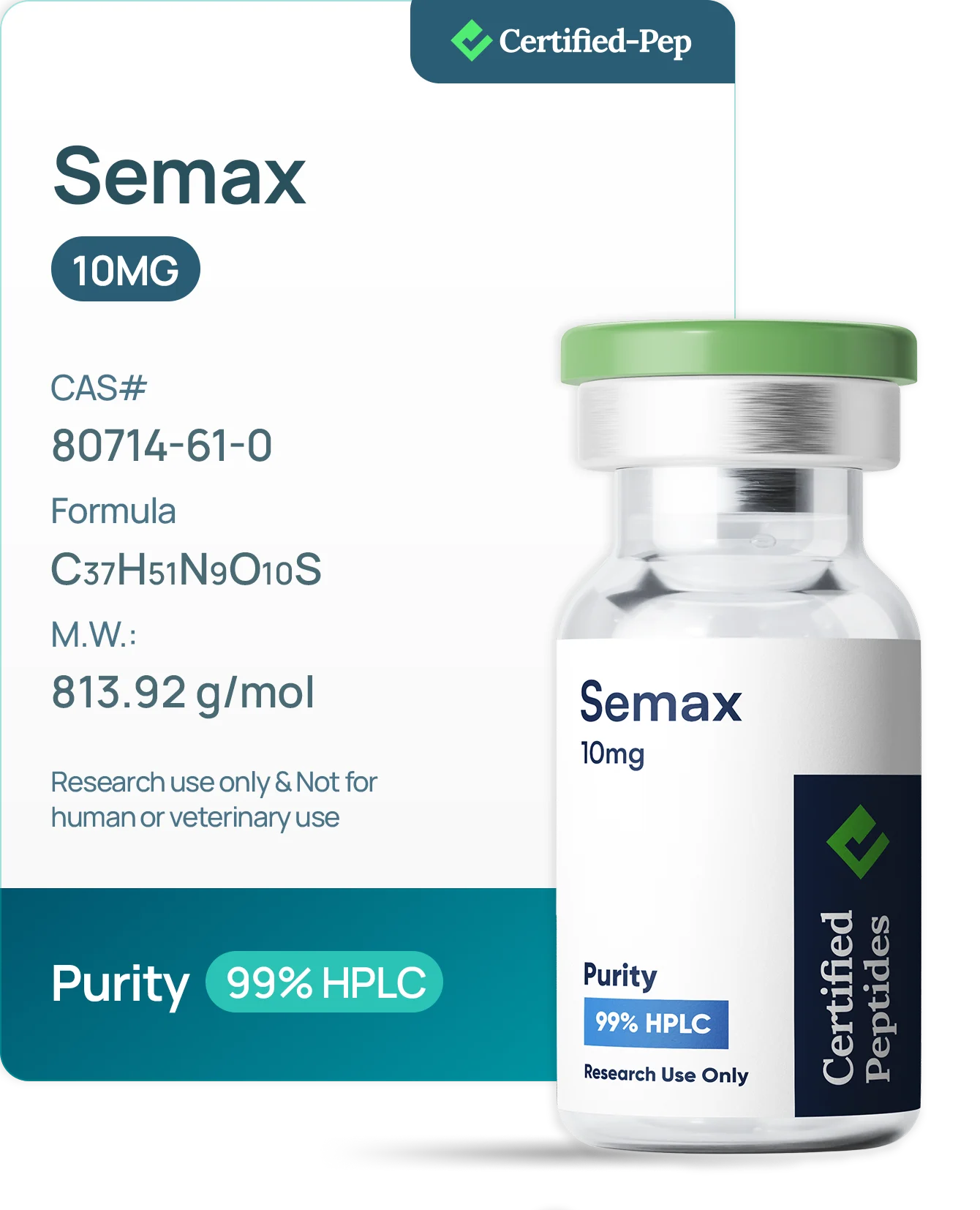
SEMAX 10MG
USD 54.00
In stock
Last synced: 2026-11-01 10:07
Add to retailer cart ↗View product details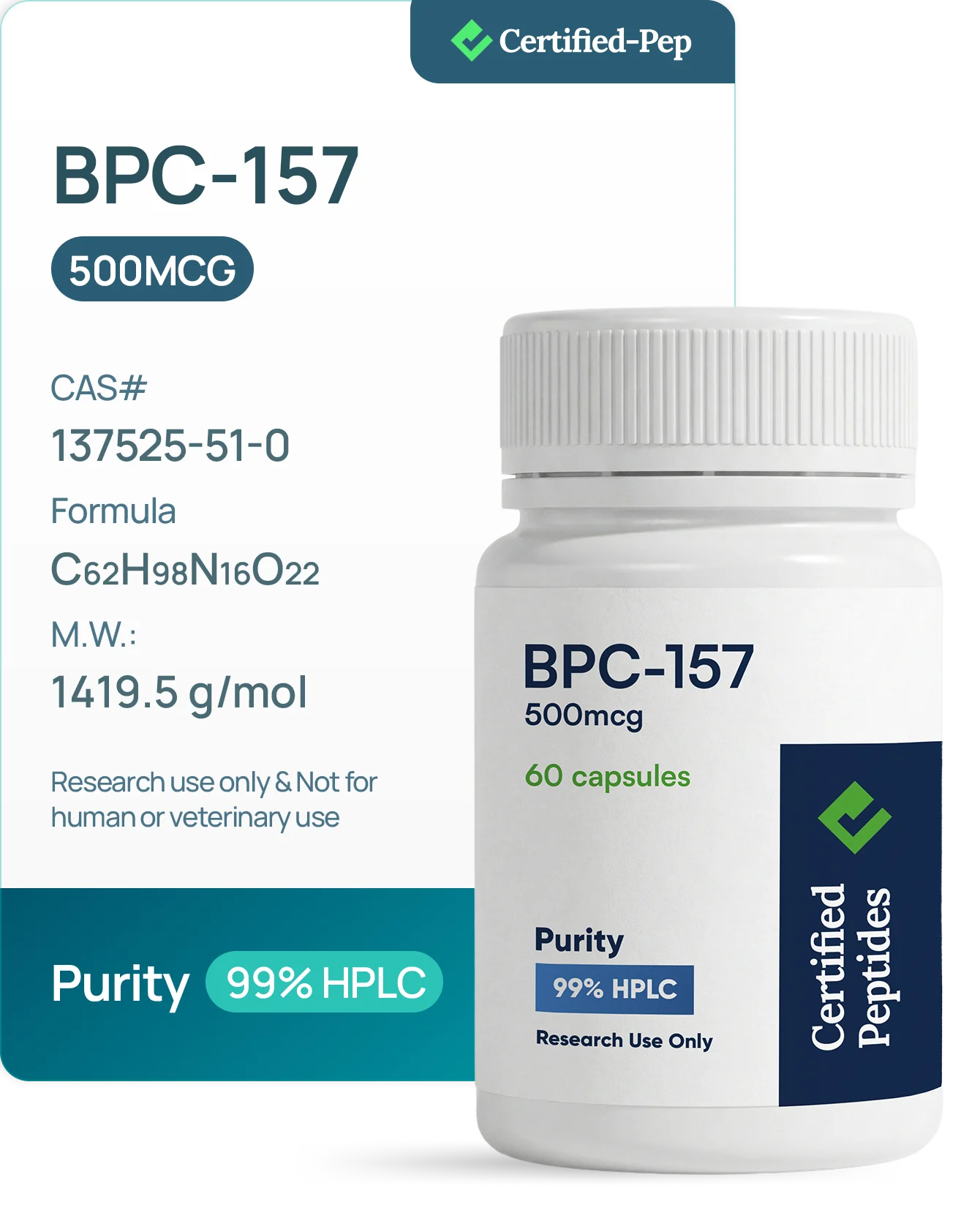
BPC-157 500 mcg 60 CAPSULES
USD 160.00 USD 100.00
In stock
Last synced: 2026-11-01 10:07
Add to retailer cart ↗View product details