
Interpreting Biomechanical Endpoints in Preclinical BPC-157 Research: Evidence and Limitations
Biomechanical endpoints in preclinical BPC-157 studies provide insight into tissue recovery and functional restoration in animal models, but their translational value for human outcomes remains unproven. This resource reviews the reported findings, experimental approaches, and limitations of biomechanical assessments in BPC-157 research.

Introduction: The Role of Biomechanical Endpoints in BPC-157 Research
Body Protection Compound-157 (BPC-157) is a synthetic peptide derived from a naturally occurring gastric protein. It has been the subject of extensive preclinical investigation for its potential effects on tissue repair, particularly in musculoskeletal injuries. In these studies, biomechanical endpoints—quantitative measures of tissue strength, elasticity, and function—are frequently used to assess the impact of BPC-157 on healing processes. This article examines what biomechanical endpoints reveal in preclinical BPC-157 studies, the methodologies employed, the reported findings, and the limitations and uncertainties that constrain their interpretation for human health or clinical application.
For research and educational purposes only. Not medical advice. Research products are not for human or veterinary use.
Defining Biomechanical Endpoints in Preclinical Models
Biomechanical endpoints are objective, quantifiable measures of tissue properties such as tensile strength, load to failure, stiffness, and elasticity. In musculoskeletal research, these endpoints are typically assessed using animal models of injury (e.g., tendon transection, muscle crush, ligament rupture, bone defect) and are measured with specialized equipment that applies controlled force to excised tissues. The resulting data provide information about the structural and functional integrity of healing tissues, complementing histological and molecular assessments. In the context of BPC-157 research, biomechanical endpoints are used to evaluate whether the peptide influences the restoration of tissue strength and function after injury Source 1.
Experimental Approaches: Models and Measurement Techniques
Preclinical studies of BPC-157 have employed a range of animal models, most commonly rats and rabbits, to simulate clinically relevant musculoskeletal injuries. Examples include Achilles tendon transection, quadriceps muscle laceration, medial collateral ligament (MCL) transection, and segmental bone defects. After injury induction and treatment (with BPC-157 or control), tissues are harvested at defined time points for biomechanical testing. Typical endpoints include:
- Load to failure: The maximum force the tissue can withstand before breaking.
- Stiffness: The resistance of the tissue to deformation under load.
- Breaking force: The force required to rupture the tissue.
- Absorbed energy: The energy absorbed by the tissue before failure.
These measurements are performed using devices such as tensiometers or mechanical testing frames, and are often accompanied by histological and functional assessments Source 1.
Reported Findings: Biomechanical Outcomes in BPC-157 Animal Studies
A systematic review identified 14 preclinical studies that reported musculoskeletal outcomes associated with BPC-157, many of which included biomechanical endpoints Source 1. Key findings from these studies include:
- Tendon Healing: In rat Achilles tendon transection models, BPC-157 treatment was associated with improved load to failure, stiffness, and breaking force compared to controls. These improvements were paralleled by better limb alignment and motor function indices.
- Muscle Injury: In muscle crush and transection models, BPC-157 improved muscle structural integrity, increased myofibril diameter, and enhanced load to failure and functional indices.
- Ligament Repair: In a rat MCL transection model, BPC-157 reduced post-injury valgus instability and contracture, and restored biomechanical indices such as load to failure and stiffness.
- Bone Defects: In a rabbit nonunion bone defect model, BPC-157 administration resulted in callous mineralization and resolution of the defect, with biomechanical performance comparable to autologous bone grafting.
These results suggest that, in animal models, BPC-157 may enhance the biomechanical properties of healing musculoskeletal tissues Source 1.
Mechanistic Insights: Linking Biomechanical and Molecular Endpoints
The observed improvements in biomechanical endpoints are often accompanied by molecular and histological changes. Preclinical studies report that BPC-157 modulates pathways involved in angiogenesis (e.g., upregulation of vascular endothelial growth factor, VEGF), cell proliferation, and anti-inflammation (e.g., reduced interleukin-6 and tumor necrosis factor-alpha levels). In tendon and muscle injury models, BPC-157 increased local vascularity and growth hormone receptor expression, which may contribute to tissue regeneration and improved mechanical strength. However, the causal relationships between these molecular changes and biomechanical outcomes remain incompletely defined, and the precise mechanisms by which BPC-157 may influence tissue repair are still under investigation Source 1.
Strengths and Limitations of Biomechanical Endpoints in Preclinical Research
Biomechanical endpoints offer several advantages in preclinical research:
- Objectivity: Quantitative, reproducible measures of tissue function.
- Functional relevance: Directly assess the mechanical properties critical for tissue performance.
- Comparability: Allow for standardized comparisons across studies and interventions.
However, there are significant limitations:
- Species differences: Animal tissue properties and healing responses may not accurately reflect human physiology.
- Injury models: Experimental injuries are often standardized and may not capture the complexity of clinical injuries.
- Testing conditions: Ex vivo mechanical testing does not account for in vivo loading, neuromuscular control, or systemic factors.
- Short-term endpoints: Most studies assess healing at early time points (weeks), limiting understanding of long-term outcomes.
These limitations mean that while biomechanical endpoints are valuable for hypothesis generation and mechanistic exploration, they cannot be directly extrapolated to predict clinical efficacy or safety in humans Source 1.
Translational Gaps: From Animal Biomechanics to Human Outcomes
Despite promising biomechanical results in animal models, there is a lack of controlled human studies evaluating BPC-157 for musculoskeletal healing. Only one retrospective human case series was identified, in which 7 of 12 patients reported subjective improvement in knee pain after intraarticular BPC-157 injection; no objective biomechanical or structural endpoints were reported Source 1. No randomized controlled trials or prospective studies have assessed biomechanical recovery in humans treated with BPC-157. Thus, the clinical significance of preclinical biomechanical findings remains unknown.
Safety Considerations and Regulatory Status
Preclinical safety studies in animals have not identified acute toxicity or organ-specific adverse effects with BPC-157 administration over periods up to six weeks. However, no long-term animal safety data or controlled human safety studies are available. BPC-157 is not approved by the US Food and Drug Administration for any indication, and its use is banned by major sports organizations. Research products, such as BPC 157 10 MG, are available for laboratory use only and are not intended for human or veterinary application. The lack of regulatory oversight and potential for contamination in unregulated products further complicates safety assessment Source 1.
Evidence Limitations and Unresolved Questions
The current body of evidence on BPC-157 and biomechanical endpoints is limited by several factors:
- Preclinical focus: Nearly all studies are in vitro or in animal models; human data are extremely limited.
- Study heterogeneity: Variability in injury models, dosing regimens, endpoints, and follow-up periods complicates synthesis and comparison.
- Lack of long-term data: Most studies assess short-term healing; chronic outcomes and durability of biomechanical improvements are unknown.
- Absence of clinical trials: No randomized controlled trials have evaluated BPC-157 for biomechanical or functional recovery in humans.
- Potential for bias: Many studies are small, and publication bias toward positive findings cannot be excluded.
Further research, including well-designed clinical trials with objective biomechanical and functional endpoints, is needed to determine whether the preclinical findings translate to human benefit or safety.
Key Takeaways
- Biomechanical endpoints in preclinical BPC-157 studies provide quantitative measures of tissue strength and function after injury in animal models.
- Reported findings suggest that BPC-157 may enhance biomechanical properties of healing muscle, tendon, ligament, and bone in rats and rabbits.
- These effects are accompanied by molecular and histological changes, but the mechanisms remain incompletely understood.
- The translational value of these findings for human outcomes is unknown; no controlled human studies have reported objective biomechanical endpoints.
- Biomechanical endpoints are valuable for mechanistic research but cannot be used to infer clinical efficacy or safety without human data.
- BPC-157 is not approved for human or veterinary use, and research products are for laboratory investigation only.
- Significant gaps remain, including the need for long-term, controlled human studies with rigorous biomechanical and functional assessments.
For research and educational purposes only. Not medical advice. Research products are not for human or veterinary use.
Sources
- Emerging Use of BPC-157 in Orthopaedic Sports Medicine: A Systematic Review. https://pmc.ncbi.nlm.nih.gov/articles/PMC12313605/
Continue exploring
TRACE THE EVIDENCE
Sources & further reading
RELATED PRODUCT INFORMATION
From the Certified Pep catalog.
Product references are informational, not a recommendation for human use. Prices and availability must be verified at retailer checkout.
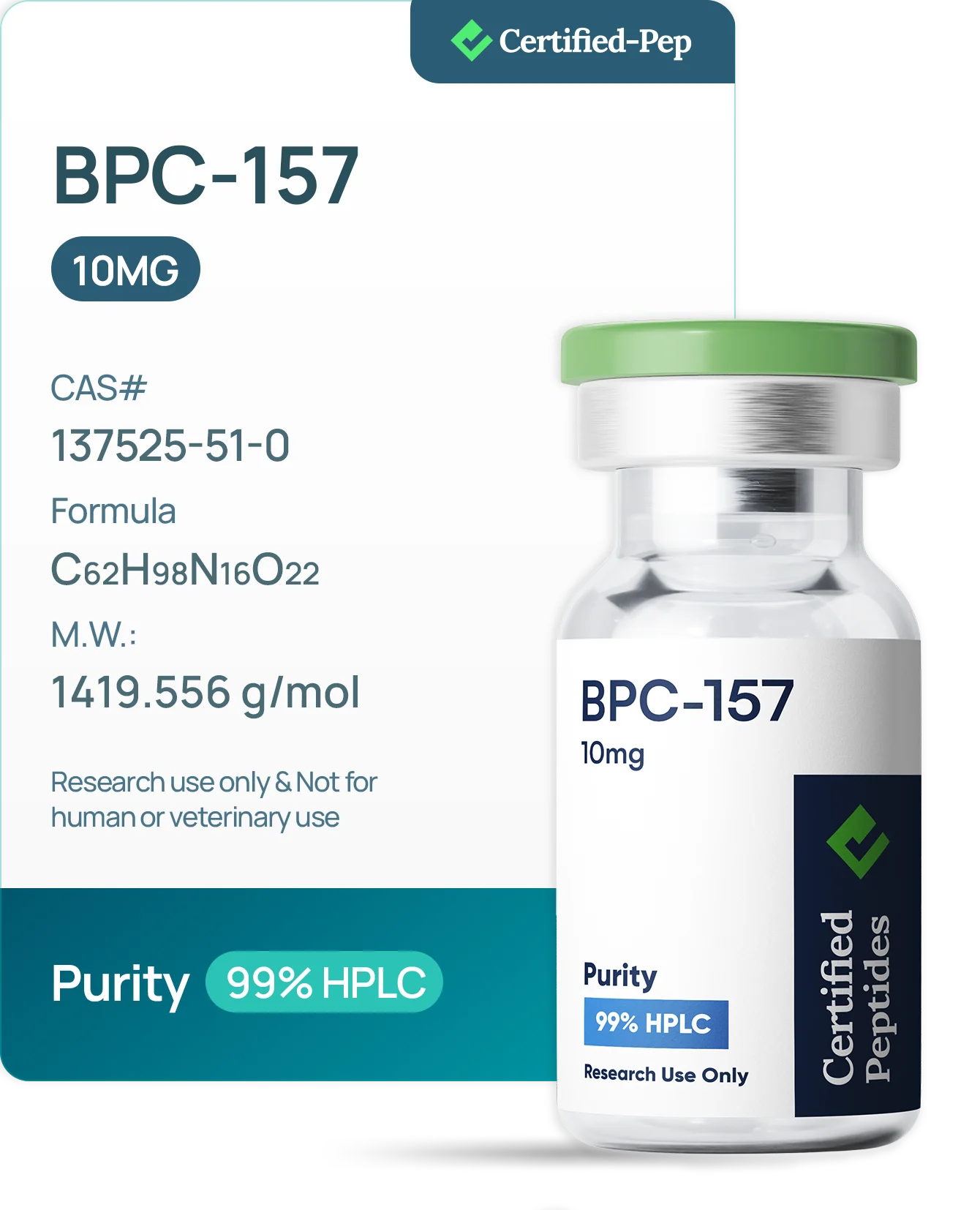
BPC-157 10 MG
USD 60.00
In stock
Last synced: 2026-11-01 10:07
Add to retailer cart ↗View product details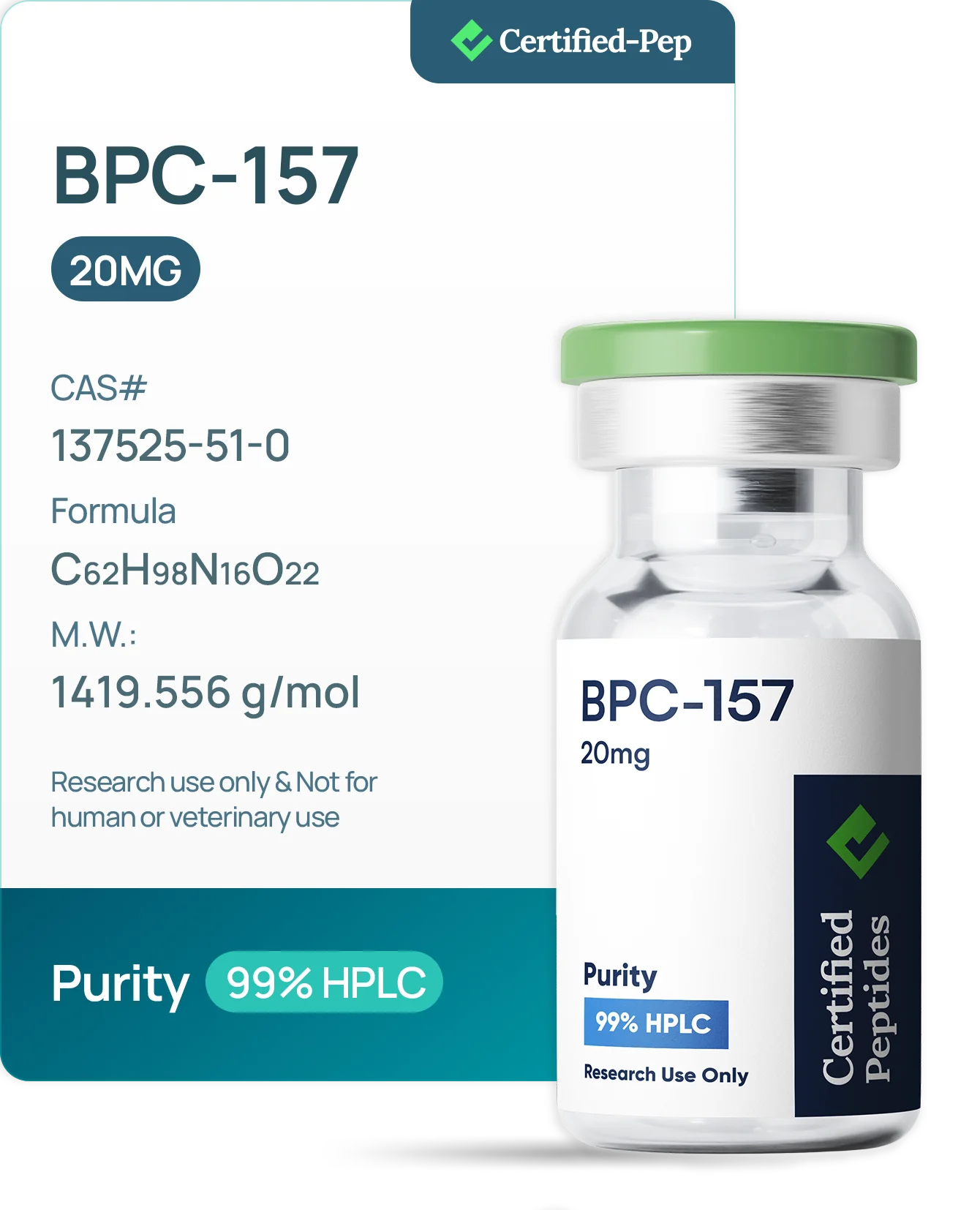
BPC-157 20 MG
USD 90.00
In stock
Last synced: 2026-11-01 10:07
Add to retailer cart ↗View product details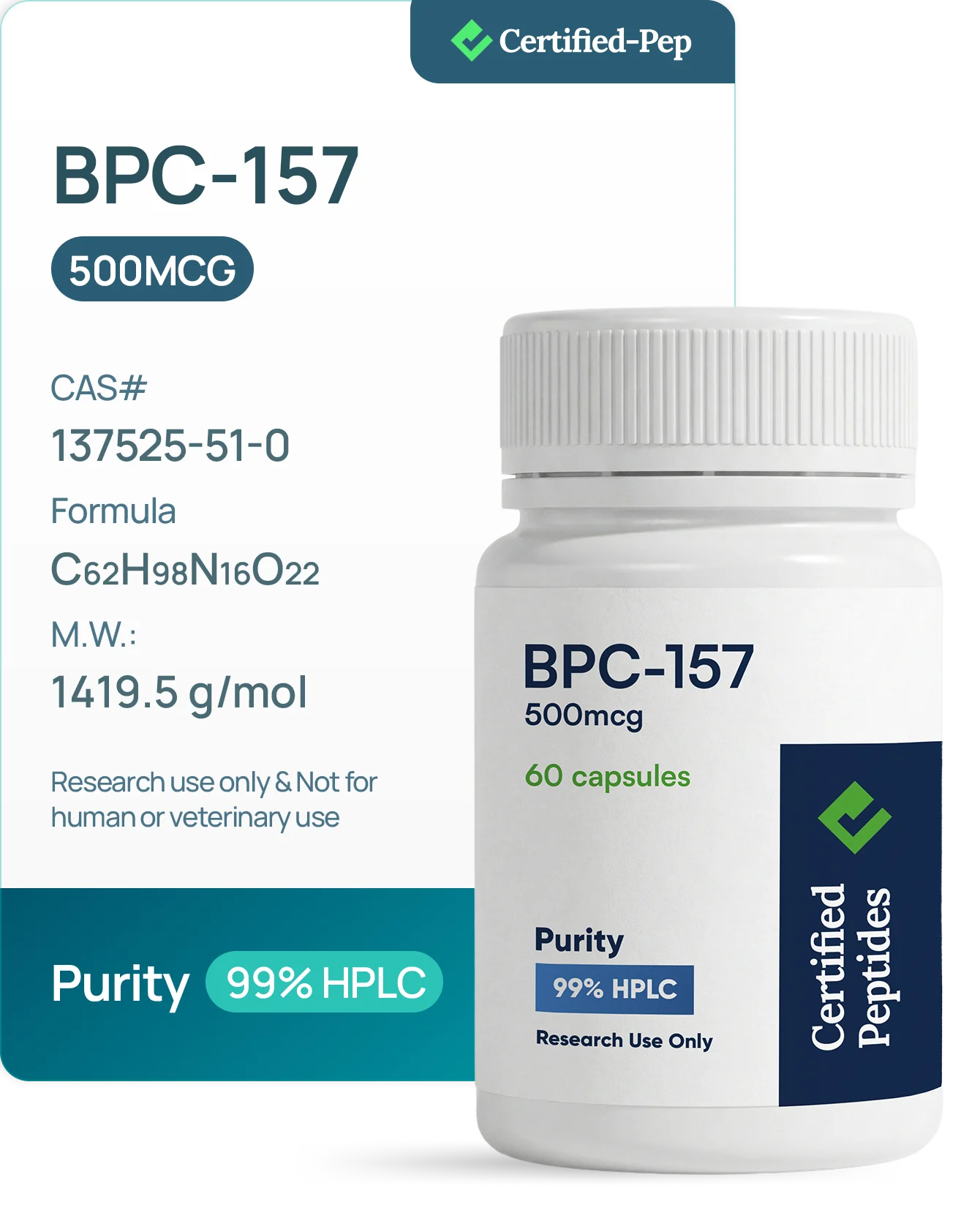
BPC-157 500 mcg 60 CAPSULES
USD 160.00 USD 100.00
In stock
Last synced: 2026-11-01 10:07
Add to retailer cart ↗View product details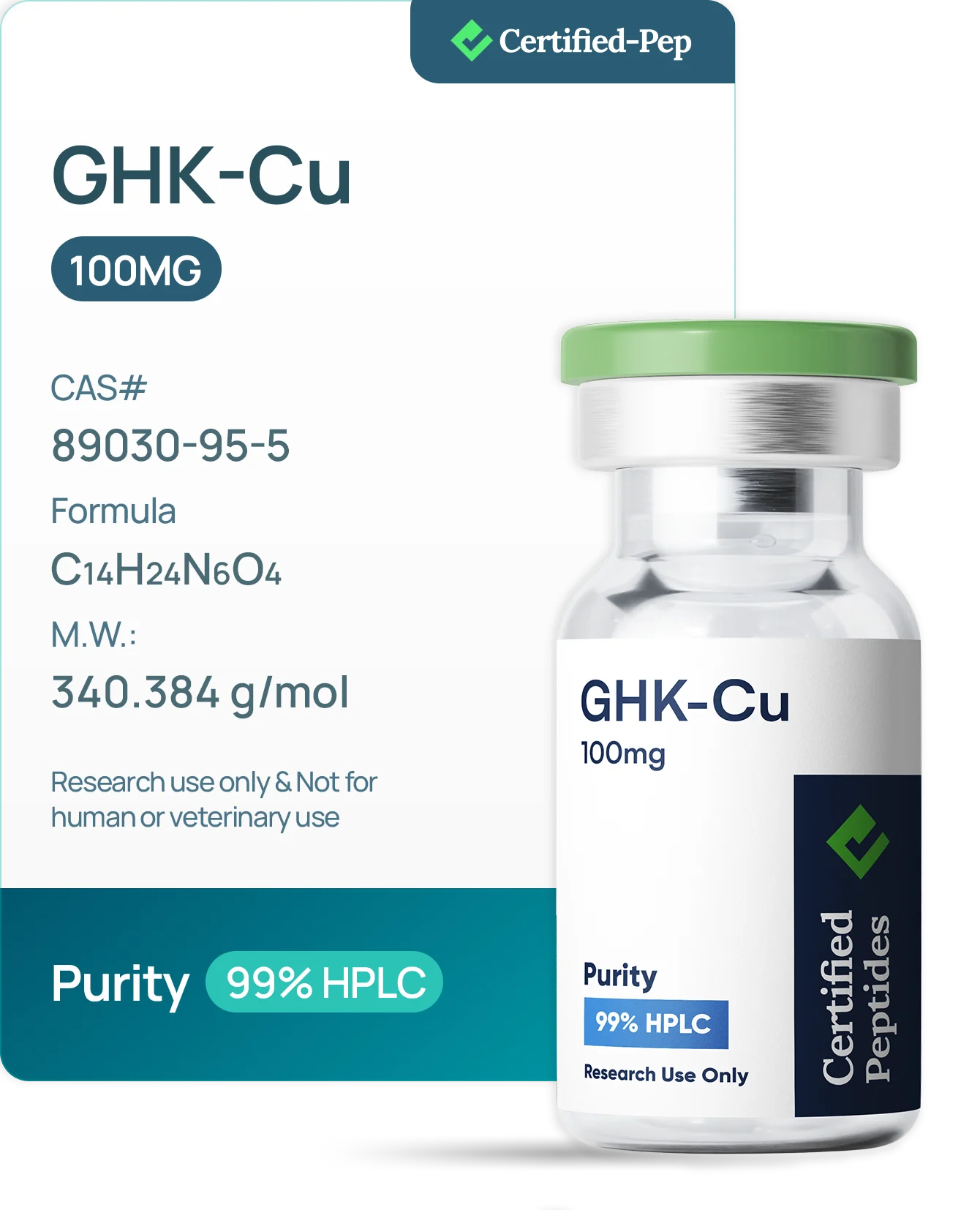
GHKCU 100 MG
USD 59.00
In stock
Last synced: 2026-11-01 10:07
Add to retailer cart ↗View product details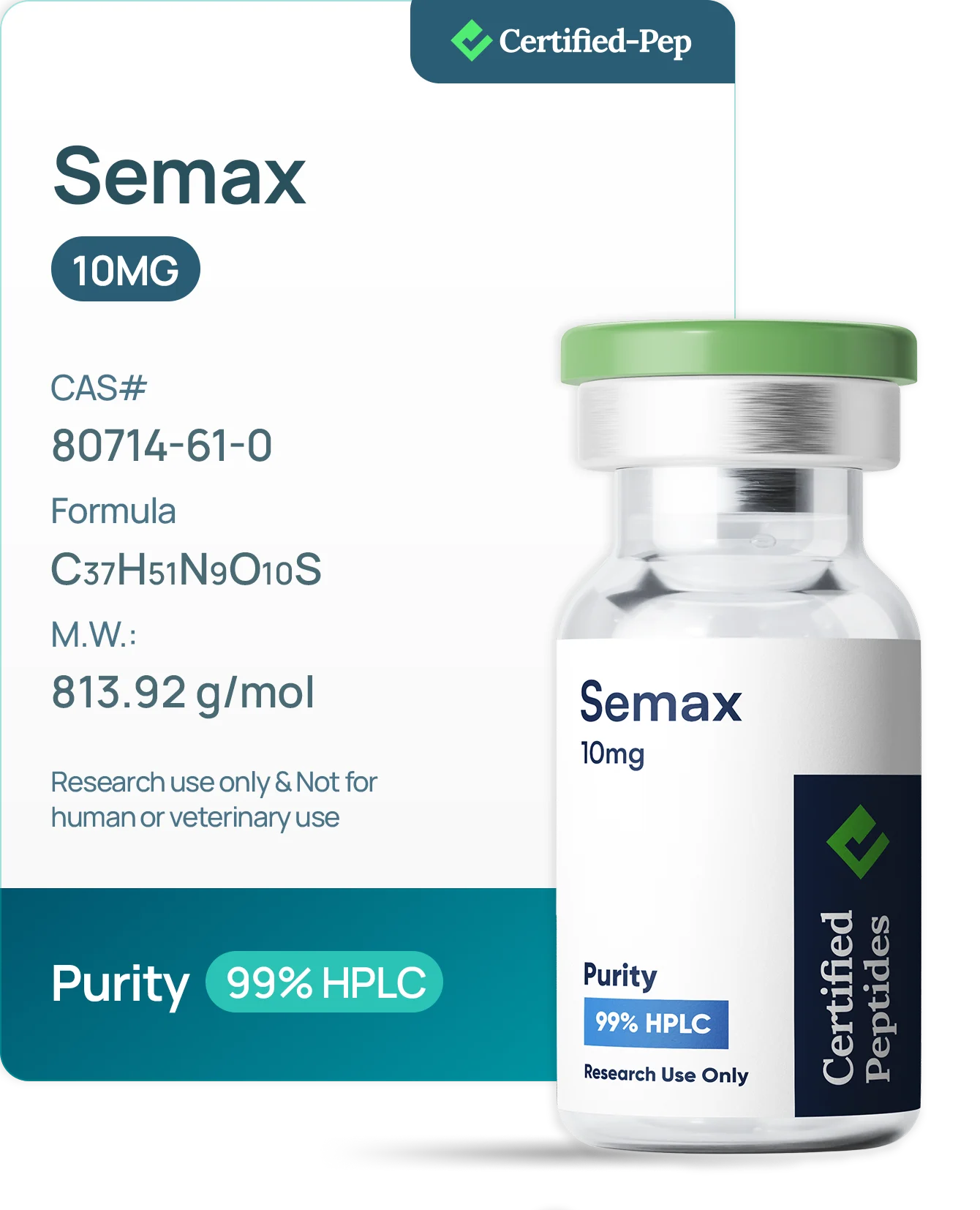
SEMAX 10MG
USD 54.00
In stock
Last synced: 2026-11-01 10:07
Add to retailer cart ↗View product details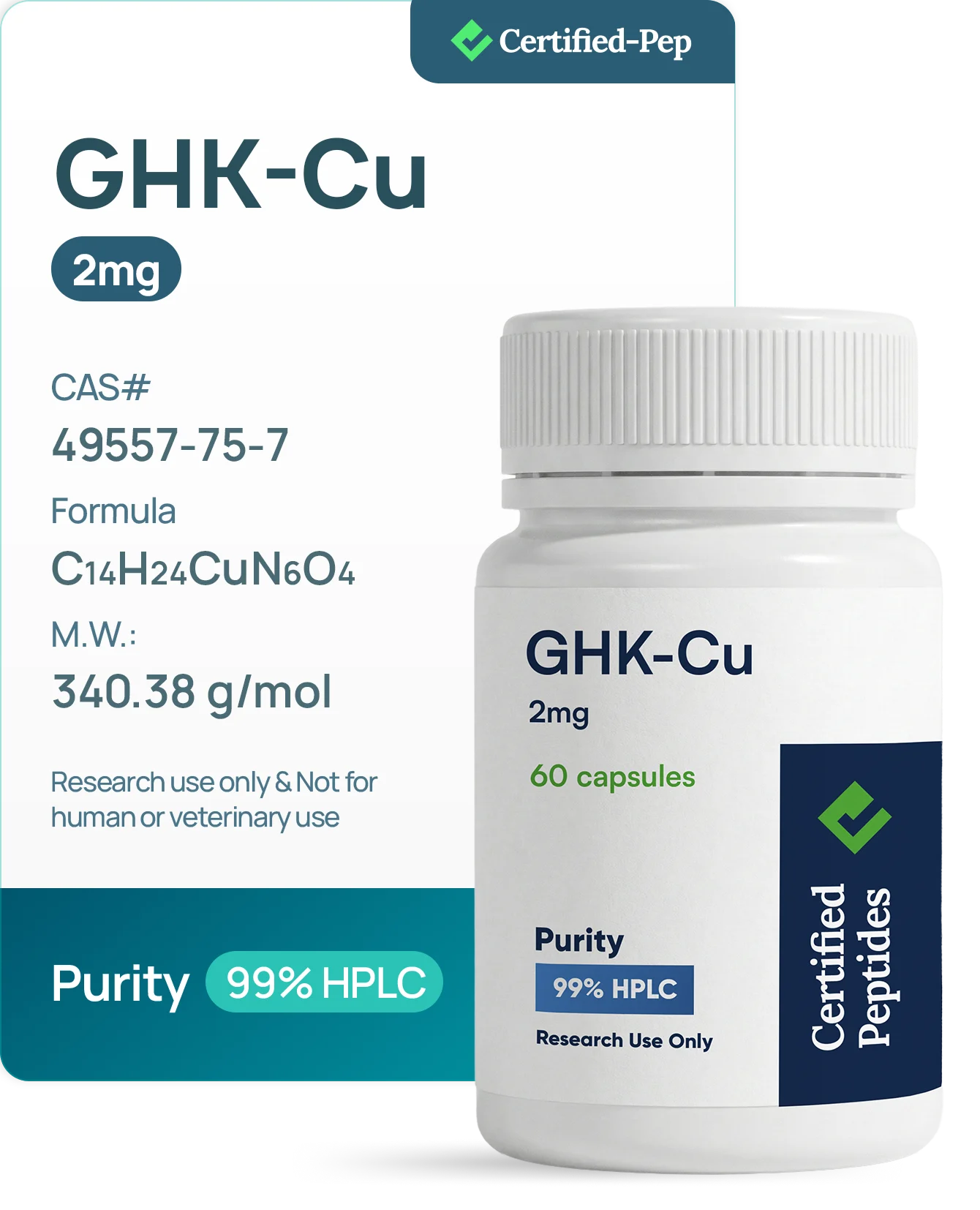
GHK-CU 2MG 60 CAPSULES
USD 198.00 USD 160.00
In stock
Last synced: 2026-11-01 10:07
Add to retailer cart ↗View product details