
What an 84-Gene qPCR Panel Reveals About Selank and Neurotransmission: Evidence and Limitations
A detailed review of what an 84-gene qPCR panel in IMR-32 neuroblastoma cells reveals about Selank’s hypothesized effects on GABAergic neurotransmission, based on published research. The findings clarify Selank’s lack of direct gene expression impact in this model, its interactions with GABA and olanzapine, and the methodological and interpretive limitations of such in vitro studies.
Direct Answer: Insights from an 84-Gene qPCR Panel on Selank and Neurotransmission
A published study using an 84-gene quantitative PCR (qPCR) panel in human IMR-32 neuroblastoma cells found that Selank, a synthetic peptide, did not directly alter the mRNA levels of genes involved in GABAergic neurotransmission. However, Selank modulated the effects of other compounds: it suppressed GABA-induced gene expression changes and enhanced olanzapine-induced changes. These results suggest that Selank may influence GABAergic signaling indirectly, possibly through allosteric modulation of GABA_A receptors, but not by directly regulating gene transcription in this cell model. The findings are limited to in vitro conditions and do not establish clinical efficacy or safety Source 1.
Introduction: The Rationale for Gene Expression Profiling in Selank Research
Selank is a synthetic heptapeptide developed as an analog of the immunomodulatory peptide tuftsin. It has been studied for its potential neuropsychotropic and anxiolytic effects, with some clinical and preclinical evidence suggesting similarities to benzodiazepines, which modulate GABA_A receptors. To investigate Selank’s molecular mechanisms, researchers have employed gene expression profiling, particularly focusing on genes involved in neurotransmission. Quantitative PCR (qPCR) panels targeting dozens of neurotransmission-related genes offer a systematic approach to detect transcriptional changes that might underlie or reflect peptide action Source 1.
The use of an 84-gene qPCR panel allows for the simultaneous assessment of a broad array of genes implicated in GABAergic signaling, synaptic function, and related pathways. This approach is particularly useful in cell models expressing functional GABA_A receptors, such as the IMR-32 neuroblastoma line, to test hypotheses about direct or indirect modulation of neurotransmitter systems by candidate compounds like Selank.
Experimental Design: IMR-32 Cell Model and qPCR Panel Methodology
The cited study utilized the IMR-32 human neuroblastoma cell line, chosen for its expression of functional GABA_A receptors. Researchers treated these cells with Selank, GABA (the primary GABA_A receptor ligand), olanzapine (an atypical antipsychotic with serotonergic and GABAergic effects), and combinations thereof. After a 1-hour incubation, total RNA was extracted, and cDNA was synthesized for qPCR analysis using a custom 84-gene panel focused on neurotransmission-related genes.
Gene expression changes were considered significant if mRNA levels changed by at least 1.5-fold with a p-value ≤ 0.05. The panel included genes encoding GABA receptor subunits, neurotransmitter transporters, signaling molecules, and other proteins relevant to synaptic function. The study followed MIQE guidelines for qPCR experiments, ensuring technical rigor in RNA quality, normalization, and statistical analysis Source 1.
Key Findings: Selank Alone Does Not Alter Neurotransmission Gene Expression
The primary finding was that Selank, when applied alone to IMR-32 cells, did not induce statistically significant changes in the mRNA levels of any of the 69 analyzable genes from the original 84-gene panel. This lack of effect contrasts with both GABA and olanzapine, which each altered the expression of multiple genes. GABA decreased the expression of 11 genes and increased 3, while olanzapine decreased 21 and increased 4.
This result suggests that, in this specific in vitro context, Selank does not directly regulate the transcription of genes involved in GABAergic neurotransmission or broader synaptic signaling. The authors propose that this may be due to the limited subunit composition of GABA_A receptors in IMR-32 cells, which might not support Selank’s hypothesized direct actions Source 1.
Selank’s Modulatory Effects: Interactions with GABA and Olanzapine
Although Selank alone did not alter gene expression, its combination with GABA or olanzapine produced notable effects:
-
Selank + GABA: The combination nearly completely suppressed the gene expression changes induced by GABA alone. Only one gene, JUNB, showed significant downregulation, compared to 14 genes altered by GABA alone. This suggests that Selank may interfere with or buffer GABA-induced transcriptional responses, possibly by modulating receptor activity or downstream signaling.
-
Selank + Olanzapine: The combination led to changes in a greater number of genes (35 out of 69) than olanzapine alone (25 genes), with more pronounced alterations in mRNA levels. Notably, several genes involved in GABAergic signaling and neurotransmitter transport showed significant regulation. The authors hypothesize that Selank may enhance olanzapine’s effects on gene expression, potentially by altering receptor conformation or signaling cascades Source 1.
These findings support the idea that Selank’s primary molecular action in this model is not direct gene regulation but rather modulation of receptor-mediated signaling, particularly in the presence of other ligands.
Pathway Analysis: Biological Processes Affected by Selank and Olanzapine
Gene set enrichment analysis (GSEA) of the genes altered by the Selank-olanzapine combination revealed significant enrichment in several biological processes:
- Gamma-aminobutyric acid (GABA) signaling pathway
- Transmembrane transport
- Neurotransmitter secretion
- Ion transport
- Signal transduction
These pathways are central to neuronal communication and synaptic plasticity. The most significant enrichment was observed in the GABA signaling pathway, involving multiple GABA_A receptor subunits and related proteins. The analysis also highlighted the potential involvement of brain-derived neurotrophic factor (BDNF) as a central node in the affected network, consistent with previous reports of Selank influencing BDNF expression in animal models Source 1.
However, it is important to note that these pathway-level insights are based on mRNA changes in a cell line and do not directly translate to functional or behavioral outcomes.
Interpretation: Mechanistic Hypotheses and Model Limitations
The study’s results partially support the hypothesis that Selank can modulate GABAergic neurotransmission, but not through direct transcriptional regulation in IMR-32 cells. Instead, Selank appears to influence the cellular response to GABA and olanzapine, possibly by allosteric modulation of GABA_A receptors or by affecting receptor-ligand affinity.
The lack of direct gene expression changes with Selank alone may reflect the specific subunit composition of GABA_A receptors in IMR-32 cells, which differs from that in primary neurons or in vivo brain tissue. The authors caution that the IMR-32 model may not fully recapitulate the complexity of neuronal receptor subtypes or the in vivo environment. Additionally, the observed effects on gene expression in combination treatments may involve indirect signaling pathways or cross-talk between neurotransmitter systems Source 1.
Broader Context: Comparison with Animal and Behavioral Studies
Other research, including animal studies, has reported that Selank can alter gene expression in rodent brain regions and modulate behavioral responses to stress and anxiolytic drugs. For example, in rats, Selank administration affected the expression of neurotransmission-related genes in the frontal cortex and modulated the anxiolytic effects of benzodiazepines Source 2. These findings suggest that Selank’s effects may be context-dependent, varying with cell type, receptor composition, and the presence of other neuromodulators.
However, the direct translation of in vitro gene expression data to in vivo function or clinical outcomes is not straightforward. The IMR-32 cell model provides a controlled system to dissect molecular mechanisms but lacks the full complement of neuronal subtypes, synaptic architecture, and systemic regulation present in the brain.
Evidence Limitations and Unresolved Questions
Several limitations constrain the interpretation of the 84-gene qPCR panel findings:
- Cell Line Model: IMR-32 cells, while expressing GABA_A receptors, do not fully represent mature human neurons or the diversity of receptor subtypes in the brain.
- Short Incubation Time: The 1-hour treatment window may capture only acute transcriptional responses, missing delayed or secondary effects.
- mRNA vs. Protein: Changes (or lack thereof) in mRNA levels do not necessarily reflect protein abundance or functional receptor activity.
- Lack of Functional Readouts: The study did not assess electrophysiological or behavioral endpoints, limiting conclusions about neurotransmission or anxiolytic effects.
- No Direct Human Data: All findings are preclinical and do not establish safety, efficacy, or therapeutic potential in humans.
Further research is needed to clarify Selank’s mechanisms in primary neuronal cultures, brain tissue, and in vivo models, and to determine whether the observed gene expression modulation translates to functional outcomes.
Key Takeaways
- An 84-gene qPCR panel in IMR-32 neuroblastoma cells found no direct effect of Selank alone on neurotransmission-related gene expression.
- Selank modulated the gene expression response to GABA (suppressing changes) and olanzapine (enhancing changes), suggesting indirect or context-dependent effects.
- The findings support hypotheses of allosteric modulation of GABA_A receptors by Selank but do not demonstrate direct transcriptional regulation in this cell model.
- Results are limited to in vitro conditions and should not be extrapolated to clinical efficacy or safety.
- Further studies in more physiologically relevant models are needed to elucidate Selank’s mechanisms and potential applications.
For research and educational purposes only. Not medical advice. Research products are not for human or veterinary use.
Sources
- GABA, Selank, and Olanzapine Affect the Expression of Genes Involved in GABAergic Neurotransmission in IMR-32 Cells - PMC. https://pmc.ncbi.nlm.nih.gov/articles/PMC5328971/
- Peptide Selank Enhances the Effect of Diazepam in Reducing Anxiety in Unpredictable Chronic Mild Stress Conditions in Rats - PMC. https://pmc.ncbi.nlm.nih.gov/articles/PMC5322660/
Continue exploring
TRACE THE EVIDENCE
Sources & further reading
RELATED PRODUCT INFORMATION
From the Certified Pep catalog.
Product references are informational, not a recommendation for human use. Prices and availability must be verified at retailer checkout.
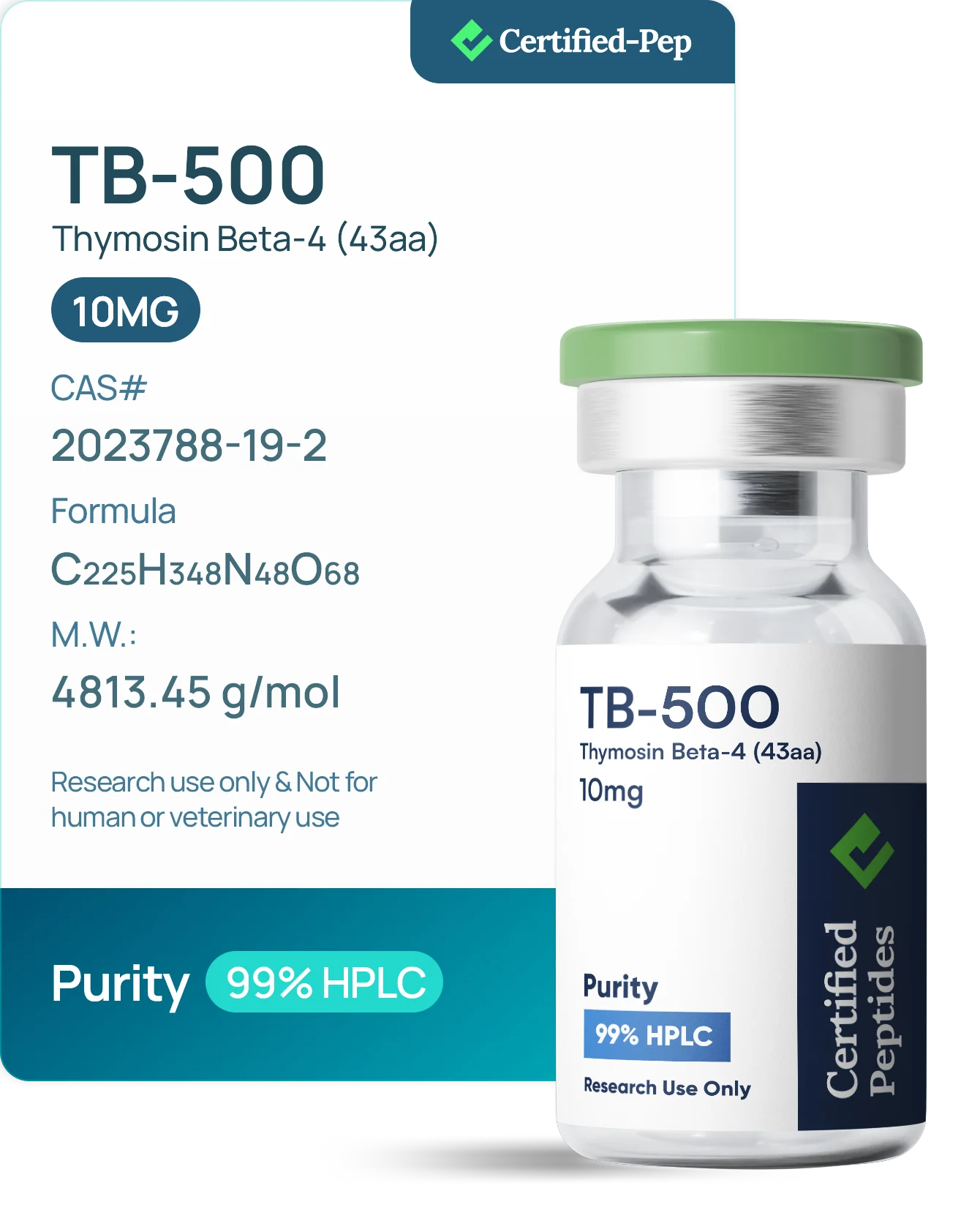
TB-500 10 MG
USD 70.00
In stock
Last synced: 2026-11-01 10:07
Add to retailer cart ↗View product details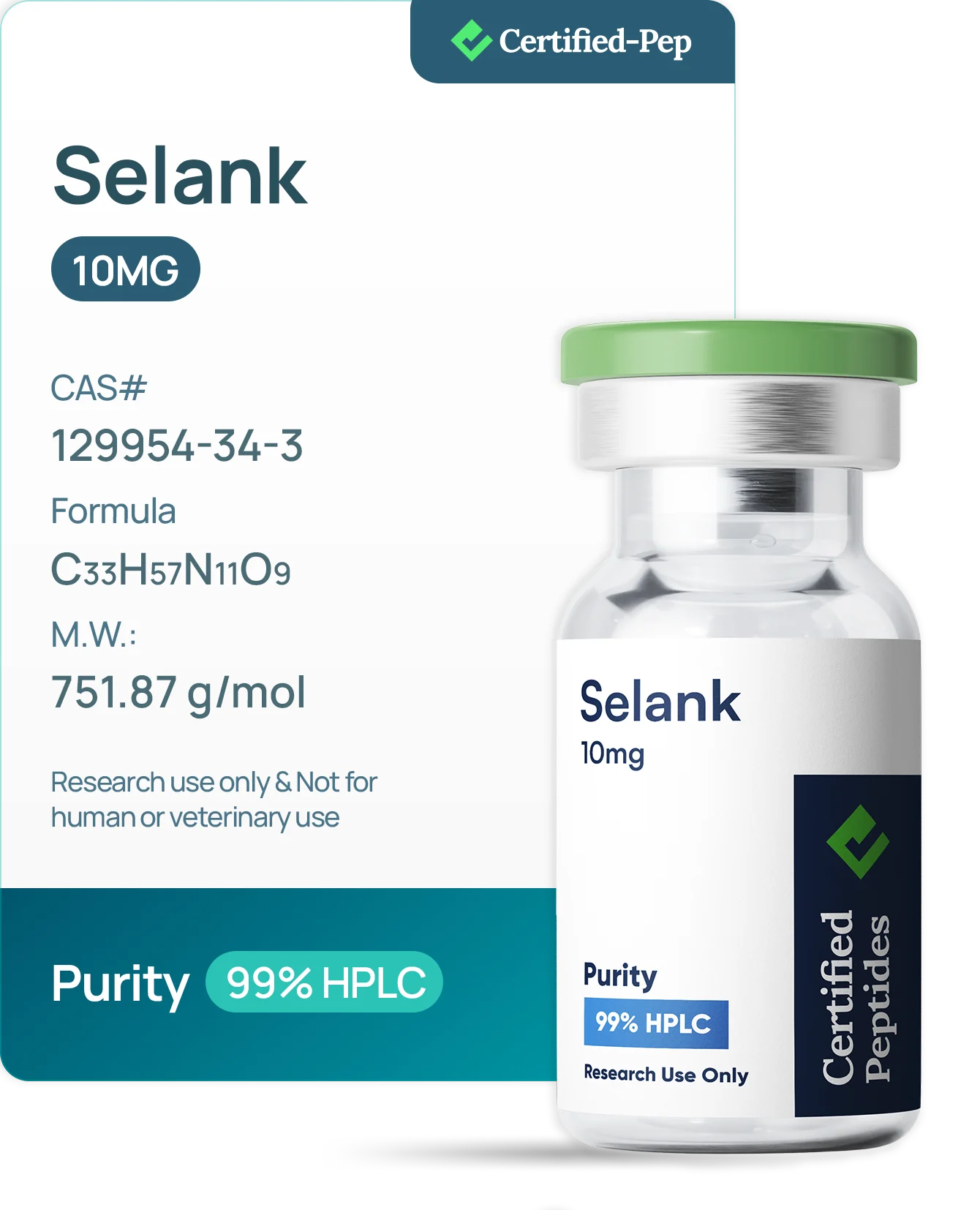
SELANK 10 MG
USD 50.00
In stock
Last synced: 2026-11-01 10:07
Add to retailer cart ↗View product details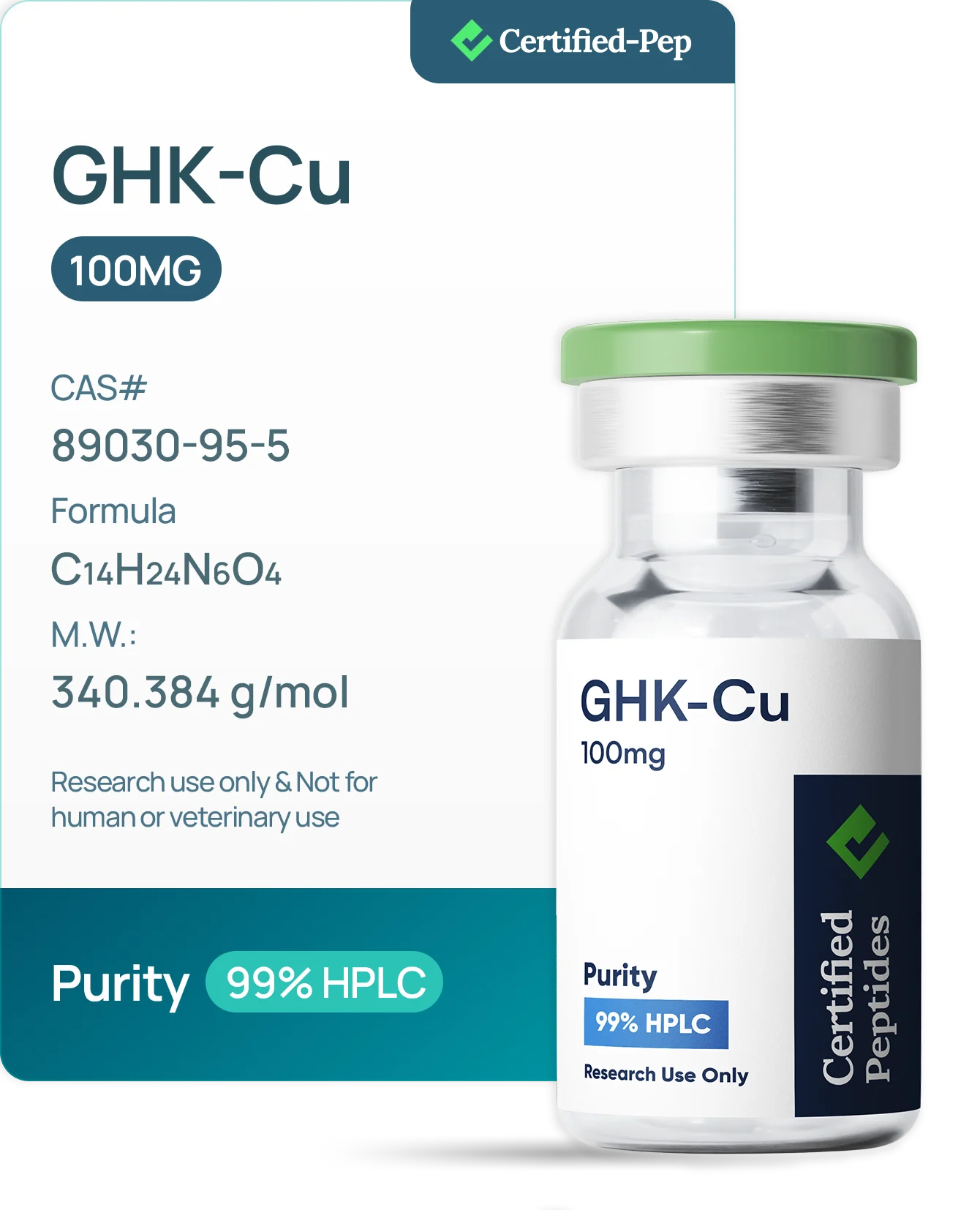
GHKCU 100 MG
USD 59.00
In stock
Last synced: 2026-11-01 10:07
Add to retailer cart ↗View product details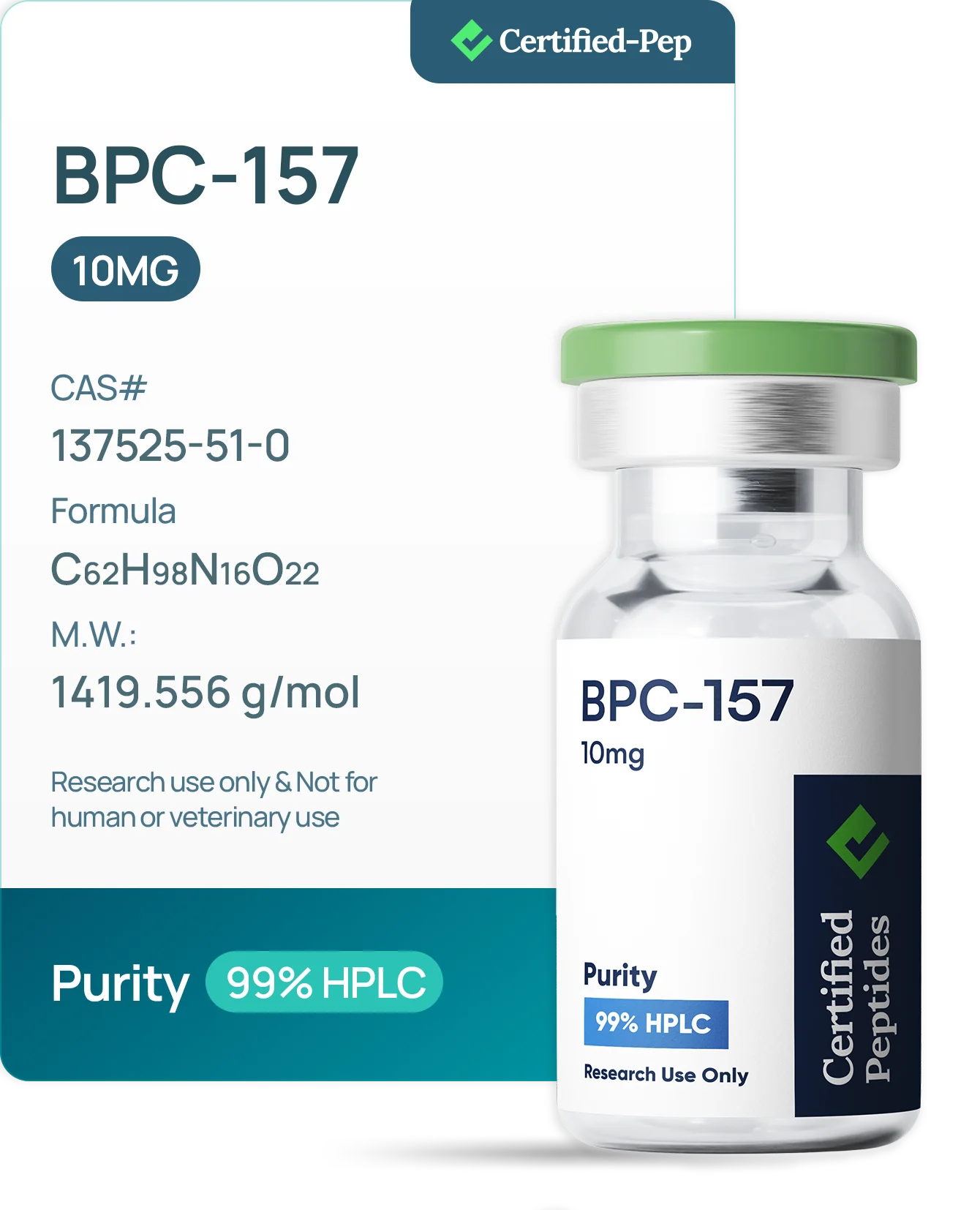
BPC-157 10 MG
USD 60.00
In stock
Last synced: 2026-11-01 10:07
Add to retailer cart ↗View product details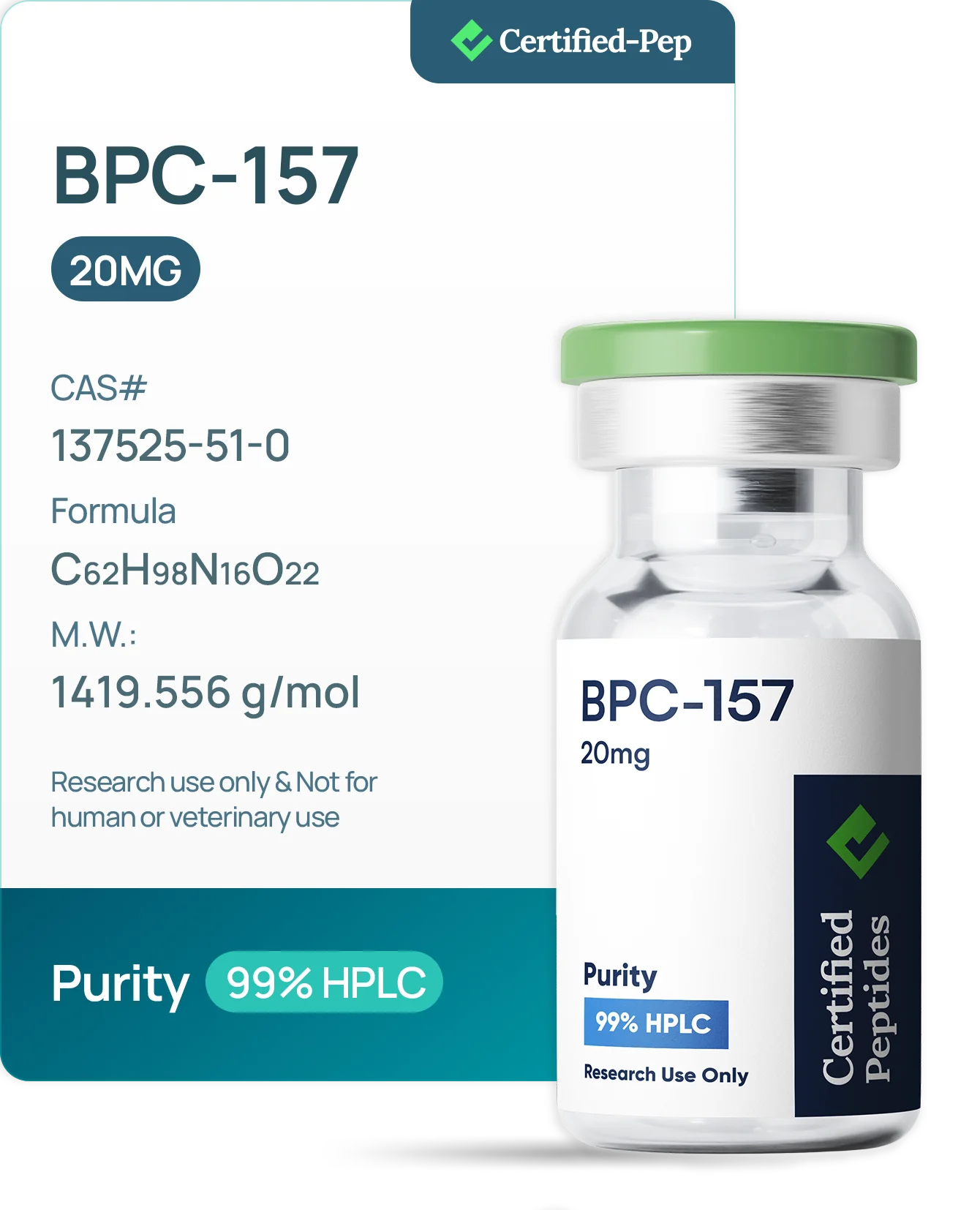
BPC-157 20 MG
USD 90.00
In stock
Last synced: 2026-11-01 10:07
Add to retailer cart ↗View product details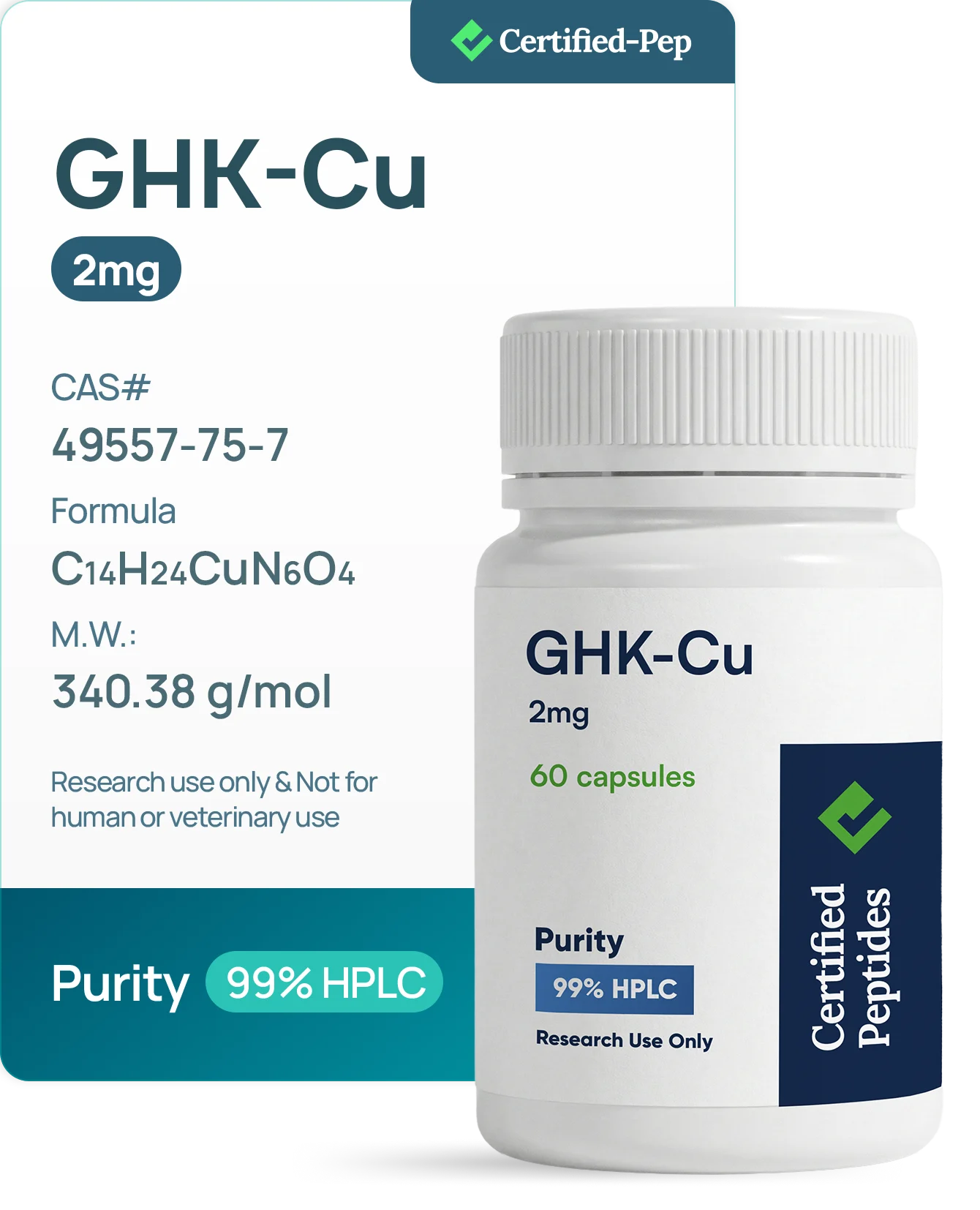
GHK-CU 2MG 60 CAPSULES
USD 198.00 USD 160.00
In stock
Last synced: 2026-11-01 10:07
Add to retailer cart ↗View product details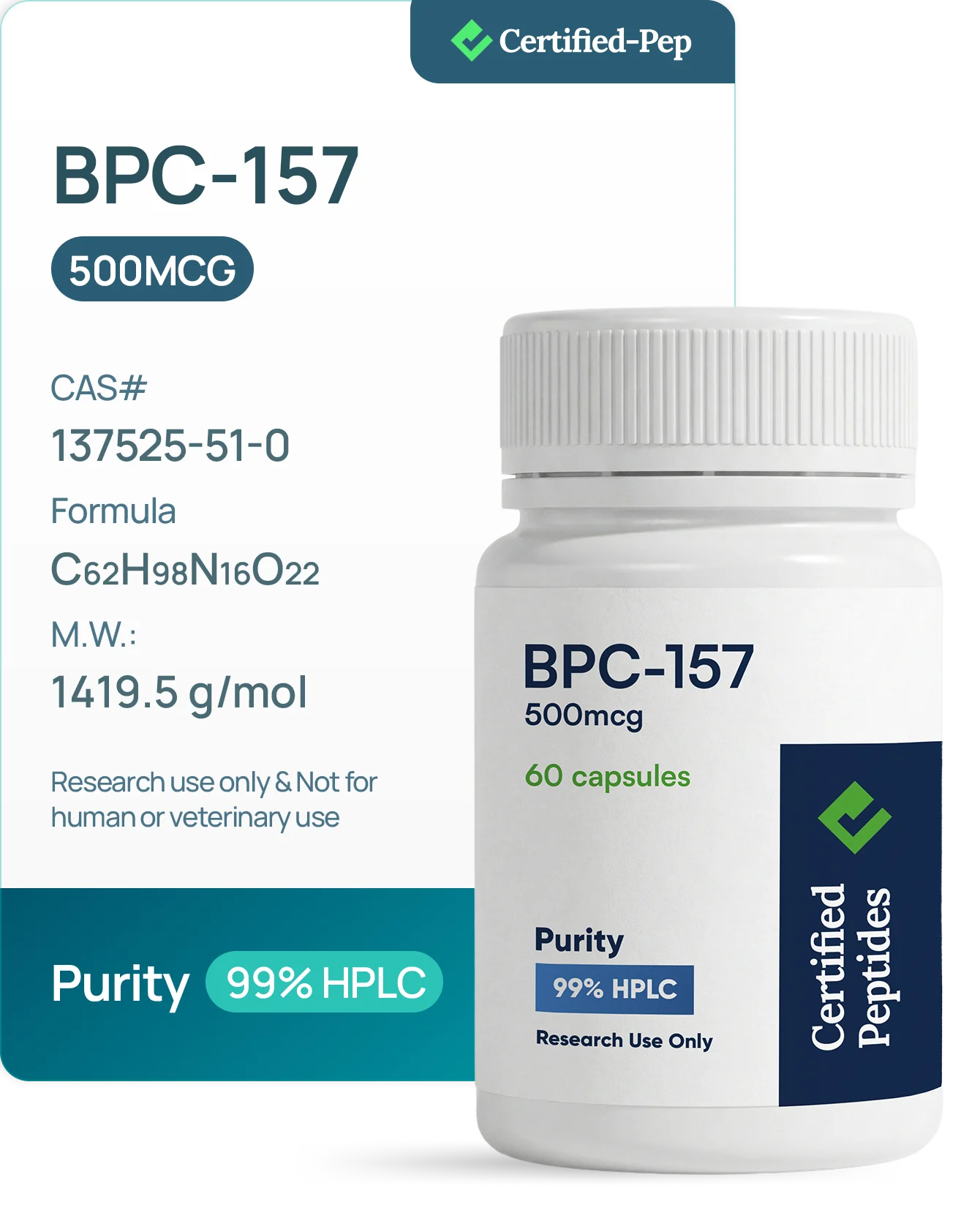
BPC-157 500 mcg 60 CAPSULES
USD 160.00 USD 100.00
In stock
Last synced: 2026-11-01 10:07
Add to retailer cart ↗View product details