
The Role of Authentic Reference Standards in Peptide Mass Spectrometry: A Research-Focused Perspective
Authentic reference standards are essential for reliable peptide mass spectrometry analysis. This article explores their importance, how they underpin method validation, and the limitations of current research, drawing on recent studies in peptide quantification and metabolite identification.

Introduction: Why Reference Standards Matter in Peptide Mass Spectrometry
Peptide mass spectrometry (MS) is a cornerstone analytical technique in peptide research, enabling the identification, quantification, and structural elucidation of peptides and their metabolites in complex biological matrices. However, the reliability and interpretability of MS data depend critically on the use of authentic reference standards—chemically pure, well-characterized samples of the analyte of interest. This article examines the scientific rationale for employing authentic reference standards in peptide MS, reviews recent research applications, and discusses methodological and interpretive limitations, with a focus on evidence from studies involving TB-500 (a synthetic peptide fragment of thymosin β4) and related bioactive peptides.
Defining Authentic Reference Standards in Peptide Research
An authentic reference standard is a sample of a peptide (or its metabolite) with a confirmed chemical identity and purity, typically synthesized or isolated to match the analyte under investigation. In peptide MS, these standards serve as benchmarks for:
- Confirming analyte identity via retention time and mass-to-charge (m/z) ratio
- Calibrating instrument response for quantitative analysis
- Validating extraction and detection methods
Without such standards, researchers face significant uncertainty in distinguishing target peptides from structurally similar compounds or matrix interferences, especially in complex biological samples. The absence of authentic standards can compromise both qualitative and quantitative aspects of peptide analysis, leading to ambiguous or irreproducible results Source 1.
Analytical Method Development: The Centrality of Reference Standards
The development and validation of analytical methods for peptide quantification rely on authentic reference standards at multiple stages. For example, in a recent study on TB-500 and its metabolites, researchers synthesized authentic standards for both the parent peptide and its predicted metabolites to enable simultaneous quantification and structural identification using ultra-high-performance liquid chromatography coupled with high-resolution mass spectrometry (UHPLC-Q-Exactive Orbitrap MS) Source 1. This approach allowed for:
- Accurate assignment of chromatographic peaks to specific peptide species
- Calibration of MS response for each analyte
- Assessment of method specificity, precision, and recovery
The study demonstrated that, without authentic standards, it would have been difficult to confidently identify and quantify TB-500 metabolites in both in vitro and in vivo samples. This highlights the foundational role of reference standards in method development and validation.
Quantitative Accuracy and Specificity: Avoiding False Positives and Negatives
Quantitative MS analysis of peptides in biological matrices is susceptible to interference from endogenous peptides, post-translational modifications, and matrix effects. Authentic reference standards provide a means to:
- Establish the true retention time and fragmentation pattern of the analyte
- Differentiate the target peptide from isobaric or structurally similar species
- Quantify the analyte with traceable accuracy
For instance, in doping control analysis of bioactive peptides in horse plasma, the use of authentic standards for seven target peptides (including N-acetylated LKKTETQ, the active ingredient of TB-500) enabled the researchers to validate their method’s specificity and sensitivity, achieving detection limits below 50 pg/mL Source 2. The study’s validation steps—specificity, precision, and recovery—would not have been possible without authentic standards, as these are required to assess the method’s ability to accurately detect and quantify the analyte in the presence of complex biological backgrounds.
Structural Elucidation and Metabolite Identification
Peptide metabolism often generates a range of structurally related metabolites, some of which may differ by only a single amino acid or modification. Authentic reference standards are indispensable for:
- Confirming the identity of metabolites via direct comparison of MS/MS spectra and retention times
- Distinguishing between positional isomers or closely related degradation products
- Enabling retrospective data analysis for untargeted metabolite discovery
In the TB-500 metabolism study, the researchers used synthesized standards for predicted metabolites to identify Ac-LK as the primary metabolite and Ac-LKK as a long-term metabolite in rat urine samples Source 1. This precise identification would not have been possible using database searches or theoretical spectra alone, underscoring the necessity of authentic standards for confident metabolite assignment.
Method Validation: Precision, Recovery, and Reproducibility
Regulatory and research standards for analytical method validation require demonstration of precision (repeatability), accuracy (trueness), and recovery (efficiency of extraction and detection). Authentic reference standards are used to:
- Spike known quantities of analyte into biological matrices for recovery studies
- Assess intra- and inter-assay variability
- Establish calibration curves for quantitative analysis
The equine doping control study validated their LC-MS method using authentic standards for each peptide, enabling robust assessment of method performance metrics Source 2. Without these standards, it would be impossible to distinguish true analytical variability from matrix effects or instrument drift, limiting the reliability of quantitative findings.
Retrospective Analysis and Expanding Analytical Scope
High-resolution MS platforms allow for retrospective data analysis, where previously acquired full-scan data can be re-examined for additional peptides or metabolites not initially targeted. Authentic reference standards facilitate this process by:
- Providing reference spectra for new analytes of interest
- Enabling post hoc validation of putative identifications
The cited equine study noted that their method, validated with authentic standards, could be readily adapted to detect additional bioactive peptides by incorporating new standards as they become available Source 2. This flexibility is crucial for evolving research and regulatory needs, particularly in fields such as anti-doping and pharmacokinetics.
Practical Checklist for Interpreting Peptide MS Studies
When evaluating peptide MS research, consider the following:
- Were authentic reference standards used for all analytes and metabolites?
- Is the identity of each analyte confirmed by both retention time and MS/MS spectra matching the standard?
- Are calibration curves and recovery studies reported, and do they use authentic standards?
- Is method specificity demonstrated in the presence of complex biological matrices?
- Are the limitations of the standards (e.g., purity, stability) discussed?
If any of these elements are missing, interpret the reported findings with caution, as the absence of authentic standards can introduce significant uncertainty.
Evidence Limitations and Research Gaps
While the cited studies underscore the critical role of authentic reference standards, several limitations should be noted:
- Scope of Standards: Not all metabolites or degradation products may be available as authentic standards, limiting the comprehensiveness of metabolite profiling.
- Purity and Stability: The quality of the standard itself (purity, stability, and accurate quantification) can affect analytical results. These parameters are not always fully reported in the literature.
- Biological Relevance: The use of authentic standards enables precise measurement but does not by itself establish biological activity or clinical relevance. For example, while Ac-LKKTE was identified as a metabolite with wound-healing activity in vitro, this does not imply efficacy or safety in humans or animals Source 1.
- Generalizability: Findings from specific peptides or biological matrices may not generalize to other systems without further validation.
- Access and Cost: The synthesis or procurement of authentic standards can be resource-intensive, potentially limiting their use in some research settings.
Key Takeaways and Future Directions
Authentic reference standards are foundational to the reliability, specificity, and quantitative accuracy of peptide mass spectrometry research. Their use enables:
- Confident identification and quantification of peptides and metabolites
- Robust method validation and reproducibility
- Expansion of analytical scope through retrospective data analysis
However, limitations in standard availability, quality, and reporting practices highlight the need for continued methodological rigor and transparency. Researchers and readers should critically assess the use and documentation of authentic standards when interpreting peptide MS studies. As analytical technologies and synthetic capabilities advance, broader access to high-quality reference standards will further enhance the reliability and impact of peptide research.
For research and educational purposes only. Not medical advice. Research products are not for human or veterinary use.
Sources
- Simultaneous quantification of TB-500 and its metabolites in in-vitro experiments and rats by UHPLC-Q-Exactive orbitrap MS/MS and their screening by wound healing activities in-vitro. https://pubmed.ncbi.nlm.nih.gov/38382158/
- Doping control analysis of seven bioactive peptides in horse plasma by liquid chromatography-mass spectrometry. https://pubmed.ncbi.nlm.nih.gov/23318763/
Continue exploring
TRACE THE EVIDENCE
Sources & further reading
RELATED PRODUCT INFORMATION
From the Certified Pep catalog.
Product references are informational, not a recommendation for human use. Prices and availability must be verified at retailer checkout.
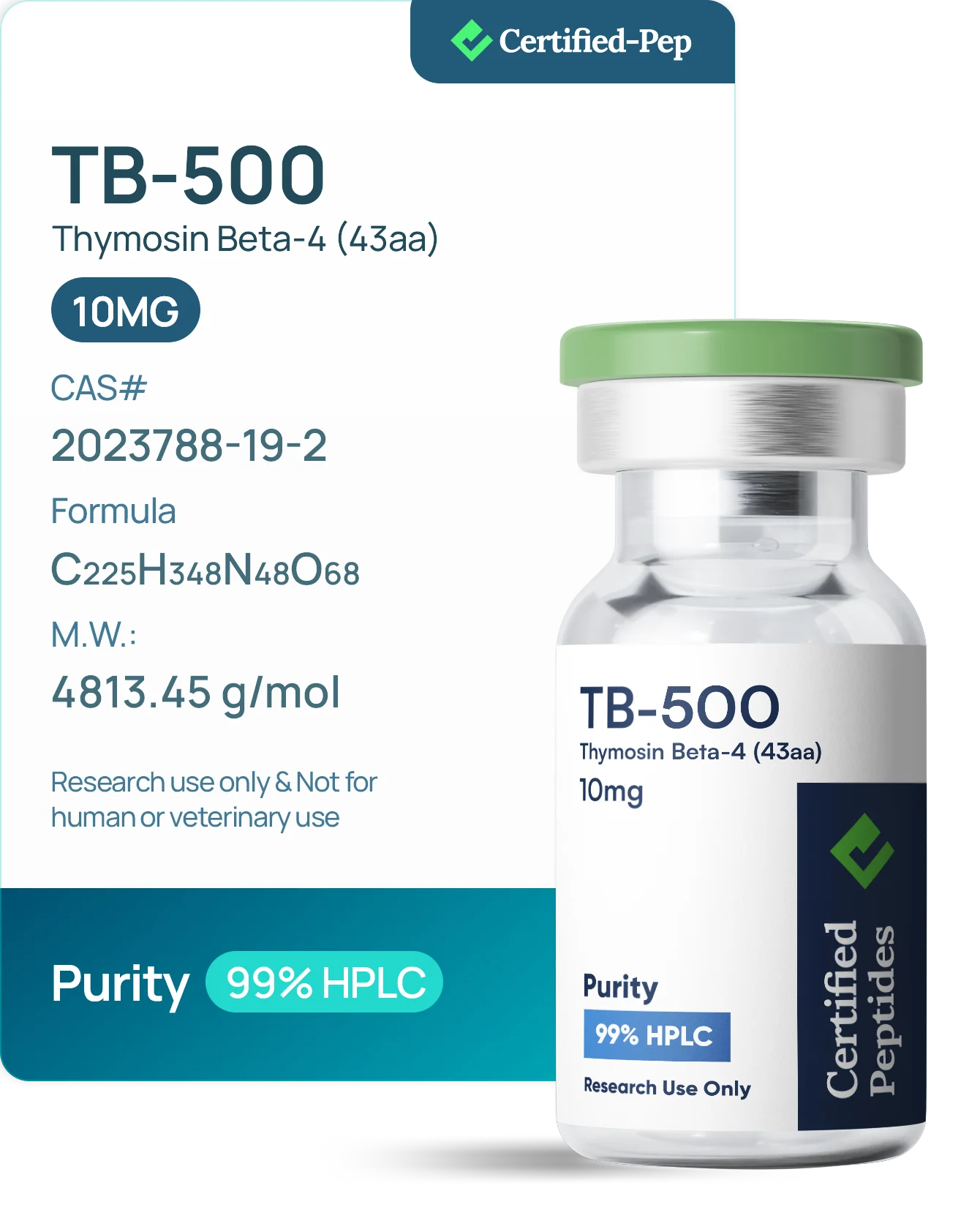
TB-500 10 MG
USD 70.00
In stock
Last synced: 2026-11-16 10:13
Add to retailer cart ↗View product details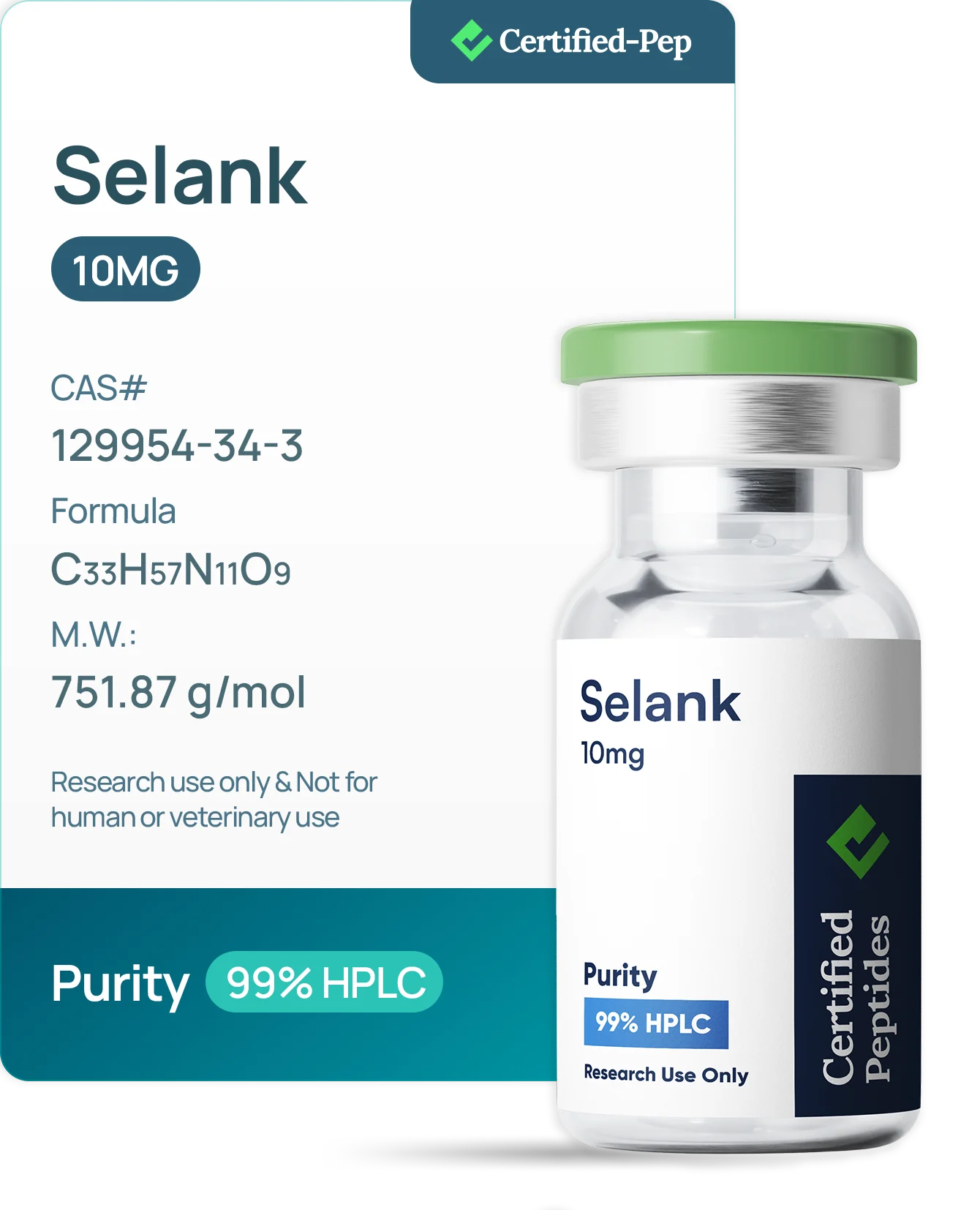
SELANK 10 MG
USD 50.00
In stock
Last synced: 2026-11-16 10:13
Add to retailer cart ↗View product details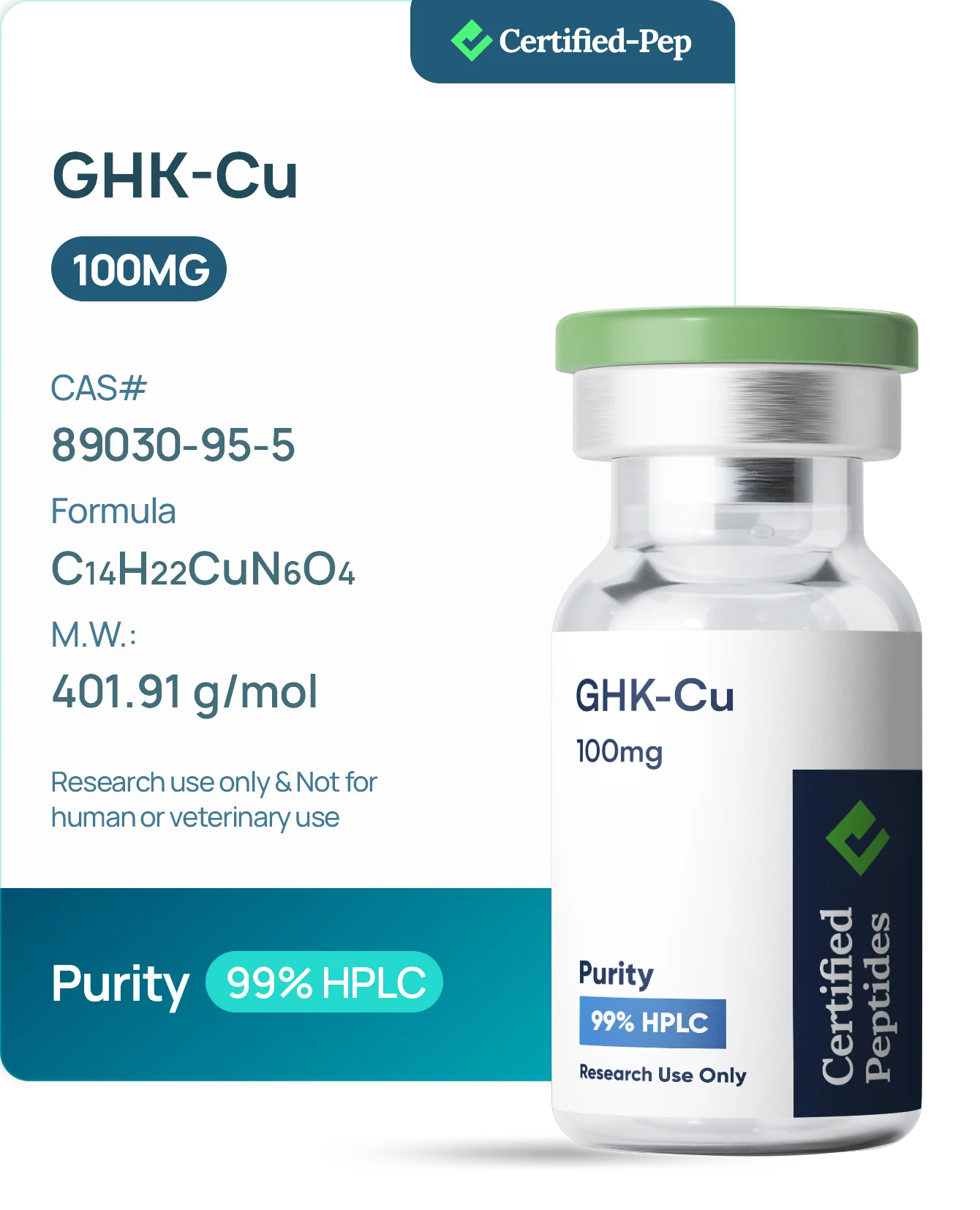
GHKCU 100 MG
USD 59.00
In stock
Last synced: 2026-11-16 10:13
Add to retailer cart ↗View product details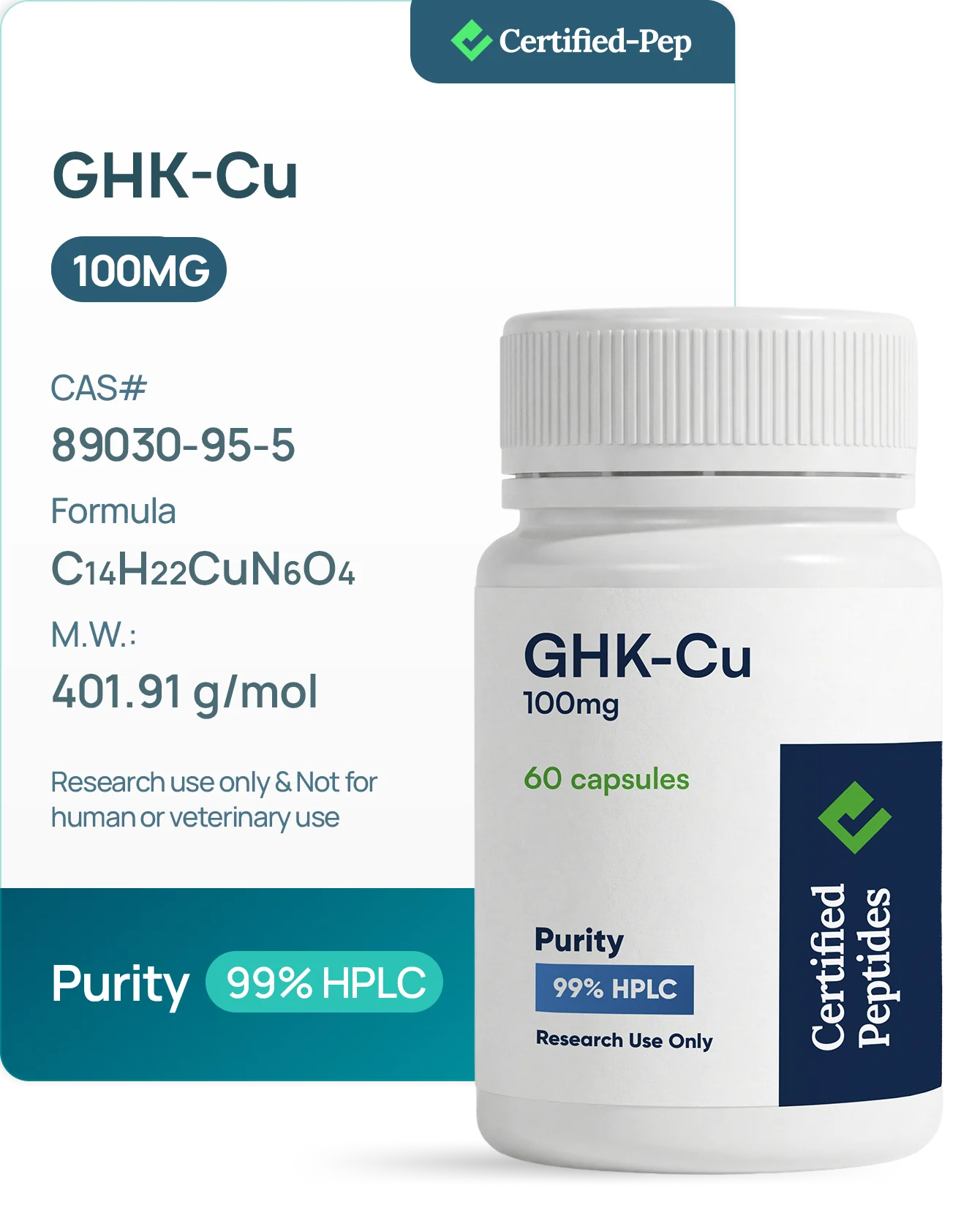
GHK-CU 2MG 60 CAPSULES
USD 198.00 USD 160.00
In stock
Last synced: 2026-11-16 10:13
Add to retailer cart ↗View product details