
Interpreting MTT Viability Signals in Semax-Exposed SH-SY5Y Cells: Evidence and Limitations
This article examines what an MTT viability assay can establish in SH-SY5Y neuroblastoma cells exposed to the peptide Semax, focusing on recent in vitro research. It explains the assay's principles, the context of Semax's effects on copper-induced oxidative stress, and the boundaries of interpretation for cell viability signals.

Introduction: Understanding the MTT Assay in Peptide Research
The MTT assay is a widely used colorimetric method for assessing cell metabolic activity, often interpreted as a proxy for cell viability in in vitro studies. In the context of peptide research, particularly with neuroactive peptides such as Semax (Met-Glu-His-Phe-Pro-Gly-Pro), the MTT assay provides a quantitative measure of how experimental treatments affect the metabolic competence of cultured cells. This article focuses on what an MTT viability signal can establish in SH-SY5Y neuroblastoma cells exposed to Semax, drawing exclusively on reported findings from a recent in vitro study investigating Semax's effects on copper-induced oxidative stress and amyloid-β (Aβ) cytotoxicity Source 1.
The MTT Assay: Principles and Interpretation
The MTT assay relies on the reduction of the yellow tetrazolium salt MTT (3-(4,5-dimethylthiazol-2-yl)-2,5-diphenyltetrazolium bromide) to purple formazan crystals by mitochondrial reductases in living cells. The amount of formazan produced, measured spectrophotometrically, is proportional to the number of metabolically active cells. Thus, a higher MTT signal generally reflects greater cell viability or metabolic activity, while a lower signal suggests cytotoxicity or metabolic impairment.
However, it is crucial to recognize that the MTT assay does not directly measure cell death or survival. Instead, it assesses the capacity of cells to reduce MTT, which can be influenced by factors affecting mitochondrial function, cellular metabolism, or redox state. In peptide research, especially when studying agents that modulate oxidative stress or mitochondrial activity, these nuances must be carefully considered when interpreting results.
Semax: Background and Rationale for SH-SY5Y Cell Studies
Semax is a synthetic peptide derived from the adrenocorticotropic hormone (ACTH) fragment ACTH(4–10), modified for increased stability and neurotrophic activity. It has been studied for its potential neuroprotective properties, particularly in models of oxidative stress and neurodegeneration. SH-SY5Y cells, a human neuroblastoma line, are commonly used as an in vitro neuronal model to investigate mechanisms of neurotoxicity and neuroprotection.
The cited study examined whether Semax could mitigate the cytotoxic effects of copper (Cu(II))-catalyzed oxidative stress and Aβ peptide exposure in SH-SY5Y cells, using the MTT assay as a primary endpoint for cell viability Source 1.
Experimental Context: Semax, Copper, Ascorbate, and Amyloid-β
The experimental design involved exposing SH-SY5Y cells to combinations of Cu(II), ascorbate (vitamin C), and Aβ peptide, with or without Semax. The rationale stems from the hypothesis that Cu(II)-Aβ complexes catalyze the production of reactive oxygen species (ROS) via redox cycling, contributing to oxidative stress and cytotoxicity—a process relevant to neurodegenerative disease models.
The study specifically measured: - ROS production using dichlorofluorescein diacetate (H2DCFDA) staining and flow cytometry - Cell viability using the MTT assay after 24 hours of exposure to the various treatments
This approach allows for the assessment of whether Semax can reduce ROS generation and preserve cell metabolic activity under conditions that mimic aspects of neurodegenerative stress.
Key Findings: MTT Viability Signals in Semax-Exposed SH-SY5Y Cells
Baseline and Controls
- SH-SY5Y cells exposed to Aβ monomer alone showed viability similar to untreated controls, consistent with literature indicating that Aβ monomer is not inherently cytotoxic in this model.
- Exposure to Cu(II) + ascorbate or Cu(II) + ascorbate + Aβ significantly reduced cell viability, as measured by the MTT assay, to 59% and 63% of control levels, respectively.
- Positive control with hydrogen peroxide (H2O2) confirmed the assay's sensitivity to ROS-induced cytotoxicity.
Effect of Semax
- Addition of Semax to the Cu(II) + ascorbate or Cu(II) + ascorbate + Aβ treatments significantly increased cell viability, restoring it to 83% and 82% of control levels, respectively.
- These results were statistically significant and consistent across independent experiments.
Interpretation
The MTT viability signal in this context establishes that Semax exposure is associated with higher metabolic activity in SH-SY5Y cells challenged with copper-induced oxidative stress, compared to cells not receiving Semax. This suggests a cytoprotective effect of Semax under these specific in vitro conditions Source 1.
Mechanistic Insights: Linking MTT Signals to ROS Modulation
The study provides mechanistic evidence that the observed preservation of MTT signal (i.e., cell viability) is linked to Semax's ability to chelate Cu(II) ions, thereby inhibiting copper-catalyzed ROS production. Supporting findings include: - Semax forms a highly stable complex with Cu(II), preventing its participation in redox cycling and ROS generation. - In both cell-free and cellular assays, Semax reduced the formation of hydroxyl radicals and other ROS, as measured by fluorescence assays and flow cytometry. - The reduction in ROS correlated with improved MTT viability signals, suggesting that Semax's cytoprotective effect is mediated by its redox-silencing activity.
However, the study also notes that complete inhibition of ROS was not always achieved, likely due to kinetic factors and the presence of other copper-binding ligands in the system. This highlights the complexity of redox biology in cellular models.
Practical Checklist: Interpreting MTT Results in Peptide Research
When reading MTT assay results in the context of peptide exposure, consider the following: - Assay specificity: MTT reduction reflects metabolic activity, not direct cell counting or death. - Experimental controls: Ensure appropriate negative (untreated) and positive (known cytotoxin) controls are included. - Treatment context: Distinguish between effects on cell metabolism versus direct cytotoxicity. - Mechanistic linkage: Look for supporting evidence (e.g., ROS assays, metal chelation studies) that connects observed viability changes to specific biochemical mechanisms. - Replicability and statistics: Confirm that findings are statistically robust and reproducible.
Reader Questions: What Can and Can't Be Concluded?
Q: Does a higher MTT signal mean Semax is safe or effective for humans?
A: No. The MTT assay in SH-SY5Y cells provides evidence only for metabolic activity in a specific in vitro model. It does not establish safety, efficacy, or therapeutic potential in humans or animals.
Q: Can MTT results distinguish between different types of cell death?
A: No. The assay cannot differentiate between apoptosis, necrosis, or other forms of cell death, nor can it detect sublethal metabolic changes that may not result in immediate cell death.
Q: Are these findings generalizable to other cell types or in vivo systems?
A: Not without further evidence. Results in SH-SY5Y cells may not translate to primary neurons, other cell lines, or whole organisms.
Evidence Limitations and Uncertainties
The cited study provides robust in vitro evidence for Semax's ability to reduce copper-induced oxidative stress and preserve SH-SY5Y cell metabolic activity, as measured by the MTT assay. However, several limitations must be acknowledged: - Model specificity: SH-SY5Y cells are a neuroblastoma line and may not fully recapitulate the biology of primary neurons or brain tissue. - Assay limitations: The MTT assay is an indirect measure of viability and can be influenced by factors unrelated to cell death, such as changes in mitochondrial function or redox state. - Experimental conditions: The concentrations of copper, ascorbate, Aβ, and Semax used may not reflect physiological or pathological conditions in vivo. - Lack of in vivo validation: No animal or human studies are cited to corroborate the in vitro findings. - No assessment of long-term effects: The study focuses on acute (24-hour) responses; chronic effects are not addressed.
Key Takeaways for Research Interpretation
- An MTT viability signal in Semax-exposed SH-SY5Y cells establishes that Semax can preserve metabolic activity under copper-induced oxidative stress in vitro.
- The effect is mechanistically linked to Semax's copper-chelating and redox-silencing properties, which reduce ROS production.
- These findings are limited to a specific in vitro model and do not imply safety, efficacy, or therapeutic benefit in humans or animals.
- MTT assay results should be interpreted in conjunction with other biochemical and mechanistic data, and with full awareness of the assay's limitations.
- Further research, including in vivo studies and alternative viability assays, is needed to clarify the broader implications of these findings.
For research and educational purposes only. Not medical advice. Research products are not for human or veterinary use.
Sources
- Semax, a Copper Chelator Peptide, Decreases the Cu(II)-Catalyzed ROS Production and Cytotoxicity of aβ by Metal Ion Stripping and Redox Silencing. https://pmc.ncbi.nlm.nih.gov/articles/PMC12151629/
Continue exploring
TRACE THE EVIDENCE
Sources & further reading
RELATED PRODUCT INFORMATION
From the Certified Pep catalog.
Product references are informational, not a recommendation for human use. Prices and availability must be verified at retailer checkout.
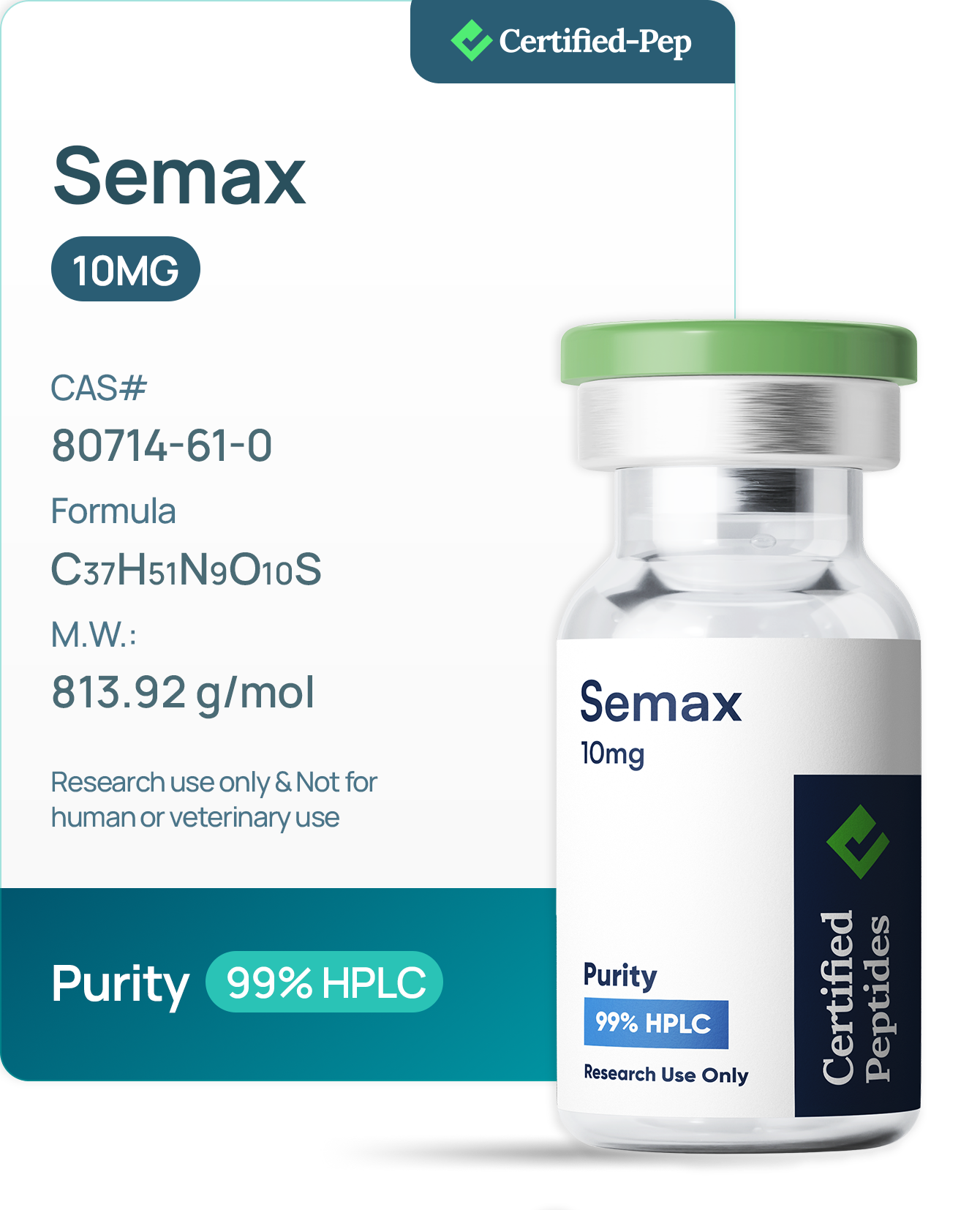
SEMAX 10MG
USD 54.00
In stock
Last synced: 2026-11-16 10:13
Add to retailer cart ↗View product details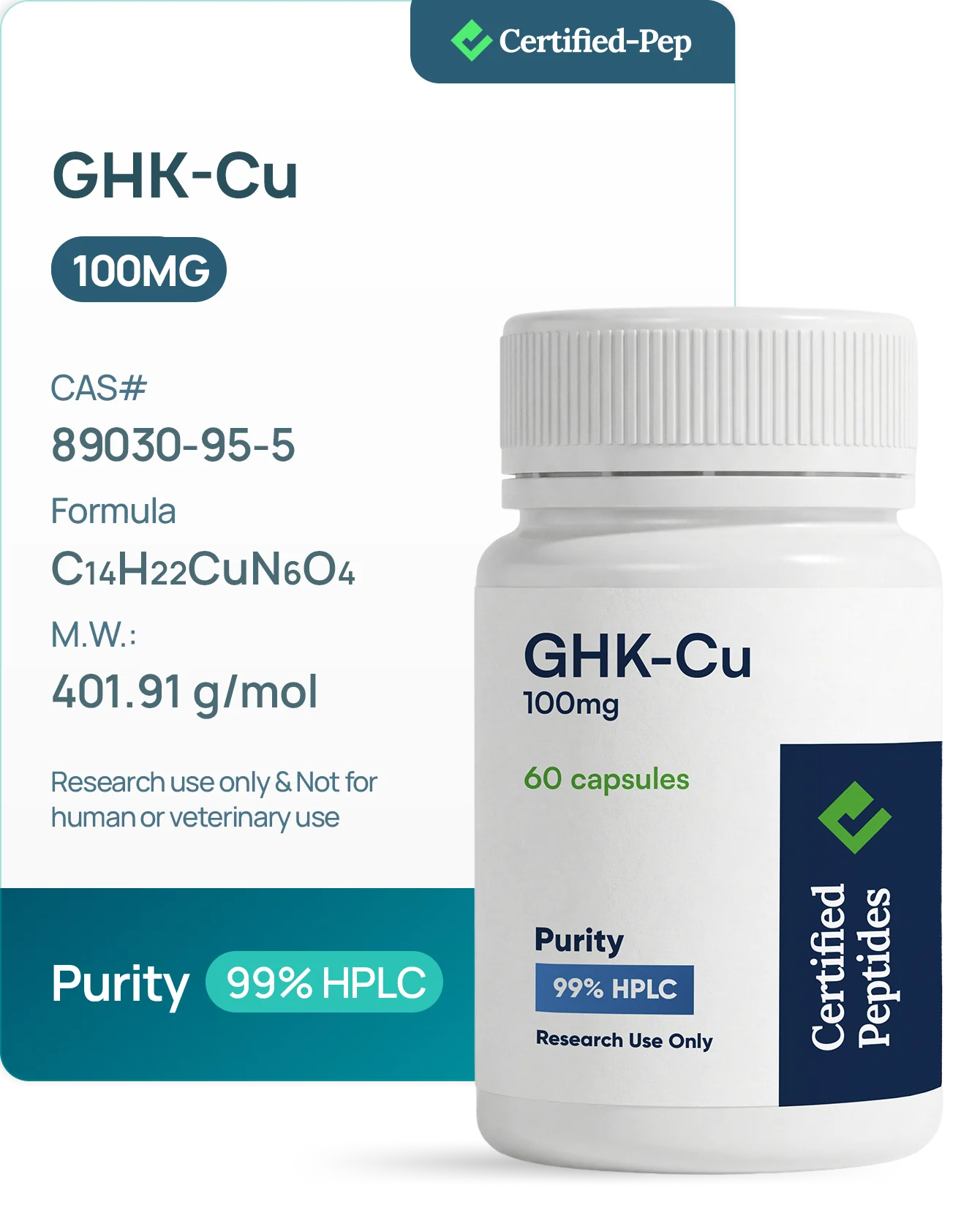
GHK-CU 2MG 60 CAPSULES
USD 198.00 USD 160.00
In stock
Last synced: 2026-11-16 10:13
Add to retailer cart ↗View product details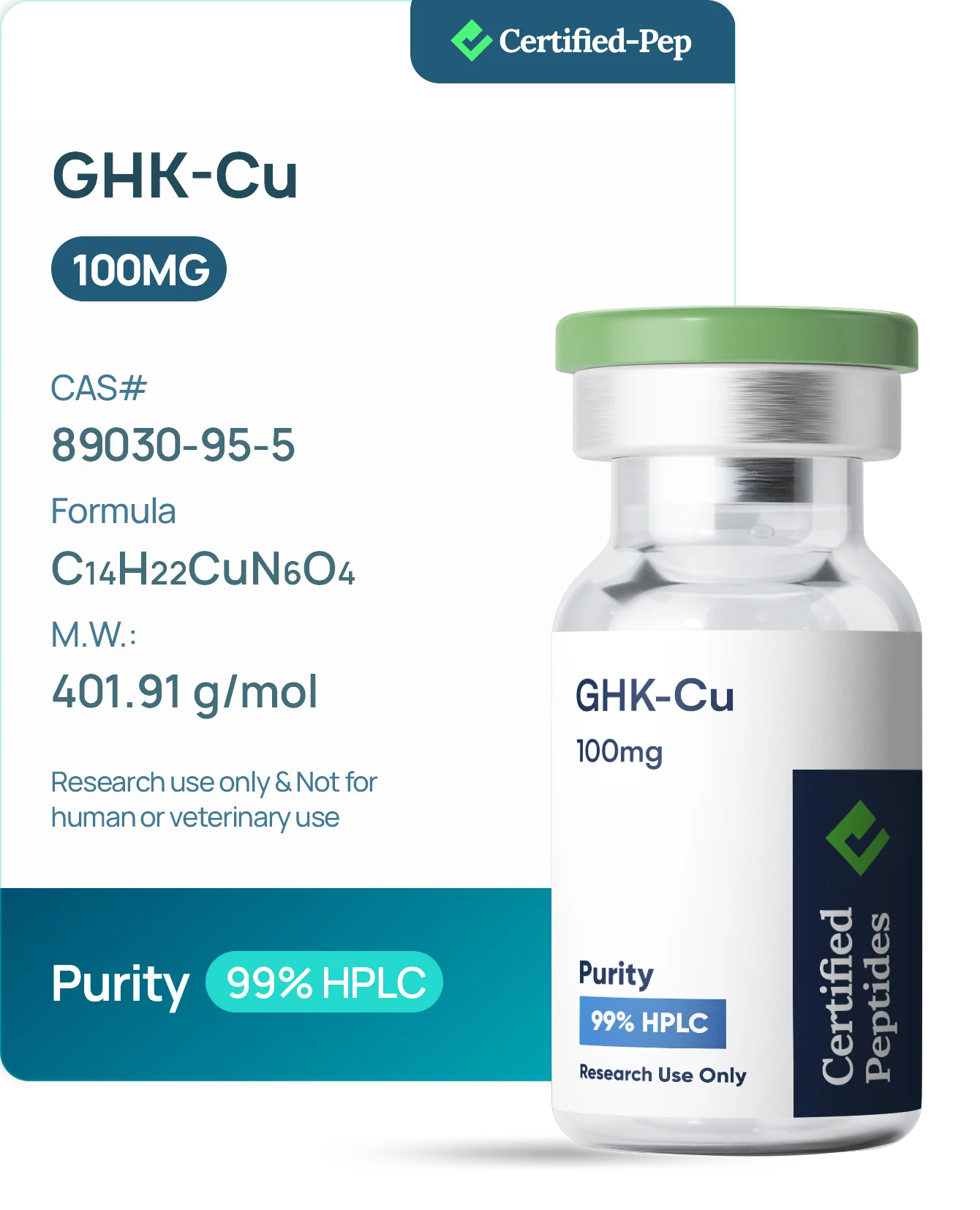
GHKCU 100 MG
USD 59.00
In stock
Last synced: 2026-11-16 10:13
Add to retailer cart ↗View product details