
Why Copper Chemistry in Test Tubes Differs from Living Systems: Evidence-Based Insights
Copper’s chemical behavior in vitro can diverge markedly from its roles in biological systems. This article examines the mechanistic, environmental, and molecular factors underlying these differences, drawing on peptide-copper research. Evidence from cell, animal, and biochemical studies is discussed, with explicit limitations and gaps highlighted.

Copper is a transition metal with essential biological roles, but its chemical behavior in a test tube (in vitro) often diverges significantly from its actions in living systems (in vivo). This article explores the mechanistic, environmental, and molecular reasons for these differences, focusing on peptide-copper interactions and their implications for research. Evidence from cell, animal, and biochemical studies is discussed, with explicit attention to limitations and the boundaries of current knowledge.
Direct Answer: Why Does Copper Chemistry Differ In Vitro vs. In Vivo?
Copper chemistry in a test tube differs from that in living systems due to the complex, dynamic, and compartmentalized environment of biological systems. Factors such as the presence of specific copper-binding proteins and peptides, cellular compartmentalization, redox cycling, competing ligands, and tightly regulated homeostasis all influence copper’s reactivity and biological effects. In vitro systems lack many of these controls, leading to differences in copper speciation, redox activity, and downstream effects. Evidence from peptide-copper research, including studies on GHK (glycyl-L-histidyl-L-lysine) and Semax, demonstrates that copper’s biological actions are context-dependent and cannot be fully replicated in simplified chemical systems Source 1 Source 2.
| Factor | In Vitro (Test Tube) | In Vivo (Living System) |
|---|---|---|
| Copper Speciation | Simple ions/complexes | Protein/peptide-bound forms |
| Redox Cycling | Unregulated, rapid | Tightly controlled, compartmental |
| Ligand Environment | Limited, defined | Diverse, dynamic, competitive |
| Antioxidant Defenses | Absent or minimal | Robust, multi-layered |
| Biological Transport | Absent | Specialized chaperones, transporters |
| Homeostatic Regulation | None | Stringent, multi-level |
| Cellular Compartmentalization | Absent | Present (organelles, membranes) |
1. Copper Speciation: Simple vs. Complex Biological Forms
In vitro, copper is typically present as simple salts (e.g., CuSO₄) or as defined complexes with synthetic ligands. In contrast, in vivo copper is rarely found as a free ion. Instead, it is tightly bound to proteins (such as ceruloplasmin, superoxide dismutase, and metallothioneins) or small peptides (e.g., GHK, Semax) Source 1 Source 2. This binding alters copper’s redox potential, reactivity, and availability for catalyzing chemical reactions. For example, GHK and Semax both form highly stable complexes with copper(II), which can modulate copper’s redox activity and biological effects. The presence of such ligands in vivo means that copper’s chemical behavior is fundamentally different from that observed in simple aqueous solutions.
Limitations: Most in vitro studies use copper concentrations and forms not representative of physiological conditions, potentially leading to artifacts or overestimation of copper’s reactivity.
2. Redox Cycling and Reactive Oxygen Species (ROS) Generation
Copper’s ability to cycle between Cu(II) and Cu(I) states underpins its catalytic role in redox reactions, including the generation of reactive oxygen species (ROS) via Fenton-like chemistry. In vitro, this redox cycling is often unregulated, leading to rapid ROS production when copper is combined with reducing agents such as ascorbate Source 2. However, in vivo, copper’s redox activity is tightly controlled by its binding partners and cellular compartmentalization. For example, Semax forms a highly stable complex with Cu(II) that is resistant to ascorbate reduction, effectively silencing copper’s redox cycling and preventing ROS generation in cell models Source 2.
Limitations: While in vitro assays can demonstrate copper’s potential for ROS generation, they do not account for the antioxidant defenses and regulatory mechanisms present in living systems.
3. Ligand Competition and Metal Homeostasis
Biological systems contain a multitude of potential copper ligands, including proteins, peptides, amino acids, and small molecules. These ligands compete dynamically for copper binding, influencing its distribution, reactivity, and biological effects. For instance, GHK and albumin both bind copper(II) with high affinity, but GHK’s actions are distinct from those of albumin, activating specific gene expression pathways Source 1. In vitro systems typically lack this complexity, leading to differences in copper’s chemical speciation and biological outcomes.
Moreover, copper homeostasis in vivo is maintained by specialized transporters and chaperones that regulate copper uptake, distribution, and excretion. Disruption of these pathways can lead to pathological states, but such regulation is absent in test tube experiments.
Limitations: In vitro studies often overlook the impact of competing ligands and homeostatic controls, limiting their relevance to physiological conditions.
4. Cellular Compartmentalization and Microenvironments
Living cells are highly compartmentalized, with distinct organelles and microenvironments that influence copper chemistry. For example, the redox potential, pH, and ligand availability differ between the cytosol, mitochondria, and extracellular space. Copper-dependent enzymes are localized to specific compartments, and copper transport is mediated by membrane-bound proteins. In vitro systems lack this spatial organization, leading to uniform chemical environments that do not reflect the heterogeneity of living systems.
Limitations: The absence of compartmentalization in vitro can result in non-physiological reaction rates and product distributions.
5. Antioxidant Defenses and Biological Context
Biological systems possess robust antioxidant defenses, including enzymes (superoxide dismutase, catalase, glutathione peroxidase) and small molecules (glutathione, ascorbate), which mitigate the effects of copper-catalyzed ROS production. In vitro systems, unless specifically supplemented, lack these defenses, making them more susceptible to oxidative damage and exaggerating copper’s pro-oxidant effects Source 1 Source 2.
For example, in cell culture models, the addition of copper and ascorbate leads to increased ROS and cytotoxicity, but the presence of peptides like Semax can chelate copper and reduce these effects Source 2. In vivo, the interplay between copper-binding peptides and antioxidant systems further modulates copper’s impact.
Limitations: Results from in vitro ROS assays may not predict in vivo outcomes due to the absence of compensatory antioxidant mechanisms.
6. Experimental Models: In Vitro, Cell Culture, and Animal Studies
In Vitro (Test Tube) Studies
- Strengths: Allow precise control over variables, facilitate mechanistic studies, and enable high-throughput screening.
- Limitations: Lack biological complexity, homeostatic regulation, and cellular context. Findings may not translate to living systems.
Cell Culture Studies
- Strengths: Provide a controlled environment with some biological relevance. Allow investigation of cellular uptake, gene expression, and cytotoxicity.
- Limitations: Still lack full organismal complexity, tissue interactions, and systemic regulation. Cell lines may not reflect primary tissue behavior.
Animal Studies
- Strengths: Capture systemic regulation, tissue distribution, and physiological responses. Allow investigation of copper’s effects in the context of whole-organism biology.
- Limitations: Species differences, ethical considerations, and challenges in translating findings to humans.
Example: GHK-Cu has been shown to increase superoxide dismutase activity and promote tissue repair in animal models, but the precise mechanisms and relevance to human biology remain under investigation Source 1.
7. Case Studies: GHK and Semax Peptides in Copper Chemistry
GHK (Glycyl-L-histidyl-L-lysine)
GHK is a naturally occurring tripeptide with high affinity for copper(II). In vitro, GHK forms stable complexes with copper, which can modulate gene expression and promote tissue repair in cell and animal models. However, the biological effects of GHK-Cu depend on its ability to acquire copper from albumin and other sources in vivo, as well as its interactions with cellular receptors and gene regulatory networks Source 1.
Semax
Semax is a synthetic peptide with an ATCUN (Amino Terminal Cu(II) and Ni(II) binding) motif, conferring high affinity for copper(II). In vitro studies demonstrate that Semax can chelate copper, prevent copper-catalyzed ROS production, and reduce cytotoxicity in neuroblastoma cell models Source 2. However, the kinetics of copper binding, competition with other ligands, and the presence of reducing agents can influence the outcome. For example, if copper is reduced to Cu(I) before Semax binding, the redox cycle may not be fully silenced, illustrating the importance of reaction dynamics and biological context.
Limitations: Most findings are from in vitro or cell culture models; the translation to in vivo systems and human biology is not established.
8. Evidence Limitations, Uncertainty, and Research Gaps
- Translational Gaps: Most mechanistic insights are derived from in vitro or cell culture studies. Animal studies provide additional context but may not fully predict human outcomes.
- Complexity of Biological Systems: The interplay between copper, peptides, proteins, and cellular compartments is highly complex and not fully replicated in simplified systems.
- Dynamic Regulation: Copper homeostasis is dynamically regulated in vivo, with feedback mechanisms absent in vitro.
- Unknowns in Human Biology: The relevance of peptide-copper interactions observed in animal or cell models to human health and disease remains to be fully elucidated.
- Experimental Artifacts: High concentrations of copper or peptides used in vitro may not reflect physiological levels, leading to non-physiological effects.
Key Takeaways
- Copper chemistry in vitro differs fundamentally from that in living systems due to differences in ligand environment, redox regulation, compartmentalization, and homeostatic control.
- Peptide-copper complexes such as GHK-Cu and Semax-Cu exhibit distinct behaviors in vitro and in vivo, influenced by competing ligands and biological context.
- In vitro findings, while valuable for mechanistic understanding, may not predict in vivo outcomes or human relevance without further validation.
- Ongoing research is needed to bridge the gap between biochemical studies and physiological reality, particularly regarding the therapeutic potential and safety of peptide-copper complexes.
For research and educational purposes only. Not medical advice. Research products are not for human or veterinary use.
Sources
- The Effect of the Human Peptide GHK on Gene Expression Relevant to Nervous System Function and Cognitive Decline - PMC. https://pmc.ncbi.nlm.nih.gov/articles/PMC5332963/
- Semax, a Copper Chelator Peptide, Decreases the Cu(II)-Catalyzed ROS Production and Cytotoxicity of aβ by Metal Ion Stripping and Redox Silencing - PMC. https://pmc.ncbi.nlm.nih.gov/articles/PMC12151629/
Continue exploring
TRACE THE EVIDENCE
Sources & further reading
RELATED PRODUCT INFORMATION
From the Certified Pep catalog.
Product references are informational, not a recommendation for human use. Prices and availability must be verified at retailer checkout.
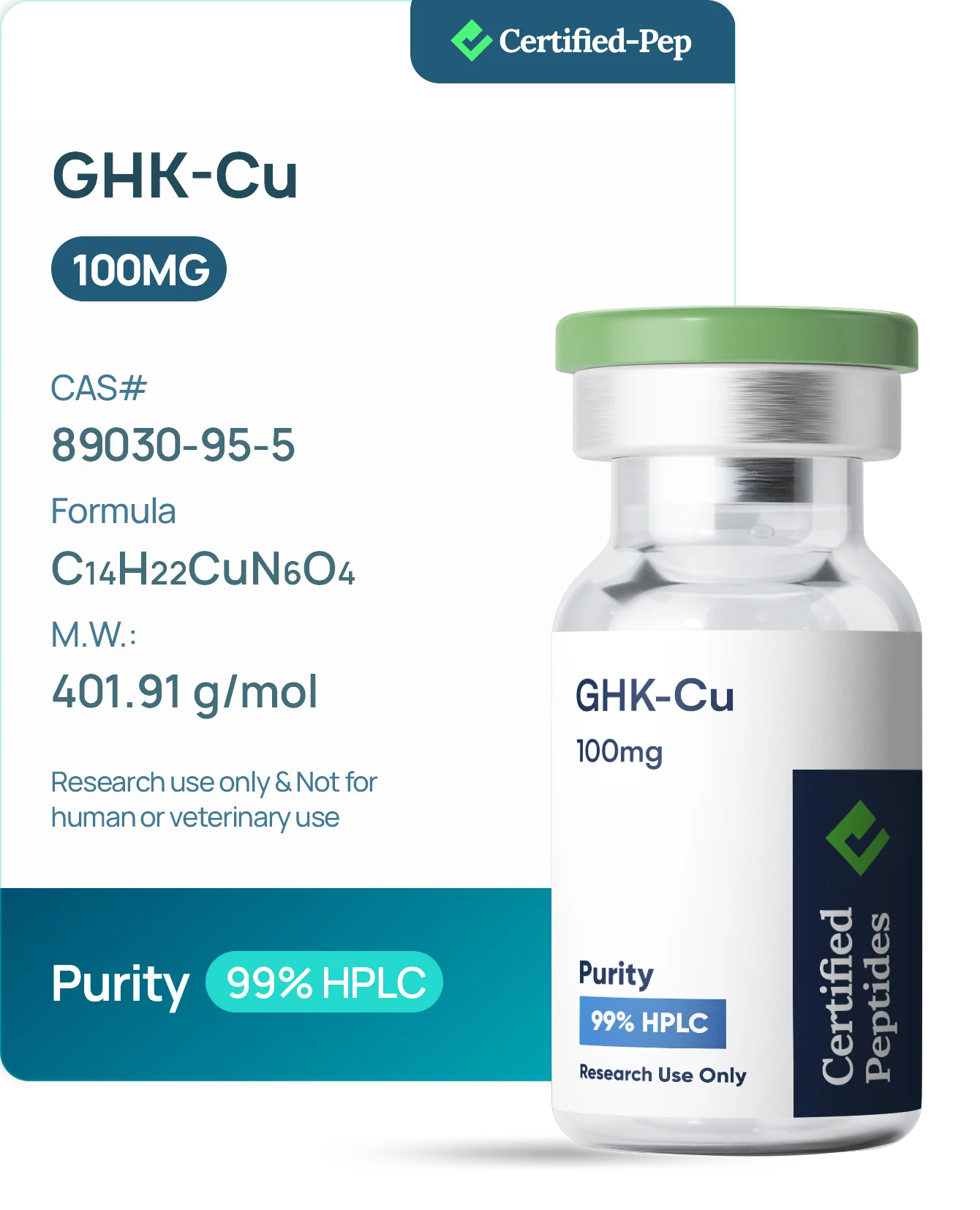
GHKCU 100 MG
USD 59.00
In stock
Last synced: 2026-11-16 10:13
Add to retailer cart ↗View product details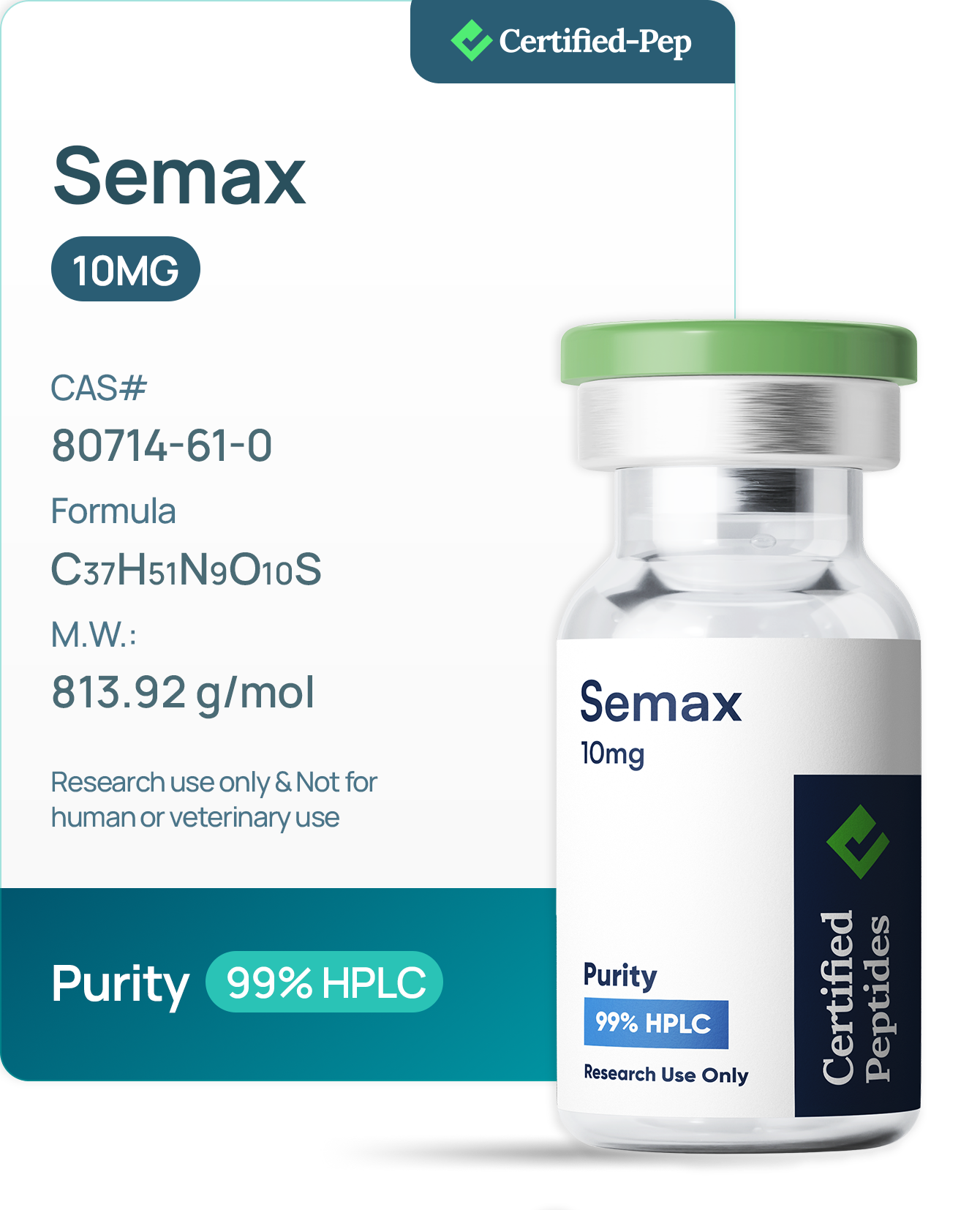
SEMAX 10MG
USD 54.00
In stock
Last synced: 2026-11-16 10:13
Add to retailer cart ↗View product details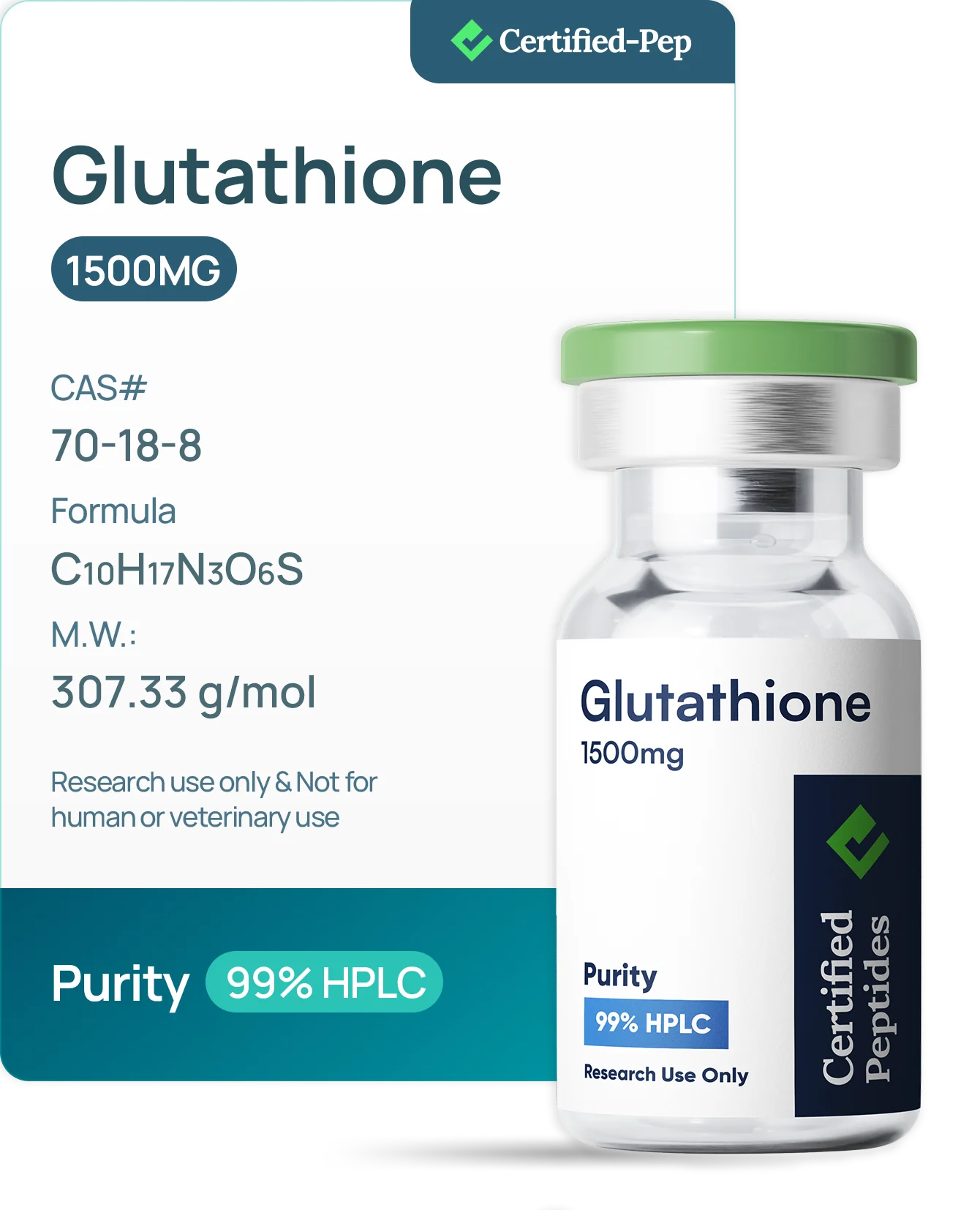
GLUTATHIONE 1500MG
USD 90.00
In stock
Last synced: 2026-11-16 10:13
Add to retailer cart ↗View product details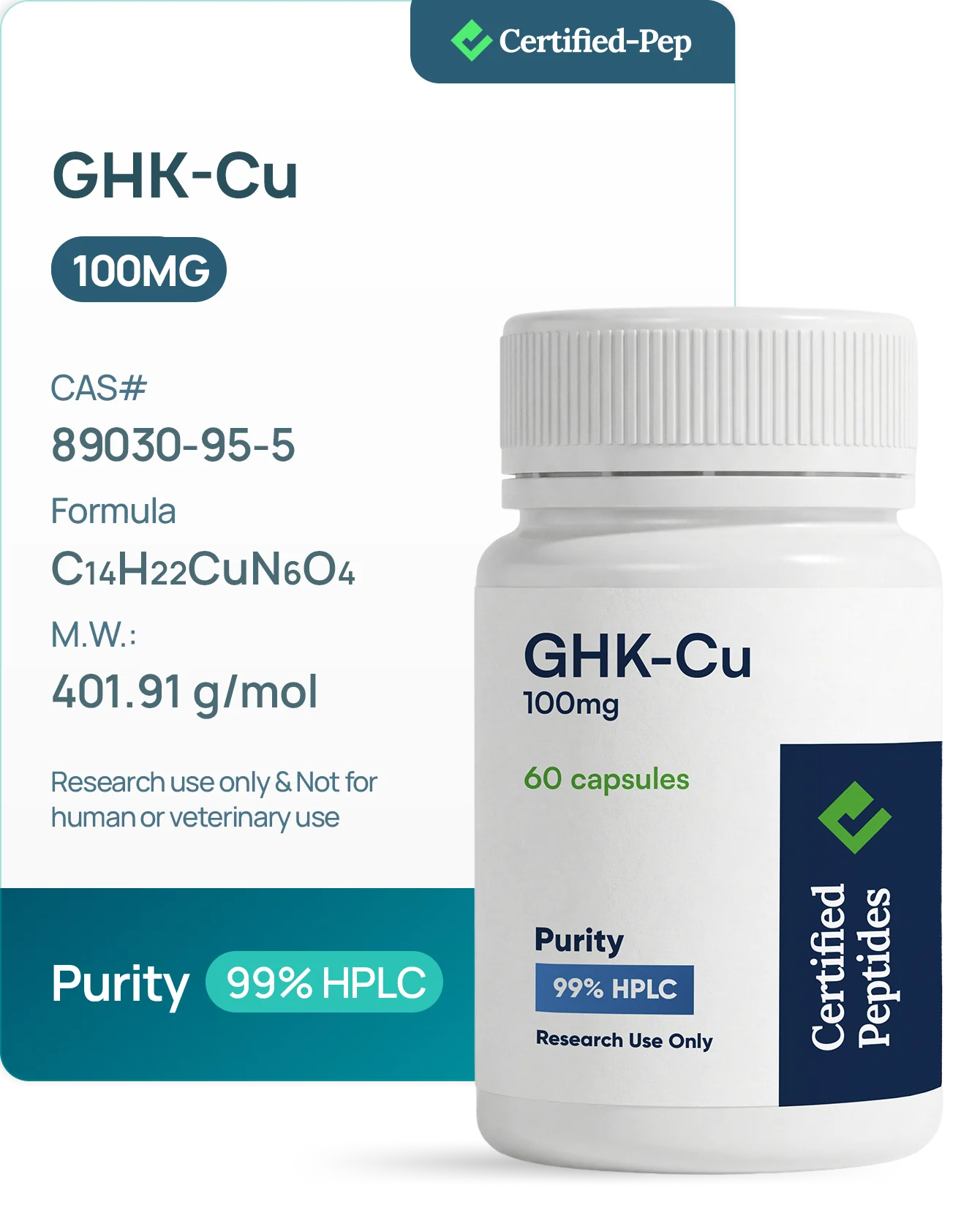
GHK-CU 2MG 60 CAPSULES
USD 198.00 USD 160.00
In stock
Last synced: 2026-11-16 10:13
Add to retailer cart ↗View product details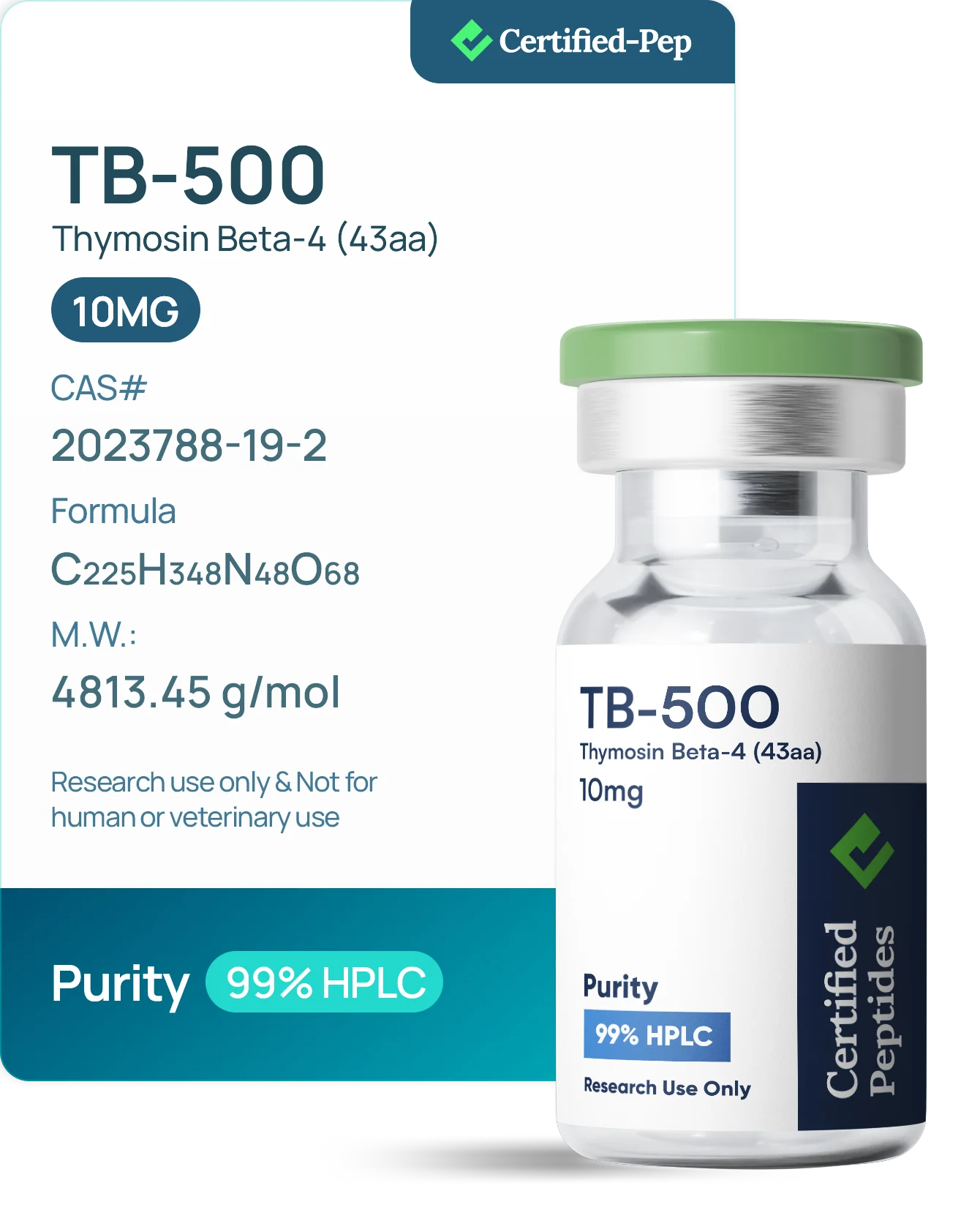
TB-500 10 MG
USD 70.00
In stock
Last synced: 2026-11-16 10:13
Add to retailer cart ↗View product details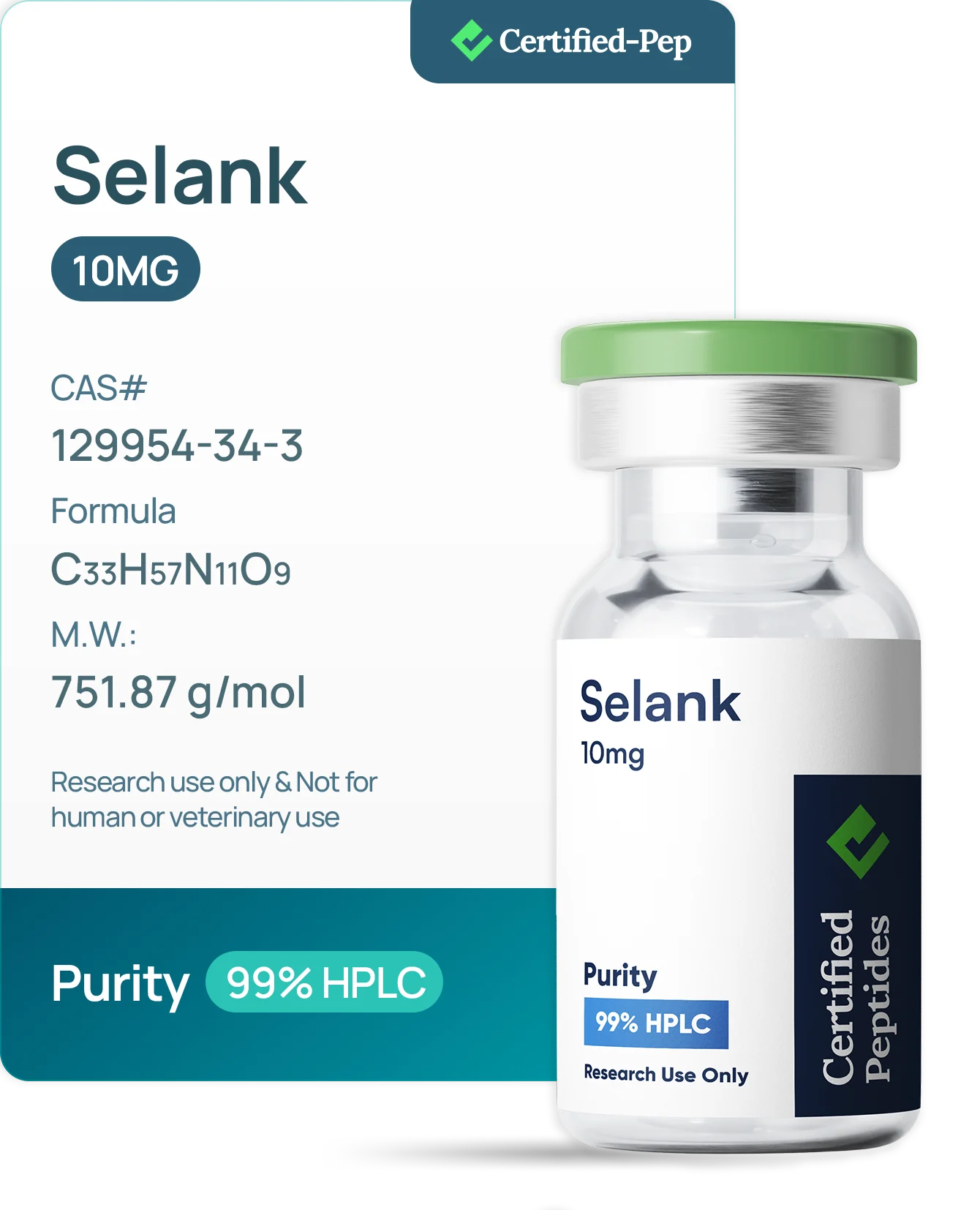
SELANK 10 MG
USD 50.00
In stock
Last synced: 2026-11-16 10:13
Add to retailer cart ↗View product details