
Chronic Stress and the Selank–Diazepam Rat Experiment: Research Findings and Interpretation
A detailed review of how chronic stress conditions influenced the interpretation of a rat experiment comparing Selank, diazepam, and their combination, with a focus on behavioral outcomes and methodological limitations.

Introduction
The interplay between chronic stress and anxiolytic interventions is a central topic in neuropharmacological research. Selank, a synthetic heptapeptide derived from tuftsin, has been investigated for its potential anxiolytic properties, with some studies suggesting mechanistic overlap with classical benzodiazepines such as diazepam. This article critically examines a controlled rat experiment that explored the effects of Selank, diazepam, and their combination under unpredictable chronic mild stress (UCMS) conditions, focusing on the interpretation of findings and the influence of chronic stress on behavioral outcomes. Only reported, source-backed findings are discussed, with explicit separation of preclinical evidence from any clinical or translational claims.
Experimental Design: Selank and Diazepam in a UCMS Rat Model
The cited study employed male Wistar rats divided into two primary groups: one exposed to UCMS and one kept under standard conditions. Each group was further subdivided to receive either saline (control), Selank, diazepam, or a combination of Selank and diazepam for 14 days. The UCMS protocol involved a randomized sequence of mild stressors (e.g., food/water deprivation, cage tilting, forced swimming, altered light cycles) to induce a chronic stress state. Behavioral assessment was conducted using the elevated plus maze (EPM), a validated test for anxiety-like behavior in rodents, both before and after the intervention period Source 2.
Behavioral Outcomes in Non-Stressed Rats
In rats not subjected to UCMS, administration of any test substance—including saline—over two weeks led to a deterioration in anxiety indicators. Specifically, time spent in the open arms of the EPM decreased, while time in the closed arms increased, indicating heightened anxiety-like behavior. Notably, the negative shift was less pronounced in the Selank-only group, where changes in anxiety measures were not statistically significant. In contrast, diazepam and the combination of Selank and diazepam produced anxiety increases similar to saline controls. Locomotor activity, as measured by the number of squares crossed, was largely unaffected by Selank but reduced in the combination group Source 2.
Effects of Chronic Stress on Behavioral Interpretation
Chronic stress exposure via the UCMS protocol resulted in a marked increase in anxiety-like behavior in saline-treated rats, as evidenced by a substantial reduction in open-arm time and increased closed-arm residence in the EPM. The number of hanging events from open arms—a measure of exploratory behavior—also declined. These changes were more pronounced than those observed in non-stressed controls, highlighting the anxiogenic impact of chronic stress. Importantly, the administration of Selank, diazepam, or their combination during UCMS mitigated these stress-induced behavioral changes to varying degrees Source 2.
Comparative Efficacy of Selank, Diazepam, and Their Combination Under UCMS
Under chronic stress conditions, both Selank and diazepam individually reduced anxiety-like behaviors compared to saline controls, but neither completely normalized the behavioral indices. The combination of Selank and diazepam, however, was associated with anxiety measures that did not differ significantly from pre-stress baseline values. Specifically, rats receiving both agents spent significantly more time in the open arms and less in the closed arms of the EPM compared to saline-treated, stressed rats. This suggests a potential synergistic or additive effect of the combination in this preclinical model Source 2.
Interpretation: The Role of Chronic Stress in Experimental Outcomes
The presence of chronic stress fundamentally altered the interpretation of anxiolytic efficacy in this experiment. In non-stressed rats, repeated administration of any substance—including vehicle—appeared to act as a mild stressor itself, increasing anxiety-like behavior. This highlights the importance of considering procedural stress in behavioral pharmacology studies. Under UCMS, the anxiolytic effects of Selank and diazepam became more apparent, with the combination therapy showing the greatest mitigation of stress-induced anxiety. The findings suggest that chronic stress may sensitize animals to the anxiolytic actions of these compounds or reveal effects not observable under baseline conditions Source 2.
Mechanistic Considerations and GABAergic Modulation
The study authors hypothesized that the observed effects may be related to the modulation of GABAergic neurotransmission. Benzodiazepines such as diazepam are known to allosterically enhance GABA_A receptor activity. Selank has been reported to influence the binding of GABA to its receptors, potentially altering receptor affinity or function, though not necessarily via the classical benzodiazepine binding site. Previous research has shown that Selank administration can affect the expression of genes involved in GABAergic signaling in rodent brain tissue Source 1. The combination of Selank and diazepam may thus exert additive or synergistic effects on GABAergic tone, particularly under stress conditions, though the precise molecular mechanisms remain to be fully elucidated Source 2.
Methodological Limitations and Uncertainties
Several limitations must be acknowledged when interpreting these findings:
- Species and Model Specificity: All results are derived from a rat model; extrapolation to humans or other species is not supported by this evidence.
- Behavioral Endpoints: The EPM test, while widely used, is an indirect measure of anxiety-like behavior and may be influenced by factors such as locomotor activity, exploratory drive, or procedural habituation.
- Procedural Stress: The finding that repeated administration of any substance increased anxiety in non-stressed rats suggests that handling and dosing protocols themselves can confound behavioral outcomes.
- Duration and Dosing: The study used a fixed 14-day administration period and specific dosing regimens, which may not capture the full range of possible effects or dose-response relationships.
- Mechanistic Ambiguity: While GABAergic modulation is implicated, direct molecular evidence from this experiment is lacking; mechanistic conclusions are based on prior studies and indirect inference.
- No Assessment of Side Effects: The study did not systematically evaluate potential adverse effects, tolerance, or withdrawal phenomena associated with the interventions.
Unresolved Questions and Future Directions
The experiment raises several important questions for future research:
- Mechanistic Elucidation: Further studies are needed to clarify how Selank modulates GABAergic signaling at the molecular and synaptic levels, especially in the context of chronic stress.
- Chronic Stress Generalizability: The extent to which these findings generalize to other models of stress, different durations, or intensities of stress exposure remains unknown.
- Combination Therapy Optimization: The optimal dosing, timing, and ratio of Selank and diazepam for maximal anxiolytic effect in preclinical models require systematic investigation.
- Translational Relevance: Controlled human studies would be necessary to determine whether similar interactions occur in clinical populations, but such extrapolation cannot be made from the current data.
Key Takeaways
- Chronic stress (UCMS) in rats increased anxiety-like behavior, as measured by the EPM test.
- Selank and diazepam individually reduced stress-induced anxiety, but the combination was most effective in restoring pre-stress behavioral indices.
- In non-stressed rats, repeated administration of any substance—including saline—acted as a mild stressor, complicating interpretation of anxiolytic effects.
- The findings support the hypothesis that Selank may modulate GABAergic neurotransmission, potentially enhancing the effects of diazepam under chronic stress, but mechanistic details remain to be clarified.
- All results are limited to a rat model; no conclusions about human efficacy, safety, or clinical utility can be drawn from these data.
Evidence Limitations and Research Context
This review is based solely on the findings of a single, well-controlled rat experiment and related mechanistic studies in cell and animal models. No clinical or regulatory conclusions can be inferred. The behavioral effects observed are specific to the experimental conditions and endpoints used. The broader applicability of these findings to other stress paradigms, species, or clinical scenarios is unknown. Further research is required to address these gaps and to elucidate the molecular mechanisms underlying the observed interactions.
For research and educational purposes only. Not medical advice. Research products are not for human or veterinary use.
Sources
- Peptide Selank Enhances the Effect of Diazepam in Reducing Anxiety in Unpredictable Chronic Mild Stress Conditions in Rats. https://pmc.ncbi.nlm.nih.gov/articles/PMC5322660/
- GABA, Selank, and Olanzapine Affect the Expression of Genes Involved in GABAergic Neurotransmission in IMR-32 Cells. https://pmc.ncbi.nlm.nih.gov/articles/PMC5328971/
Continue exploring
TRACE THE EVIDENCE
Sources & further reading
RELATED PRODUCT INFORMATION
From the Certified Pep catalog.
Product references are informational, not a recommendation for human use. Prices and availability must be verified at retailer checkout.
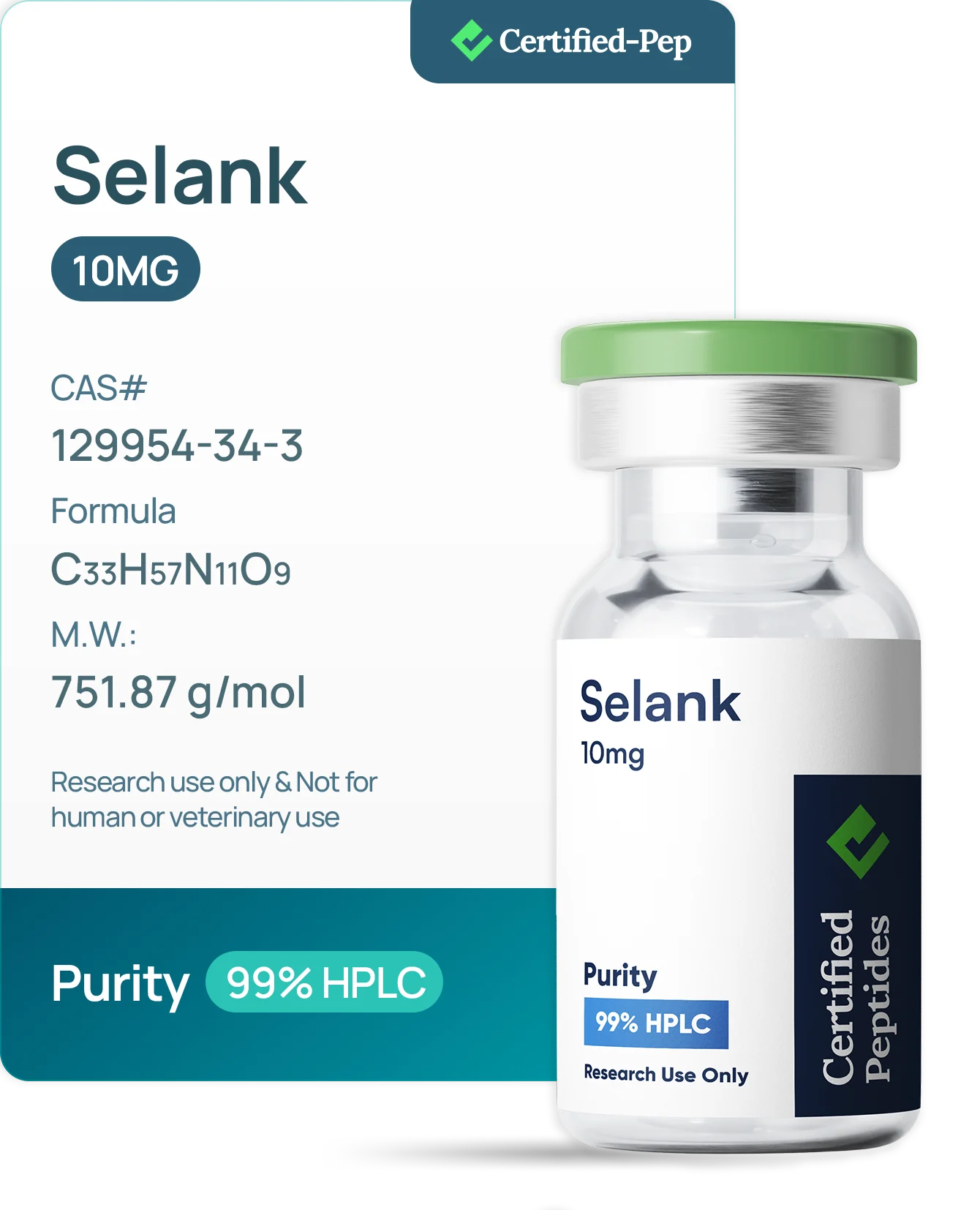
SELANK 10 MG
USD 50.00
In stock
Last synced: 2026-11-16 10:13
Add to retailer cart ↗View product details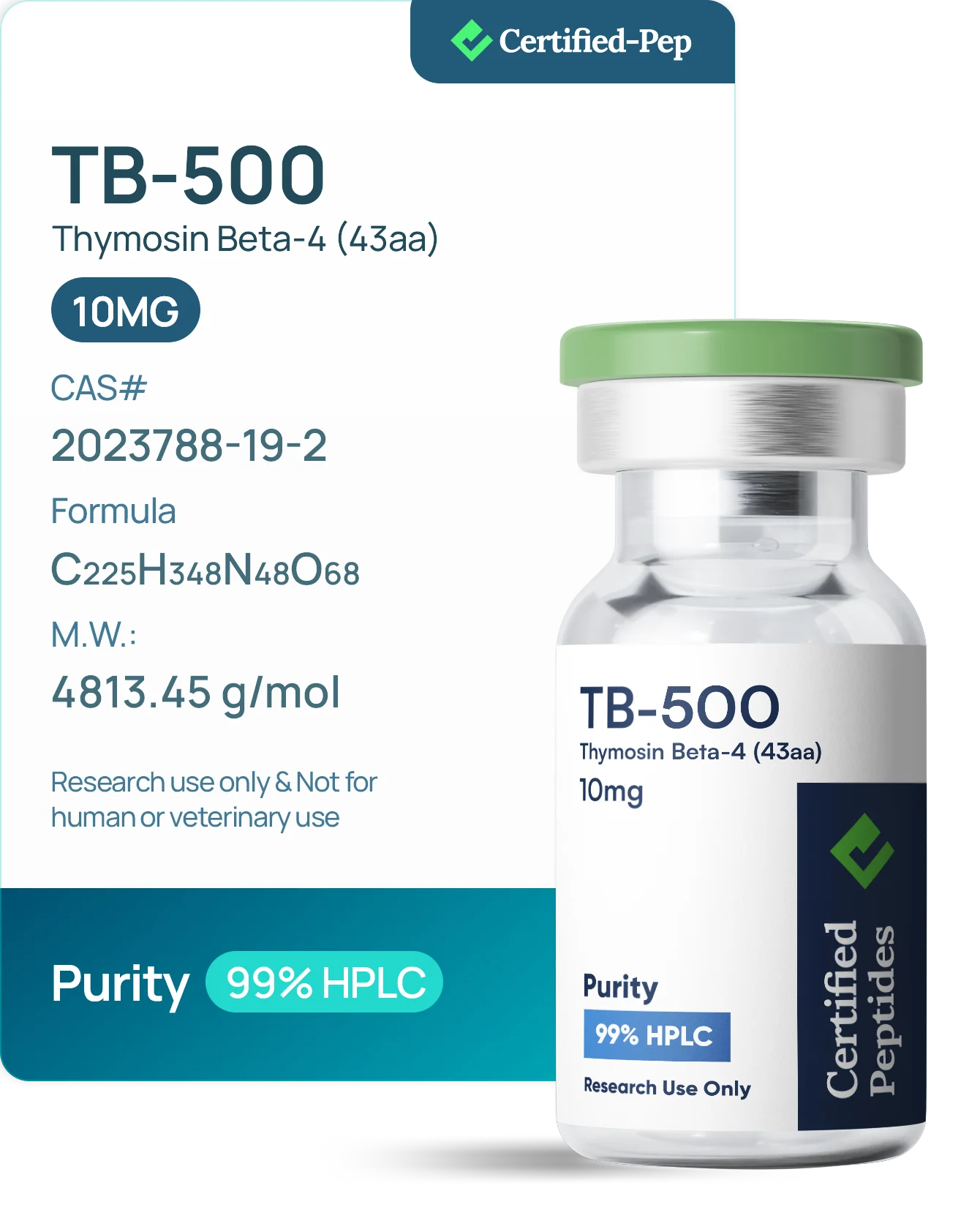
TB-500 10 MG
USD 70.00
In stock
Last synced: 2026-11-16 10:13
Add to retailer cart ↗View product details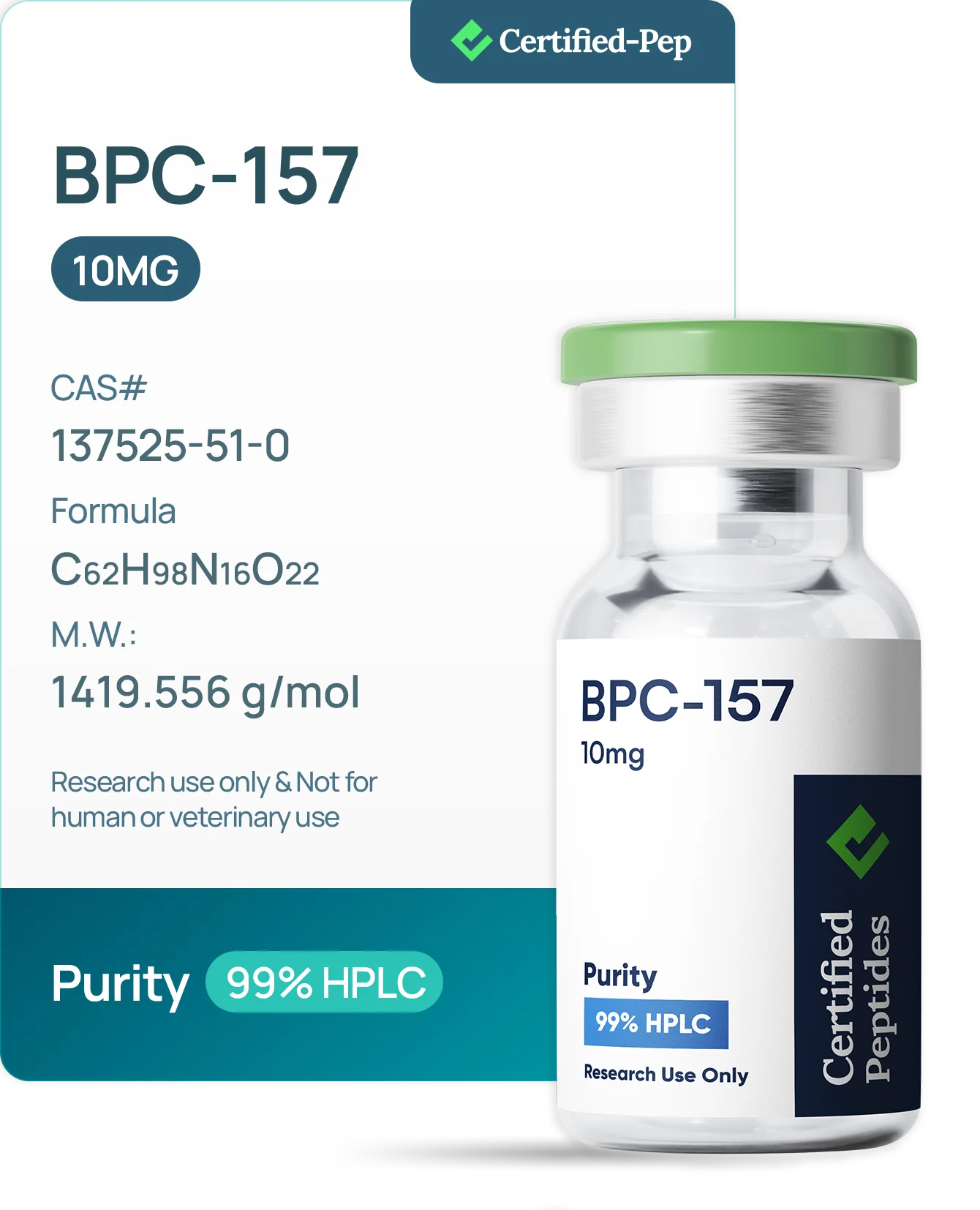
BPC-157 10 MG
USD 60.00
In stock
Last synced: 2026-11-16 10:13
Add to retailer cart ↗View product details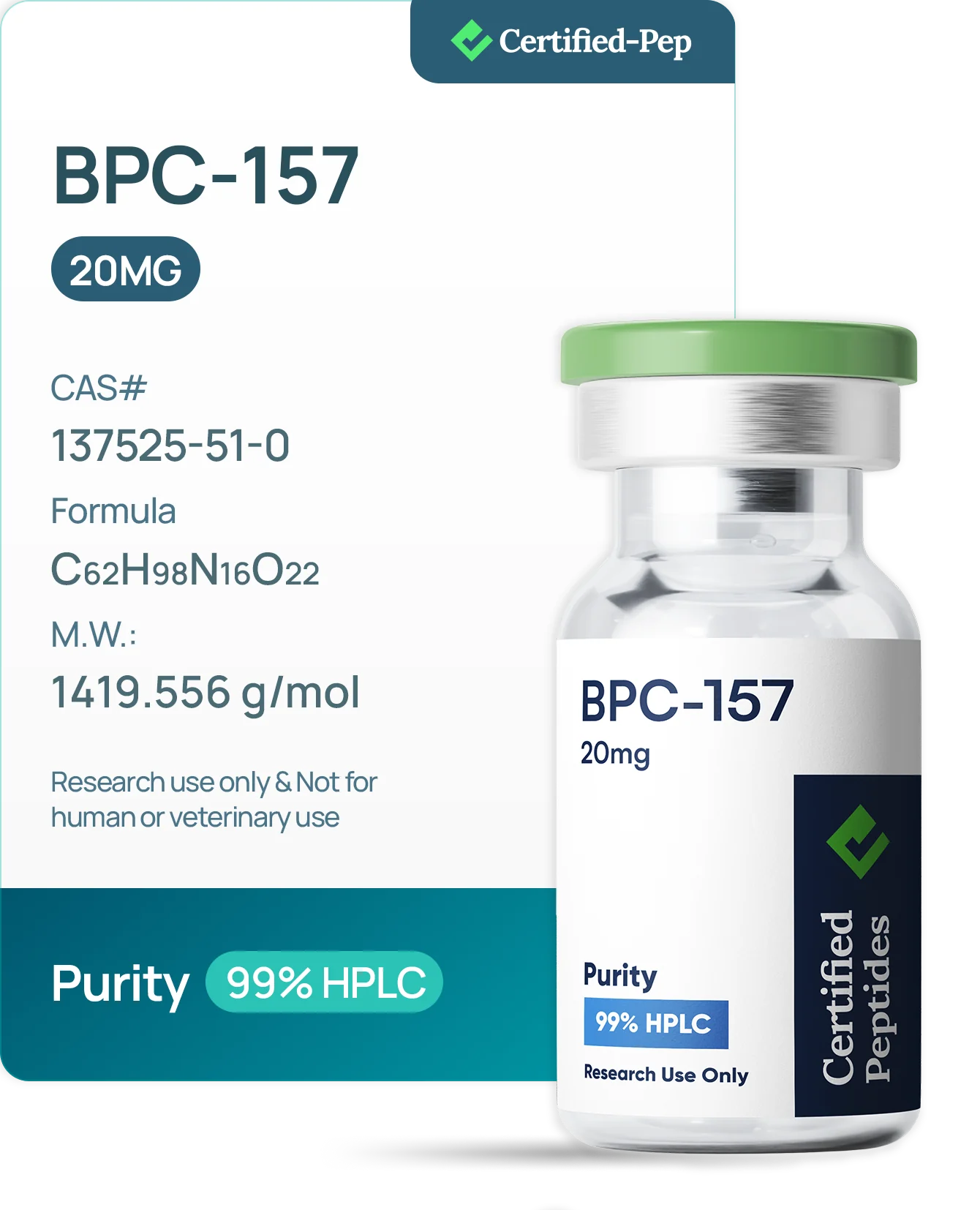
BPC-157 20 MG
USD 90.00
In stock
Last synced: 2026-11-16 10:13
Add to retailer cart ↗View product details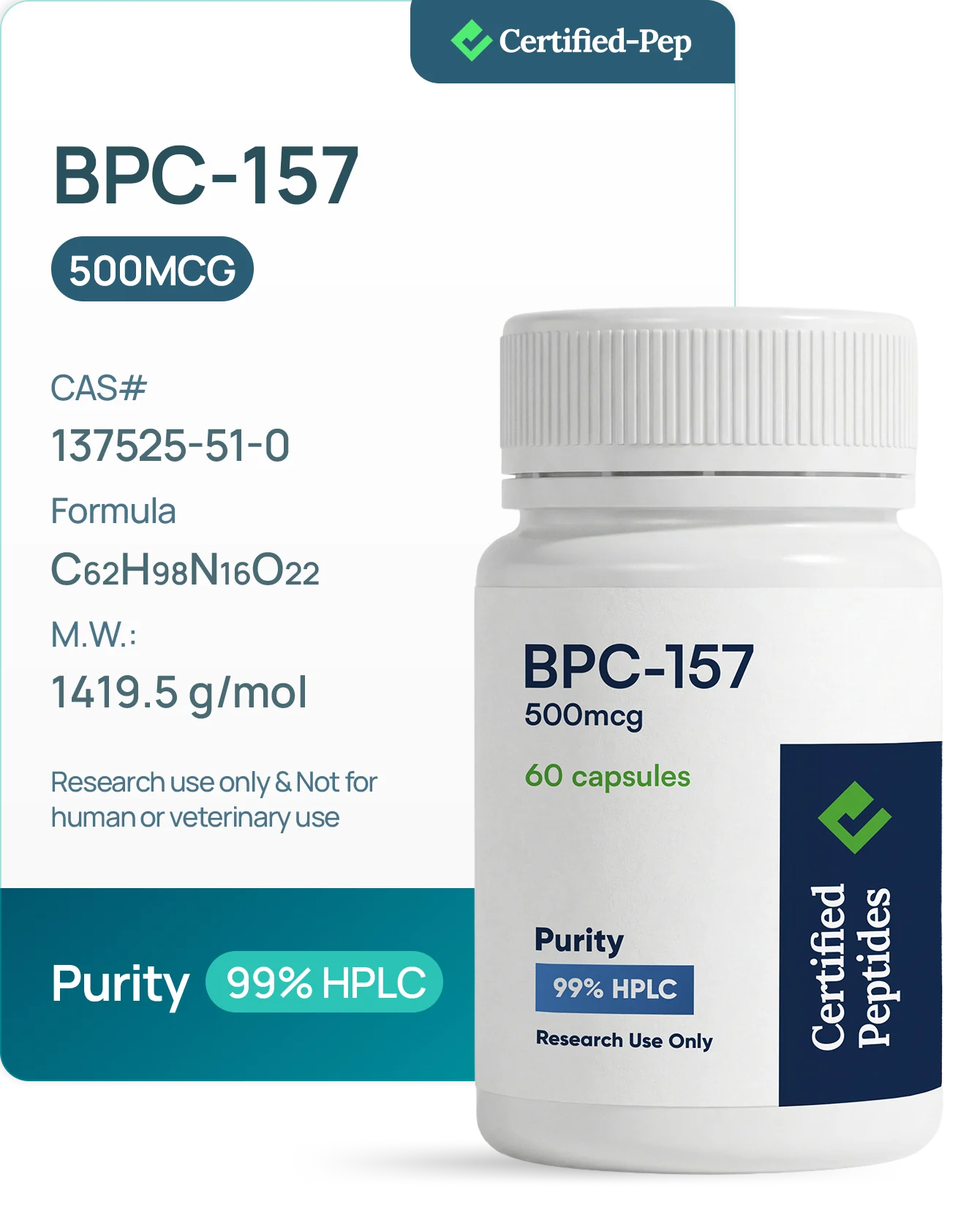
BPC-157 500 mcg 60 CAPSULES
USD 160.00 USD 100.00
In stock
Last synced: 2026-11-16 10:13
Add to retailer cart ↗View product details