
Investigation of Vascular Signaling Hypotheses in BPC-157 Musculoskeletal Research
This resource examines how vascular signaling mechanisms are explored in the BPC-157 musculoskeletal literature, focusing on preclinical models, molecular pathways, and the limitations of current evidence. It distinguishes in vitro, animal, and limited human data, and highlights methodological gaps and uncertainties.
Introduction: BPC-157 and Vascular Signaling in Musculoskeletal Research
Body Protection Compound-157 (BPC-157) is a synthetic pentadecapeptide derived from a sequence found in human gastric juice. It has attracted research interest for its potential effects on tissue repair, particularly in musculoskeletal models. A central hypothesis in this literature is that BPC-157 modulates vascular signaling pathways, which may influence angiogenesis (the formation of new blood vessels), tissue perfusion, and healing processes. This article critically examines how vascular signaling hypotheses are investigated in the BPC-157 musculoskeletal literature, with a focus on experimental models, molecular endpoints, and the limitations of current evidence. All findings are drawn from reported studies, with a clear distinction between in vitro, animal, and limited human data. No claims are made regarding clinical efficacy or safety.
Defining Vascular Signaling Hypotheses in BPC-157 Research
Vascular signaling refers to the molecular and cellular processes that regulate blood vessel formation, maintenance, and function. In the context of musculoskeletal injury, angiogenesis and vascular remodeling are considered crucial for tissue repair. The BPC-157 literature hypothesizes that this peptide may promote healing by modulating key vascular signaling pathways, including those involving vascular endothelial growth factor (VEGF), nitric oxide synthase (NOS), and related downstream effectors. These hypotheses are primarily explored in preclinical models, using molecular, histological, and functional endpoints to assess changes in vascularity and tissue recovery Source 1.
Experimental Models: In Vitro and Animal Studies
The majority of BPC-157 musculoskeletal research is preclinical, utilizing both in vitro cell culture systems and in vivo animal models. In vitro studies often employ cultured tendon fibroblasts or muscle cells to investigate direct effects on cell migration, proliferation, and survival under stress. For example, BPC-157 has been shown to increase the expression of growth hormone receptors and focal adhesion kinase (FAK) in cultured tendon fibroblasts, suggesting a role in cell adhesion and migration Source 1.
Animal models, predominantly using rats and rabbits, are employed to simulate musculoskeletal injuries such as tendon transection, muscle crush, or bone defects. These models allow for the assessment of BPC-157’s effects on tissue structure, function, and vascularity. Histological analyses are used to quantify blood vessel density, VEGF expression, and inflammatory infiltrates in injured tissues. Functional outcomes, such as load-to-failure tests and motor function indices, provide additional data on tissue recovery Source 1.
Molecular Pathways: VEGF, Nitric Oxide, and Downstream Effectors
A central focus of vascular signaling hypotheses in BPC-157 research is the modulation of VEGF and nitric oxide (NO) pathways. Multiple preclinical studies report that BPC-157 increases VEGF gene and protein expression in muscle and tendon injury models. VEGF is a key regulator of angiogenesis, and its upregulation is associated with increased local vascularity in healing tissues Source 1.
BPC-157 has also been shown to upregulate nitric oxide synthase (NOS) expression and increase NO production. NO is a vasodilator and plays a role in endothelial function and blood flow regulation. The peptide’s effects on the phosphorylation of extracellular signal-regulated kinases (ERK1/2), AKT, and the expression of focal adhesion kinase (FAK) and paxillin further suggest involvement in cell survival, migration, and angiogenic signaling. These molecular findings are primarily derived from animal tissue analyses and in vitro cell culture experiments Source 1.
Histological and Functional Endpoints in Animal Models
Histological examination of injured tissues in animal models provides direct evidence of changes in vascularity. Studies report increased blood vessel density and VEGF expression in muscle, tendon, and ligament tissues treated with BPC-157. For example, in rat models of tendon transection, BPC-157 administration was associated with enhanced angiogenesis, reduced inflammatory infiltrates, and improved tissue organization Source 1.
Functional endpoints, such as biomechanical testing (e.g., load to failure, stiffness, breaking force) and motor function indices, are used to assess the impact of BPC-157 on tissue recovery. Improved functional outcomes in treated animals are often correlated with increased vascularity and reduced inflammation, supporting the hypothesis that vascular signaling modulation contributes to healing. However, these associations are correlative, and causality cannot be definitively established from the available data Source 1.
In Vitro Evidence: Cellular Mechanisms and Angiogenesis
In vitro studies provide mechanistic insights into how BPC-157 may influence vascular signaling at the cellular level. Cultured tendon fibroblasts exposed to BPC-157 exhibit increased migration, survival under oxidative stress, and upregulation of FAK and paxillin gene expression. These molecules are involved in cell adhesion, migration, and survival, processes essential for angiogenesis and tissue repair. Additionally, BPC-157 has been shown to increase growth hormone receptor expression in tendon fibroblasts, potentially linking hormonal and vascular signaling pathways Source 1.
Other in vitro findings include increased endothelial cell tube formation, a surrogate marker of angiogenesis, and enhanced cell proliferation and migration in wound healing assays. While these results support the hypothesis that BPC-157 modulates angiogenic signaling, they are limited to cell culture systems and may not fully recapitulate the complexity of in vivo tissue environments Source 1.
Limited Human Data and Observational Findings
Human data on BPC-157’s effects in musculoskeletal contexts are extremely limited. The systematic review identified only one retrospective study in which 7 out of 12 patients with chronic knee pain reported subjective improvement following intraarticular BPC-157 injection. No mechanistic or vascular endpoints were assessed in this study, and it did not include objective measures of vascular signaling or tissue repair. No controlled clinical trials or prospective studies evaluating vascular signaling mechanisms in humans were identified Source 1.
Methodological Limitations and Gaps in the Literature
Several limitations constrain the interpretation of vascular signaling hypotheses in the BPC-157 musculoskeletal literature:
- Preclinical Dominance: Most evidence comes from animal and in vitro studies, with only one small, uncontrolled human study identified. Findings in animal models may not translate to human physiology or clinical outcomes.
- Heterogeneity of Models: There is significant variability in injury models, dosing regimens, endpoints, and analytical methods across studies, limiting comparability and precluding meta-analysis.
- Correlative Evidence: While increased vascularity and VEGF expression are observed in treated tissues, direct causal links between BPC-157-induced vascular signaling and functional recovery remain unproven.
- Short-Term Endpoints: Most studies assess outcomes within weeks of injury and treatment, with little data on long-term effects or potential adverse outcomes.
- Lack of Clinical Safety Data: No studies systematically assess safety or adverse events in humans, and the regulatory status of BPC-157 remains unresolved Source 1.
Unresolved Questions and Future Directions
Key questions remain regarding the role of vascular signaling in BPC-157-mediated tissue repair:
- Mechanistic Specificity: Which vascular signaling pathways are most critical for the observed effects, and how do they interact with other cellular processes?
- Dose-Response Relationships: What are the optimal concentrations and exposure durations for modulating vascular signaling without adverse effects?
- Translation to Humans: Do the angiogenic and tissue-reparative effects observed in animal models occur in human tissues, and are they clinically meaningful?
- Safety and Off-Target Effects: What are the potential risks of modulating vascular signaling pathways, particularly in the context of unregulated peptide products?
Addressing these questions will require well-controlled mechanistic studies, standardized animal models, and, ultimately, rigorously designed human trials with objective vascular endpoints.
Evidence Limitations and Key Takeaways
The investigation of vascular signaling hypotheses in BPC-157 musculoskeletal research is grounded in preclinical models that demonstrate modulation of angiogenic pathways, particularly VEGF and nitric oxide signaling. These findings are supported by molecular, histological, and functional endpoints in animal and in vitro studies. However, the evidence is limited by the lack of controlled human data, heterogeneity of experimental designs, and the correlative nature of most findings. No definitive conclusions can be drawn regarding clinical efficacy, safety, or the precise mechanisms of action in humans. Further research is needed to clarify the role of vascular signaling in BPC-157-mediated tissue repair and to establish translational relevance.
For research and educational purposes only. Not medical advice. Research products are not for human or veterinary use.
Sources
- Emerging Use of BPC-157 in Orthopaedic Sports Medicine: A Systematic Review. https://pmc.ncbi.nlm.nih.gov/articles/PMC12313605/
Continue exploring
TRACE THE EVIDENCE
Sources & further reading
RELATED PRODUCT INFORMATION
From the Certified Pep catalog.
Product references are informational, not a recommendation for human use. Prices and availability must be verified at retailer checkout.
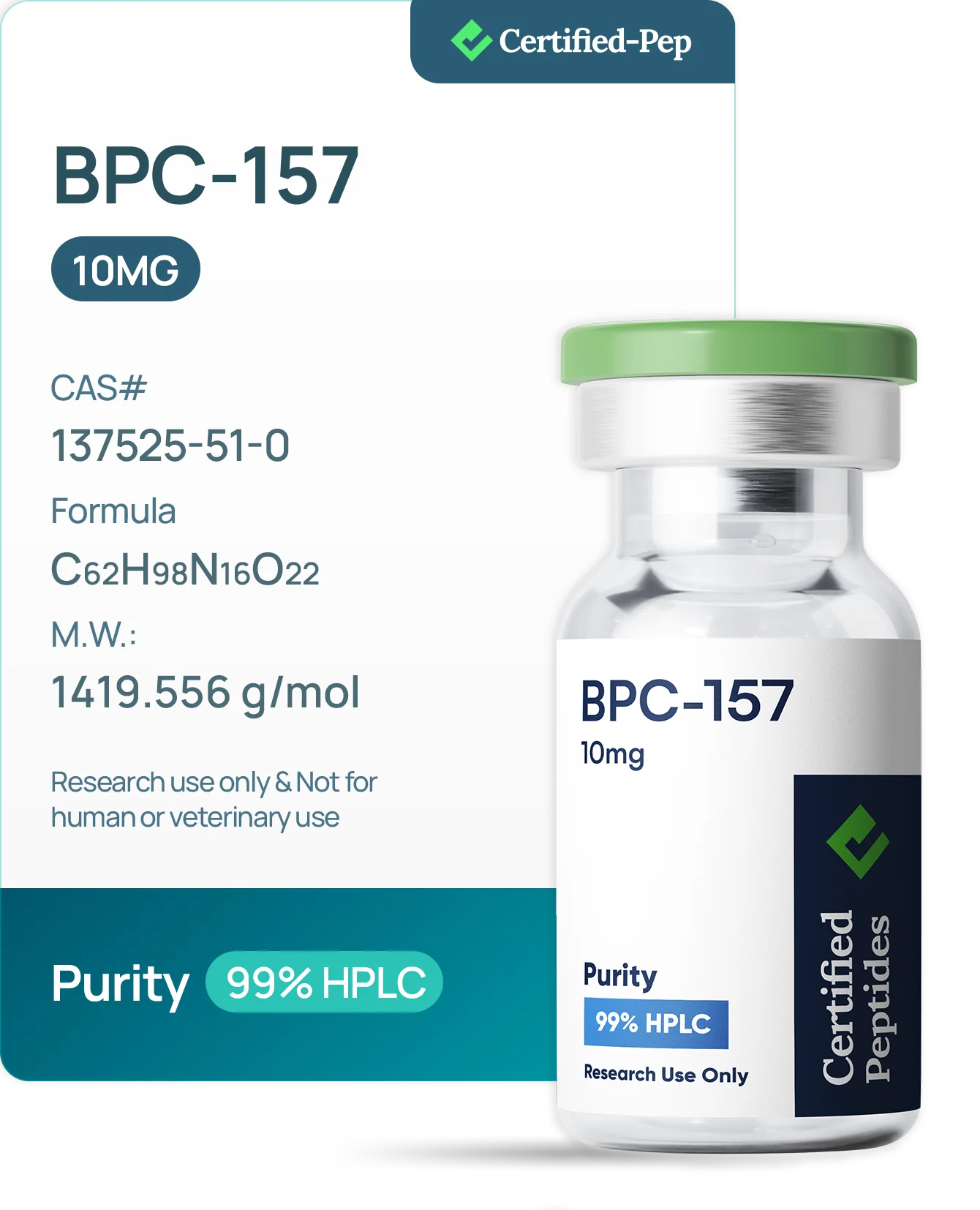
BPC-157 10 MG
USD 60.00
In stock
Last synced: 2026-11-16 10:13
Add to retailer cart ↗View product details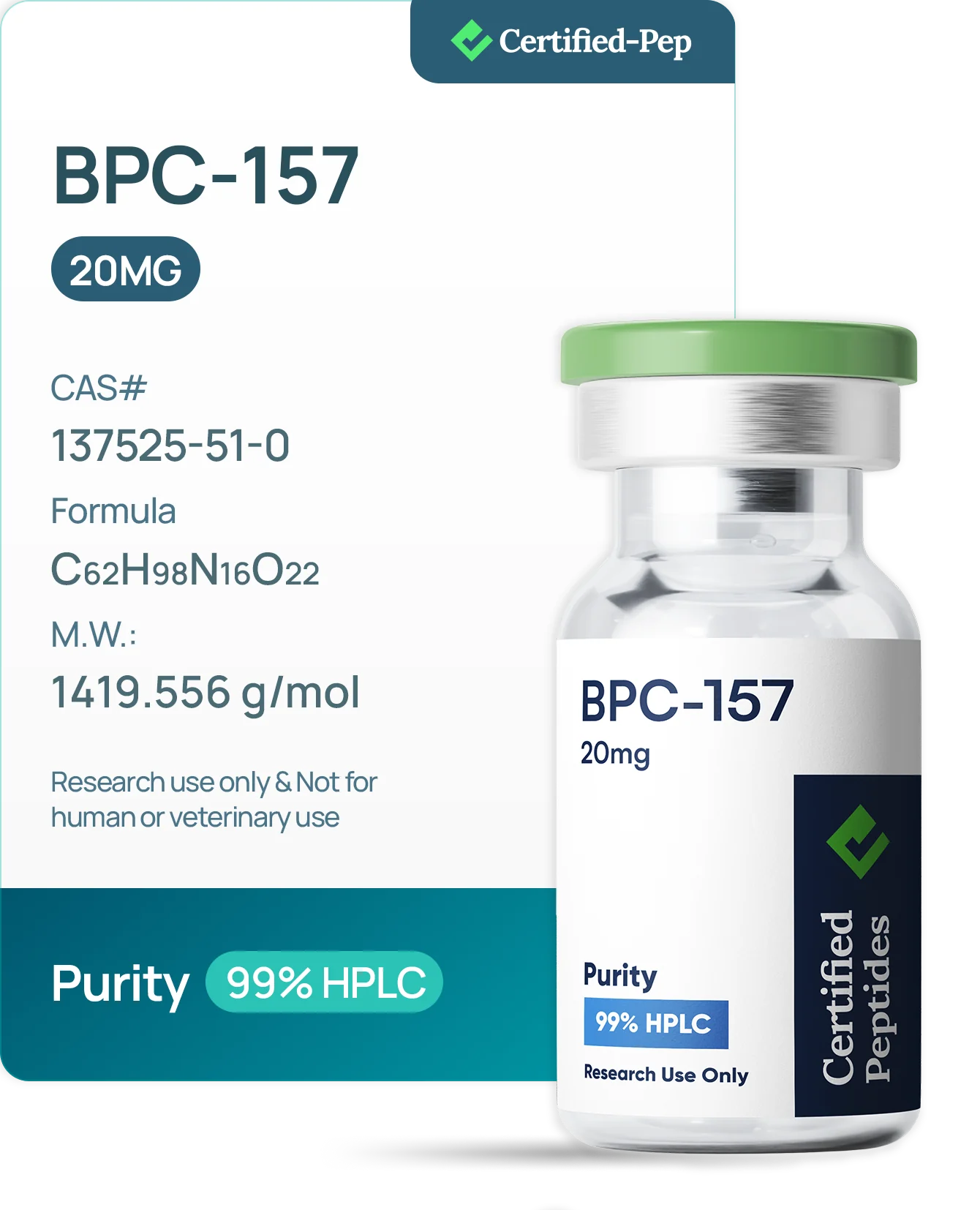
BPC-157 20 MG
USD 90.00
In stock
Last synced: 2026-11-16 10:13
Add to retailer cart ↗View product details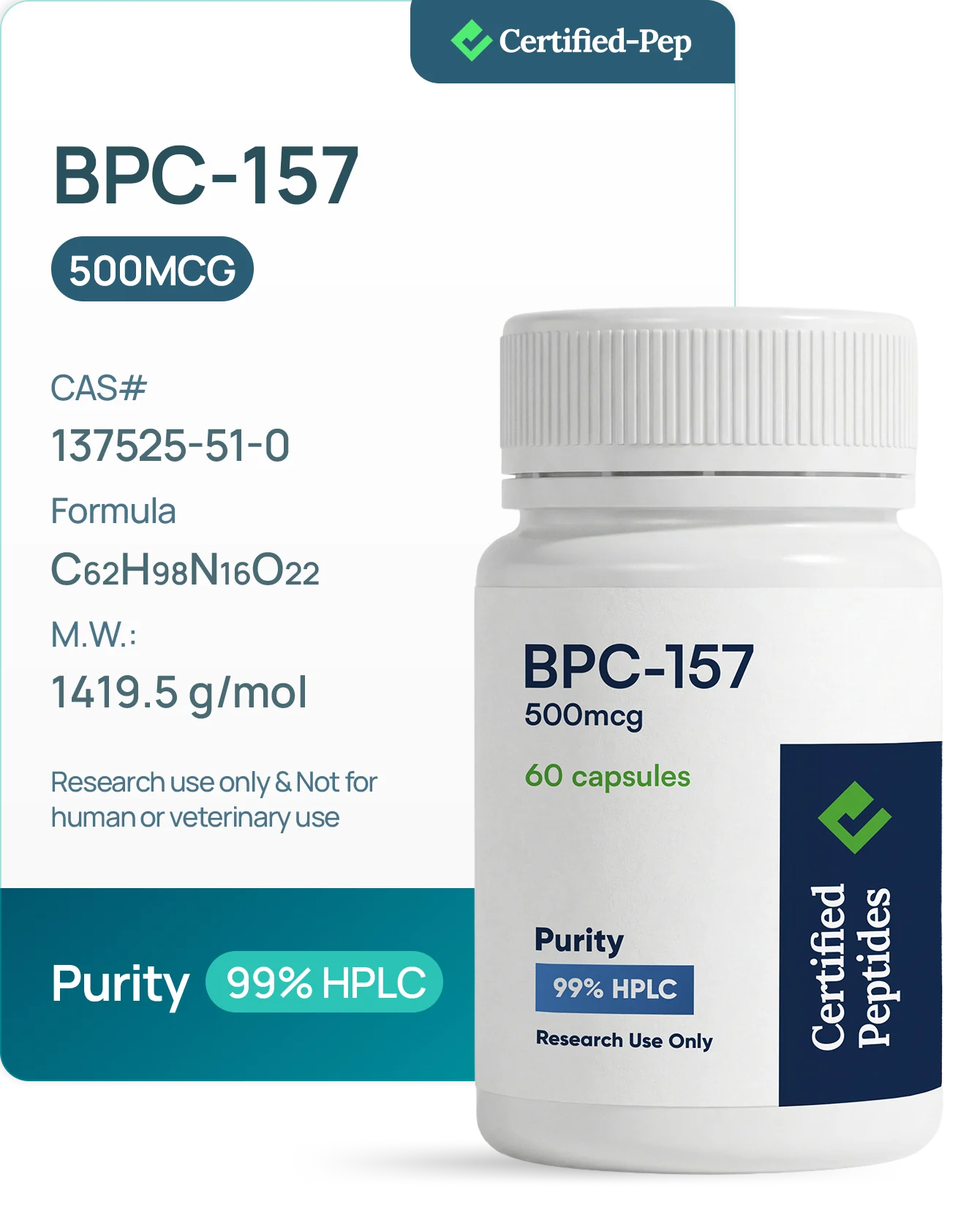
BPC-157 500 mcg 60 CAPSULES
USD 160.00 USD 100.00
In stock
Last synced: 2026-11-16 10:13
Add to retailer cart ↗View product details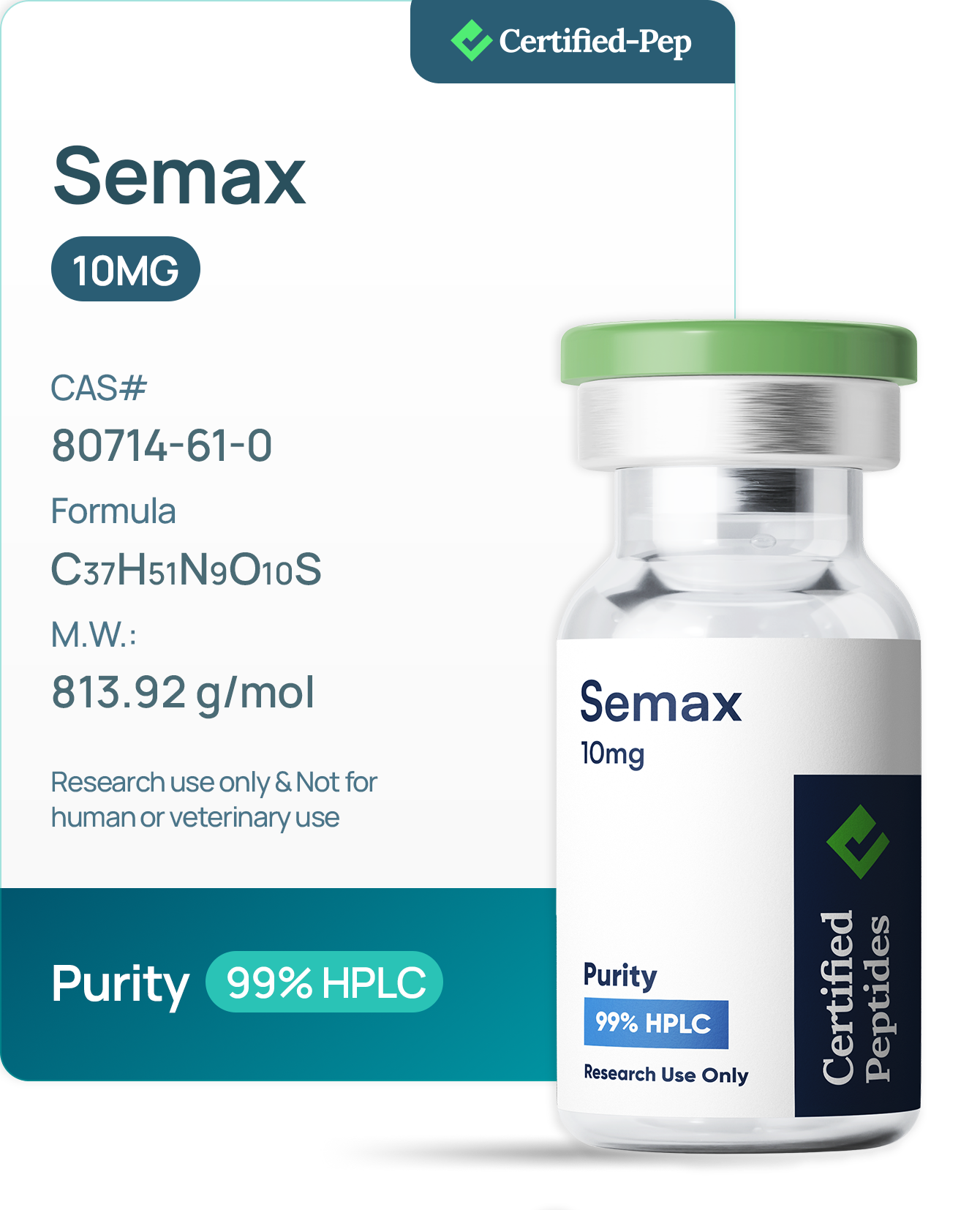
SEMAX 10MG
USD 54.00
In stock
Last synced: 2026-11-16 10:13
Add to retailer cart ↗View product details