
Interpreting DNA-Repair Gene Signatures in GHK Peptide Research: Evidence and Limitations
This resource examines how DNA-repair gene signatures reported in the GHK peptide review should be interpreted, focusing strictly on research findings without implying clinical or cancer treatment relevance. It distinguishes in vitro, animal, and computational evidence, and discusses the limitations and uncertainties in translating gene expression data to biological or therapeutic outcomes.

Introduction: GHK Peptide and DNA-Repair Gene Signatures
Glycyl-L-histidyl-L-lysine (GHK) is a naturally occurring tripeptide with a high affinity for copper, forming the complex GHK-Cu. GHK has been studied for its effects on gene expression, tissue repair, and cellular processes in various experimental models. Recent reviews have highlighted GHK’s influence on gene signatures, including those related to DNA repair, using computational analyses and laboratory studies. However, interpreting these findings requires caution, especially to avoid overextending preclinical or computational results to clinical or cancer treatment contexts.
This article provides a focused, evidence-based analysis of how DNA-repair gene signatures in the GHK review should be interpreted. It draws exclusively from reported findings, clearly separates experimental models, and discusses the limitations and uncertainties inherent in this area of peptide research.
Defining GHK and Its Research Context
GHK (glycyl-L-histidyl-L-lysine) is a tripeptide first isolated from human plasma and later found in other tissues. It binds copper(II) ions, forming GHK-Cu, which has been investigated for its role in wound healing, tissue regeneration, and modulation of gene expression in both in vitro and animal models. The peptide’s ability to alter gene expression has been explored using high-throughput technologies, such as microarrays and computational tools like the Broad Institute’s Connectivity Map (cMap) Source 2.
The review in question presents GHK’s effects on gene expression, including DNA-repair genes, primarily through computational analyses of cell line data and supporting laboratory studies. It is essential to distinguish these findings from direct evidence of clinical efficacy or safety, particularly in the context of cancer or other diseases.
Methods Used to Identify DNA-Repair Gene Signatures
The primary evidence for GHK’s influence on DNA-repair gene signatures comes from computational analyses using the cMap database. This resource contains gene expression profiles from human cell lines treated with various compounds, including GHK at micromolar concentrations. The review analyzed these profiles using open-source software (GenePattern) to identify genes whose expression was significantly altered by GHK treatment Source 2.
For DNA-repair gene signatures, the authors searched Gene Ontology annotations for terms such as “DNA repair” and reported the number of genes upregulated or downregulated by GHK. The reported data are based on fold changes in mRNA levels, averaged across multiple probe sets per gene. The review lists 47 DNA-repair genes upregulated and 5 downregulated by GHK, with percent changes ranging from 50% to over 250% Source 2.
In Vitro and Computational Evidence: What Was Observed?
The review’s findings on DNA-repair gene signatures are derived from in vitro experiments and computational analyses. Specifically, human cancer cell lines (PC3 and MCF7) were treated with GHK, and changes in gene expression were measured using microarrays. The cMap profiles showed that GHK modulated the expression of a substantial number of genes, including those involved in DNA repair Source 2.
Some of the upregulated DNA-repair genes included PARP3 (poly(ADP-ribose) polymerase family member 3), POLM (DNA polymerase mu), MRE11A (meiotic recombination 11 homolog A), and RAD50 (homolog of S. cerevisiae RAD50). These genes are known to participate in various DNA repair pathways, such as base excision repair, non-homologous end joining, and homologous recombination. The review also notes that GHK increased the expression of genes associated with antioxidant activity and the ubiquitin-proteasome system, which may indirectly support DNA integrity Source 2.
However, it is critical to recognize that these findings are limited to gene expression changes in cultured cells and do not directly demonstrate functional DNA repair or biological outcomes in living organisms.
Animal Model Evidence: Supportive but Indirect
While the review provides extensive in vitro and computational data, direct evidence from animal models regarding GHK’s effect on DNA-repair gene expression is limited. Most animal studies have focused on GHK’s role in wound healing, tissue regeneration, and antioxidant activity. For example, GHK-Cu has been shown to enhance extracellular matrix accumulation and collagen synthesis in rat wound models Source 1, and to increase superoxide dismutase (SOD) activity in mice, which may contribute to cellular protection against oxidative DNA damage Source 2.
One study cited in the review reported that GHK-Cu restored population doubling times and growth factor production in irradiated human dermal fibroblasts, suggesting a potential role in supporting cell proliferation after DNA damage Source 2. However, these findings do not directly measure DNA repair capacity or outcomes in animal models, and their relevance to disease contexts such as cancer remains speculative.
Interpreting Gene Expression Changes: Cautions and Caveats
Gene expression signatures, such as those reported for DNA-repair genes, provide valuable insights into cellular responses to compounds like GHK. However, several important limitations must be considered:
- Gene expression does not equal function: Increases in mRNA levels do not necessarily translate to increased protein activity or enhanced DNA repair capacity. Post-transcriptional regulation, protein stability, and cellular context all influence functional outcomes.
- Cell line limitations: The primary data come from cancer cell lines, which may not reflect normal tissue responses. Cancer cells often have altered regulatory networks and may respond differently to peptide treatments.
- Computational predictions: The use of cMap and similar tools can identify potential gene targets but cannot confirm biological effects without further experimental validation.
- Lack of in vivo confirmation: There is no direct evidence from animal or human studies demonstrating that GHK enhances DNA repair in living organisms or confers protection against DNA damage in disease contexts.
Therefore, while the reported gene signatures are intriguing, they should not be interpreted as evidence of therapeutic benefit, especially in cancer or other clinical settings.
Distinguishing a Single Study from the Broader Research Landscape
The cited review provides a detailed analysis of GHK’s effects on gene expression, including DNA-repair genes, but it represents a specific set of computational and laboratory findings. It is not a comprehensive summary of all research on GHK or DNA repair. Other studies may report different results depending on experimental conditions, cell types, and analytical methods.
Moreover, the review itself acknowledges that gene expression data are not always predictive of biological actions and that further research is needed to clarify the functional significance of these changes Source 2. As such, the findings should be viewed as hypothesis-generating rather than definitive evidence of mechanism or efficacy.
Avoiding Overinterpretation: No Implication of Cancer Treatment
It is essential to avoid inferring clinical or cancer treatment relevance from the reported DNA-repair gene signatures. The review does not provide evidence that GHK or GHK-Cu is safe or effective for treating cancer or any other disease. The observed gene expression changes are limited to preclinical models and computational predictions. No controlled human studies have demonstrated that GHK improves DNA repair or clinical outcomes in cancer or other conditions.
Furthermore, the review explicitly cautions that gene expression changes do not always correlate with biological effects and that more research is needed to establish functional relevance Source 2.
Evidence Limitations and Unresolved Questions
Several key limitations and gaps remain in the current research:
- Translational gap: There is a lack of direct evidence linking GHK-induced gene expression changes to functional DNA repair or clinical benefit in vivo.
- Model specificity: Most data are from cancer cell lines and may not generalize to normal cells or tissues.
- Dose and exposure: The concentrations used in cell culture may not reflect achievable or relevant levels in vivo.
- Lack of safety and efficacy data: No controlled human studies have evaluated the safety or efficacy of GHK for DNA repair or disease treatment.
- Regulatory status: GHK and GHK-Cu are not approved for human or veterinary therapeutic use based on current evidence.
Key Takeaways
- GHK modulates the expression of multiple DNA-repair genes in human cell lines, as shown by computational and in vitro studies Source 2.
- These gene signatures are not direct evidence of enhanced DNA repair or therapeutic benefit in animals or humans.
- Most supporting evidence comes from cell culture and computational analyses; animal studies provide only indirect support.
- There is no evidence to support the use of GHK or GHK-Cu for cancer treatment or any clinical application based on current research.
- Further studies are needed to clarify the functional significance of GHK-induced gene expression changes and their relevance to health and disease.
For research and educational purposes only. Not medical advice. Research products are not for human or veterinary use.
Sources
- In vivo stimulation of connective tissue accumulation by the tripeptide-copper complex glycyl-L-histidyl-L-lysine-Cu2+ in rat experimental wounds - PMC. https://pmc.ncbi.nlm.nih.gov/articles/PMC288419/
- The Effect of the Human Peptide GHK on Gene Expression Relevant to Nervous System Function and Cognitive Decline - PMC. https://pmc.ncbi.nlm.nih.gov/articles/PMC5332963/
Continue exploring
TRACE THE EVIDENCE
Sources & further reading
RELATED PRODUCT INFORMATION
From the Certified Pep catalog.
Product references are informational, not a recommendation for human use. Prices and availability must be verified at retailer checkout.
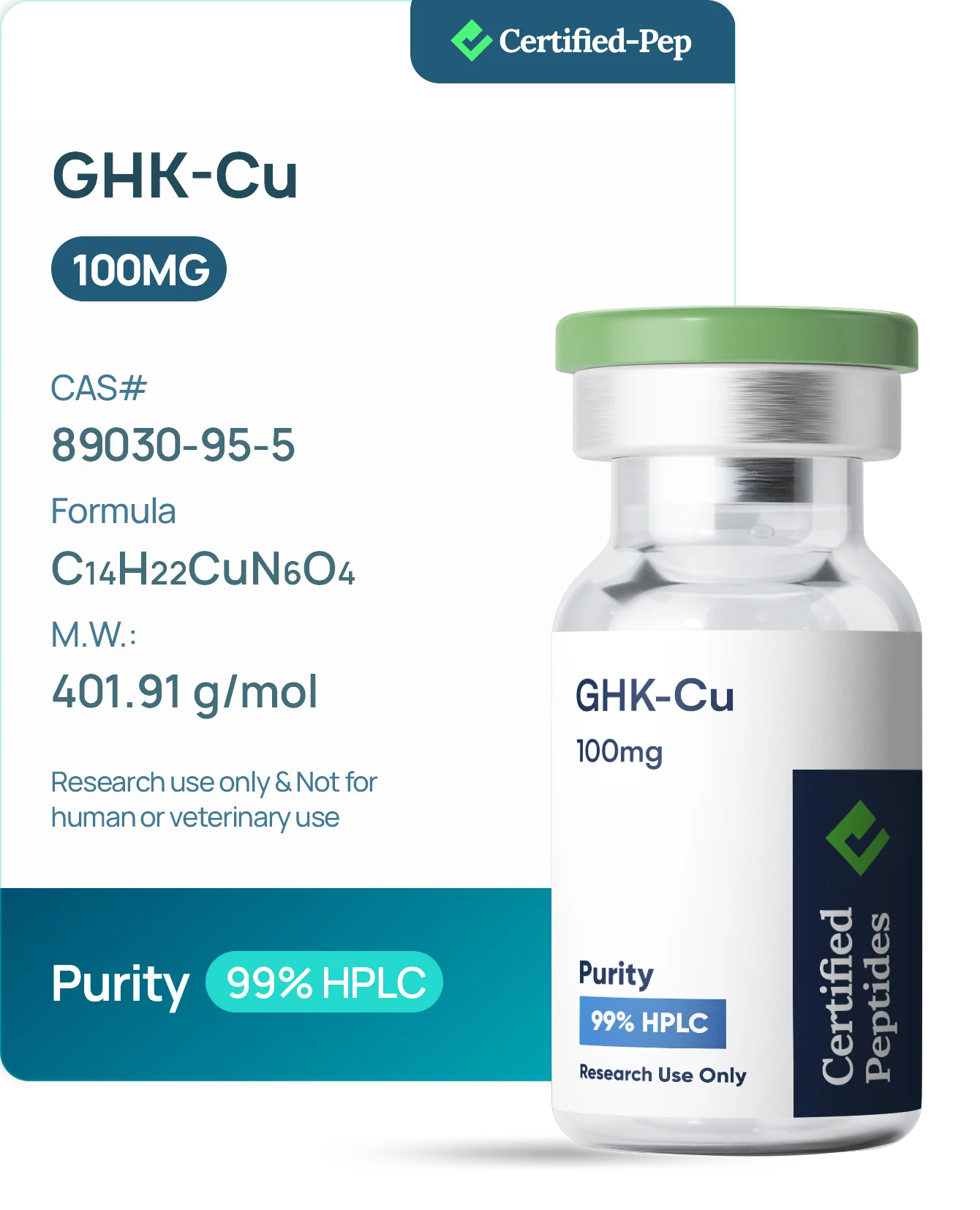
GHKCU 100 MG
USD 59.00
In stock
Last synced: 2026-11-16 10:13
Add to retailer cart ↗View product details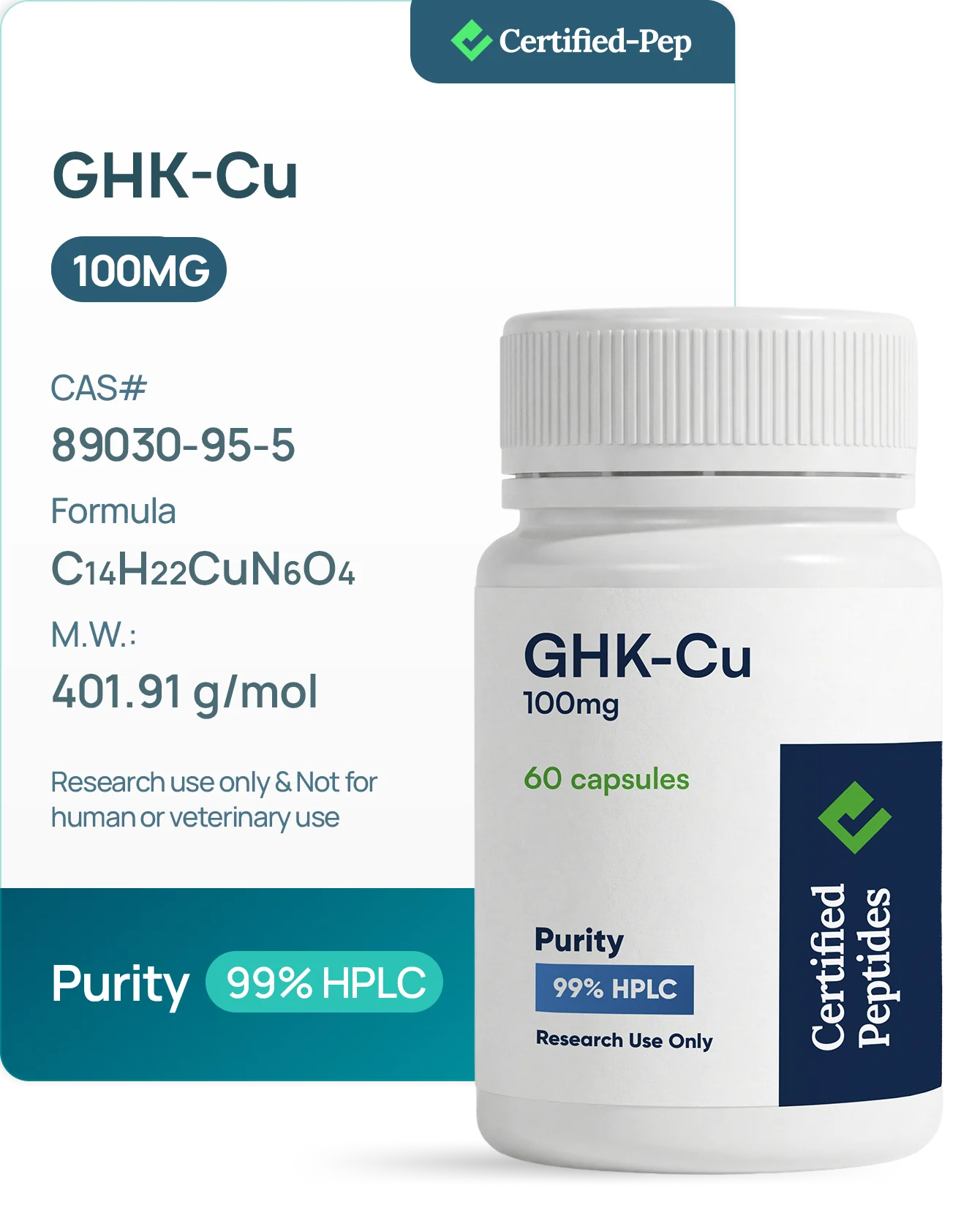
GHK-CU 2MG 60 CAPSULES
USD 198.00 USD 160.00
In stock
Last synced: 2026-11-16 10:13
Add to retailer cart ↗View product details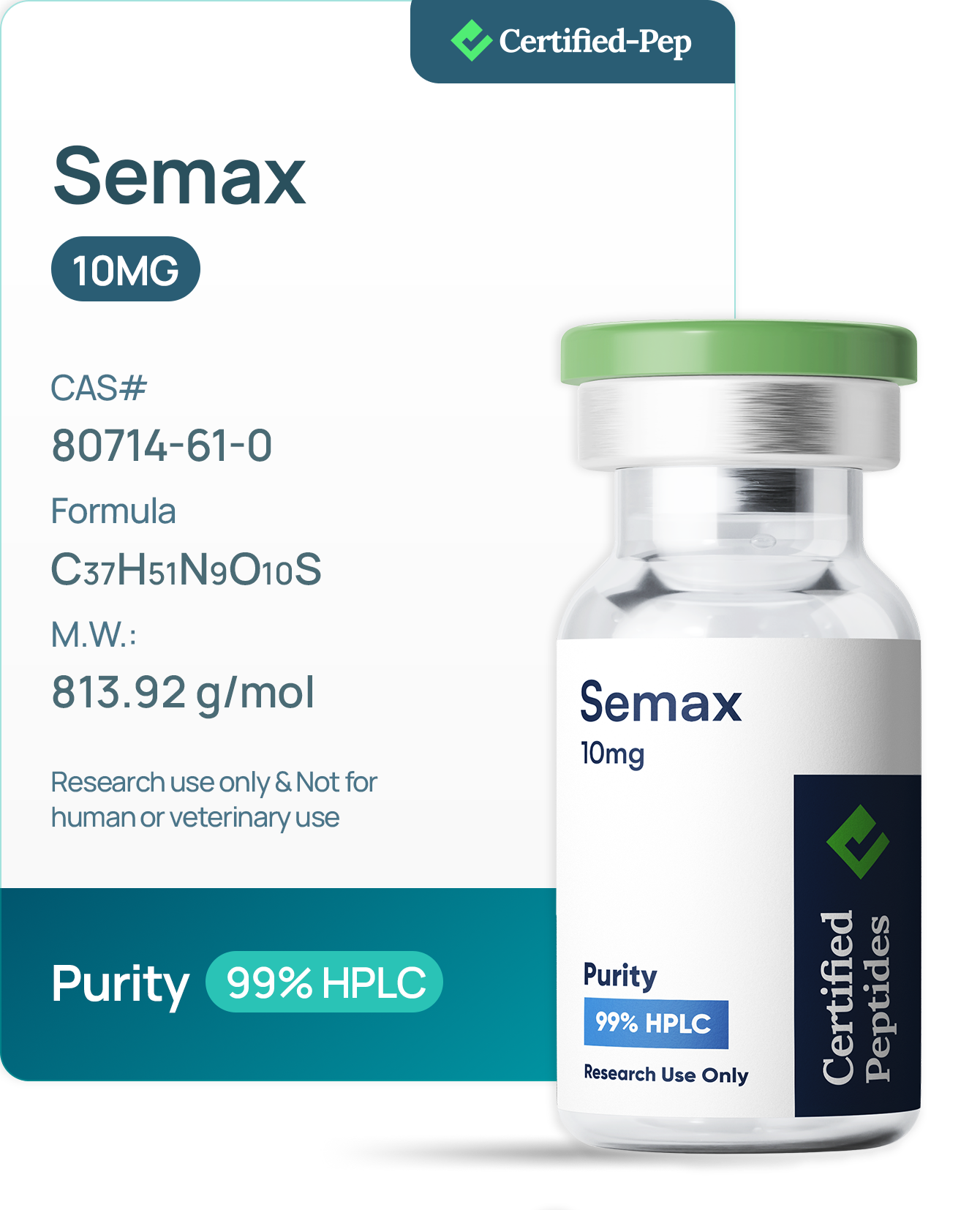
SEMAX 10MG
USD 54.00
In stock
Last synced: 2026-11-16 10:13
Add to retailer cart ↗View product details