
Interpreting Abstract-Only Peptide Evidence: Research Limits and Considerations
This resource examines the interpretive boundaries of peptide research when only abstracts are available, highlighting methodological, contextual, and evidentiary limitations. It distinguishes between reported findings and broader research claims, emphasizing the importance of full-text access for rigorous scientific evaluation.

Introduction: The Challenge of Abstract-Only Evidence in Peptide Research
Peptide research, particularly in the context of novel bioactive compounds like TB-500 (a synthetic derivative of thymosin β4), often progresses rapidly. However, access to only the abstract of a scientific study—without the full text—poses significant interpretive challenges. Abstracts typically summarize objectives, methods, and key findings, but lack the methodological detail, data, and nuanced discussion necessary for critical evaluation. This article explores the limitations inherent to abstract-only evidence in peptide research, using recent studies on TB-500 and related peptides as case examples, and provides a structured approach for readers to assess such evidence responsibly.
Understanding Abstracts: What Is (and Isn’t) Included?
Scientific abstracts are concise summaries intended to provide a snapshot of a study’s purpose, methods, results, and conclusions. They are not designed to replace the full article. In peptide research, abstracts may report the development of analytical methods, identification of metabolites, or preliminary biological activity, but they rarely include:
- Detailed experimental protocols (e.g., concentrations, controls, replicates)
- Statistical analyses and raw data
- Comprehensive discussion of limitations or confounding factors
- Full context for interpreting results
For example, the abstract for a study on TB-500 and its metabolites describes the development of a simultaneous analytical method and reports that the metabolite Ac-LKKTE showed significant wound healing activity in fibroblast assays, while the parent peptide and other metabolites did not show cytotoxicity Source 1. However, without access to the full text, readers cannot evaluate the experimental design, statistical rigor, or potential sources of bias.
Case Example: TB-500 Metabolism and Activity—What the Abstract Reports
The cited TB-500 study abstract outlines several key findings:
- A validated analytical method for quantifying TB-500 and its metabolites in vitro and in rat urine was developed.
- Ac-LK was the primary metabolite in rats within 0–6 hours post-administration; Ac-LKK persisted up to 72 hours.
- No cytotoxicity was observed for TB-500 or its metabolites in fibroblast assays.
- Only Ac-LKKTE showed significant wound healing activity compared to controls.
- The authors suggest that previously reported wound-healing effects of TB-500 may be attributable to this metabolite rather than the parent compound Source 1.
While these findings are intriguing, the abstract does not provide sufficient detail to assess the robustness of the data or the validity of the conclusions. For instance, the criteria for “significant” wound healing activity, the nature of the controls, and the reproducibility of the results are not described.
Analytical Method Development: Insights and Gaps from Abstracts
Analytical method development is a cornerstone of peptide research, especially for quantifying peptides and their metabolites in biological matrices. The abstract from a study on doping control analysis in horses reports:
- Use of mixed-mode anion exchange solid-phase extraction and ultra-high-performance liquid chromatography-mass spectrometry (UHPLC-MS) for seven peptides, including TB-500 and its metabolites.
- Limits of detection for all peptides were below 50 pg/mL.
- Method validation included specificity, precision, and recovery.
- The method detected N-acetylated LKKTETQ (TB-500) and its metabolite N-acetylated LK in plasma after subcutaneous administration in horses Source 2.
However, the abstract does not specify the validation results in detail, such as inter-assay variability, matrix effects, or potential cross-reactivity. Nor does it discuss the broader applicability or limitations of the method in different biological contexts.
Distinguishing a Single Study from the Broader Research Landscape
A critical limitation of relying on abstract-only evidence is the risk of overgeneralizing from a single study. Abstracts may highlight novel findings or methodological advances, but they do not situate these results within the broader body of research. For example, the TB-500 metabolism study suggests that Ac-LKKTE may be responsible for wound healing effects, but this is a hypothesis based on a specific experimental context. Without access to:
- Replication studies
- Meta-analyses
- Contradictory findings
- Detailed discussion of alternative explanations
…it is inappropriate to extrapolate these results to broader claims about TB-500’s biological activity or therapeutic potential. Abstracts rarely address the reproducibility crisis or the variability inherent in biological systems.
Methodological and Contextual Limitations of Abstract-Only Evidence
Lack of Experimental Detail
Abstracts typically omit critical methodological information, such as: - Sample sizes and statistical power - Randomization and blinding procedures - Control group selection - Detailed assay conditions
This absence makes it impossible to assess the internal validity of the study or to replicate the work independently.
Incomplete Reporting of Results
Abstracts may selectively report positive findings or statistically significant results, omitting negative or inconclusive data. This can introduce reporting bias and skew the reader’s perception of the evidence base.
Absence of Limitations and Confounding Factors
Full-text articles usually include a discussion of study limitations, potential confounders, and the generalizability of the findings. Abstracts rarely provide this context, making it difficult to judge the reliability or applicability of the results.
No Access to Raw Data or Supplementary Materials
Critical evaluation of peptide research often requires access to raw data, supplementary figures, and detailed protocols. Abstracts do not provide these resources, limiting transparency and reproducibility.
Practical Checklist for Reading Abstract-Only Peptide Evidence
When encountering peptide research where only the abstract is available, consider the following:
- Scope: What is the primary research question? Is it methodological, mechanistic, or exploratory?
- Model System: Are the findings from in vitro, animal, or ex vivo models? Abstracts may not always specify.
- Endpoints: What outcomes are reported (e.g., metabolite identification, wound healing activity)?
- Controls: Are control groups or conditions mentioned?
- Statistical Significance: Are results described as “significant”? Is the basis for this claim clear?
- Limitations: Does the abstract acknowledge any limitations or uncertainties?
- Generalizability: Are the findings presented as preliminary, or are broader claims made?
- Replication: Is there mention of independent validation or corroboration by other studies?
Applying this checklist can help readers avoid overinterpretation and recognize the boundaries of abstract-only evidence.
Reader Questions: Navigating Uncertainty in Peptide Research
- How can I distinguish between a hypothesis and a demonstrated effect in an abstract?
- What are the risks of basing research or clinical decisions on abstract-only evidence?
- How do I know if the reported findings are relevant to my research context or model system?
- Are there resources or strategies for accessing full-text articles when only abstracts are available?
These questions highlight the importance of critical appraisal and the need for transparency in reporting peptide research.
Evidence Limitations: Why Full-Text Access Matters
The limitations of abstract-only evidence are particularly acute in peptide research, where experimental details and context are crucial for interpretation. For example, the TB-500 studies cited here provide valuable insights into analytical methods and metabolite identification, but they do not allow for:
- Assessment of experimental rigor or reproducibility
- Evaluation of statistical methods or data quality
- Understanding of potential conflicts of interest or funding sources
- Comprehensive comparison with other studies in the field
Without full-text access, readers must exercise caution and avoid drawing strong conclusions about peptide efficacy, safety, or mechanism of action. Abstracts are best viewed as entry points for further investigation, not as definitive sources of evidence.
Key Takeaways and Responsible Interpretation
- Abstracts provide a high-level overview but lack the detail necessary for rigorous scientific evaluation.
- In peptide research, especially for compounds like TB-500, abstracts may report promising findings but do not establish safety, efficacy, or mechanism without full methodological transparency.
- Readers should avoid extrapolating from single-study abstracts to broader claims about peptide activity or therapeutic potential.
- A structured approach—focusing on scope, model system, endpoints, controls, and limitations—can help mitigate the risks of overinterpretation.
- Full-text access remains essential for critical appraisal, replication, and responsible advancement of peptide science.
For research and educational purposes only. Not medical advice. Research products are not for human or veterinary use.
Sources
- Simultaneous quantification of TB-500 and its metabolites in in-vitro experiments and rats by UHPLC-Q-Exactive orbitrap MS/MS and their screening by wound healing activities in-vitro. https://pubmed.ncbi.nlm.nih.gov/38382158/
- Doping control analysis of seven bioactive peptides in horse plasma by liquid chromatography-mass spectrometry. https://pubmed.ncbi.nlm.nih.gov/23318763/
Continue exploring
TRACE THE EVIDENCE
Sources & further reading
RELATED PRODUCT INFORMATION
From the Certified Pep catalog.
Product references are informational, not a recommendation for human use. Prices and availability must be verified at retailer checkout.
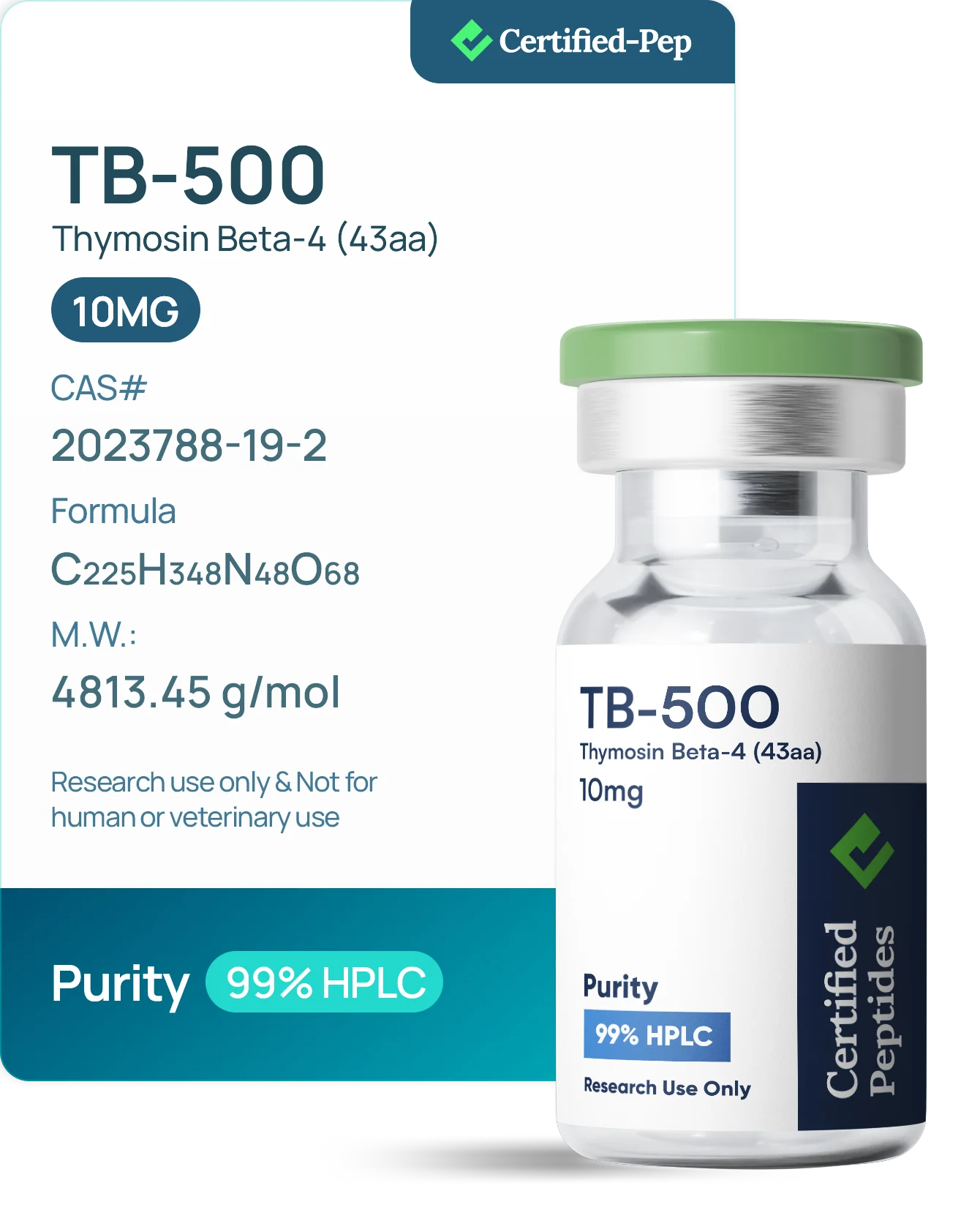
TB-500 10 MG
USD 70.00
In stock
Last synced: 2026-11-16 10:13
Add to retailer cart ↗View product details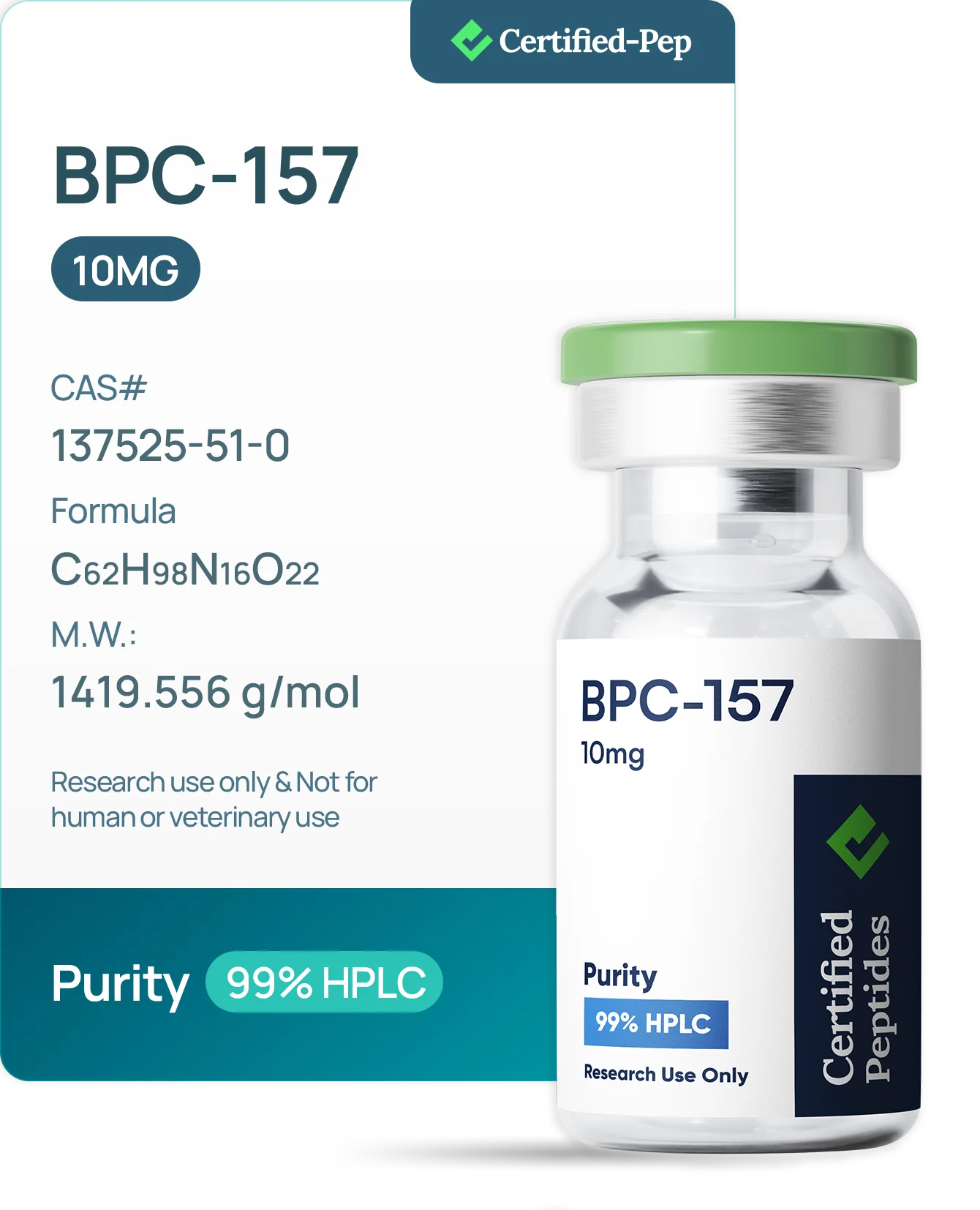
BPC-157 10 MG
USD 60.00
In stock
Last synced: 2026-11-16 10:13
Add to retailer cart ↗View product details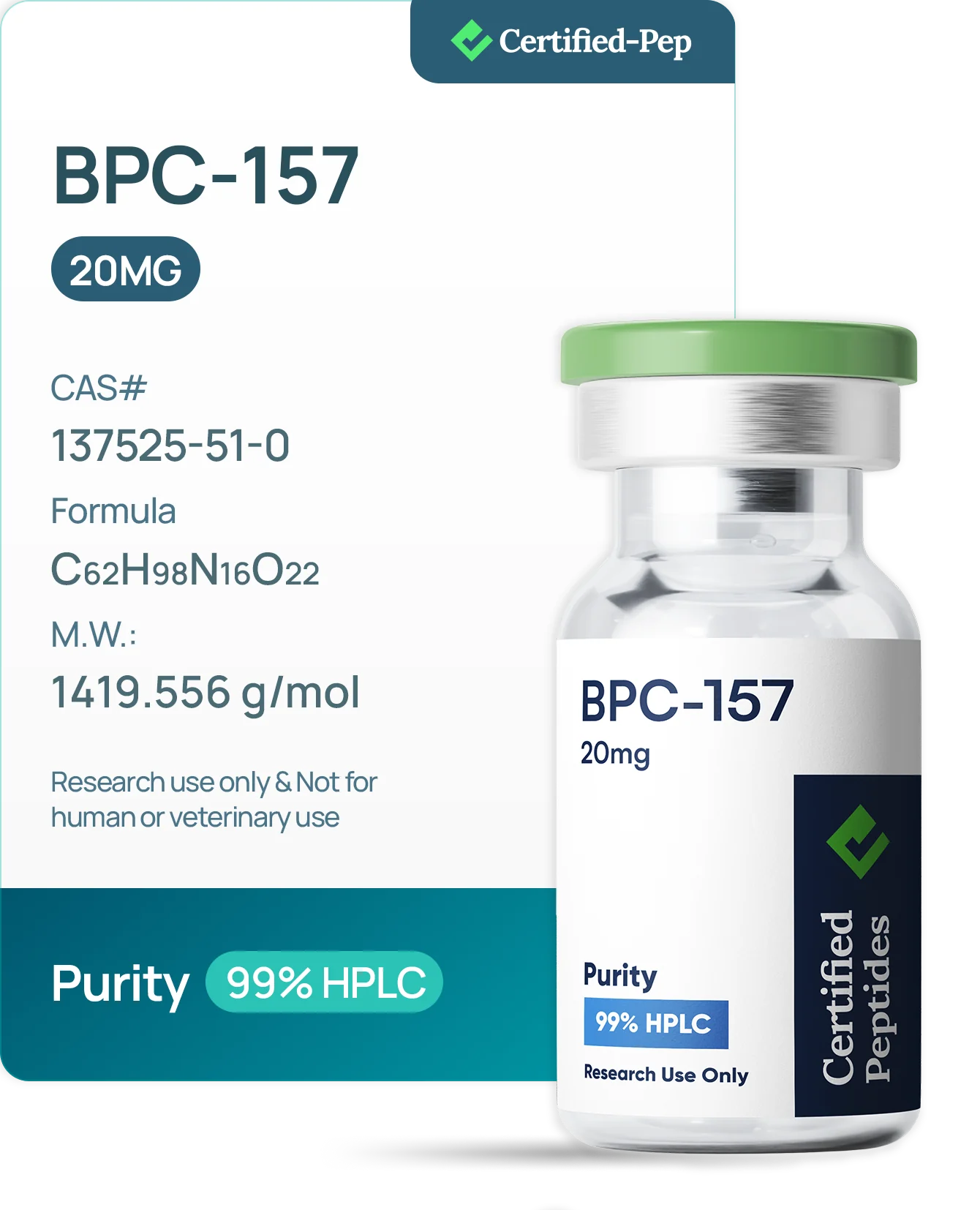
BPC-157 20 MG
USD 90.00
In stock
Last synced: 2026-11-16 10:13
Add to retailer cart ↗View product details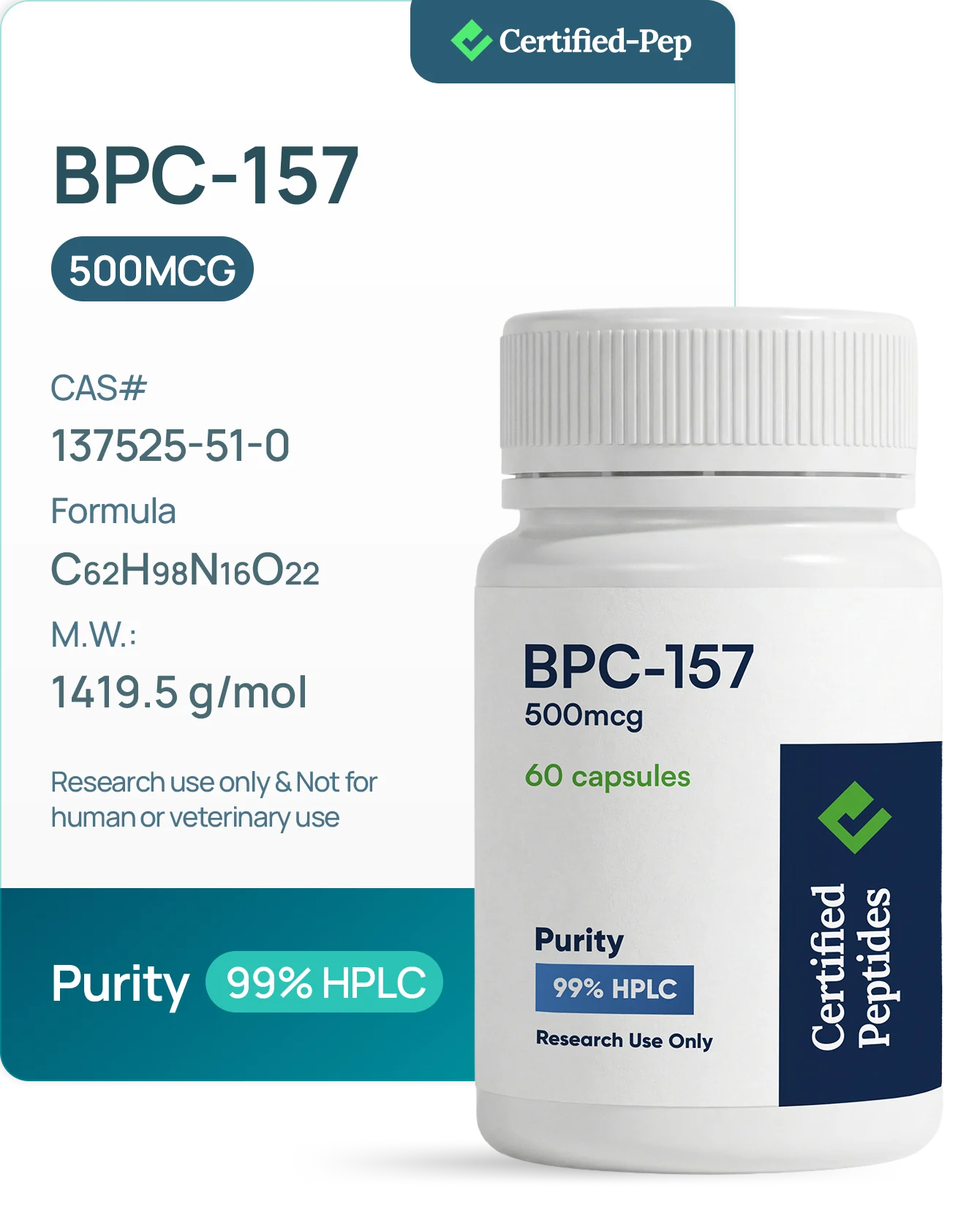
BPC-157 500 mcg 60 CAPSULES
USD 160.00 USD 100.00
In stock
Last synced: 2026-11-16 10:13
Add to retailer cart ↗View product details