
Solid-Phase Peptide Synthesis: Principles, Advances, and Limitations in Modern Research
Solid-phase peptide synthesis (SPPS) is a foundational technique for producing peptides in research and drug development. This article explains the SPPS process, its methodological strengths, and the specific limitations highlighted in a recent review, with a focus on evidence-based interpretation for technically literate readers.

Solid-phase peptide synthesis (SPPS) is a cornerstone technology in peptide research, enabling the efficient and automated assembly of peptides for biochemical, pharmaceutical, and structural studies. Since its introduction by Merrifield in 1963, SPPS has revolutionized the field by simplifying peptide production and facilitating the development of therapeutic peptides. This article provides a detailed, evidence-based overview of SPPS, its operational principles, methodological advances, and the limitations described in a recent comprehensive review. The discussion is strictly limited to research findings and does not infer clinical or product quality claims.
For research and educational purposes only. Not medical advice. Research products are not for human or veterinary use.
Understanding Solid-Phase Peptide Synthesis (SPPS)
SPPS is a chemical method for assembling peptides by sequentially coupling protected amino acids to a growing chain anchored to an insoluble polymeric resin. The process involves cycles of amino acid coupling and deprotection, allowing for the stepwise construction of peptides in a controlled and automated fashion. The review by Wang et al. (2022) emphasizes that SPPS has become the preferred method for laboratory-scale peptide synthesis due to its operational simplicity and compatibility with automation Source 1.
Key Steps in SPPS
- Resin Attachment: The C-terminal amino acid is covalently attached to a solid resin, such as Wang or Merrifield resin.
- Protection/Deprotection: Amino groups and side chains are protected to prevent undesired reactions. Two main strategies are used: Fmoc (fluorenylmethyloxycarbonyl) and Boc (t-butyloxycarbonyl) chemistry.
- Coupling: The next protected amino acid is activated and coupled to the free amine of the growing chain.
- Cleavage: Once the sequence is complete, the peptide is cleaved from the resin and deprotected to yield the final product.
Automation and Scale
Modern SPPS is often performed using automated synthesizers, which can handle multiple sequences in parallel and employ heating (microwave or infrared) to accelerate reactions. This automation is particularly advantageous for research applications requiring rapid synthesis of peptide libraries Source 1.
Historical Context and Impact on Peptide Research
The development of SPPS marked a paradigm shift in peptide chemistry. Prior to SPPS, peptide synthesis relied on solution-phase methods, which were labor-intensive and less amenable to automation. The review notes that SPPS facilitated the production of peptides for both fundamental research and drug development, contributing to the approval of numerous peptide-based therapeutics Source 1.
Research Applications
- Structure-Activity Relationship (SAR) Studies: SPPS enables systematic modification of peptide sequences to probe biological activity.
- Peptide Libraries: High-throughput synthesis of diverse peptide sequences for screening.
- Modified Peptides: Introduction of non-natural amino acids, cyclization, and backbone modifications for stability and activity studies.
Methodological Advances in SPPS
The review highlights several methodological improvements in SPPS that address common synthetic challenges:
Resin and Linker Innovations
- Functionalized Resins: Development of resins with tailored linkers allows for the synthesis of longer peptides and facilitates cyclization.
- Low-Substitution Resins: Used to reduce peptide aggregation during synthesis of long sequences.
Deprotection Strategies
- Fmoc-SPPS: Preferred for its mild deprotection conditions, reducing side reactions and toxicity compared to Boc-SPPS.
- Boc-SPPS: Still used for long peptides where aggregation is problematic, as its deprotection chemistry can disrupt peptide aggregation.
Reaction Optimization
- Microwave and Infrared Heating: Accelerate coupling and deprotection steps, reducing synthesis time.
- Mixed Solvents and Pseudoprolines: Employed to minimize aggregation and improve yields for challenging sequences.
Automation
- Automated Synthesizers: Capable of parallel synthesis and real-time monitoring, increasing throughput and reproducibility.
Limitations of Solid-Phase Peptide Synthesis
Despite its transformative impact, SPPS is not without significant limitations, as detailed in the cited review Source 1. Understanding these constraints is essential for interpreting peptide research and planning experimental strategies.
Peptide Length and Aggregation
- Length Limitations: SPPS is most effective for peptides under 50 residues. Synthesis of longer peptides is challenging due to incomplete coupling, aggregation, and side reactions.
- Aggregation: Long or hydrophobic sequences tend to aggregate on the resin, reducing coupling efficiency and product purity.
Side Reactions and Impurities
- Aspartimide Formation: Certain sequences, especially those containing aspartic acid, are prone to aspartimide side reactions, which lower purity.
- Incomplete Reactions: Inefficient coupling or deprotection can lead to truncated or deletion sequences, complicating purification.
Scale-Up Challenges
- Laboratory vs. Industrial Scale: While SPPS is highly effective at laboratory scale, scaling up to industrial production of long peptides (>50 amino acids) remains difficult. Large-scale reactors and uniform heating are required, but current technologies may lead to nonhomogeneous conditions and byproduct formation.
Environmental and Safety Considerations
- Toxic Reagents: Boc-SPPS uses trifluoroacetic acid and hydrogen fluoride, which are hazardous and require careful handling.
- Waste Generation: SPPS generates significant chemical waste, particularly from repeated deprotection and washing steps.
Strategies to Address SPPS Limitations
The review outlines several approaches developed to mitigate SPPS limitations, though none fully resolve all challenges:
Reducing Aggregation
- Low-Substitution Resins: Lower resin loading decreases peptide density and aggregation.
- Pseudoprolines and Backbone Modifications: Disrupt hydrogen bonding and reduce aggregation during chain elongation.
Minimizing Side Reactions
- Microwave-Assisted Synthesis: Shortens reaction times, reducing opportunities for side reactions.
- Additives: Use of 1-hydroxybenzotriazole (HOBt) or Oxyma Pure during deprotection can suppress aspartimide formation.
Improving Purification
- Analytical Advances: Improved chromatographic and mass spectrometric methods facilitate identification and removal of impurities.
Alternative Synthesis Methods
- Recombinant Expression: For very long or complex peptides, recombinant DNA technology may be preferable, though it has its own limitations regarding sequence flexibility and post-translational modifications.
Research Context: SPPS in Peptide Drug Discovery
SPPS remains integral to the discovery and optimization of peptide therapeutics. The review describes how SPPS enables: - Rapid Synthesis of Analogs: Facilitates SAR studies and optimization of lead compounds. - Incorporation of Non-Natural Amino Acids: Allows for backbone and side-chain modifications to improve stability and activity. - Cyclization and Stapling: Chemical strategies for stabilizing secondary structures and enhancing bioactivity.
However, the review also notes that while SPPS is suitable for producing research-grade peptides and some clinical candidates, the production of long, highly modified, or large-scale peptides may require alternative or hybrid approaches Source 1.
Checklist for Interpreting SPPS-Based Peptide Research
When evaluating research articles or data involving SPPS, consider the following: - Peptide Length: Is the sequence within the practical range for SPPS (<50 residues)? - Purity and Characterization: Are analytical methods (e.g., HPLC, MS) reported for confirming sequence and purity? - Aggregation and Side Reactions: Are strategies described for minimizing aggregation or aspartimide formation? - Scale and Automation: Was synthesis performed manually or using automated synthesizers? - Limitations Acknowledged: Does the study discuss potential synthetic artifacts or limitations relevant to the findings?
Reader Questions and Practical Considerations
- How does SPPS compare to recombinant expression for long peptides? SPPS offers greater flexibility for sequence modification but is less suitable for very long peptides, where recombinant methods may be preferred.
- What are the most common sources of impurities in SPPS products? Incomplete coupling, deprotection failures, and side reactions such as aspartimide formation are primary sources.
- Can SPPS be used for cyclic or stapled peptides? Yes, with appropriate resin and linker strategies, SPPS can be adapted for cyclization and secondary structure stabilization.
Evidence Limitations and Research Gaps
The review by Wang et al. (2022) provides a comprehensive summary of SPPS methodology and its limitations, but several caveats should be noted: - Scope of Review: The article synthesizes findings from multiple studies but does not present new experimental data. - Technological Advances: While recent improvements are discussed, the review may not capture the very latest developments in SPPS hardware or green chemistry approaches. - Comparative Data: Direct comparisons between SPPS and alternative methods (e.g., recombinant expression) are context-dependent and may not generalize across all peptide types. - Scale-Up Solutions: The review acknowledges ongoing challenges in large-scale synthesis but does not provide detailed solutions, reflecting the current state of the field.
Key Takeaways
- SPPS is a foundational technique for peptide synthesis in research, enabling rapid, automated, and flexible assembly of peptides up to ~50 residues.
- Methodological advances have improved efficiency and reduced some side reactions, but challenges remain for long, hydrophobic, or aggregation-prone sequences.
- Limitations include peptide length, aggregation, side reactions (notably aspartimide formation), and scale-up difficulties.
- Researchers should critically assess SPPS-based studies for sequence length, purity, and acknowledgment of synthetic limitations.
- Ongoing research seeks to further optimize SPPS and develop alternative methods for challenging peptides.
For research and educational purposes only. Not medical advice. Research products are not for human or veterinary use.
Sources
- Wang L, Wang N, Zhang W, et al. Therapeutic peptides: current applications and future directions. Signal Transduct Target Ther. 2022;7:48. https://pmc.ncbi.nlm.nih.gov/articles/PMC8844085/
Continue exploring
TRACE THE EVIDENCE
Sources & further reading
RELATED PRODUCT INFORMATION
From the Certified Pep catalog.
Product references are informational, not a recommendation for human use. Prices and availability must be verified at retailer checkout.
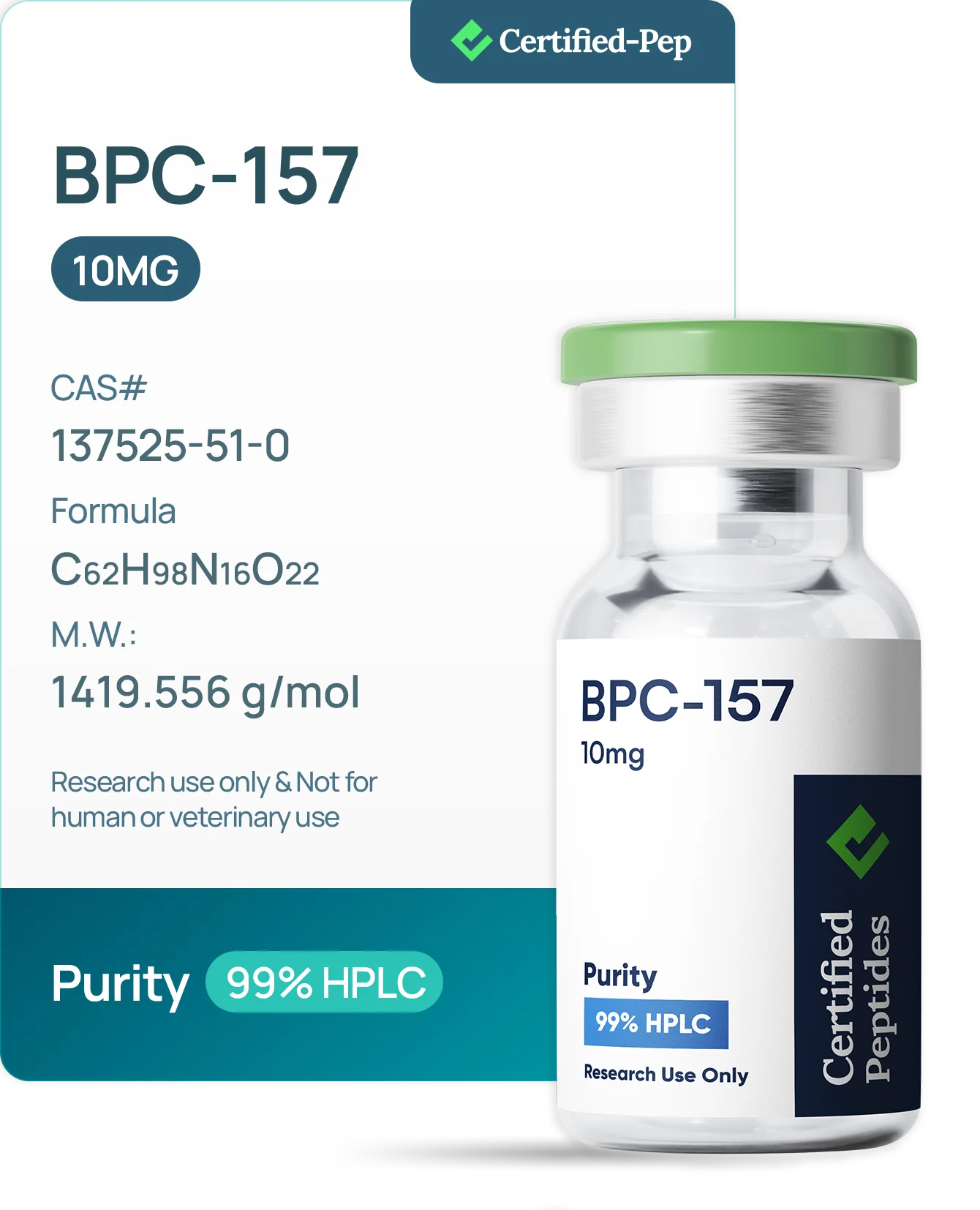
BPC-157 10 MG
USD 60.00
In stock
Last synced: 2026-11-16 10:13
Add to retailer cart ↗View product details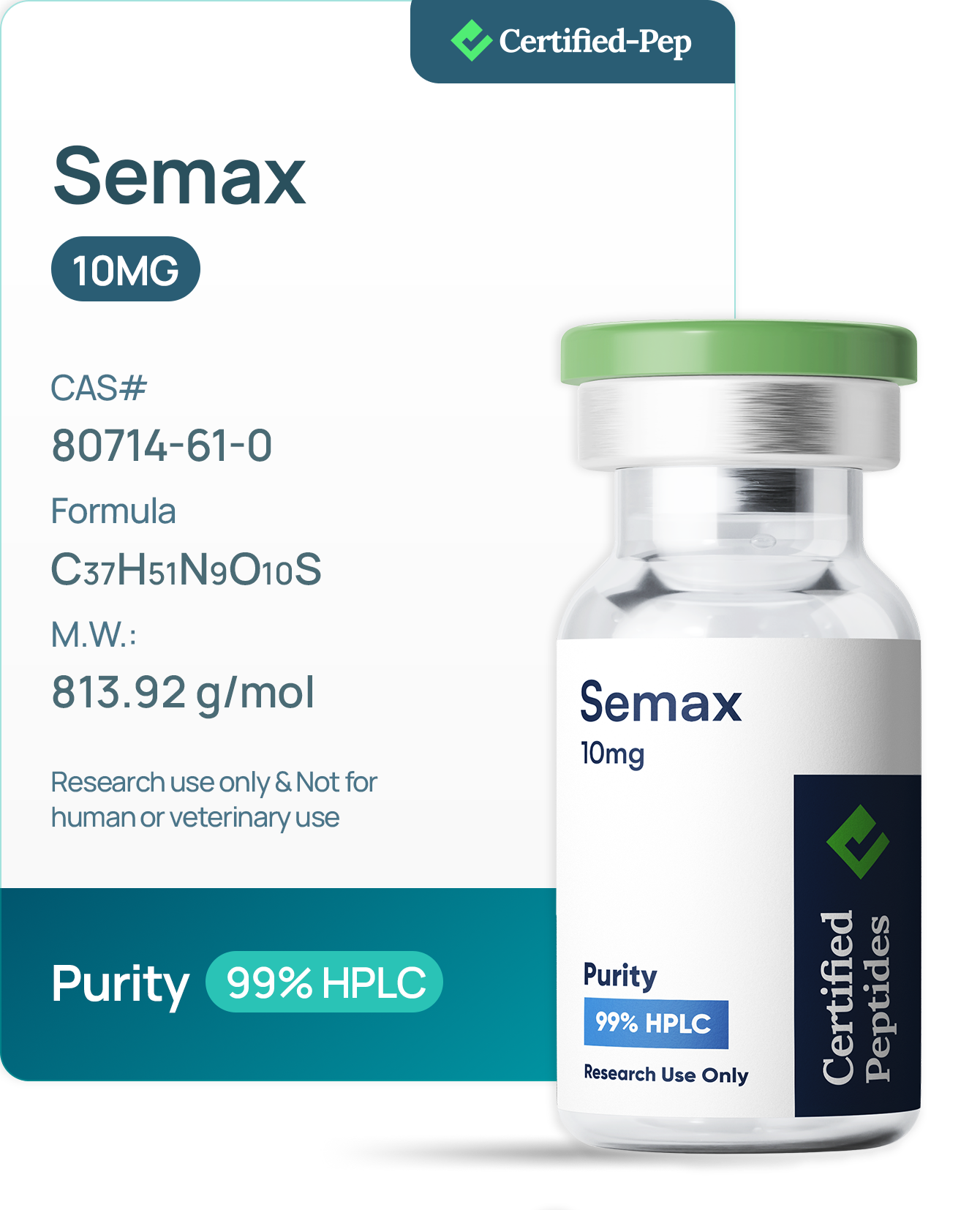
SEMAX 10MG
USD 54.00
In stock
Last synced: 2026-11-16 10:13
Add to retailer cart ↗View product details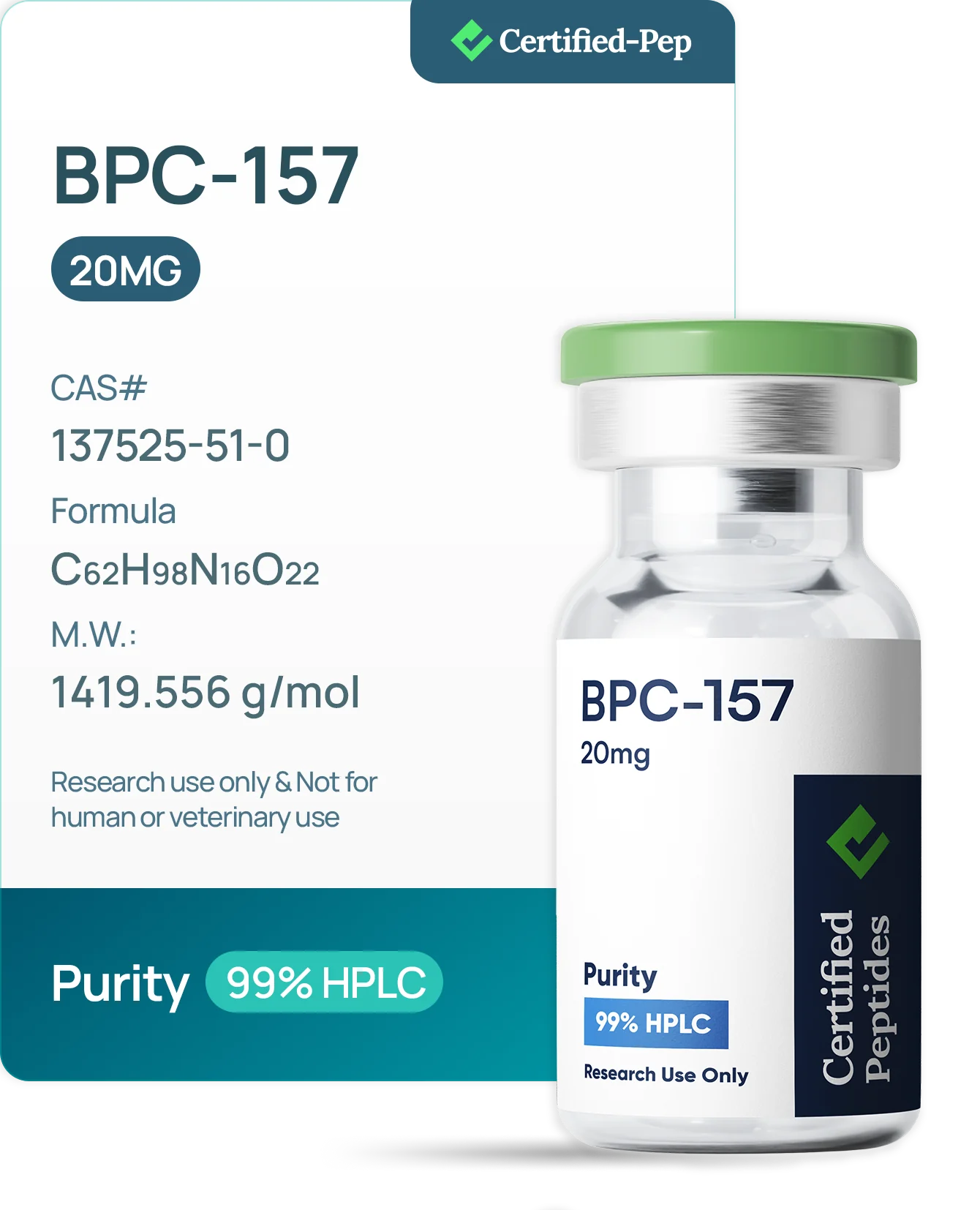
BPC-157 20 MG
USD 90.00
In stock
Last synced: 2026-11-16 10:13
Add to retailer cart ↗View product details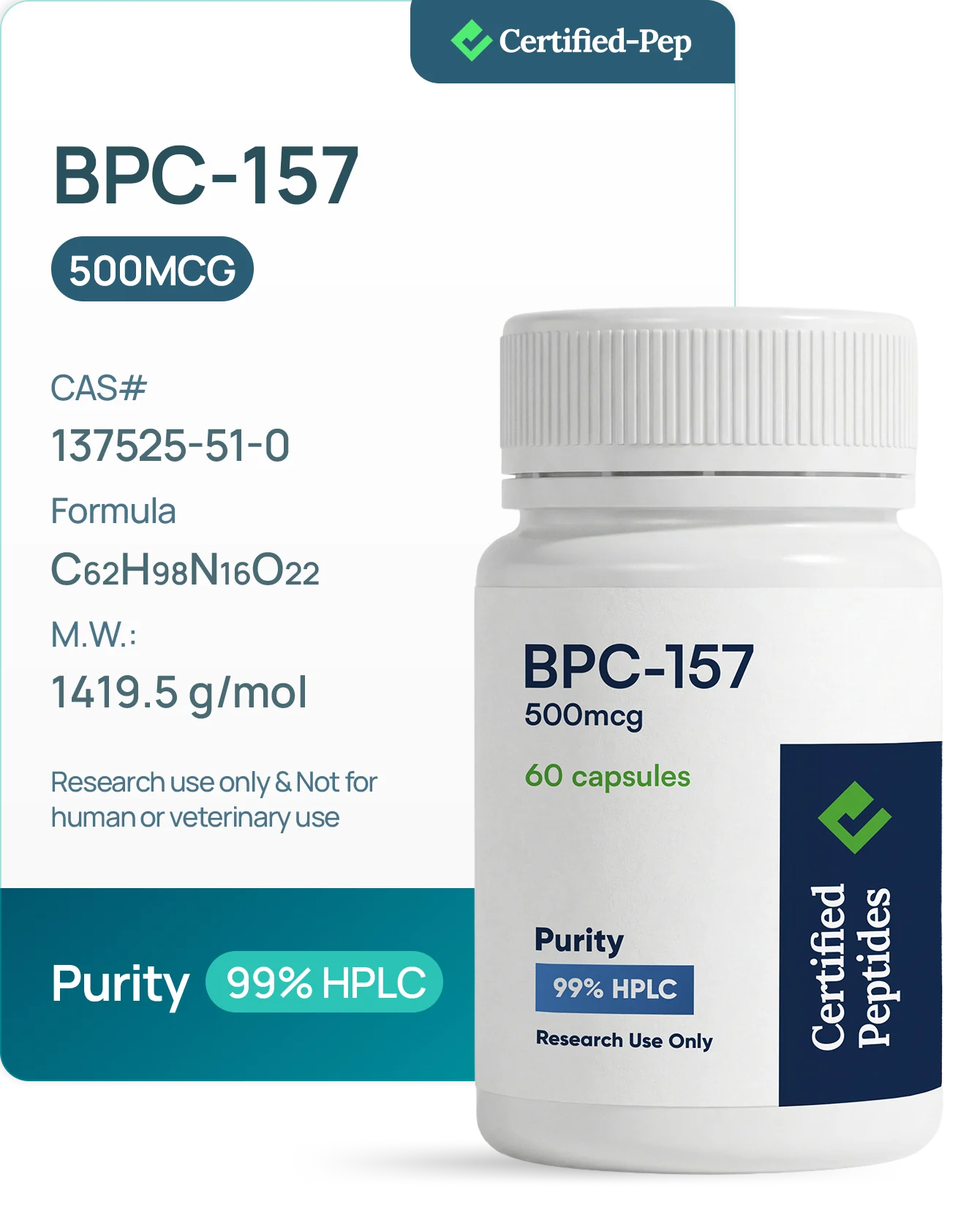
BPC-157 500 mcg 60 CAPSULES
USD 160.00 USD 100.00
In stock
Last synced: 2026-11-16 10:13
Add to retailer cart ↗View product details