
Comparing Fmoc and Boc Protecting-Group Strategies in Peptide Synthesis: An Evidence-Based Perspective
A technical review of Fmoc and Boc protecting-group strategies in peptide synthesis, focusing on their mechanistic differences, practical implications, and research-supported advantages and limitations. Evidence from reported studies is used to clarify their roles in modern peptide chemistry.

Understanding the differences between Fmoc (fluorenylmethyloxycarbonyl) and Boc (tert-butyloxycarbonyl) protecting-group strategies is fundamental for interpreting peptide synthesis research. Both methods are central to solid-phase peptide synthesis (SPPS), but they differ in their chemical mechanisms, deprotection conditions, and practical implications for peptide purity, yield, and scalability. This article provides a technical, evidence-based analysis of these strategies, drawing on reported findings and highlighting methodological limitations and research gaps.
Introduction to Protecting Groups in Peptide Synthesis
The Role of Protecting Groups
Peptide synthesis requires the selective formation of peptide bonds between amino acids. Protecting groups are chemical moieties temporarily attached to functional groups (typically the amine or carboxyl group) to prevent unwanted side reactions during synthesis. The choice of protecting group strategy directly impacts the efficiency, safety, and scalability of peptide production.
Historical Context and Development
The development of SPPS by Merrifield in 1963 revolutionized peptide synthesis, enabling the sequential assembly of peptides on a solid support. This approach relies on cycles of coupling and deprotection, with protecting groups like Fmoc and Boc playing a pivotal role in controlling the process. Over time, both strategies have been refined to address challenges such as peptide aggregation, incomplete reactions, and side-product formation Source 1.
Mechanistic Differences Between Fmoc and Boc Strategies
Fmoc (Fluorenylmethyloxycarbonyl) Strategy
- Deprotection Chemistry: Fmoc groups are removed under mildly basic conditions, typically using piperidine in dimethylformamide (DMF).
- Cleavage from Resin: Final peptide cleavage from the resin is usually achieved with trifluoroacetic acid (TFA), which also removes most side-chain protecting groups.
- Advantages: The mild deprotection conditions minimize side reactions and are compatible with a wide range of amino acid side chains.
Boc (tert-Butyloxycarbonyl) Strategy
- Deprotection Chemistry: Boc groups are removed using strong acids, most commonly TFA.
- Cleavage from Resin: The final cleavage step typically requires anhydrous hydrogen fluoride (HF), a highly corrosive and toxic reagent.
- Advantages: Acidic deprotection can disrupt peptide aggregation, which is beneficial for synthesizing long or aggregation-prone sequences.
Key Mechanistic Contrasts
- Deprotection Conditions: Fmoc uses base; Boc uses acid.
- Resin Cleavage: Fmoc peptides are cleaved with TFA; Boc peptides require HF.
- Side-Chain Compatibility: Fmoc is generally more compatible with sensitive side chains due to milder conditions.
Practical Implications in Solid-Phase Peptide Synthesis (SPPS)
Workflow and Automation
Fmoc-SPPS has become the preferred method in many research and industrial settings due to its compatibility with automated synthesizers and safer handling requirements. The use of piperidine for deprotection is less hazardous than HF, making Fmoc-SPPS more accessible for routine laboratory use Source 1.
Peptide Length and Aggregation
While Fmoc-SPPS is routine for peptides up to 50 residues, longer peptides can present challenges such as aggregation and incomplete coupling. Boc-SPPS, with its repeated acid treatments, can disrupt these aggregates, sometimes resulting in higher yields for long or difficult sequences. However, the need for HF in the final cleavage step limits its widespread use due to safety concerns.
Purity and Side Reactions
Fmoc-SPPS is associated with fewer side reactions under standard conditions, but certain sequences (e.g., those containing aspartic acid) are prone to aspartimide formation, which can reduce product purity. Boc-SPPS, while effective at minimizing aggregation, can also lead to side reactions due to the harsh acidic conditions, particularly for acid-sensitive residues Source 1.
Reported Findings on Fmoc and Boc Strategies
Comparative Studies and Observations
- Fmoc-SPPS: Research has shown that Fmoc-SPPS is well-suited for automated, high-throughput synthesis and is the method of choice for most peptides under 50 residues. It is also favored for its milder deprotection conditions and compatibility with a broad range of amino acid derivatives.
- Boc-SPPS: Studies report that Boc-SPPS remains valuable for synthesizing long or aggregation-prone peptides, as the repeated acid treatments can help maintain peptide solubility and reduce aggregation. However, the use of HF for final cleavage is a significant drawback due to toxicity and equipment requirements Source 1.
Innovations and Modifications
Recent research has focused on addressing limitations of both strategies. For Fmoc-SPPS, approaches such as using low-substitution resins, microwave-assisted synthesis, mixed solvents, and pseudoproline derivatives have been explored to reduce aggregation and improve yields. For Boc-SPPS, efforts have centered on safer alternatives to HF and optimizing deprotection protocols Source 1.
Methodological Limitations and Research Gaps
Lack of Direct Comparative Trials
Most evidence comparing Fmoc and Boc strategies comes from observational reports and technical reviews rather than controlled head-to-head studies. This limits the ability to draw definitive conclusions about relative efficiency, purity, or scalability across all peptide types.
Sequence-Dependent Outcomes
The optimal strategy often depends on the specific peptide sequence, length, and desired modifications. For example, sequences prone to aggregation or containing acid- or base-sensitive residues may require tailored approaches. Generalizations about one method being "superior" are not universally supported by the literature.
Scale-Up and Industrial Considerations
While Fmoc-SPPS is widely used for laboratory-scale synthesis, large-scale production of long peptides remains challenging for both strategies. Industrial processes may require further optimization, and the translation of laboratory findings to manufacturing scale is not always straightforward Source 1.
Interpreting Research on Protecting-Group Strategies
Checklist for Critical Reading
- Deprotection Conditions: Are the conditions compatible with the peptide sequence and desired modifications?
- Resin and Linker Choice: What resin and linker were used, and how do they affect cleavage and purity?
- Reported Yields and Purity: Are yields and purities reported for both crude and purified peptides?
- Aggregation and Side Reactions: How were aggregation and side reactions addressed or mitigated?
- Scale and Automation: Was the synthesis performed manually or with automation, and at what scale?
Reader Questions
- What are the safety implications of the chosen protecting-group strategy?
- How do the reported methods address sequence-specific challenges?
- Are there innovations or modifications that improve upon traditional Fmoc or Boc protocols?
Case Example: Fmoc-SPPS in Modern Peptide Research
A cited review highlights the widespread adoption of Fmoc-SPPS in contemporary peptide research, noting its compatibility with automated synthesizers and its role in accelerating the development of therapeutic peptides. The review also discusses ongoing efforts to address limitations such as aggregation and aspartimide formation, emphasizing the importance of continued methodological innovation Source 1.
This example illustrates how Fmoc-SPPS has become the default strategy for many applications, but also underscores the need for careful optimization and awareness of sequence-dependent challenges.
Evidence Limitations and Uncertainties
Scope of Available Evidence
The current evidence base consists primarily of technical reviews, observational reports, and methodological studies. There is a lack of large-scale, controlled comparative trials directly evaluating Fmoc and Boc strategies across diverse peptide sequences and production scales.
Generalizability
Findings from specific studies may not be generalizable to all peptide types or synthesis contexts. Laboratory-scale results may not translate directly to industrial-scale production, and sequence-specific factors can significantly influence outcomes.
Safety and Regulatory Considerations
The use of hazardous reagents (e.g., HF in Boc-SPPS) poses safety and regulatory challenges that may limit the applicability of certain strategies in some settings. These considerations are often context-dependent and may not be fully addressed in research reports.
Key Takeaways and Future Directions
- Mechanistic Differences: Fmoc and Boc strategies differ fundamentally in their deprotection chemistry and resin cleavage requirements, with Fmoc-SPPS generally offering milder, safer, and more automation-friendly conditions.
- Practical Implications: Fmoc-SPPS is preferred for most routine and automated peptide syntheses, while Boc-SPPS retains value for challenging, long, or aggregation-prone sequences.
- Research Gaps: Direct comparative studies are limited, and optimal strategy selection remains sequence- and context-dependent.
- Innovation Needed: Ongoing research aims to address limitations such as aggregation, side reactions, and scalability for both strategies.
Researchers should critically evaluate the choice of protecting-group strategy in the context of their specific peptide targets, synthesis scale, and available equipment, while remaining aware of the methodological limitations and safety considerations inherent to each approach.
Sources
- Therapeutic peptides: current applications and future directions - PMC. https://pmc.ncbi.nlm.nih.gov/articles/PMC8844085/
For research and educational purposes only. Not medical advice. Research products are not for human or veterinary use.
Continue exploring
TRACE THE EVIDENCE
Sources & further reading
RELATED PRODUCT INFORMATION
From the Certified Pep catalog.
Product references are informational, not a recommendation for human use. Prices and availability must be verified at retailer checkout.
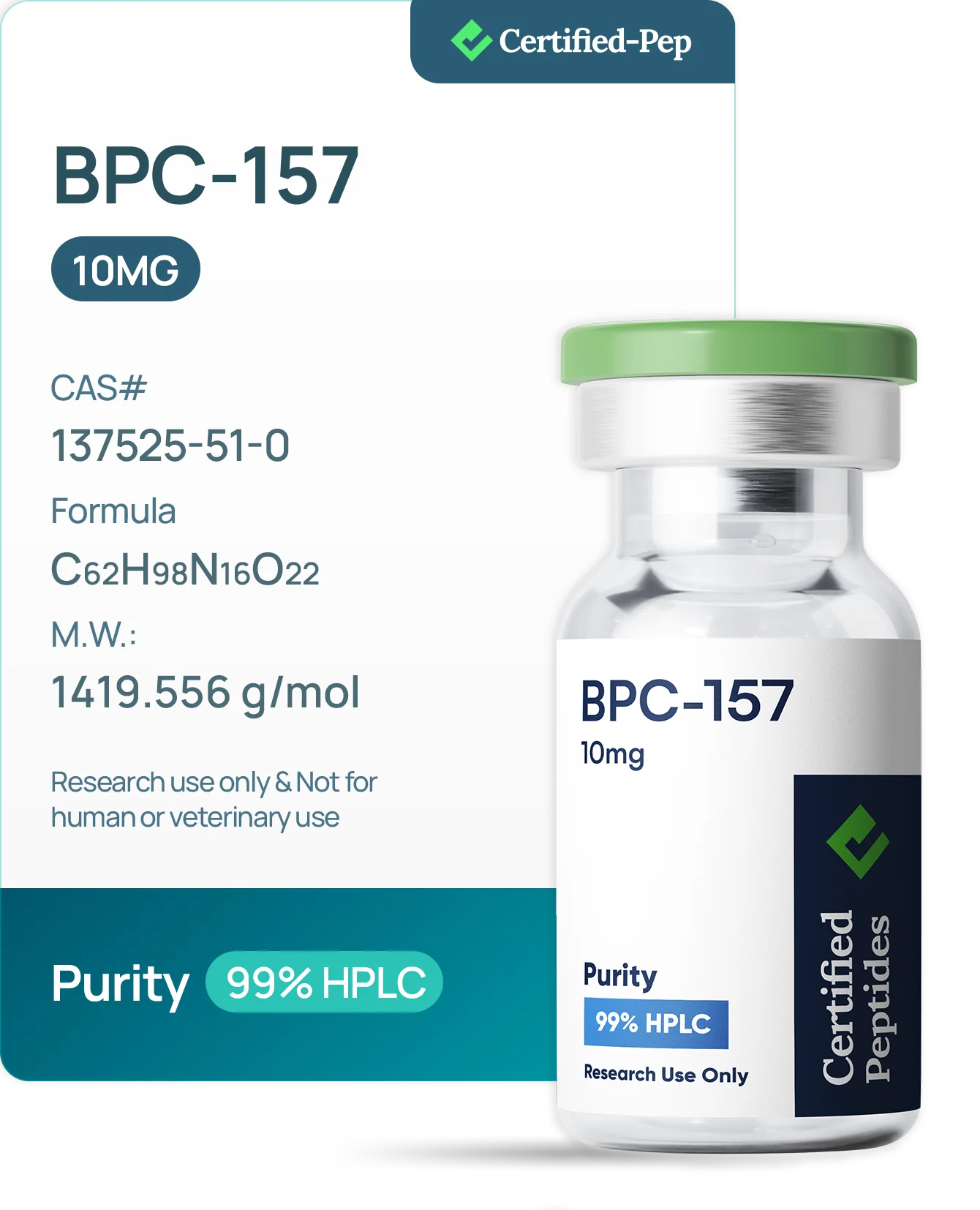
BPC-157 10 MG
USD 60.00
In stock
Last synced: 2026-11-16 10:13
Add to retailer cart ↗View product details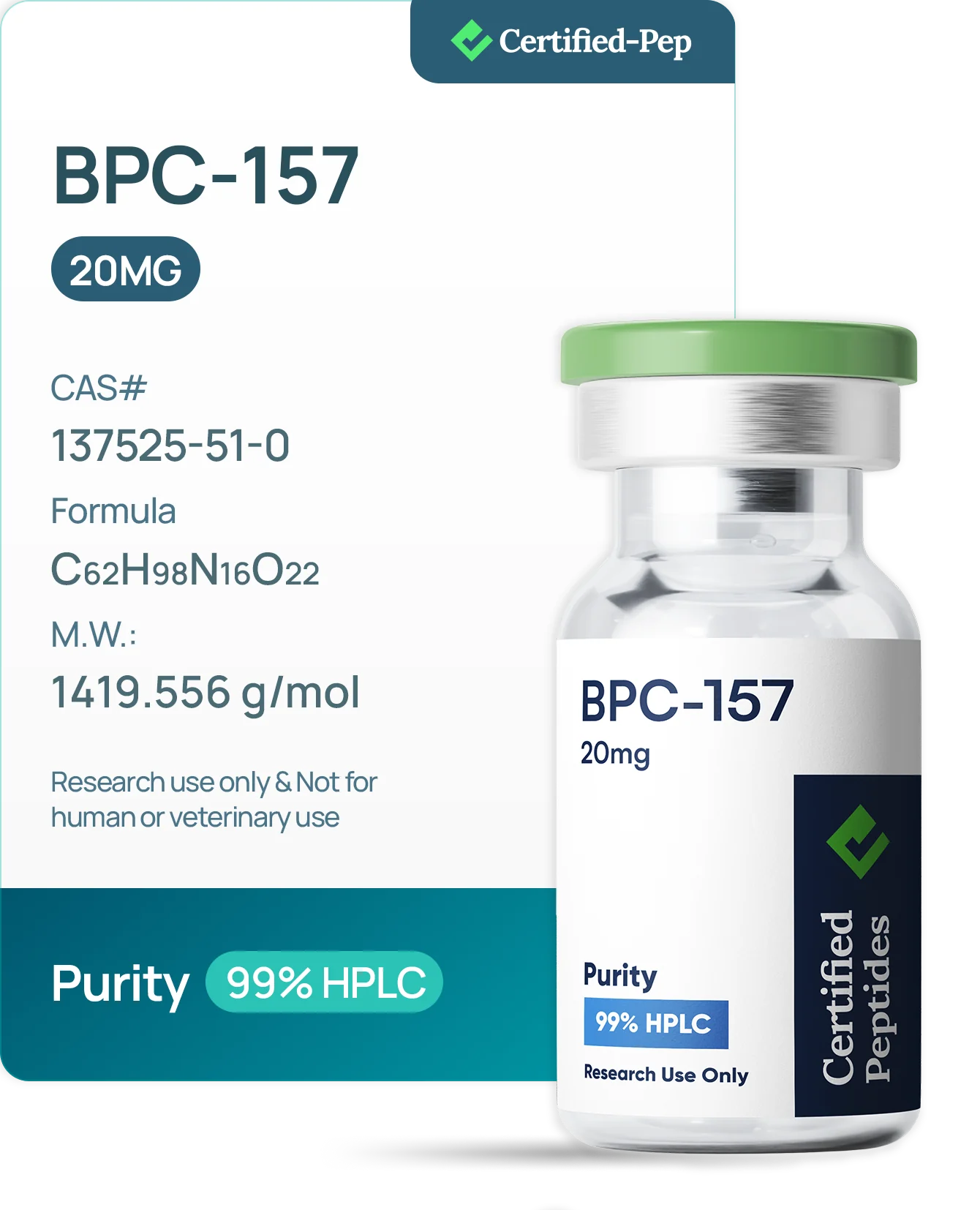
BPC-157 20 MG
USD 90.00
In stock
Last synced: 2026-11-16 10:13
Add to retailer cart ↗View product details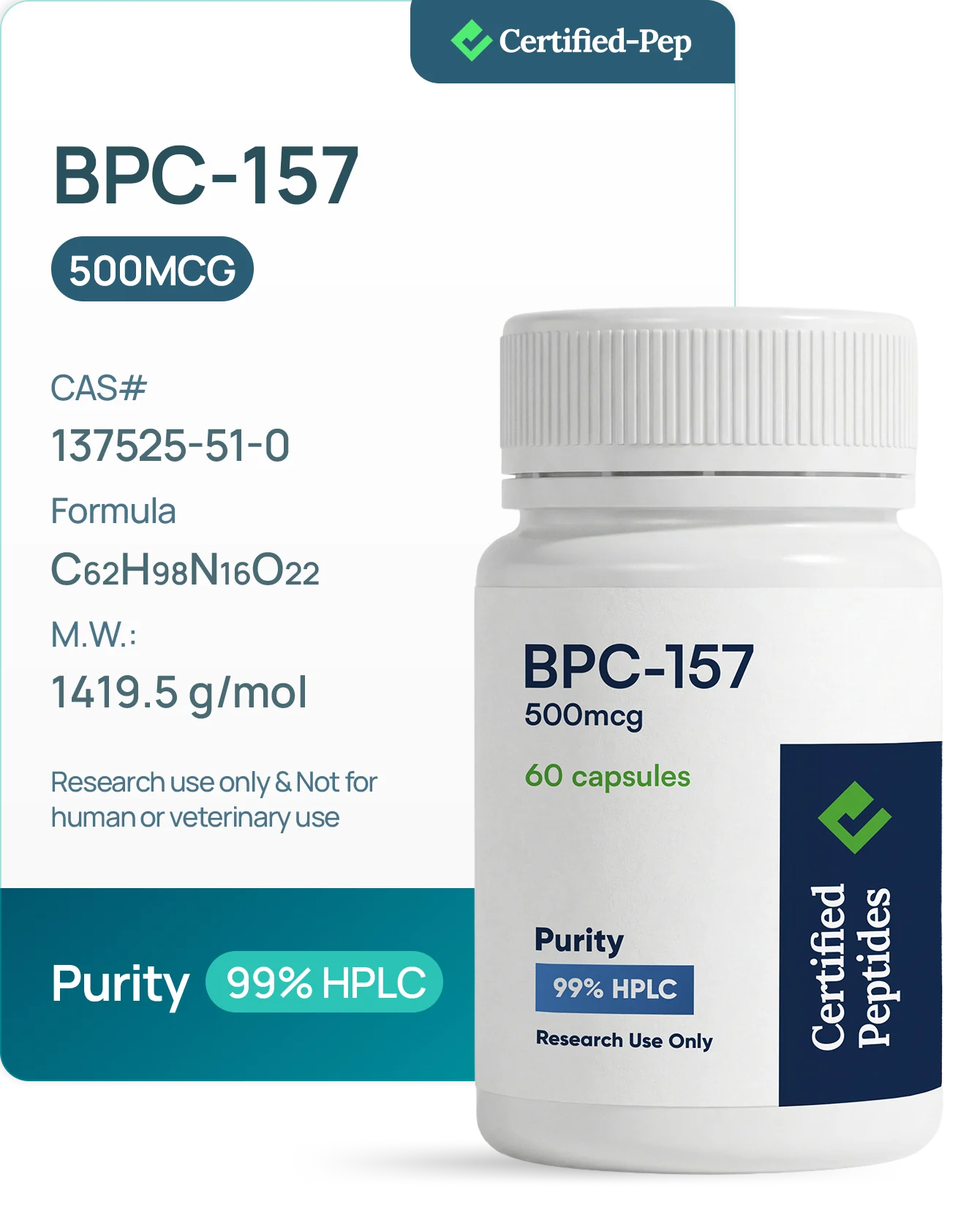
BPC-157 500 mcg 60 CAPSULES
USD 160.00 USD 100.00
In stock
Last synced: 2026-11-16 10:13
Add to retailer cart ↗View product details