
Interpreting Unchanged TGF-beta mRNA in GHK-Cu Wound Research: Evidence and Implications
A detailed analysis of what unchanged TGF-beta mRNA levels reveal about GHK-Cu's effects in rat wound models, focusing on mechanistic insights, study design, and evidence limitations.
Direct Answer: What Does Unchanged TGF-beta mRNA Indicate in GHK-Cu Wound Research?
In a controlled rat wound chamber study, administration of the copper peptide GHK-Cu (glycyl-L-histidyl-L-lysine-Cu2+) led to increased accumulation of extracellular matrix components—including collagen, DNA, total protein, and glycosaminoglycans—in healing tissue. Notably, this tissue showed increased mRNA levels for type I and III collagen, but no change in TGF-beta (transforming growth factor-beta) mRNA. This finding suggests that the observed stimulation of matrix accumulation by GHK-Cu occurs through mechanisms that do not involve upregulation of TGF-beta gene expression in this model Source 1.
Introduction: GHK-Cu and Wound Healing—A Research Overview
GHK-Cu is a naturally occurring tripeptide complexed with copper(II) ions, first identified as a growth factor for differentiated cells. It has been extensively studied in vitro and in animal models for its potential to modulate tissue repair, particularly by influencing extracellular matrix (ECM) synthesis. The wound chamber model in rats has provided a controlled environment to dissect the molecular and cellular effects of GHK-Cu on wound healing. Among the molecular endpoints measured, the expression of TGF-beta mRNA is of particular interest due to TGF-beta’s well-established role as a master regulator of wound healing and fibrosis.
This article examines the specific finding that GHK-Cu increases collagen and ECM accumulation in rat wounds without altering TGF-beta mRNA levels, exploring the mechanistic implications, study design, and limitations of the evidence.
Study Design: The Rat Wound Chamber Model and Molecular Endpoints
The referenced study utilized a well-established wound chamber model in rats, wherein stainless steel mesh cylinders were implanted subcutaneously to create a reproducible wound environment. Rats received sequential injections of either saline (control) or various concentrations of GHK-Cu directly into the wound chamber. After a defined period, the wound tissue was harvested and analyzed for multiple parameters:
- Dry weight (as a proxy for tissue accumulation)
- Total protein, collagen, DNA, elastin, glycosaminoglycans (biochemical composition)
- Specific mRNAs for type I and III collagen and TGF-beta (gene expression)
This design allowed for direct comparison of GHK-Cu’s effects on both tissue composition and gene expression, with saline-treated wounds serving as controls Source 1.
Key Findings: GHK-Cu Increases ECM Components Without TGF-beta mRNA Change
The main findings relevant to the research question are as follows:
- GHK-Cu treatment led to a concentration-dependent increase in dry weight, DNA, total protein, collagen, and glycosaminoglycan content in wound tissue.
- Collagen synthesis was stimulated to a greater extent than non-collagen proteins.
- mRNA levels for type I and III collagen were increased in GHK-Cu-treated wounds.
- TGF-beta mRNA levels were not increased by GHK-Cu treatment.
These results indicate that GHK-Cu can stimulate the accumulation of ECM and upregulate collagen gene expression in vivo, but does so without increasing TGF-beta mRNA in this rat model Source 1.
Mechanistic Implications: TGF-beta-Independent Pathways
TGF-beta is a multifunctional cytokine that plays a central role in wound healing by promoting fibroblast proliferation, ECM synthesis, and regulation of inflammation. Many agents that enhance wound healing do so, at least in part, by increasing TGF-beta expression or activity. The finding that GHK-Cu increases collagen mRNA and ECM deposition without altering TGF-beta mRNA suggests that its mechanism of action is distinct from classical TGF-beta-driven pathways.
Possible mechanistic interpretations include:
- Direct stimulation of collagen gene transcription: GHK-Cu may act directly on fibroblasts or other ECM-producing cells to enhance collagen gene expression through TGF-beta-independent signaling.
- Modulation of other growth factors or signaling pathways: The peptide could influence other cytokines, growth factors, or intracellular pathways that converge on ECM synthesis.
- Post-transcriptional or post-translational regulation: GHK-Cu might affect the stability of collagen mRNAs or the activity of enzymes involved in collagen maturation, independent of TGF-beta gene transcription.
The unchanged TGF-beta mRNA thus narrows the field of possible mechanisms and highlights the need for further research into alternative pathways activated by GHK-Cu Source 1.
Contextualizing the Findings: Comparison With Other ECM Modulators
In wound healing research, many interventions that increase ECM deposition do so by upregulating TGF-beta, which in turn stimulates fibroblast activity and collagen synthesis. For example, exogenous TGF-beta application or agents that induce TGF-beta expression typically result in both increased ECM and elevated TGF-beta mRNA/protein levels.
The GHK-Cu findings stand in contrast to this paradigm. The lack of TGF-beta mRNA induction suggests that GHK-Cu’s effects are not mediated by the canonical TGF-beta pathway. This distinction is important because TGF-beta-driven ECM accumulation is often associated with fibrosis and scarring, whereas alternative pathways may allow for enhanced repair without excessive fibrotic response. However, the referenced study did not directly assess fibrosis or scarring outcomes, so such implications remain speculative Source 1.
Strengths and Limitations of the Evidence
Strengths
- Controlled in vivo model: The rat wound chamber system allows for precise delivery of test compounds and quantitative analysis of wound tissue.
- Multiple endpoints: The study measured both biochemical (protein, collagen, glycosaminoglycan) and molecular (mRNA) outcomes, providing a comprehensive view of GHK-Cu’s effects.
- Specificity: The use of a control tripeptide (L-glutamyl-L-histidyl-L-proline) that had no significant effect strengthens the case for GHK-Cu’s specific activity.
Limitations
- Species and model specificity: Findings are limited to the rat subcutaneous wound chamber model and may not generalize to other species or wound types.
- Single time point: The study measured mRNA and tissue composition at a single endpoint, which may miss transient changes in gene expression.
- mRNA vs. protein: Only mRNA levels for TGF-beta were measured; changes in TGF-beta protein or activity (e.g., post-translational modifications, secretion) were not assessed.
- No direct mechanistic assays: The study did not dissect the intracellular signaling pathways responsible for the observed effects.
- No functional or clinical outcomes: The study focused on molecular and biochemical endpoints, not on wound closure rates, tensile strength, or scar formation.
Unresolved Questions and Future Research Directions
The observation that GHK-Cu increases ECM accumulation without altering TGF-beta mRNA raises several important questions for future research:
- What are the alternative signaling pathways activated by GHK-Cu?
- Does GHK-Cu influence TGF-beta at the protein level, or affect its activation or signaling downstream of mRNA expression?
- Are the effects of GHK-Cu on ECM accumulation associated with improved functional outcomes (e.g., faster wound closure, reduced scarring) in animal models?
- Do similar effects occur in other species or in human tissue models?
- What are the long-term consequences of GHK-Cu-induced ECM accumulation—does it promote regeneration or fibrosis?
Addressing these questions will require studies that include time-course analyses, protein-level measurements, pathway-specific inhibitors, and functional assessments in diverse models.
Broader Research Context: GHK-Cu and Gene Expression
Beyond the wound chamber model, GHK-Cu has been studied for its effects on gene expression in various cell types and tissues. For example, large-scale gene expression profiling in human cell lines has shown that GHK can modulate the expression of hundreds of genes, including those involved in tissue repair, antioxidant defense, and inflammation Source 2. However, these studies are primarily in vitro or use non-wound models, and direct relevance to TGF-beta signaling in wound healing contexts remains to be established.
It is notable that in these broader studies, GHK’s gene regulatory effects are often complex and context-dependent, with both up- and down-regulation of various pathways. The lack of TGF-beta mRNA induction in the rat wound chamber model is consistent with the idea that GHK-Cu can promote tissue repair through non-canonical mechanisms.
Key Takeaways and Evidence Limitations
- Unchanged TGF-beta mRNA in GHK-Cu-treated rat wounds indicates that the peptide’s stimulation of ECM accumulation is not mediated by upregulation of TGF-beta gene expression in this model.
- This finding distinguishes GHK-Cu from many other ECM modulators that act via TGF-beta-dependent pathways.
- The precise mechanisms by which GHK-Cu enhances collagen and ECM synthesis remain to be elucidated and may involve direct effects on fibroblast gene expression or alternative signaling cascades.
- Evidence is limited to animal models and specific experimental conditions; translation to human biology or clinical outcomes is not established.
- Further research is needed to clarify the pathways involved and to assess the functional and long-term consequences of GHK-Cu-induced ECM accumulation.
References
- In vivo stimulation of connective tissue accumulation by the tripeptide-copper complex glycyl-L-histidyl-L-lysine-Cu2+ in rat experimental wounds. https://pmc.ncbi.nlm.nih.gov/articles/PMC288419/
- The Effect of the Human Peptide GHK on Gene Expression Relevant to Nervous System Function and Cognitive Decline. https://pmc.ncbi.nlm.nih.gov/articles/PMC5332963/
For research and educational purposes only. Not medical advice. Research products are not for human or veterinary use.
Continue exploring
TRACE THE EVIDENCE
Sources & further reading
RELATED PRODUCT INFORMATION
From the Certified Pep catalog.
Product references are informational, not a recommendation for human use. Prices and availability must be verified at retailer checkout.
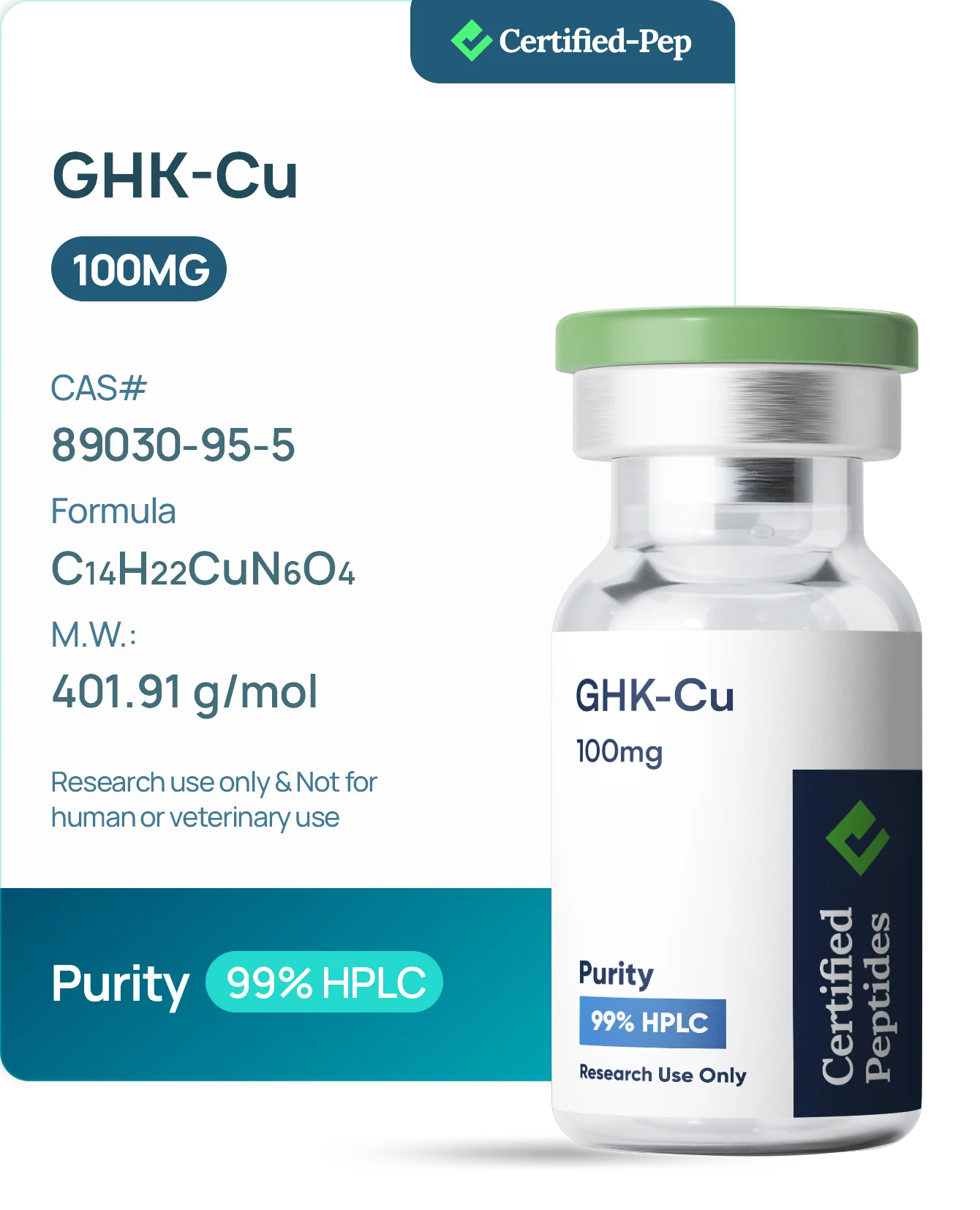
GHKCU 100 MG
USD 59.00
In stock
Last synced: 2026-11-16 10:13
Add to retailer cart ↗View product details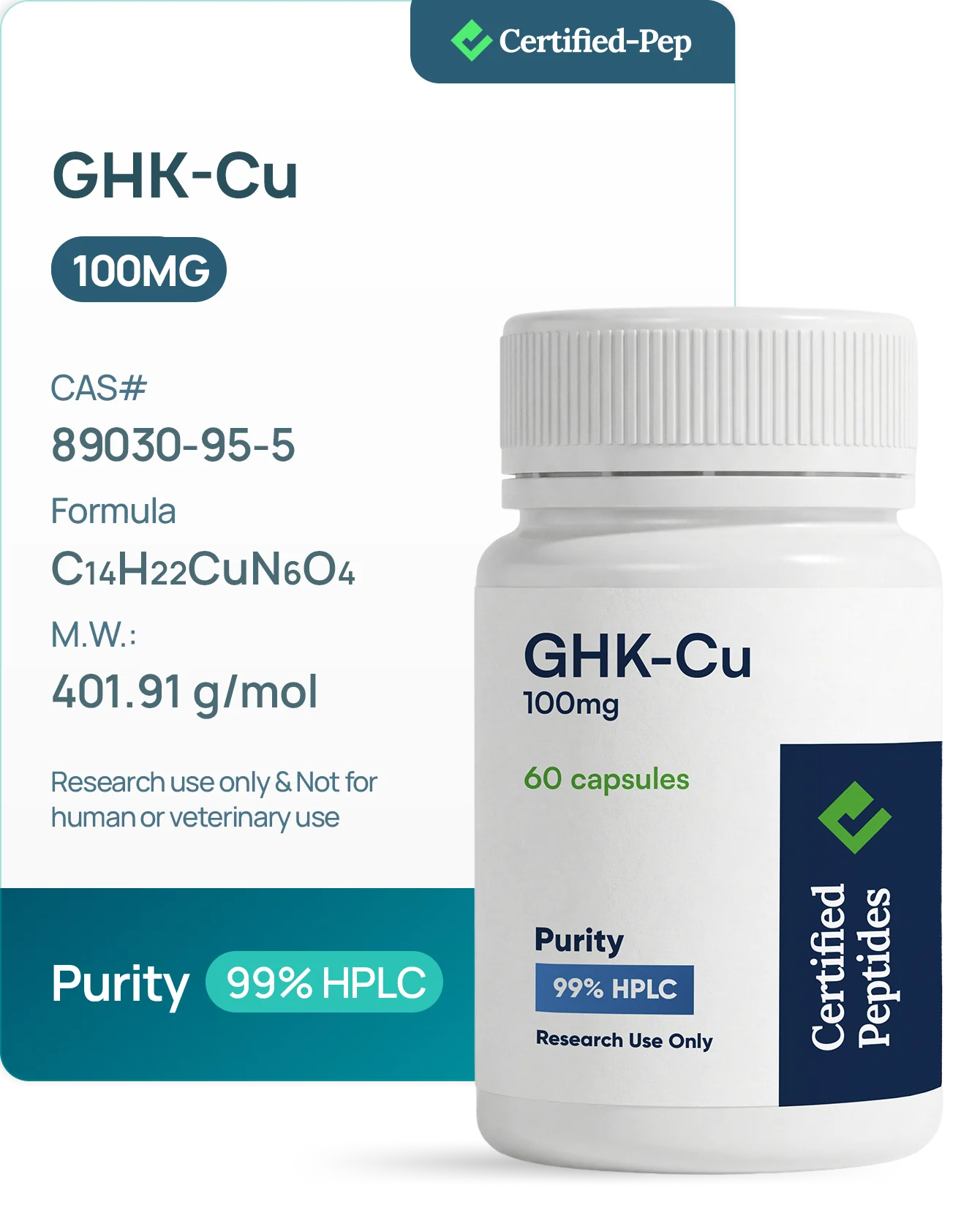
GHK-CU 2MG 60 CAPSULES
USD 198.00 USD 160.00
In stock
Last synced: 2026-11-16 10:13
Add to retailer cart ↗View product details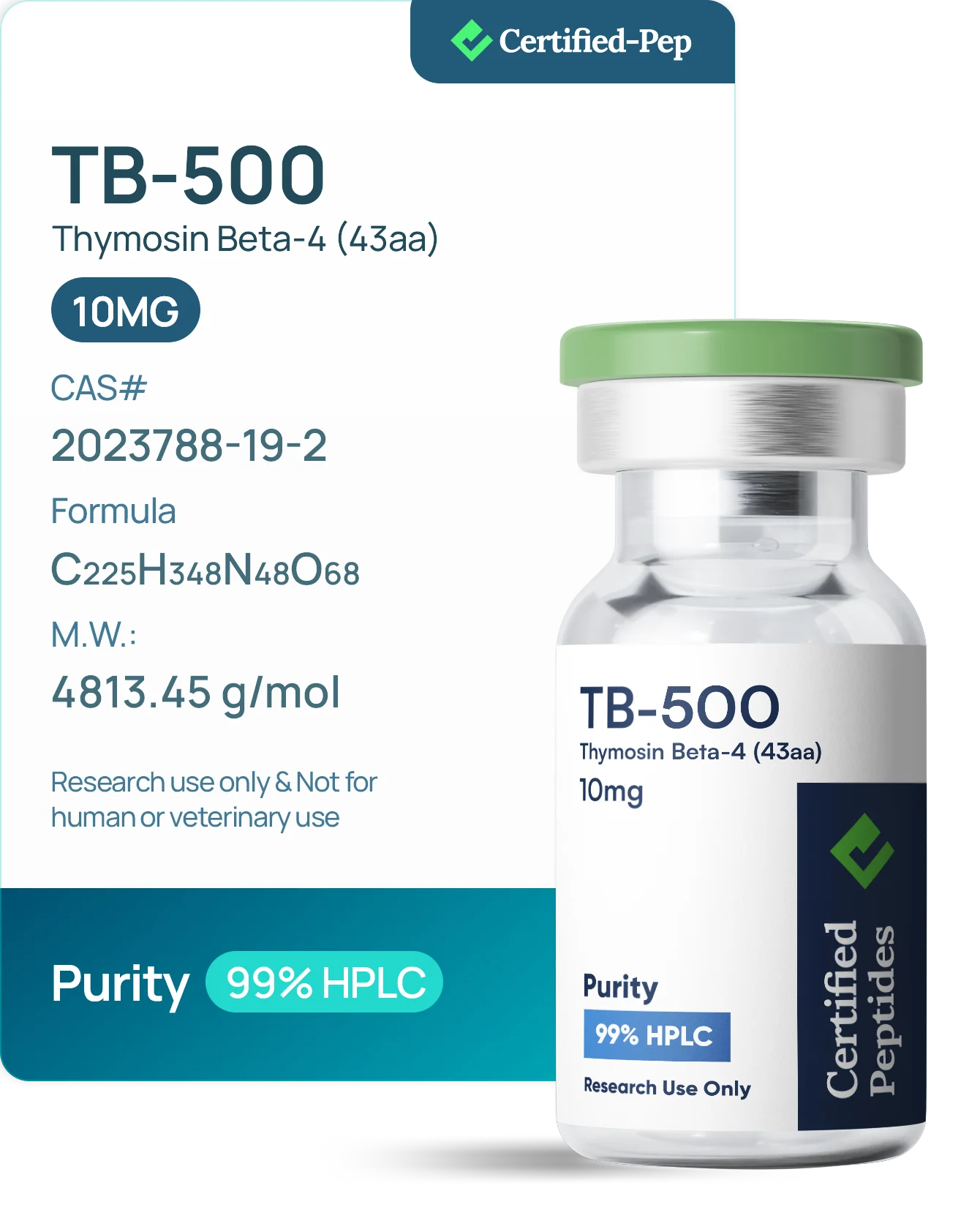
TB-500 10 MG
USD 70.00
In stock
Last synced: 2026-11-16 10:13
Add to retailer cart ↗View product details
SELANK 10 MG
USD 50.00
In stock
Last synced: 2026-11-16 10:13
Add to retailer cart ↗View product details