
Skeletal Muscle Endpoints in MOTS-c Metabolic Research: Evidence and Interpretation
This resource examines the role of skeletal muscle endpoints in the study of MOTS-c, a mitochondrial-derived peptide, focusing on mechanistic, cellular, and animal model evidence. It details how skeletal muscle measurements inform our understanding of MOTS-c’s metabolic actions, highlights experimental methods, and discusses the limitations and uncertainties of current research.

Direct Answer: The Role of Skeletal Muscle Endpoints in MOTS-c Metabolic Studies
Skeletal muscle endpoints are central to understanding the metabolic actions of MOTS-c (mitochondrial open-reading-frame of the twelve S rRNA-c), a mitochondrial-derived peptide. In the cited study, skeletal muscle endpoints—including insulin-stimulated glucose uptake, Akt activation, and AMPK signaling—provided direct evidence that skeletal muscle is a primary target tissue for MOTS-c’s metabolic effects in animal models. These endpoints enabled researchers to distinguish tissue-specific actions, quantify improvements in insulin sensitivity, and elucidate underlying molecular mechanisms. However, all findings are limited to preclinical models, and no direct human clinical evidence is available at this time Source 1.
Introduction: MOTS-c and Its Relevance to Metabolic Research
MOTS-c is a 16-amino acid peptide encoded by a short open reading frame (sORF) within the mitochondrial 12S rRNA. Its discovery expanded the paradigm of mitochondrial signaling, suggesting that mitochondria can influence cellular and systemic metabolism through peptide messengers. MOTS-c has been shown to regulate insulin sensitivity and metabolic homeostasis in animal models, with skeletal muscle emerging as a key target tissue Source 1.
Skeletal muscle is a major site for glucose disposal and insulin action, making it a critical tissue for studying metabolic regulation. By focusing on skeletal muscle endpoints, researchers can directly assess the impact of MOTS-c on whole-body glucose metabolism and insulin sensitivity, as well as dissect the molecular pathways involved.
Experimental Approaches: Measuring Skeletal Muscle Endpoints
The cited MOTS-c study employed a range of experimental models and techniques to interrogate skeletal muscle endpoints:
- Animal Models: Mice were treated with MOTS-c and subjected to glucose tolerance tests (GTT) and hyperinsulinemic-euglycemic clamp studies, the latter being the gold standard for assessing insulin sensitivity in vivo.
- Tissue Analysis: Skeletal muscle tissues were collected post-insulin stimulation to measure Akt phosphorylation (a marker of insulin signaling) and MOTS-c peptide levels.
- Cellular Models: Rat L6 myotubes stably overexpressing MOTS-c were used to assess glucose uptake and glycolytic flux in vitro.
- Molecular Assays: Western blotting and ELISA were used to quantify signaling proteins (e.g., AMPK, Akt, GLUT4) and MOTS-c levels in muscle tissue.
These approaches allowed for a detailed characterization of how MOTS-c influences skeletal muscle metabolism at the molecular, cellular, and whole-organism levels Source 1.
Key Skeletal Muscle Endpoints and Their Significance
Insulin-Stimulated Glucose Uptake
One of the most direct measures of skeletal muscle metabolic function is insulin-stimulated glucose uptake. In the MOTS-c study, this was assessed using:
- Hyperinsulinemic-euglycemic clamp: This technique quantifies the rate at which glucose must be infused to maintain euglycemia during insulin administration, reflecting whole-body and tissue-specific insulin sensitivity.
- 2-deoxyglucose uptake: Uptake of this glucose analog into isolated skeletal muscle (soleus) provided a direct measure of insulin-stimulated glucose transport.
MOTS-c treatment in mice led to a significant increase in insulin-stimulated glucose disposal, primarily attributable to enhanced skeletal muscle insulin sensitivity. This was further supported by increased Akt phosphorylation in muscle tissue, a downstream marker of insulin receptor signaling Source 1.
AMPK Activation and GLUT4 Expression
AMP-activated protein kinase (AMPK) is a central regulator of energy metabolism. MOTS-c treatment increased AMPK phosphorylation in skeletal muscle, which is associated with enhanced glucose uptake and fatty acid oxidation. Additionally, GLUT4 (the insulin-responsive glucose transporter) expression was upregulated in muscle tissue of MOTS-c-treated mice, supporting improved glucose handling Source 1.
Glycolytic Flux and Fatty Acid Oxidation
In vitro studies using L6 myotubes overexpressing MOTS-c demonstrated accelerated glucose clearance from the medium and increased glycolytic capacity. Metabolomic profiling of muscle cells revealed increased acylcarnitine levels and reduced essential fatty acids, consistent with enhanced fatty acid utilization. These endpoints collectively indicate that MOTS-c coordinates both carbohydrate and lipid metabolism in skeletal muscle Source 1.
Mechanistic Insights: Pathways Linking MOTS-c to Skeletal Muscle Metabolism
The study provided several mechanistic insights into how MOTS-c modulates skeletal muscle metabolism:
- Folate Cycle and Purine Biosynthesis: MOTS-c inhibits the folate cycle and de novo purine biosynthesis, leading to accumulation of AICAR (5-aminoimidazole-4-carboxamide ribonucleotide), a known AMPK activator.
- AMPK Activation: Elevated AICAR levels activate AMPK, which in turn stimulates glucose uptake, enhances fatty acid oxidation, and suppresses anabolic processes.
- Insulin Signaling: Enhanced Akt phosphorylation in skeletal muscle following MOTS-c treatment indicates improved insulin signaling, facilitating glucose uptake.
These pathways were elucidated through a combination of metabolomic, transcriptomic, and protein analyses in both cell and animal models Source 1.
Contextualizing Skeletal Muscle Endpoints in the Broader MOTS-c Research Landscape
While the cited study provides robust evidence for skeletal muscle as a primary target of MOTS-c in mice, it is important to contextualize these findings:
- Tissue Specificity: The majority of insulin-stimulated glucose disposal occurs in skeletal muscle, making improvements in muscle insulin sensitivity highly relevant for systemic metabolic regulation.
- Comparative Physiology: The study contrasts MOTS-c’s muscle-centric actions with those of other agents (e.g., metformin, which primarily targets the liver), highlighting the unique tissue specificity of MOTS-c in the models tested.
- Aging and Disease Models: Declining MOTS-c levels in skeletal muscle and plasma were observed with age in mice, paralleling the development of insulin resistance. MOTS-c administration restored muscle insulin sensitivity in aged mice, suggesting a potential link between mitochondrial peptide signaling and age-related metabolic dysfunction Source 1.
Limitations and Uncertainties in Current Evidence
Despite the comprehensive nature of the cited study, several limitations and uncertainties must be acknowledged:
- Species and Model Limitations: All in vivo findings are restricted to mouse models. Rodent physiology, while informative, does not always predict human responses.
- Lack of Human Data: No controlled human studies of MOTS-c’s metabolic effects or skeletal muscle endpoints have been reported to date.
- Mechanistic Complexity: While AMPK activation and insulin signaling improvements are well-documented, the full spectrum of downstream effects and potential off-target actions remain to be elucidated.
- Experimental Controls: The study used appropriate controls (e.g., scrambled peptides, null mutants), but off-target or compensatory effects in complex in vivo systems cannot be entirely excluded.
- Translational Uncertainty: The relevance of observed changes in rodent skeletal muscle to human metabolic diseases is unknown, and safety or efficacy in humans has not been established.
Unresolved Questions and Future Directions
The current research raises several important questions for future investigation:
- Human Relevance: Do MOTS-c levels and actions in human skeletal muscle mirror those observed in rodents? Are there population differences or disease-specific alterations?
- Therapeutic Potential: Can MOTS-c or its analogs be developed as interventions for metabolic diseases? What are the pharmacokinetics, safety, and long-term effects?
- Molecular Mechanisms: What are the precise molecular targets of MOTS-c in skeletal muscle? Are there additional signaling pathways or tissue interactions involved?
- Aging and Mitochondrial Dysfunction: How does age-related mitochondrial DNA mutation impact MOTS-c expression and function in skeletal muscle?
Addressing these questions will require rigorous translational and clinical research, as well as expanded mechanistic studies in diverse models.
Key Takeaways
- Skeletal muscle endpoints—such as insulin-stimulated glucose uptake, AMPK activation, and glycolytic flux—are critical for elucidating the metabolic actions of MOTS-c in preclinical models.
- The cited study demonstrates that MOTS-c enhances skeletal muscle insulin sensitivity and metabolic flexibility in mice, with supporting in vitro evidence in muscle cell lines.
- All findings are limited to animal and cellular models; no direct evidence of efficacy, safety, or clinical benefit in humans is available.
- Skeletal muscle endpoints provide a mechanistic framework for future research but should not be extrapolated to human health outcomes without further evidence.
For research and educational purposes only. Not medical advice. Research products are not for human or veterinary use.
Sources
- The Mitochondrial-derived peptide MOTS-c promotes metabolic homeostasis and reduces obesity and insulin resistance - PMC. https://pmc.ncbi.nlm.nih.gov/articles/PMC4350682/
Continue exploring
TRACE THE EVIDENCE
Sources & further reading
RELATED PRODUCT INFORMATION
From the Certified Pep catalog.
Product references are informational, not a recommendation for human use. Prices and availability must be verified at retailer checkout.
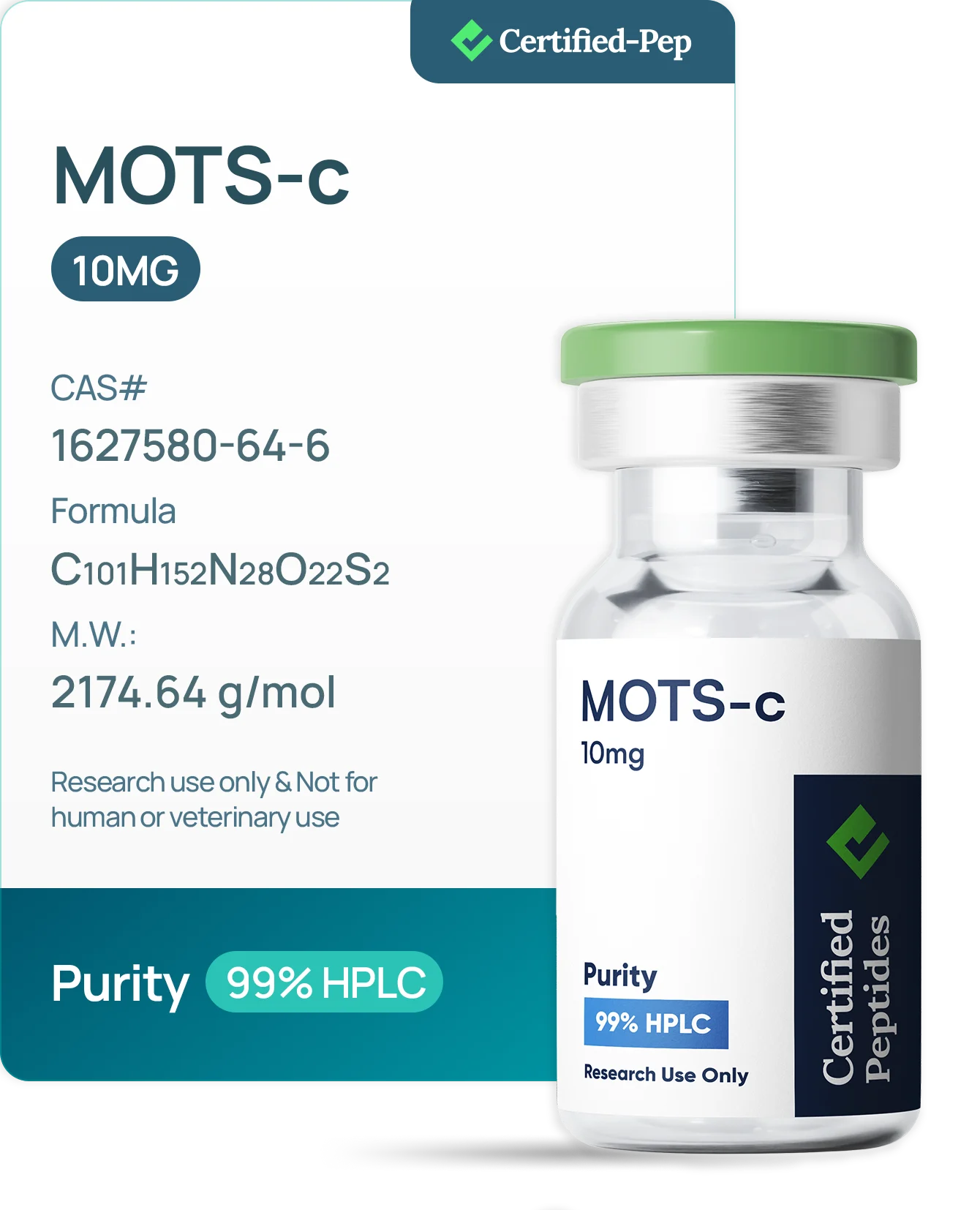
MOTS C 10MG
USD 58.00
In stock
Last synced: 2026-11-01 10:07
Add to retailer cart ↗View product details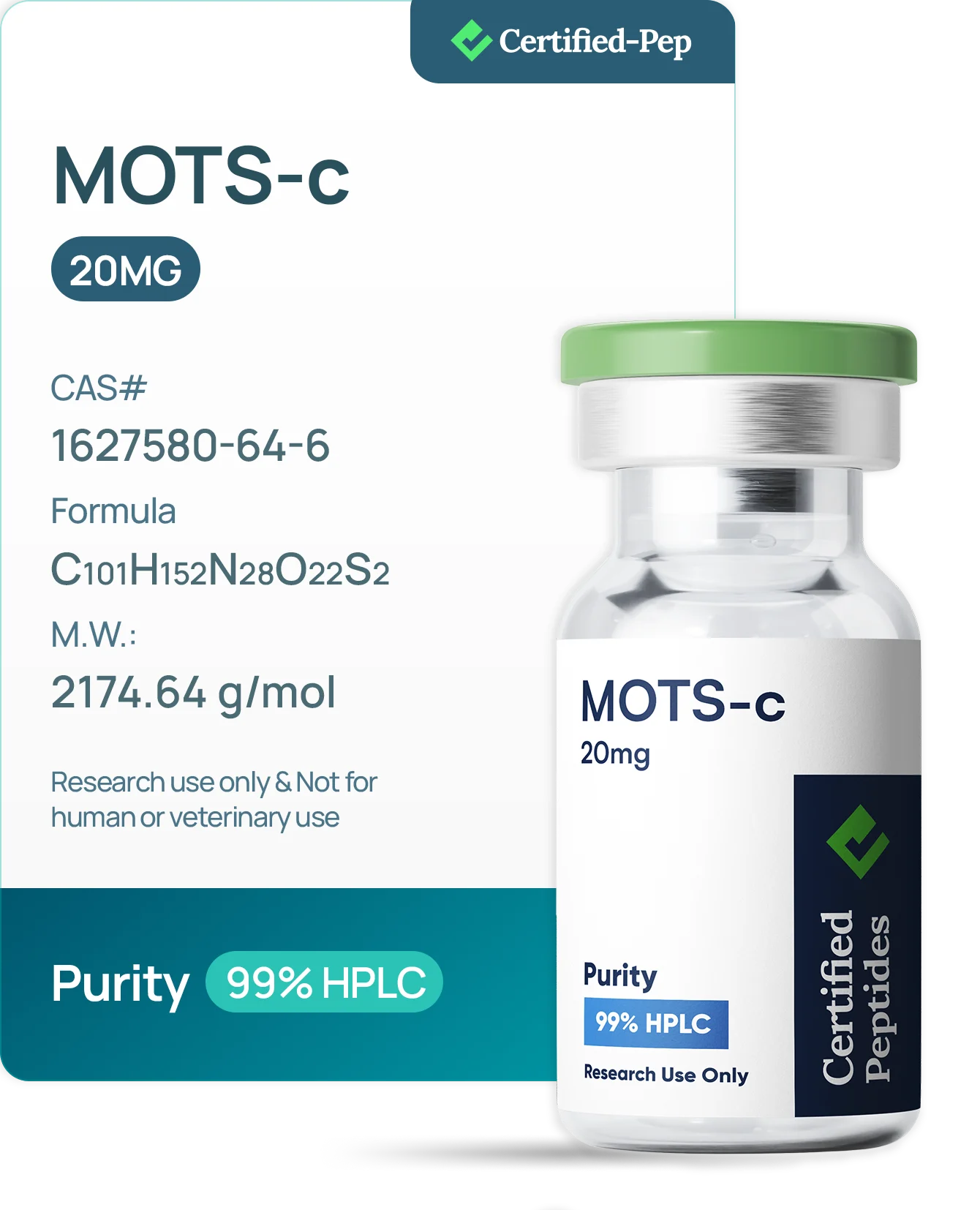
MOTS C 20MG
USD 90.00
In stock
Last synced: 2026-11-01 10:07
Add to retailer cart ↗View product details
MOTS C 40MG
USD 160.00
In stock
Last synced: 2026-11-01 10:07
Add to retailer cart ↗View product details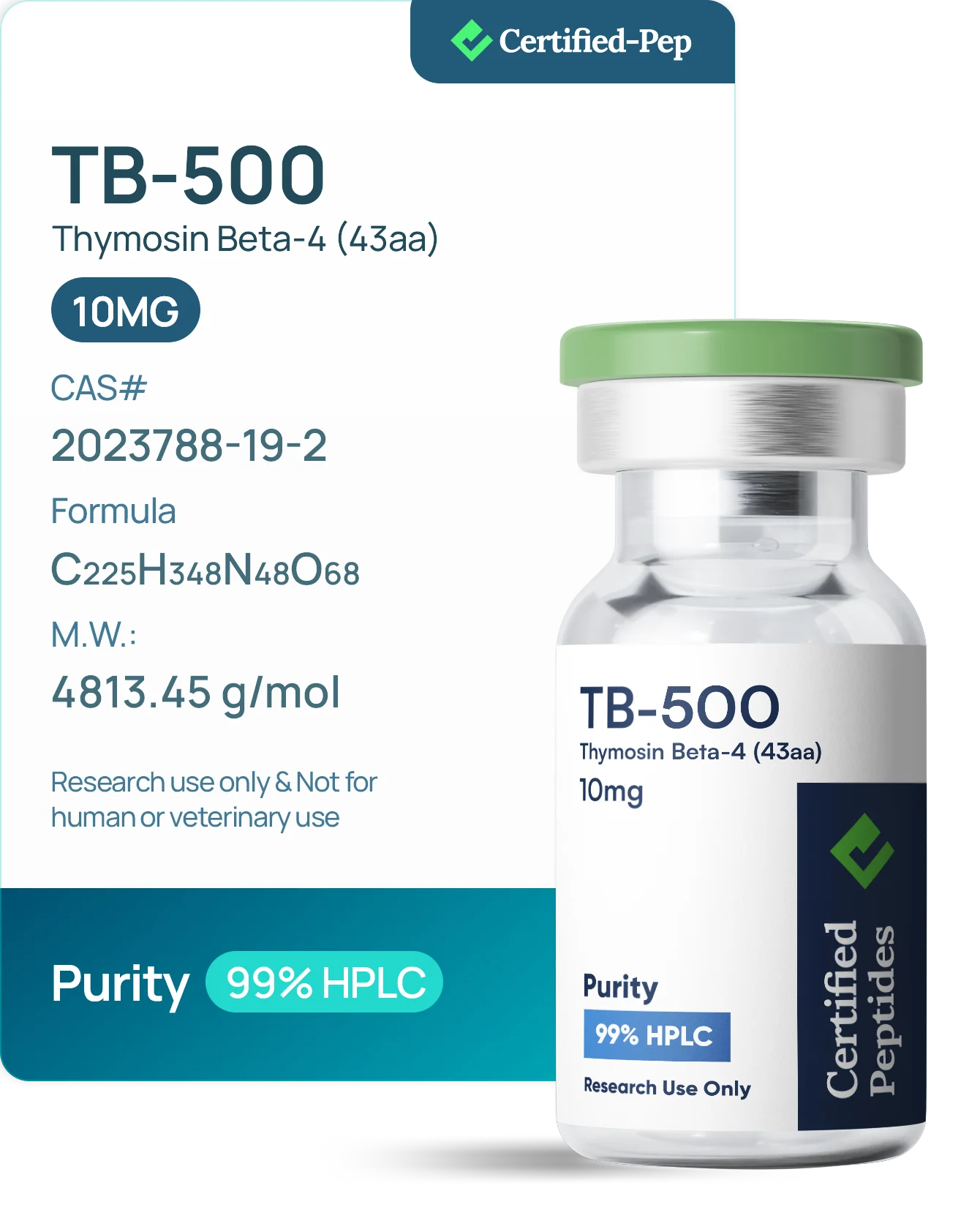
TB-500 10 MG
USD 70.00
In stock
Last synced: 2026-11-01 10:07
Add to retailer cart ↗View product details