
MOTS-c and Mitochondrial-to-Cell Signaling: Evidence from Experimental Research
Experimental studies of MOTS-c, a mitochondrial-derived peptide, reveal novel mechanisms of mitochondrial-to-cell signaling. This resource reviews the molecular origins, cellular actions, and systemic effects of MOTS-c in laboratory and animal models, highlighting its role in metabolic regulation and the current limitations of the evidence.

Introduction: MOTS-c as a Mitochondrial-Derived Peptide
Mitochondria are traditionally recognized for their roles in energy production and metabolism, but recent research has expanded their profile to include signaling functions that influence cellular and systemic physiology. One emerging aspect of this signaling is the discovery of mitochondrial-derived peptides (MDPs), short peptides encoded by small open reading frames (sORFs) within mitochondrial DNA (mtDNA). MOTS-c (mitochondrial open reading frame of the twelve S rRNA type-c) is a 16-amino acid peptide encoded within the 12S rRNA region of mtDNA. Experimental studies have begun to elucidate how MOTS-c acts as a signaling molecule, transmitting information from mitochondria to the cell and, potentially, to distant tissues Source 1.
This review synthesizes the available experimental evidence on MOTS-c, focusing on its molecular origins, mechanisms of action, and implications for mitochondrial-to-cell signaling. All findings are drawn from laboratory and animal studies, and their limitations are discussed in detail.
Molecular Origin and Conservation of MOTS-c
MOTS-c was identified through an in silico search for sORFs within the human mitochondrial 12S rRNA. The peptide is translated in the cytoplasm from a polyadenylated transcript exported from mitochondria, as mitochondrial translation would not yield a viable peptide due to the genetic code differences Source 1. Experimental depletion of mitochondrial DNA in human cell lines (HeLa-ρ0 cells) resulted in the loss of both 12S rRNA and MOTS-c transcripts, confirming its mitochondrial origin. MOTS-c was detected in various tissues in rodents and in the plasma of both rodents and humans, with fasting shown to reduce its expression in metabolically active tissues and plasma.
Phylogenetic analysis indicates that MOTS-c is highly conserved across species, especially in its N-terminal region, suggesting evolutionary pressure to maintain its function. The absence of nuclear mitochondrial DNA transfer (NUMT) sequences for MOTS-c in rats further supports its exclusive mitochondrial origin in these species.
MOTS-c as a Bioactive Signaling Molecule: In Vitro Evidence
Microarray and metabolomic analyses in human embryonic kidney (HEK293) cells treated with MOTS-c or engineered to overexpress MOTS-c demonstrate that this peptide is bioactive and capable of altering gene expression and cellular metabolism Source 1. Principal component analysis revealed global shifts in gene expression profiles after MOTS-c treatment, with significant changes in pathways related to metabolism and inflammation.
Metabolomic profiling showed that MOTS-c modulates levels of numerous metabolites, particularly those involved in purine metabolism, the methionine cycle, and acylcarnitine metabolism. These changes suggest that MOTS-c can influence central metabolic pathways, supporting its role as a mitochondrial-to-cell signaling molecule.
Mechanistic Insights: Targeting the Folate Cycle and AMPK Activation
A key mechanistic finding is that MOTS-c targets the folate-methionine cycle and the directly linked de novo purine biosynthesis pathway. In vitro, MOTS-c treatment led to decreased levels of 5-methyl-tetrahydrofolate (5Me-THF) and methionine, increased homocysteine, and a marked accumulation of AICAR (5-aminoimidazole-4-carboxamide ribonucleotide), a known activator of AMP-activated protein kinase (AMPK) Source 1.
AMPK is a central regulator of cellular energy homeostasis. MOTS-c induced AMPK phosphorylation in a time- and dose-dependent manner, along with downstream effects such as increased phosphorylation of acetyl-CoA carboxylase (ACC) and elevated carnitine palmitoyltransferase 1 (CPT-1) levels, which are involved in fatty acid oxidation. Notably, these effects occurred even in the presence of high ATP levels, suggesting a mechanism of AMPK activation distinct from classical energy stress.
Regulation of Cellular Metabolism: Glucose and Fatty Acid Pathways
MOTS-c was shown to enhance glucose uptake and utilization in cell models. Treated cells exhibited increased glucose clearance from the medium, elevated lactate production, and decreased intracellular glucose and glycolytic intermediates. There was also evidence of increased routing of glucose into the pentose phosphate pathway, supporting the accumulation of AICAR and the observed metabolic effects Source 1.
Real-time measurements of glycolytic flux (extracellular acidification rate) demonstrated that MOTS-c increased glycolytic capacity, an effect that could be reversed by folic acid supplementation. Knockdown of AMPK or SIRT1, or pharmacological inhibition of these pathways, partially attenuated the glycolytic effects of MOTS-c, indicating that both AMPK and SIRT1 contribute to its actions.
MOTS-c also influenced mitochondrial respiration, reducing basal oxygen consumption rates in a manner reversible by folic acid. This respiratory suppression was associated with increased glucose uptake, consistent with the "Crabtree effect." In addition, MOTS-c promoted fatty acid oxidation, as evidenced by increased acylcarnitine shuttle levels, reduced essential fatty acids, and elevated β-oxidation intermediates.
In Vivo Evidence: Systemic Effects in Animal Models
Animal studies provide further evidence for the role of MOTS-c in mitochondrial-to-cell and systemic signaling. In mice, acute and chronic MOTS-c administration led to reductions in body weight, food intake, and blood glucose levels. Circulating inflammatory markers such as IL-6 and TNFα were also reduced after treatment Source 1.
Glucose tolerance tests and hyperinsulinemic-euglycemic clamp studies demonstrated that MOTS-c improved whole-body and skeletal muscle insulin sensitivity in mice. The peptide enhanced insulin-stimulated glucose disposal into skeletal muscle, with no significant effect on hepatic glucose production. These findings were supported by increased Akt phosphorylation in muscle tissue and increased detection of MOTS-c in treated animals.
MOTS-c levels in skeletal muscle and circulation declined with age in mice, paralleling the development of insulin resistance. Treatment with MOTS-c restored insulin sensitivity in aged mice to levels observed in young animals. In vitro, rat L6 myotubes overexpressing MOTS-c showed enhanced glucose clearance and glycolytic capacity, mirroring the findings in HEK293 cells.
In high-fat diet (HFD) models, MOTS-c administration prevented diet-induced obesity, hyperinsulinemia, and hepatic lipid accumulation without affecting caloric intake. Treated mice exhibited increased respiratory exchange ratio (RER), indicating a shift toward glucose utilization, and increased heat production, suggesting elevated energy expenditure. These effects were accompanied by increased AMPK activation and GLUT4 expression in skeletal muscle.
MOTS-c as a Paradigm for Mitochondrial Retrograde Signaling
The discovery of MOTS-c as a mitochondrial-encoded peptide with bioactive signaling properties challenges the traditional view of mitochondria as passive recipients of cellular regulation. Instead, MOTS-c exemplifies a form of retrograde signaling, where mitochondria communicate their status to the nucleus and the rest of the cell, and even exert systemic effects Source 1.
MOTS-c's actions are distinct from previously described mitochondrial signals such as reactive oxygen species (ROS), calcium ions, or mitochondrial DNA fragments, which are typically secondary metabolites or stress signals. Instead, MOTS-c is a genetically encoded peptide with regulated expression, tissue specificity, and endocrine-like effects. Its ability to modulate central metabolic pathways and influence systemic physiology positions it as a prototype for a new class of mitochondrial signals—mitochondrial-derived peptides (MDPs).
Methodological Strengths and Limitations of Current Evidence
The experimental studies reviewed here employ a range of molecular, cellular, and animal models to dissect the origins and actions of MOTS-c. The use of mitochondrial DNA-depleted cells, specific antibodies, and metabolomic profiling provides strong evidence for the mitochondrial origin and bioactivity of MOTS-c. Animal models allow for the assessment of systemic effects and tissue specificity.
However, several limitations must be acknowledged: - Lack of Human Clinical Data: All functional findings are derived from in vitro and animal studies. There are no controlled human trials of MOTS-c. - Mechanistic Complexity: While the folate cycle and AMPK pathway are implicated, the precise molecular mechanisms by which MOTS-c exerts its effects remain incompletely understood. - Potential Species Differences: The conservation of MOTS-c across species supports its biological relevance, but extrapolation to human physiology is not warranted without direct evidence. - Experimental Models: Overexpression systems and pharmacological doses in animal studies may not reflect physiological conditions. - Regulatory Status: There is no evidence of regulatory approval for MOTS-c as a therapeutic agent, and its safety and efficacy in humans are unknown.
Unresolved Questions and Future Directions
The identification of MOTS-c opens several avenues for further research: - Mechanisms of Export and Uptake: The processes by which mitochondrial transcripts are exported and translated in the cytoplasm, and how MOTS-c is secreted and taken up by target tissues, require clarification. - Receptor and Signaling Pathways: The cellular receptors and downstream signaling pathways mediating MOTS-c's effects are not fully characterized. - Physiological Regulation: The factors controlling MOTS-c expression and secretion under physiological and pathological conditions remain to be defined. - Role in Human Health and Disease: Controlled studies in humans are needed to determine whether MOTS-c plays a role in metabolic regulation or disease. - Additional Mitochondrial Peptides: The existence and functions of other mitochondrial-derived peptides encoded by sORFs in mtDNA are an active area of investigation.
Key Takeaways
- MOTS-c is a mitochondrial-derived peptide encoded within the 12S rRNA region of mtDNA and is conserved across species.
- Experimental studies demonstrate that MOTS-c acts as a bioactive signaling molecule, influencing gene expression, metabolism, and insulin sensitivity in cell and animal models.
- MOTS-c targets the folate-methionine cycle and activates AMPK, leading to enhanced glucose uptake, altered mitochondrial respiration, and increased fatty acid oxidation.
- In animal models, MOTS-c administration improves insulin sensitivity, prevents diet-induced obesity, and reduces inflammation.
- The evidence is limited to preclinical models; there are no controlled human studies or data on safety, efficacy, or regulatory approval.
- MOTS-c exemplifies a novel form of mitochondrial-to-cell and systemic signaling, expanding the conceptual framework of mitochondrial biology.
For research and educational purposes only. Not medical advice. Research products are not for human or veterinary use.
Sources
- The Mitochondrial-derived peptide MOTS-c promotes metabolic homeostasis and reduces obesity and insulin resistance. https://pmc.ncbi.nlm.nih.gov/articles/PMC4350682/
Continue exploring
TRACE THE EVIDENCE
Sources & further reading
RELATED PRODUCT INFORMATION
From the Certified Pep catalog.
Product references are informational, not a recommendation for human use. Prices and availability must be verified at retailer checkout.
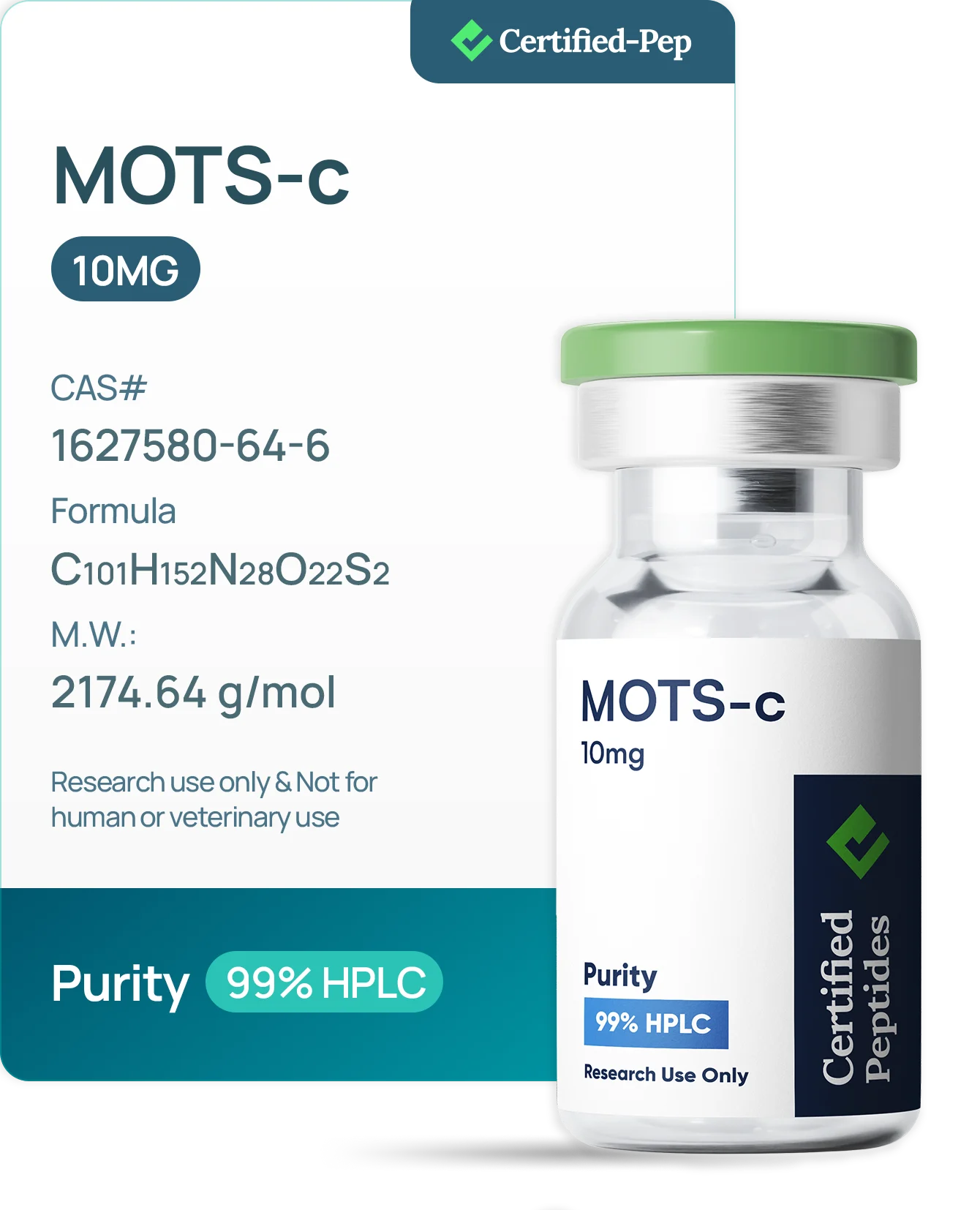
MOTS C 10MG
USD 58.00
In stock
Last synced: 2026-11-01 10:07
Add to retailer cart ↗View product details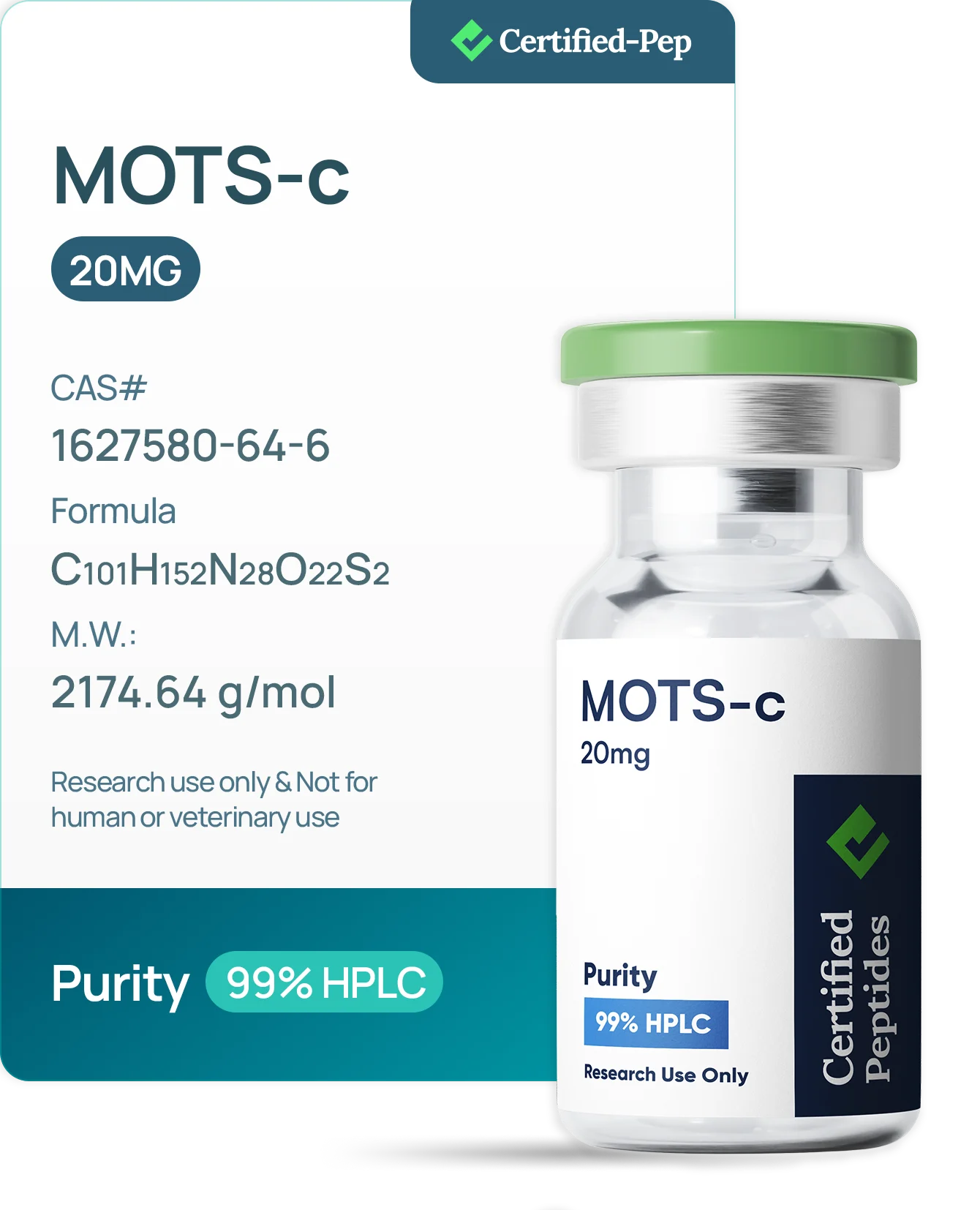
MOTS C 20MG
USD 90.00
In stock
Last synced: 2026-11-01 10:07
Add to retailer cart ↗View product details
MOTS C 40MG
USD 160.00
In stock
Last synced: 2026-11-01 10:07
Add to retailer cart ↗View product details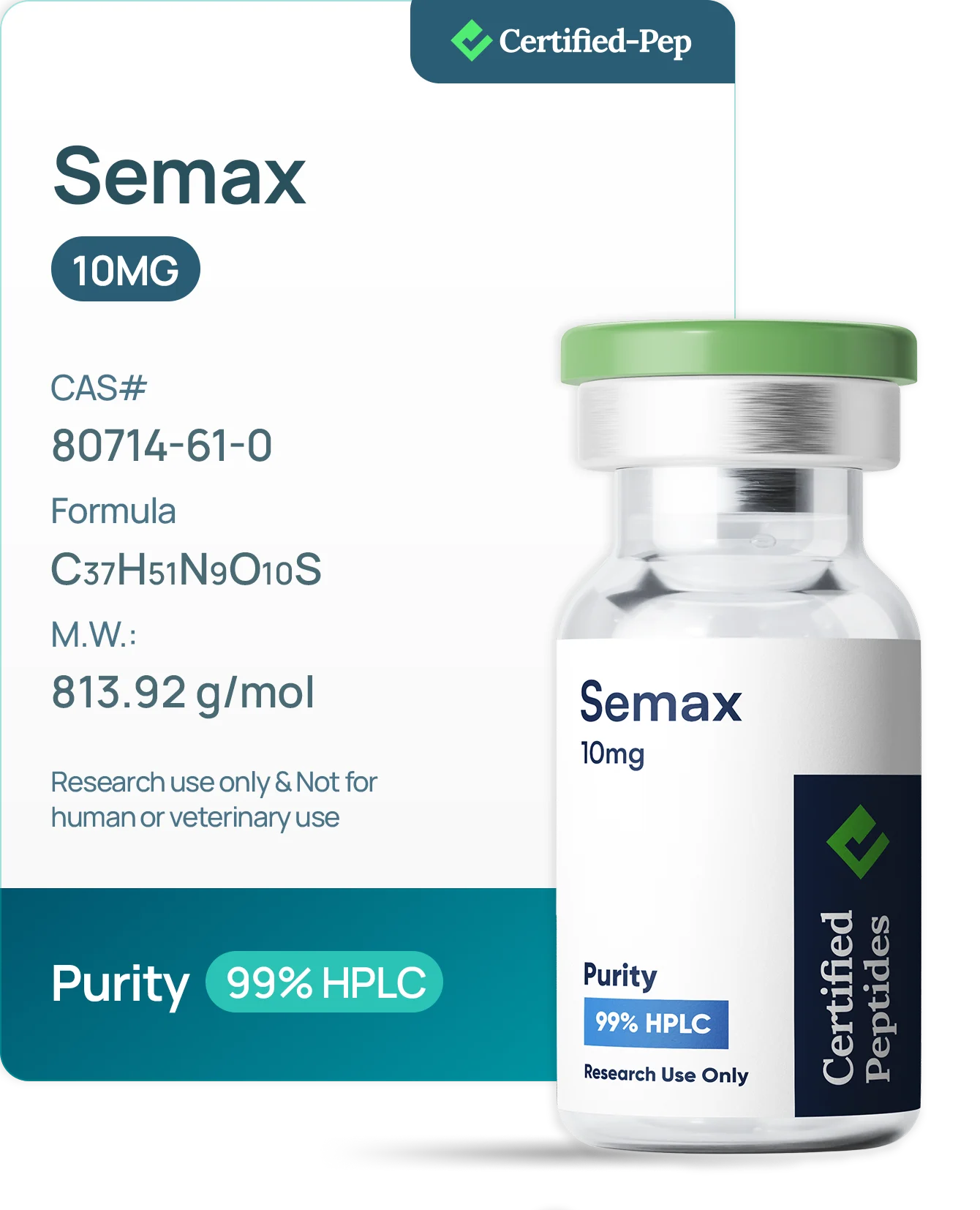
SEMAX 10MG
USD 54.00
In stock
Last synced: 2026-11-01 10:07
Add to retailer cart ↗View product details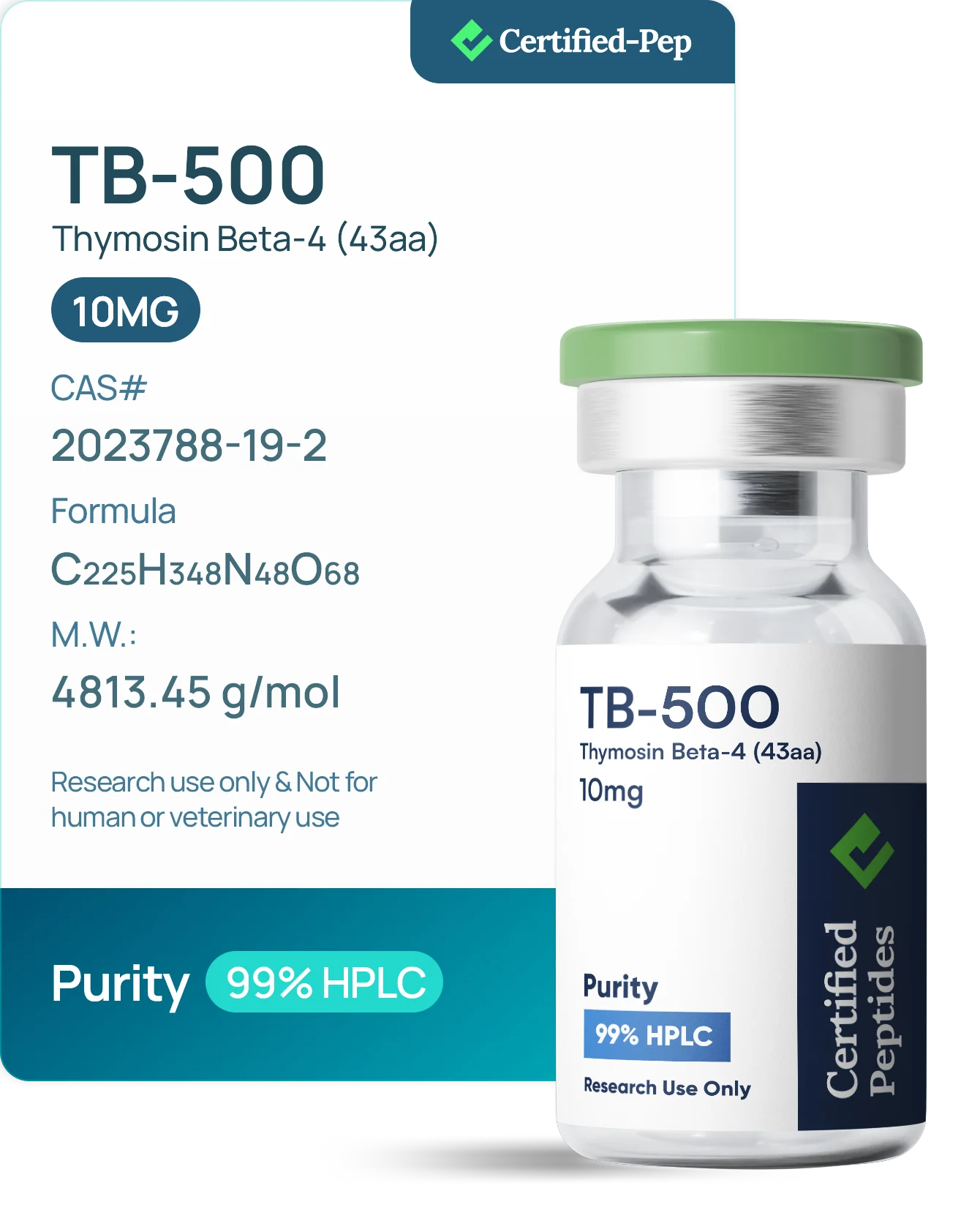
TB-500 10 MG
USD 70.00
In stock
Last synced: 2026-11-01 10:07
Add to retailer cart ↗View product details