
Why does detecting a TB-500 metabolite not establish a biological benefit?
Detecting a TB-500 metabolite in biological samples confirms exposure and metabolic processing but does not, by itself, demonstrate any biological benefit. Evidence from analytical and in vitro studies shows that metabolite presence is distinct from proven therapeutic effects, especially in the absence of controlled human data. This article examines the research context, experimental findings, and limitations.

Direct Answer
Detecting a TB-500 metabolite in biological samples indicates that the compound has been metabolized and is present in the system, but this alone does not establish any biological benefit. Analytical detection confirms exposure and metabolic fate, not efficacy or therapeutic action. Demonstrating a biological benefit requires controlled studies showing functional outcomes, which are not established by metabolite detection alone Source 1 Source 2.
What is TB-500 and How Are Its Metabolites Detected?
TB-500 is a synthetic peptide corresponding to the N-acetylated sequence Ac-LKKTETQ, derived from the active region of thymosin β4 (Tβ4). It has been studied for its potential biological activities, including actin binding, wound healing, angiogenesis, and skin repair, primarily in its unacetylated form (LKKTETQ) Source 1. Analytical methods such as ultra-high-performance liquid chromatography coupled with high-resolution mass spectrometry (UHPLC-Q-Exactive orbitrap MS/MS) have been developed to simultaneously quantify TB-500 and its metabolites in various matrices, including in vitro systems, animal serum, and urine Source 1.
In one study, researchers validated a method for detecting TB-500 and its metabolites in both in vitro and rat urine samples. The primary metabolite identified was Ac-LK, with Ac-LKK detected as a longer-term metabolite. These findings were based on the use of synthesized authentic standards and advanced mass spectrometric techniques, which allowed for precise quantification and structural identification Source 1.
Similarly, in equine research, a method was developed to detect N-acetylated LKKTETQ (the active ingredient of TB-500) and its metabolite N-acetylated LK in horse plasma following subcutaneous administration. This method relied on solid-phase extraction and high-resolution mass spectrometry, demonstrating the technical feasibility of detecting both parent peptide and metabolites in biological samples Source 2.
Does Metabolite Detection Prove Biological Activity or Benefit?
Detection of a metabolite confirms that the parent compound has been processed by the body or experimental system, but it does not provide evidence of biological activity or benefit. The presence of a metabolite is a pharmacokinetic observation—it tells us about absorption, distribution, metabolism, and excretion (ADME), not about pharmacodynamic effects such as efficacy or therapeutic value.
For example, in the cited rat and in vitro study, the researchers measured the concentrations of TB-500 metabolites and assessed their cytotoxicity and wound healing activity in fibroblast cultures. While Ac-LKKTE (a metabolite) showed significant wound healing activity in vitro, the parent TB-500 and other metabolites did not. Importantly, these findings were limited to cell culture systems and did not extend to animal or human models of disease or injury Source 1.
In the equine study, detection of TB-500 and its metabolites in plasma after administration simply demonstrated that the peptide was absorbed and metabolized in horses. No claims about biological benefit or therapeutic effect were made based on these analytical results Source 2.
What Experimental Models Have Been Used to Study TB-500 Metabolites?
Research on TB-500 and its metabolites has primarily used in vitro systems (such as enzyme incubations and cell cultures) and animal models (notably rats and horses). In vitro studies allow for controlled investigation of metabolic pathways and initial screening of biological activities, such as cytotoxicity and wound healing in fibroblasts Source 1.
Animal studies, such as those in rats and horses, have focused on pharmacokinetics—tracking the presence and concentration of TB-500 and its metabolites over time in biological fluids. For example, in rats, Ac-LK was the dominant metabolite detected in urine within the first 6 hours, while Ac-LKK persisted up to 72 hours. In horses, both the parent peptide and its metabolite were detected in plasma following subcutaneous administration Source 1 Source 2.
However, these studies have not demonstrated functional outcomes such as improved healing, reduced disease burden, or other clinically meaningful effects in animal models. The focus has been on analytical detection and metabolic profiling, not on establishing therapeutic benefit.
What Are the Limitations of In Vitro and Animal Findings?
In vitro findings, such as enhanced wound healing in fibroblast cultures, are limited in their ability to predict in vivo or clinical outcomes. Cell culture systems lack the complexity of whole organisms, including immune responses, tissue architecture, and systemic factors that influence healing and other biological processes. Results observed in vitro may not translate to animals or humans due to differences in metabolism, bioavailability, and physiological context.
Animal studies provide additional information about pharmacokinetics and metabolism but are still limited in their ability to predict human outcomes. Species differences in metabolism, receptor expression, and physiological responses can lead to divergent effects. Furthermore, the detection of a metabolite in animal urine or plasma does not indicate that the compound has a beneficial effect on health or disease in that species, let alone in humans Source 1 Source 2.
How Do Analytical Methods Contribute to Understanding TB-500?
Advanced analytical techniques, such as UHPLC-MS/MS and high-resolution mass spectrometry, are essential for characterizing the metabolic fate of TB-500 and its derivatives. These methods enable researchers to:
- Identify and quantify parent compounds and metabolites in complex biological matrices
- Validate the specificity, precision, and recovery of detection protocols
- Retrospectively analyze samples for untargeted metabolites or related peptides Source 2
While these tools are invaluable for pharmacokinetic and doping control studies, they do not provide direct evidence of biological benefit. Analytical validation ensures that measurements are accurate and reproducible, but the presence of a compound or its metabolite is not synonymous with efficacy or safety.
What Evidence Exists for Biological Activity of TB-500 Metabolites?
The most direct evidence for biological activity comes from in vitro experiments. In the referenced study, Ac-LKKTE, a metabolite of TB-500, demonstrated significant wound healing activity in fibroblast cultures, whereas the parent peptide and other metabolites did not. No cytotoxicity was observed for any of the compounds tested Source 1.
However, these findings are limited to cell-based assays. No animal or human studies have established that TB-500 metabolites confer a biological benefit in vivo. The authors of the study suggest that previously reported wound-healing effects of TB-500 may be attributable to its metabolite Ac-LKKTE, but this remains a hypothesis pending further research.
Why Is Metabolite Detection Insufficient for Claims of Benefit?
Establishing a biological benefit requires evidence that a compound or its metabolite produces a meaningful, reproducible effect in a relevant biological system, ideally in controlled animal or human studies. Analytical detection alone provides no information about:
- The magnitude or duration of any effect
- The relevance of the effect to health or disease
- The safety or risk profile of the compound
- The mechanism of action in vivo
Without functional data from well-designed studies, the presence of a metabolite is merely a marker of exposure and metabolism, not of benefit. Regulatory and clinical standards require robust evidence from controlled trials before claims of efficacy or therapeutic value can be made.
What Are the Key Evidence Gaps and Research Needs?
Current research on TB-500 and its metabolites is limited to analytical, in vitro, and animal pharmacokinetic studies. There are no published controlled human trials demonstrating biological benefit or therapeutic efficacy of TB-500 or its metabolites. Key gaps include:
- Lack of in vivo efficacy data in animal models of disease or injury
- Absence of controlled human studies assessing safety or benefit
- Uncertainty about the relevance of in vitro findings to clinical outcomes
- Limited understanding of the mechanisms by which metabolites may exert biological effects
Further research is needed to bridge these gaps, including well-controlled animal studies and, if justified, early-phase human trials. Until such data are available, claims of biological benefit based solely on metabolite detection are not supported by the evidence.
Evidence Limitations and Key Takeaways
- Detection of TB-500 metabolites confirms metabolic processing but does not establish biological benefit.
- In vitro findings suggest possible activity for certain metabolites, but these results are not generalizable to animals or humans without further evidence.
- Animal studies to date have focused on pharmacokinetics, not functional outcomes.
- No controlled human studies have demonstrated efficacy or safety of TB-500 or its metabolites.
- Analytical methods are essential for detection but do not provide evidence of benefit.
For research and educational purposes only. Not medical advice. Research products are not for human or veterinary use.
Sources
- Simultaneous quantification of TB-500 and its metabolites in in-vitro experiments and rats by UHPLC-Q-Exactive orbitrap MS/MS and their screening by wound healing activities in-vitro. https://pubmed.ncbi.nlm.nih.gov/38382158/
- Doping control analysis of seven bioactive peptides in horse plasma by liquid chromatography-mass spectrometry. https://pubmed.ncbi.nlm.nih.gov/23318763/
Continue exploring
TRACE THE EVIDENCE
Sources & further reading
RELATED PRODUCT INFORMATION
From the Certified Pep catalog.
Product references are informational, not a recommendation for human use. Prices and availability must be verified at retailer checkout.
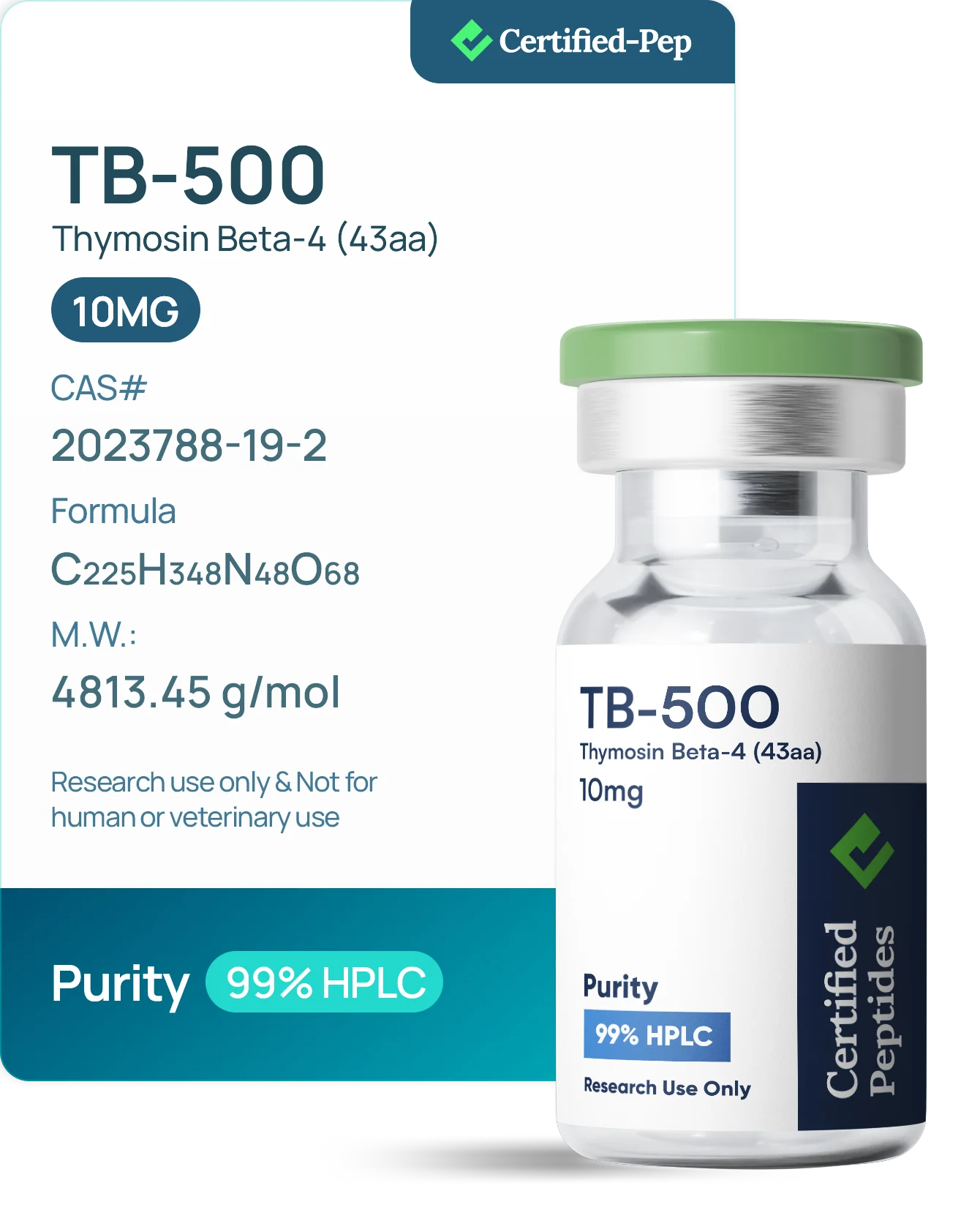
TB-500 10 MG
USD 70.00
In stock
Last synced: 2026-11-01 10:07
Add to retailer cart ↗View product details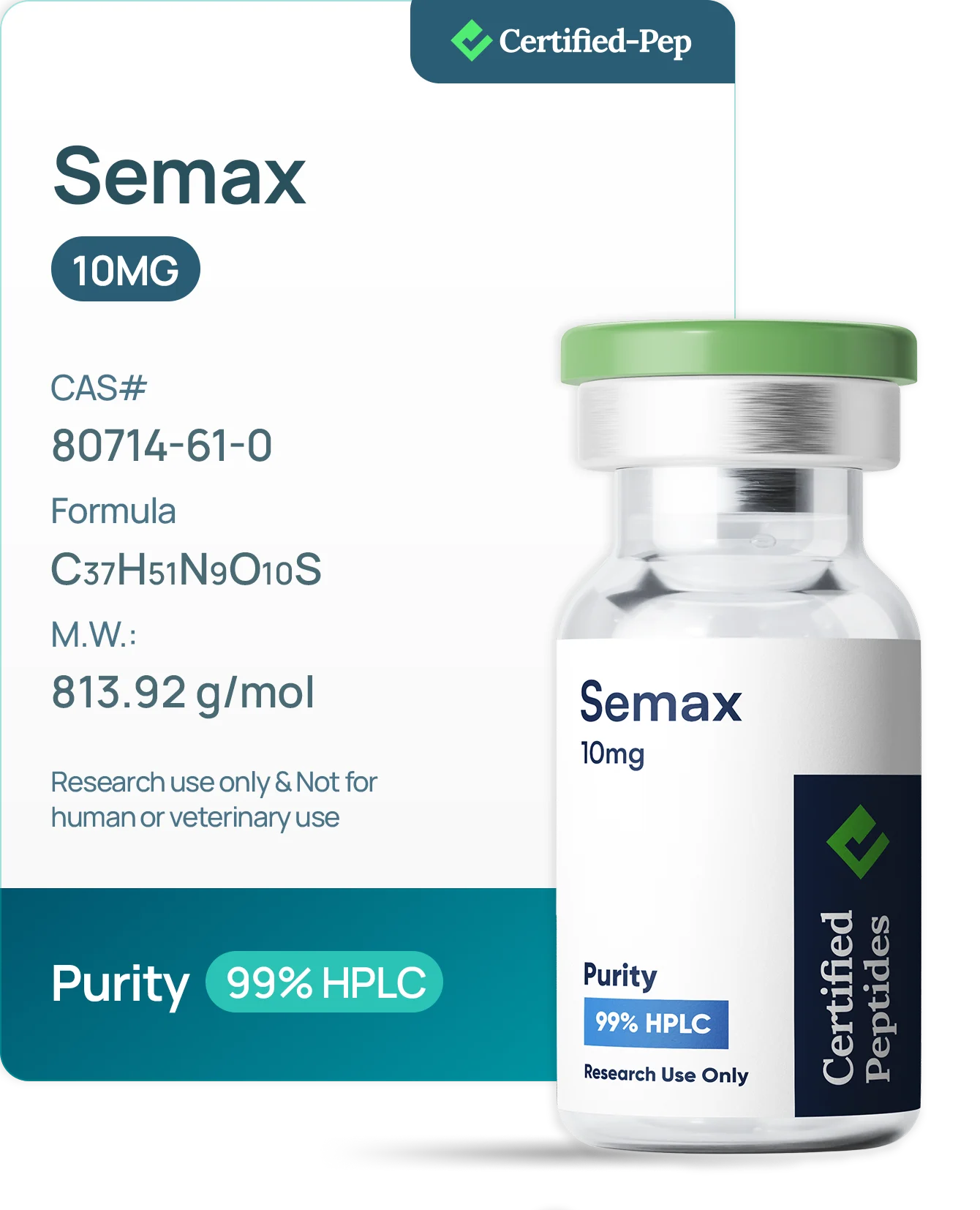
SEMAX 10MG
USD 54.00
In stock
Last synced: 2026-11-01 10:07
Add to retailer cart ↗View product details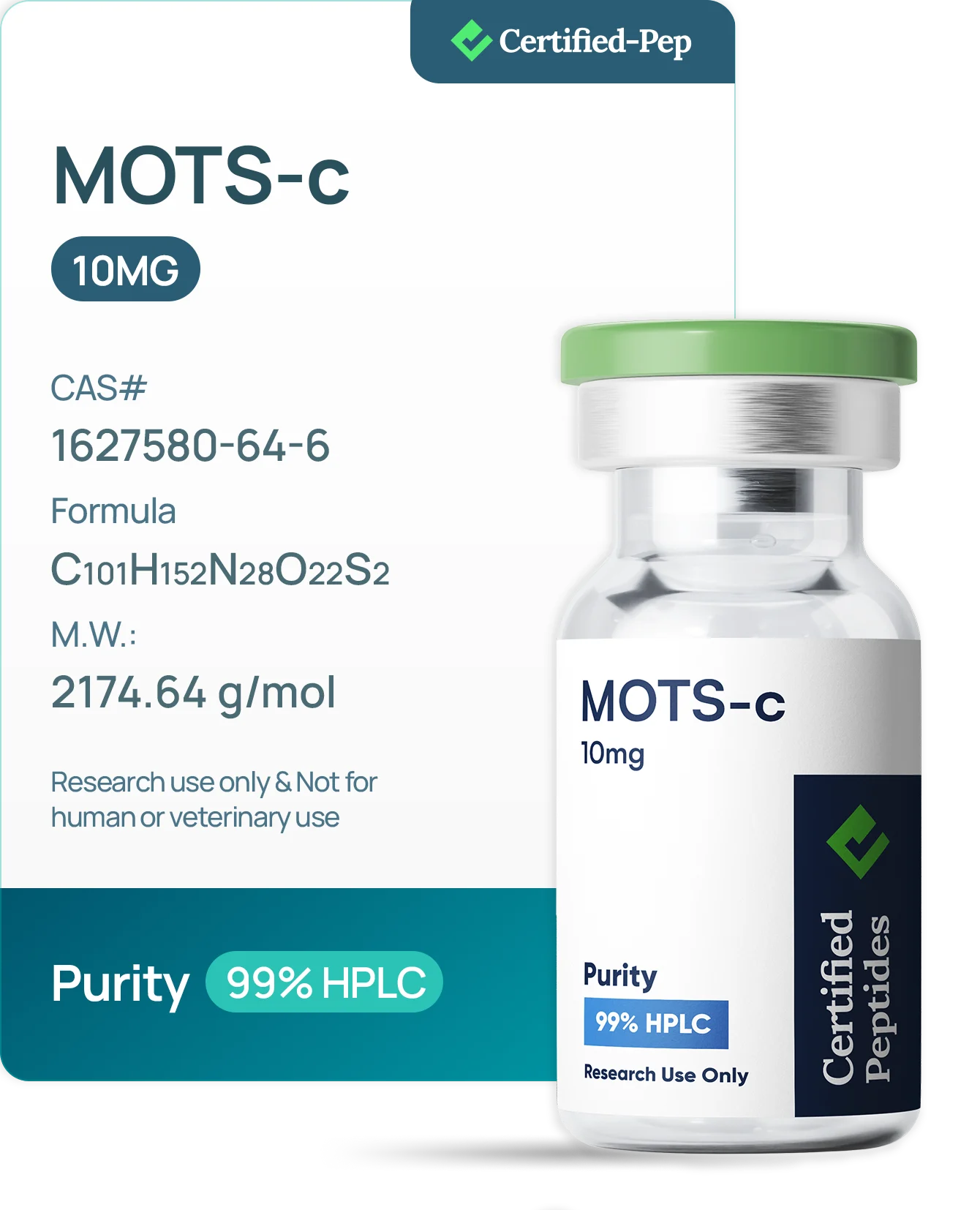
MOTS C 10MG
USD 58.00
In stock
Last synced: 2026-11-01 10:07
Add to retailer cart ↗View product details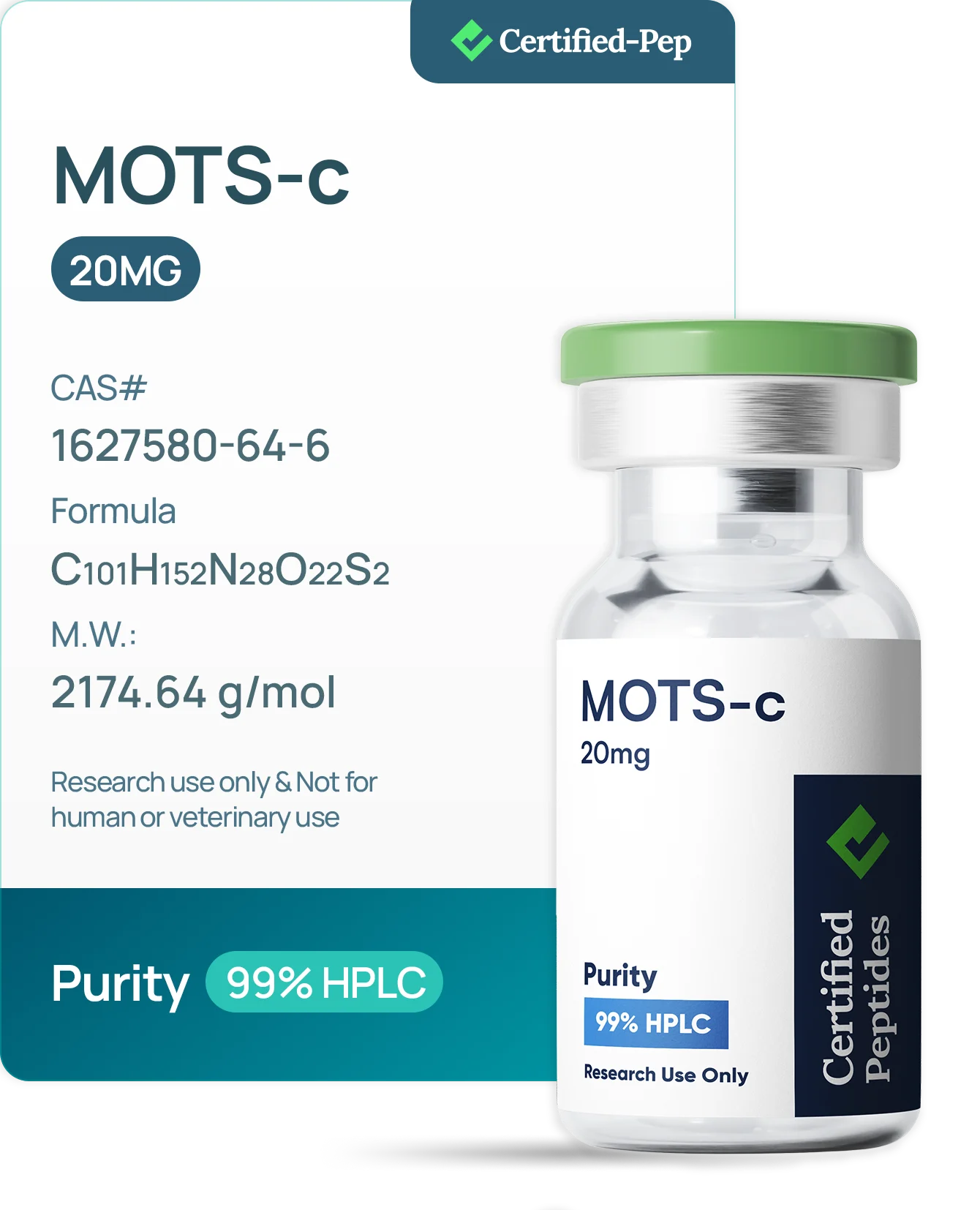
MOTS C 20MG
USD 90.00
In stock
Last synced: 2026-11-01 10:07
Add to retailer cart ↗View product details
MOTS C 40MG
USD 160.00
In stock
Last synced: 2026-11-01 10:07
Add to retailer cart ↗View product details