
BPC-157 Research: Musculoskeletal Evidence and Safety Gaps
Review BPC-157 musculoskeletal research, the balance of animal and human evidence, and the safety gaps identified by a systematic review.

Direct Answer: What Does the Musculoskeletal Evidence Show for BPC-157?
A recent systematic review of BPC-157 research in musculoskeletal contexts identified 36 studies, of which 35 were preclinical (animal or in vitro) and only one was a retrospective human case series. The review reported favorable healing and inflammation-related outcomes in animal models of muscle, tendon, ligament, and bone injuries. Mechanistic studies suggest modulation of angiogenesis, growth factor pathways, and anti-inflammatory effects. However, the review found no controlled human efficacy trials or clinical safety studies within its search scope. The review’s findings should not be interpreted as evidence of clinical efficacy or safety in humans, and the predominance of preclinical data underscores the need for caution and further research before any clinical application is considered Source 1.
1. Introduction: BPC-157 and the Scope of Musculoskeletal Research
Body Protection Compound-157 (BPC-157) is a synthetic peptide derived from a naturally occurring sequence in human gastric juice. Since its initial description in the early 1990s, BPC-157 has attracted research interest for its potential cytoprotective, angiogenic, and anti-inflammatory properties. The peptide has been studied in a variety of preclinical models, particularly for its effects on tissue repair and regeneration in musculoskeletal injuries, including muscle tears, tendon ruptures, ligament injuries, and bone fractures. Despite increasing use among athletes and in some clinical settings, BPC-157 was described by the review as lacking US Food and Drug Administration approval and subject to sports restrictions; readers should check current official rules separately Source 1.
The systematic review discussed here sought to synthesize the available literature on BPC-157’s mechanisms, musculoskeletal effects, metabolism, and safety profile, focusing on studies relevant to orthopedic and sports medicine. This article will detail the review’s methodology, summarize key findings, and critically examine the strength and limitations of the current evidence base.
2. Systematic Review Methodology: Rigorous Screening, Preclinical Predominance
The systematic review followed PRISMA guidelines and included English-language studies from PubMed, Embase, and Cochrane databases up to June 3, 2024. The search strategy encompassed all known synonyms for BPC-157 and related peptides. After removing duplicates, 36 studies were included: 35 preclinical (animal or in vitro) and one retrospective human case series. The review excluded reviews, meta-analyses, editorials, and conference abstracts to focus on original research.
The review groups studies by mechanisms, musculoskeletal outcomes, metabolism and safety. These categories can overlap and should not be added as independent totals. Most included work used animal or cell models. Only a single human study, a small retrospective case series, was identified Source 1.
This structured search provides a bounded snapshot of the literature through June 3, 2024 but also highlights the field’s reliance on preclinical data. The lack of randomized controlled human trials is a critical limitation for clinical translation.
3. Mechanistic Insights: Pathways Implicated in Tissue Repair
Mechanistic studies included in the review suggest that BPC-157 modulates several key pathways involved in tissue repair and inflammation. In animal and cell culture models, BPC-157 was shown to:
- Stimulate vascular endothelial growth factor (VEGF) expression, promoting angiogenesis
- Upregulate phosphorylation of extracellular signal-regulated kinases (ERK1/2), c-Fos, c-Jun, and Egr-1, all involved in cell growth and migration
- Increase AKT phosphorylation and KRAS gene expression, supporting cell survival and proliferation
- Enhance growth hormone receptor expression in tendon fibroblasts
- Upregulate nitric oxide synthase (NOS) and increase nitric oxide production, contributing to vasodilation and tissue perfusion
- Downregulate pro-inflammatory mediators such as cyclooxygenase-2 (COX-2), myeloperoxidase, interleukin-6 (IL-6), and tumor necrosis factor-alpha (TNF-α)
These findings are consistent across multiple preclinical models, suggesting a multifactorial mechanism by which BPC-157 may support tissue healing. However, these mechanistic insights are derived exclusively from non-human models, and their relevance to human physiology remains unproven Source 1.
4. Preclinical Musculoskeletal Outcomes: Animal and In Vitro Evidence
The review described studies reporting musculoskeletal outcomes in animal models and cell cultures. Key findings included:
- Muscle Injury: In rat models of muscle transection or crush injury, BPC-157 improved muscle structure, function, and biomechanics, including increased load to failure and reduced atrophy.
- Tendon and Ligament Injury: BPC-157 enhanced tendon and ligament healing in rats, improving structural integrity, biomechanics, and motor function. Histological analyses showed reduced inflammatory infiltrates and increased vascularity.
- Bone Healing: In a rabbit model of bone nonunion, BPC-157 administration promoted callous mineralization and bone defect resolution, performing similarly to autologous bone marrow or grafting.
- In Vitro Effects: BPC-157 increased survival, migration, and proliferation of tendon fibroblasts under stress, and upregulated growth hormone receptor expression.
These results suggest that BPC-157 may accelerate recovery from musculoskeletal injuries in preclinical models. However, the review did not identify controlled evidence establishing comparable human outcomes, and animal models may not fully replicate the complexity of human injury and repair Source 1.
5. Human Evidence: A Single Retrospective Case Series
Of the 36 studies included in the systematic review, only one involved human subjects. This retrospective case series evaluated 12 patients with chronic knee pain who received intraarticular BPC-157 injections. Seven of the twelve reported subjective symptom improvement lasting more than six months. However, the study lacked a control group, standardized outcome measures, or blinding, and the sample size was small.
No randomized controlled trials or prospective human studies were identified within this review’s search scope. The absence of robust clinical data means that the efficacy and safety of BPC-157 in humans remain unestablished. The review authors explicitly caution against extrapolating preclinical findings to clinical practice and highlight the urgent need for well-designed human trials Source 1.
6. Metabolism and Detection: Preclinical Pharmacokinetics
Three studies in the review addressed BPC-157’s metabolism and excretion. In animal models, BPC-157 was found to be metabolized primarily in the liver, with a half-life of less than 30 minutes, and excreted in the urine. High concentrations were detected in the kidneys and bile. In vitro studies using human liver microsomes confirmed extensive hepatic metabolism, likely via cytochrome P450 enzymes.
BPC-157 and its metabolites were detectable in urine for up to four days using high-resolution mass spectrometry, using study-specific analytical methods. These pharmacokinetic properties are similar to other peptide hormones, such as human growth hormone and erythropoietin, and have implications for both research and sports anti-doping efforts Source 1.
7. Safety Profile: Preclinical Data, No Human Safety Studies
Preclinical safety studies in rats and dogs, using a wide range of doses and administration routes, reported no acute toxicity or organ-specific adverse effects over observation periods up to six weeks. No gross or histopathological changes were observed in the liver, spleen, lung, kidney, brain, thymus, prostate, or ovaries. Local tolerance studies in rabbits found no evidence of injection site irritation or hypersensitivity.
One study assessed mutagenicity and teratogenicity in vitro and in pregnant rats, finding no evidence of genotoxicity or teratogenic effects at the tested doses. However, no studies assessed chronic toxicity, long-term effects, or safety in humans. The review authors emphasize that the absence of observed toxicity in animal models does not guarantee safety in humans, especially given the potential for unregulated manufacturing and contamination in available products Source 1.
8. Limitations, Uncertainties, and Research Checklist
The systematic review’s findings are subject to several important limitations:
- Preclinical Dominance: 35 of 36 studies were preclinical; only one small, uncontrolled human study was identified.
- Heterogeneity: Animal models, injury types, dosing regimens, and outcome measures varied widely, precluding meta-analysis.
- Short Observation Periods: Most safety studies observed animals for six weeks or less, leaving long-term effects unknown.
- No Clinical Safety Data: The review found no clinical safety studies within its search scope; this article does not claim an exhaustive review of later publications.
- Potential for Contamination: Unregulated production of BPC-157 products raises risks of contamination and unknown impurities.
- Regulatory Status: BPC-157 is not FDA-approved and is banned by major sports organizations; its legal and safety status remains uncertain.
Research-Reading Checklist
- Is the evidence preclinical (animal/in vitro) or clinical (human)?
- Are endpoints objective (biomechanical, histological) or subjective (patient-reported)?
- Was there a control group or blinding?
- What was the sample size and duration of follow-up?
- Are safety and adverse events systematically reported?
- Is the product used in the study regulated and characterized?
Key Takeaways and Future Directions
The systematic review provides a comprehensive synthesis of BPC-157 research relevant to musculoskeletal healing. The evidence base is overwhelmingly preclinical, with animal and in vitro studies suggesting that BPC-157 may promote tissue repair and reduce inflammation via multiple molecular pathways. However, there is a near-total absence of controlled human data, and no established clinical safety profile exists. The review authors recommend caution and highlight the urgent need for rigorous human trials to determine whether BPC-157’s promising preclinical effects translate to safe and effective therapies for musculoskeletal injuries.
For research and educational purposes only. Not medical advice. Research products are not for human or veterinary use.
Sources
- Emerging Use of BPC-157 in Orthopaedic Sports Medicine: A Systematic Review. https://pmc.ncbi.nlm.nih.gov/articles/PMC12313605/
Continue exploring
TRACE THE EVIDENCE
Sources & further reading
RELATED PRODUCT INFORMATION
From the Certified Pep catalog.
Product references are informational, not a recommendation for human use. Prices and availability must be verified at retailer checkout.
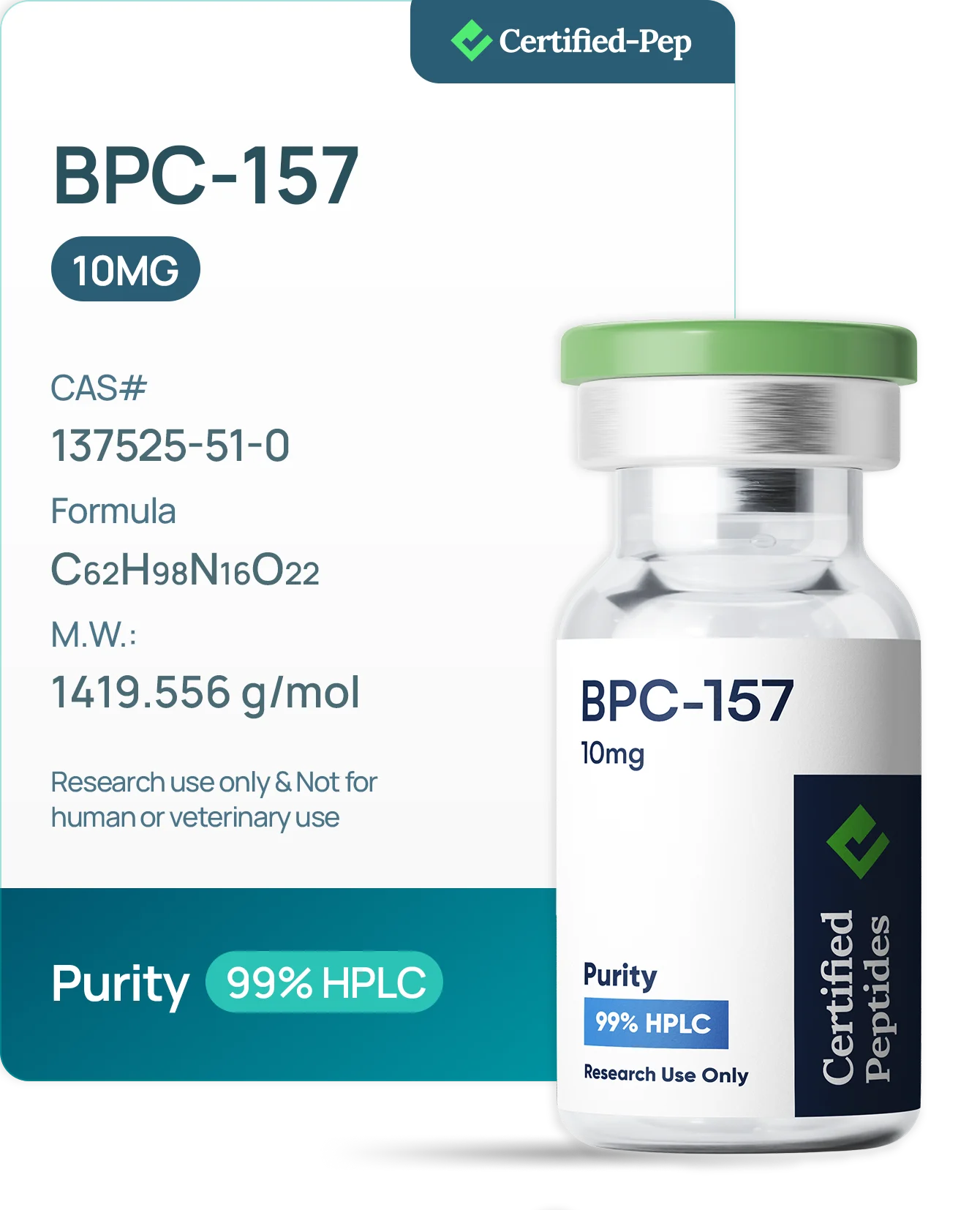
BPC 157 10 MG
USD 60.00
In stock
Last synced: 2026-09-17 09:48
Add to retailer cart ↗View product details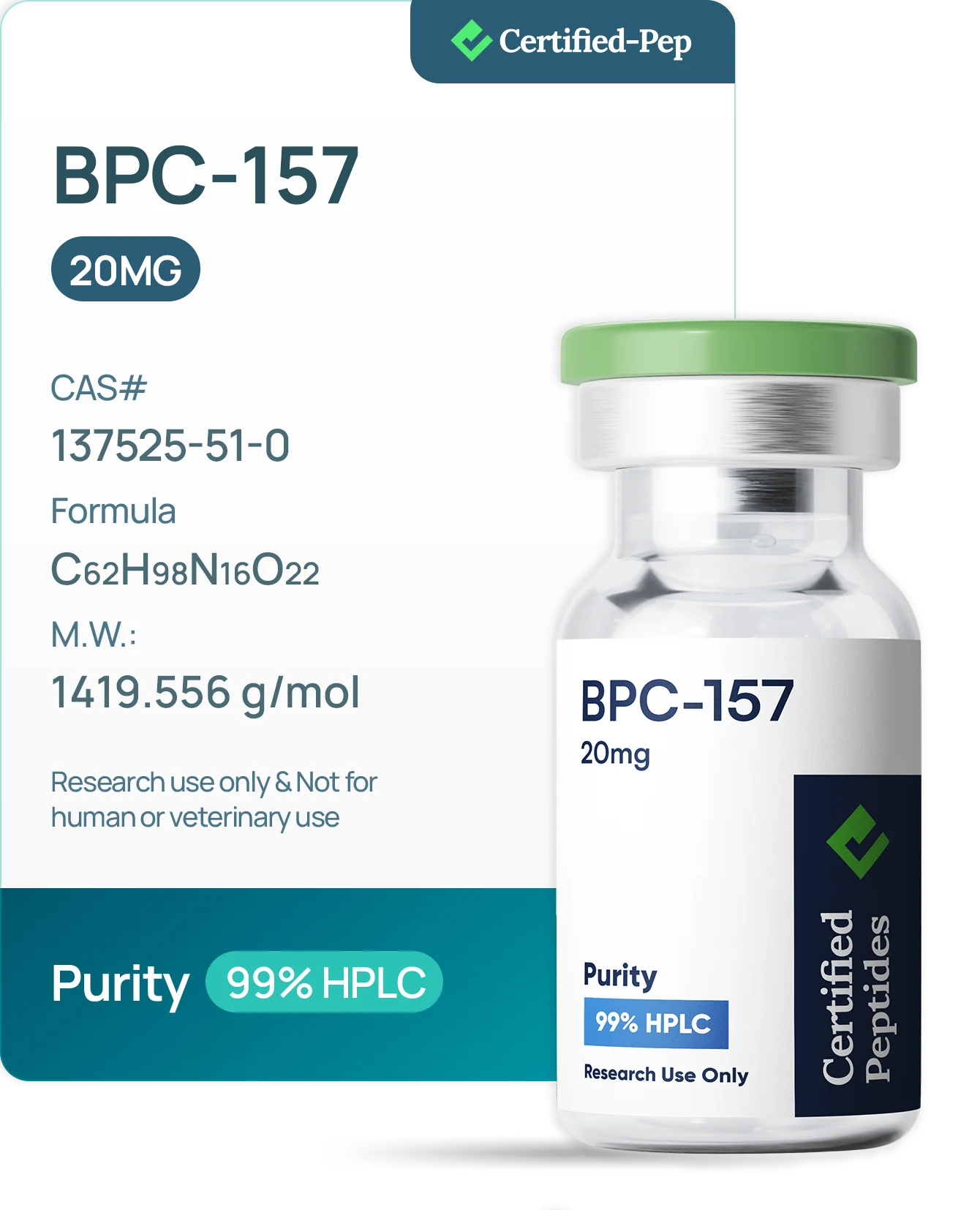
BPC 157 20 MG
USD 90.00
In stock
Last synced: 2026-09-17 09:48
Add to retailer cart ↗View product details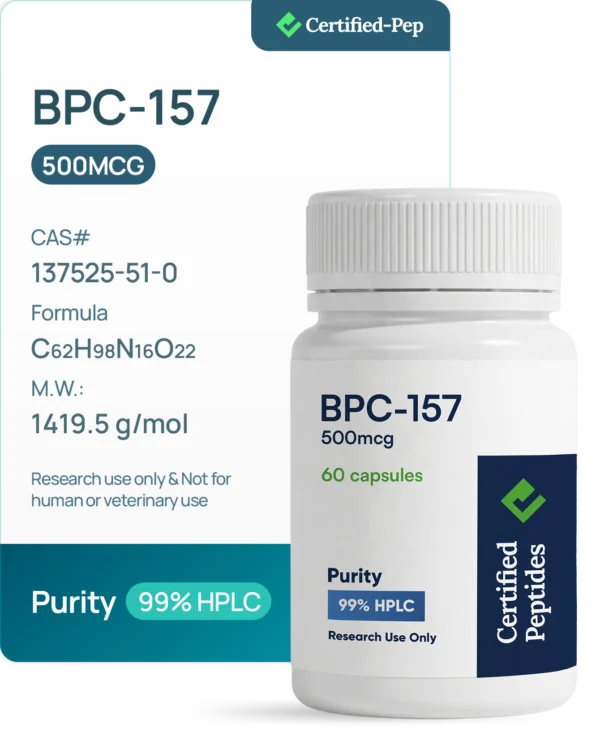
BPC-157 500 mcg 60 CAPSULES
USD 160.00
In stock
Last synced: 2026-09-17 09:48
Add to retailer cart ↗View product details