
What do GHK gene-expression studies reveal about nervous-system research, and what remains unproven?
GHK (glycyl-L-histidyl-L-lysine) gene-expression studies suggest this peptide modulates numerous genes relevant to nervous system health, including those involved in nerve outgrowth, antioxidant defense, DNA repair, and protein clearance. However, most evidence comes from in vitro, animal, and computational models, not controlled human trials. The translation of these findings to clinical outcomes remains unproven, and substantial limitations exist.

Direct Answer
GHK (glycyl-L-histidyl-L-lysine) gene-expression studies indicate that this peptide can modulate hundreds of genes associated with nervous system function, including those involved in neuronal growth, antioxidant defense, DNA repair, and protein clearance. However, these findings are primarily based on in vitro, animal, and computational analyses, and there is currently no direct evidence from controlled human trials demonstrating clinical benefits for neurodegenerative diseases or cognitive decline. The translation of gene-expression changes to meaningful nervous-system outcomes in humans remains unproven, and significant methodological and interpretive limitations persist Source 1.
What is GHK and How Has It Been Studied?
GHK is a naturally occurring human tripeptide with a high affinity for copper, forming the GHK-Cu complex. It was initially identified for its ability to stimulate protein synthesis in aged human liver tissue and has since been studied for a wide array of biological actions, including wound healing, tissue regeneration, and modulation of gene expression. In the context of nervous-system research, GHK's effects have been explored using a combination of computational gene-expression profiling (notably through the Broad Institute's Connectivity Map, or cMap), in vitro cell culture experiments, and animal models Source 1.
The cMap database contains transcriptional responses of human cell lines to various compounds, including GHK. In the referenced studies, GHK was applied to human prostate (PC3) and breast cancer (MCF7) cell lines at concentrations around 1 µM, and gene-expression changes were analyzed using microarray technology. These data were further mined for genes relevant to nervous-system function using Gene Ontology annotations and manual curation.
Which Nervous-System Pathways Are Affected by GHK in Gene-Expression Studies?
GHK has been reported to influence the expression of genes involved in several key nervous-system pathways:
-
Nerve Outgrowth: Early in vitro studies showed GHK promoted neuronal process outgrowth in chick and rat embryonic neurons, while suppressing glial cell proliferation. In animal models, GHK enhanced nerve regeneration after injury, possibly by stimulating trophic factor production (e.g., nerve growth factor, neurotrophins) Source 1.
-
Antioxidant Defense: GHK upregulated genes encoding antioxidant proteins, such as superoxide dismutase (SOD), and increased SOD activity in animal models. It also modulated genes involved in detoxification of reactive oxygen species and lipid peroxidation products, which are implicated in neurodegenerative processes.
-
DNA Repair: Gene-expression analysis indicated GHK stimulates the expression of multiple DNA repair genes, which may be relevant to the maintenance of neuronal integrity under oxidative or metabolic stress.
-
Protein Clearance (Ubiquitin-Proteasome System): GHK increased the expression of genes involved in the ubiquitin-proteasome system, which is responsible for clearing damaged or misfolded proteins—a process thought to be impaired in neurodegenerative diseases.
-
Anti-Anxiety and Anti-Pain Pathways: In animal studies, GHK exhibited anxiolytic and analgesic effects, and gene-expression data showed upregulation of several anti-pain and anti-anxiety genes, including opioid and cannabinoid receptors.
-
Copper Transport and Homeostasis: GHK is a copper-binding peptide, and copper is essential for the function of several nervous-system enzymes. GHK may facilitate copper uptake into neurons, potentially impacting neurodegenerative processes associated with copper deficiency.
What Experimental Models and Methods Have Been Used?
Computational and In Vitro Approaches
-
Connectivity Map (cMap): The cMap platform was used to profile gene-expression changes in human cell lines treated with GHK. Three GHK profiles were analyzed, derived from PC3 and MCF7 cell lines. Microarray data were processed and analyzed using GenePattern software, and genes relevant to nervous-system function were identified using Gene Ontology searches and manual curation.
-
Cell Culture Studies: GHK was tested in various cell types, including fibroblasts, hepatocytes, and neuronal cultures. In neuronal cultures, GHK promoted neurite outgrowth and altered the balance between neuronal and glial cell proliferation.
Animal Models
-
Nerve Injury and Regeneration: In rat models of sciatic nerve injury, GHK bonded to collagen prostheses enhanced nerve regeneration, increased trophic factor production, and recruited supportive cells such as Schwann cells.
-
Behavioral Studies: In rats, GHK administration reduced pain behaviors after thermal injury and exhibited anxiolytic effects in maze tests.
-
Oxidative Stress and DNA Damage: In rodent models, GHK-Cu increased antioxidant enzyme activity and protected against oxidative damage in tissues such as the liver and lungs.
Gene-Expression Analysis
-
Microarray Profiling: The studies used Affymetrix GeneChip arrays to measure mRNA levels across thousands of genes. Fold changes in gene expression were calculated and genes were grouped by functional relevance to nervous-system processes.
-
Gene Ontology Annotation: Genes were categorized based on their involvement in neuronal, glial, antioxidant, DNA repair, and protein clearance pathways.
What Are the Main Findings and Their Context?
-
Widespread Gene Modulation: GHK altered the expression of a substantial fraction of the transcriptome in treated cell lines, with estimates that over 30% of genes showed changes of 50% or more in expression. Hundreds of genes relevant to nervous-system function were up- or down-regulated.
-
Potential Neuroprotective Mechanisms: The upregulation of genes involved in nerve outgrowth, antioxidant defense, DNA repair, and protein clearance suggests that GHK could, in theory, support neuronal health and resilience to injury or degeneration.
-
Copper-Related Effects: Given the role of copper in neuronal enzymes and the observed decline of GHK with age, the peptide's ability to bind and transport copper may have implications for neurodegenerative diseases linked to copper dysregulation.
-
Behavioral Effects in Animals: GHK demonstrated anxiolytic and analgesic effects in rodent models, supporting the possibility of central nervous system activity.
What Remains Unproven and What Are the Key Limitations?
Lack of Controlled Human Data
-
No Clinical Trials: There are no published controlled human trials directly assessing the effects of GHK on nervous-system function, cognitive decline, or neurodegenerative diseases. All evidence to date is preclinical.
-
Cell Line Limitations: The gene-expression studies were conducted in cancer-derived cell lines (PC3, MCF7), which may not accurately reflect gene regulation in primary neurons or glial cells. Extrapolation to human brain tissue is uncertain.
-
Gene Expression vs. Functional Outcomes: Changes in mRNA levels do not necessarily translate to changes in protein levels or biological function. The relationship between gene-expression modulation and clinical outcomes is complex and often indirect.
-
Animal Model Limitations: While animal studies suggest neuroprotective and behavioral effects, these models do not fully replicate human neurodegenerative diseases or cognitive decline.
-
Copper Homeostasis Complexity: Although GHK can bind and transport copper, the overall regulation of copper in the brain is multifactorial, and copper supplementation has not shown clear benefits in clinical studies of neurodegenerative disease.
-
Potential for Off-Target Effects: The broad gene-expression changes induced by GHK raise the possibility of unintended or adverse effects, which have not been systematically studied.
Methodological Considerations
-
Microarray Data Variability: Microarray-based gene-expression profiling is subject to technical variability, batch effects, and challenges in data normalization. The magnitude and direction of gene changes may differ across platforms and experimental conditions.
-
Gene Ontology Annotation Limits: Assigning functional relevance to gene-expression changes based on Gene Ontology terms can be imprecise, as many genes have pleiotropic or poorly understood roles.
-
Computational Predictions vs. Experimental Validation: While cMap predictions have sometimes correlated with biological effects, they are not a substitute for direct experimental validation in relevant cell types or organisms.
What Are the Gaps and Future Research Directions?
-
Human Studies Needed: Rigorous clinical trials are required to determine whether GHK's gene-expression effects translate into meaningful benefits for nervous-system health, cognitive function, or neurodegenerative disease outcomes.
-
Primary Neuronal and Glial Models: Further research using primary human neurons, astrocytes, and microglia is needed to validate and extend the findings from cancer cell lines.
-
Proteomic and Functional Analyses: Studies should assess whether mRNA changes lead to corresponding protein and functional changes in relevant pathways.
-
Mechanistic Dissection: The specific molecular mechanisms by which GHK influences gene expression and nervous-system processes remain to be fully elucidated.
-
Safety and Off-Target Effects: Comprehensive toxicological and safety studies are necessary, especially given the peptide's broad transcriptomic effects.
Frequently Asked Questions (FAQ)
Q: Does GHK treat or prevent neurodegenerative diseases in humans?
A: There is currently no evidence from controlled human studies that GHK treats or prevents neurodegenerative diseases. All available data are preclinical Source 1.
Q: Are GHK's gene-expression effects specific to neurons?
A: GHK modulates genes in multiple cell types, not just neurons. Most gene-expression data come from non-neuronal cell lines, so specificity is unclear.
Q: Is GHK-Cu safe for human use?
A: Safety and efficacy for human or veterinary use have not been established. Research products are not for human or veterinary use.
Evidence Limitations and Key Takeaways
- GHK gene-expression studies suggest broad modulation of genes relevant to nervous-system health, but these findings are based on in vitro, animal, and computational models.
- There is no direct evidence from controlled human trials supporting clinical benefits for neurodegenerative diseases or cognitive decline.
- Methodological limitations include the use of cancer cell lines, reliance on mRNA data, and lack of functional or clinical validation.
- The translation of gene-expression changes to nervous-system outcomes in humans remains unproven.
- Further research, including primary neuronal models and human clinical trials, is needed to clarify GHK's potential and safety profile.
For research and educational purposes only. Not medical advice. Research products are not for human or veterinary use.
Sources
- The Effect of the Human Peptide GHK on Gene Expression Relevant to Nervous System Function and Cognitive Decline - PMC. https://pmc.ncbi.nlm.nih.gov/articles/PMC5332963/
Related reading
For more context, read GHK vs. GHK-Cu: What Is the Difference?.
TRACE THE EVIDENCE
Sources & further reading
RELATED PRODUCT INFORMATION
From the Certified Pep catalog.
Product references are informational, not a recommendation for human use. Prices and availability must be verified at retailer checkout.
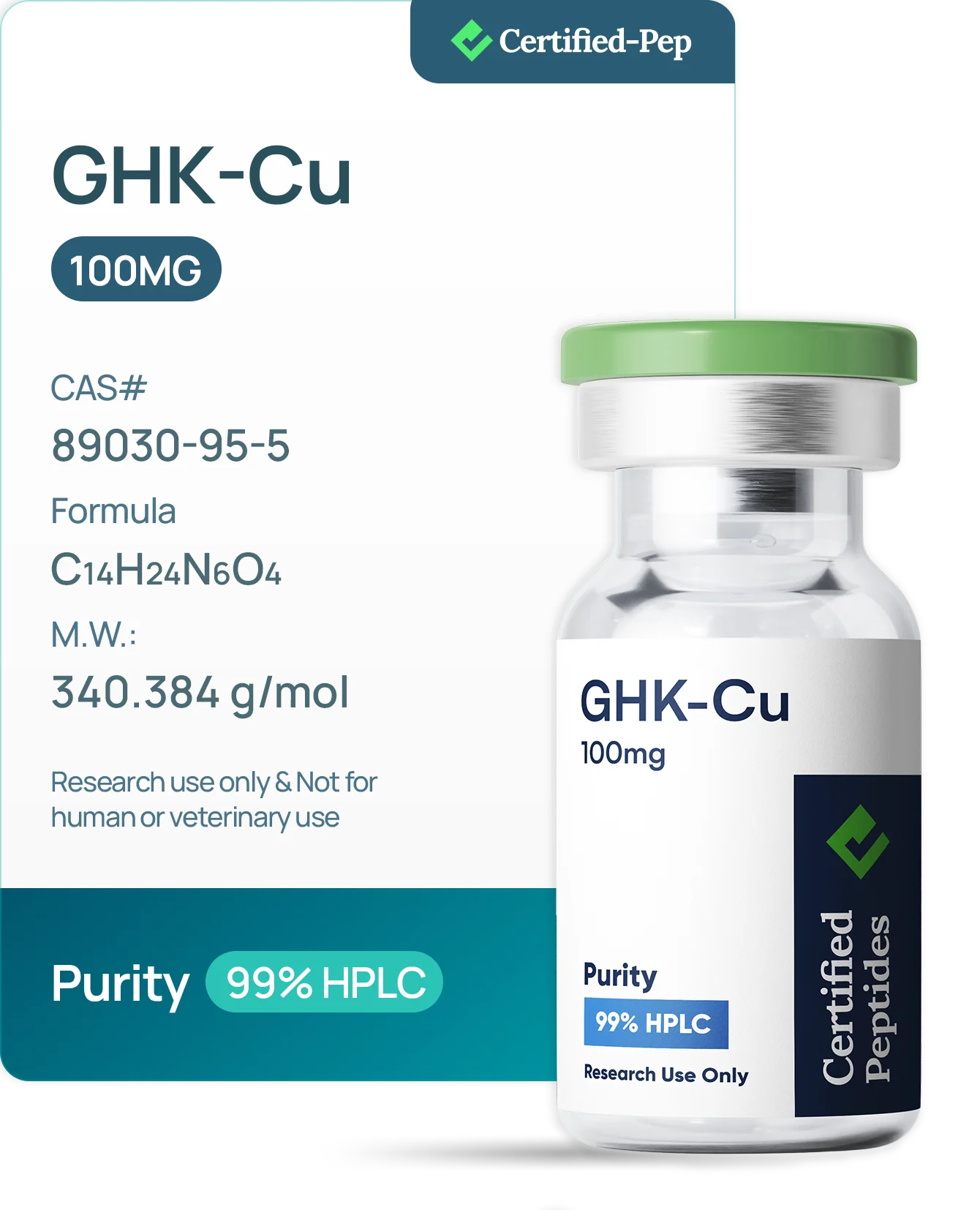
GHKCU 100 MG
USD 59.00
In stock
Last synced: 2026-09-17 09:48
Add to retailer cart ↗View product details
GHKCU 2MG 60 CAPSULES
USD 198.00
Out of stock
Last synced: 2026-09-17 09:48
View product ↗